A Growing Public Health Concern
Cervical cancer, once considered one of the most preventable forms of cancer, is seeing a troubling resurgence in certain populations. Health experts warn that despite advances in screening and vaccination, gaps in awareness, access to care, and preventive behaviors are contributing to rising cases worldwide.
The image of a woman undergoing a gynecological exam serves as a stark reminder of the importance of routine screenings. Medical professionals emphasize that early detection remains the most effective defense against cervical cancer.
Understanding Cervical Cancer
Cervical cancer develops in the cells lining the cervix—the lower part of the uterus that connects to the vagina. The primary cause is persistent infection with high-risk types of human papillomavirus (HPV), a common sexually transmitted infection.
While many HPV infections resolve on their own, some can lead to abnormal cell changes that, if untreated, may progress to cancer over time. According to health authorities, regular screenings such as Pap smears and HPV tests can detect these changes early, often before symptoms appear.
Warning Signs Often Go Unnoticed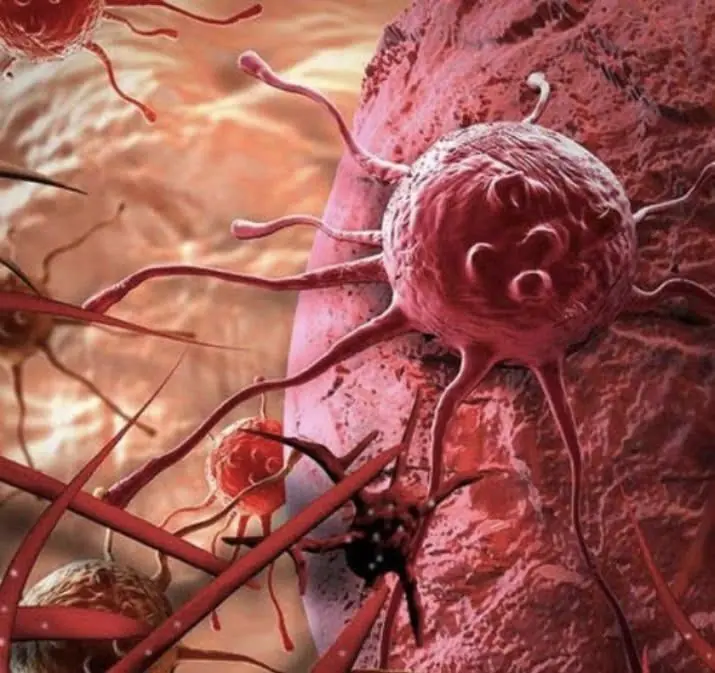
One of the challenges in combating cervical cancer is that early stages typically present no symptoms. As the disease progresses, women may experience abnormal vaginal bleeding, pelvic pain, or unusual discharge. Unfortunately, by the time symptoms emerge, the cancer may already be in an advanced stage.
Doctors stress that relying on symptoms alone is dangerous. Preventive care—not reactive treatment—is key.
Five Risky Behaviors Doctors Warn Against
Health professionals are increasingly vocal about certain behaviors that may increase the risk of cervical cancer. While some online claims exaggerate or oversimplify these risks, medical experts agree on several evidence-based concerns:
1. Skipping Regular Screenings
Avoiding Pap smears or HPV testing is one of the most significant risk factors. Regular screening can identify precancerous changes early, making treatment highly effective.
2. Ignoring HPV Vaccination
The HPV vaccine has proven highly effective in preventing the types of HPV most commonly linked to cervical cancer. Yet vaccination rates remain lower than recommended in many regions.
3. Smoking
Smoking weakens the immune system and reduces the body’s ability to fight HPV infections. It is also associated with a higher likelihood of cervical cell abnormalities.
4. Unsafe Sexual Practices
Having multiple sexual partners or not using protection can increase the risk of HPV infection. While condoms do not eliminate risk entirely, they significantly reduce transmission.
5. Delaying Medical Care
Ignoring unusual symptoms or postponing doctor visits can allow potential problems to progress unchecked. Early consultation is crucial.
The Role of Access and Education
Experts point out that rising cervical cancer rates are often linked to disparities in healthcare access. Women in underserved communities may lack access to routine screenings, vaccination programs, or accurate health information.
Public health campaigns are increasingly focused on education, aiming to dispel myths and encourage proactive healthcare decisions. “Prevention is not just about medicine—it’s about awareness and accessibility,” one physician noted.
Why “Doing Nothing” Can Be Dangerous
The phrase “even doing nothing is far safer,” often seen in alarming online messages, can be misleading. In reality, inaction—such as skipping screenings or ignoring preventive measures—is one of the greatest risks.
Doctors emphasize that simple, proactive steps can dramatically reduce the likelihood of developing cervical cancer. Routine check-ups, vaccination, and healthy lifestyle choices are far safer than neglect.
A Preventable Disease with the Right Approach
Cervical cancer remains one of the most preventable and treatable cancers when detected early. Medical professionals urge women not to delay screenings and to consult healthcare providers about HPV vaccination and personal risk factors.
The clinical setting depicted in the image highlights a critical truth: a routine exam, though sometimes uncomfortable or overlooked, can be life-saving.
Moving Forward
As health systems work to address rising trends, individuals also play a vital role. Staying informed, seeking regular medical care, and adopting preventive habits can make a significant difference.
Cervical cancer does not have to be a growing threat. With the right combination of awareness, access, and action, it can be effectively controlled—and, in many cases, prevented altogether.