Be Careful: Unexplained Bruises Might Be Telling You Something Important



Bruises happen — that’s normal. You bump into something, and a few days later, a purple mark appears. No big deal.
But here’s the catch:
Not all bruises are harmless.
If you start noticing bruises that appear easily, frequently, or without any clear reason, your body might be signaling an underlying issue.
Let’s break it down clearly so you know when to chill — and when to take it seriously.
What Is a Bruise, Really?
A bruise (also called a contusion) happens when:
-
Small blood vessels under the skin break
-
Blood leaks into surrounding tissue
-
Skin turns purple, blue, or yellow over time
Normally, bruises:
-
Fade within 1–2 weeks
-
Change color as they heal
When Bruising Is Totally Normal
You don’t need to stress if:
-
You remember bumping into something
-
The bruise is small and fades normally
-
It doesn’t happen often
This is just everyday life.
Red Flags You Should NOT Ignore


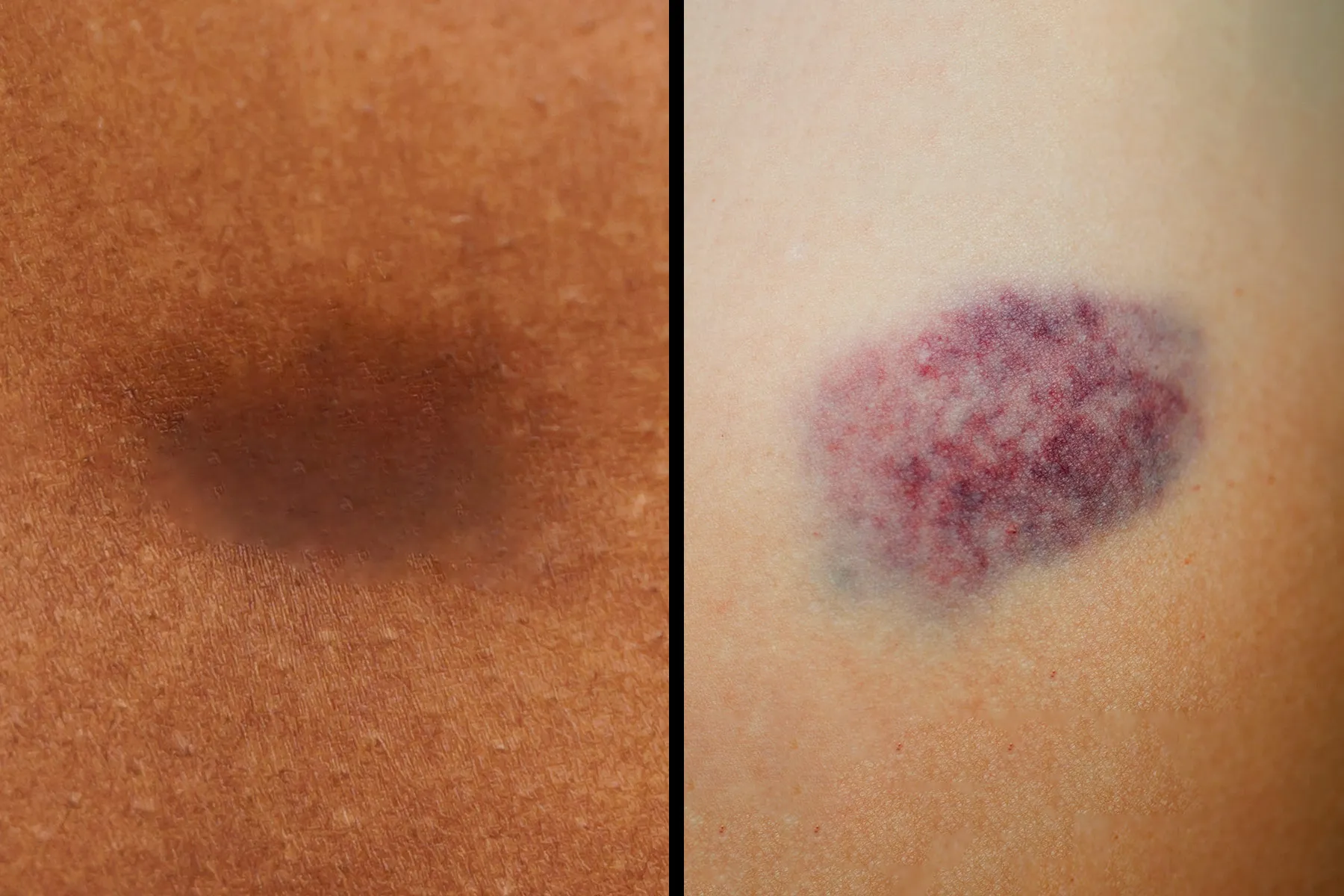
Pay attention if you notice:
-
Bruises appearing without injury
-
Large or very dark bruises
-
Frequent bruising (happening often)
-
Bruises that take too long to heal
-
Bruising in unusual areas (back, abdomen, face)
These signs deserve a closer look.
Possible Causes Behind Unusual Bruising
1. Vitamin Deficiencies
Low levels of:
-
Vitamin C
-
Vitamin K
can weaken blood vessels and affect clotting.
2. Blood Clotting Problems
Your body relies on clotting to stop bleeding.
Disorders affecting clotting can lead to:
-
Easy bruising
-
Prolonged bleeding
3. Medication Side Effects


Certain medications increase bruising risk:
-
Blood thinners (like aspirin)
-
Steroids
-
Some supplements (fish oil, vitamin E)
4. Aging Skin
As you get older:
-
Skin becomes thinner
-
Blood vessels become more fragile
This makes bruising easier — especially on arms and legs.
5. Underlying Medical Conditions
In some cases, frequent bruising may relate to:
-
Liver problems
-
Blood disorders
-
Immune system issues
These are less common — but important to rule out.
When Should You See a Doctor?
You should seek medical advice if:
-
Bruises appear suddenly and frequently
-
You also have fatigue, dizziness, or bleeding
-
Bruises don’t heal after a few weeks
-
There’s no clear cause
Doctors may check:
-
Blood tests (platelets, clotting factors)
-
Liver function
-
Nutritional levels
How to Reduce Bruising Risk
Simple habits can help:
-
Eat a balanced diet (rich in vitamins)
-
Be cautious with medications
-
Protect your skin from impact
-
Stay hydrated
Final Thoughts
A bruise is usually nothing — until it starts happening too often.
Your body doesn’t randomly change patterns without a reason.
So if you notice:
-
More bruises than usual
-
Bigger or darker marks
-
No clear cause
Don’t panic —
but don’t ignore it either.
Because sometimes,
those small purple marks are your body quietly asking for attention.