The kidneys are vital organs that work quietly behind the scenes to keep the body in balance. They are responsible for filtering waste from the blood, regulating fluids, maintaining electrolyte levels, and supporting overall health. When the kidneys function properly, most people don’t even notice their role.
However, when kidney function begins to decline, the body may send warning signals. The challenge is that early symptoms are often subtle and easy to overlook, which can delay diagnosis and treatment. Recognizing these signs early can help prevent more serious complications.
Below are 10 symptoms that may indicate unhealthy kidneys and should not be ignored.
1. Changes in Urination
One of the earliest signs of kidney problems is a change in urination patterns.
This may include:
-
Urinating more or less frequently
-
Waking up often at night to urinate
-
Foamy or bubbly urine
-
Dark, cloudy, or pale urine
Since the kidneys are responsible for producing urine, any noticeable change may indicate that they are not functioning properly.
2. Persistent Fatigue
Healthy kidneys help produce hormones that support red blood cell production. When kidney function declines, this process may be affected, leading to low energy levels and constant fatigue.
People may feel tired even after resting, and daily tasks may become more exhausting than usual.
3. Swelling in the Body
When the kidneys cannot effectively remove excess fluid, it may build up in the body, causing swelling (edema).
Common areas include:
-
Feet and ankles
-
Hands
-
Face
-
Around the eyes
This swelling may be more noticeable in the morning or after long periods of sitting or standing.
4. Shortness of Breath
Fluid buildup in the body can also affect the lungs, leading to difficulty breathing.
In addition, anemia caused by reduced kidney function can limit oxygen delivery, making people feel out of breath even during light activity.

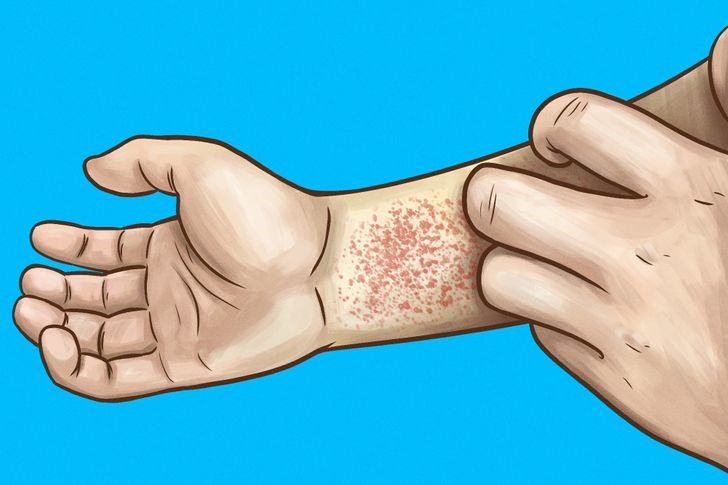
5. Skin Problems and Itching
When waste products accumulate in the blood due to poor kidney function, they can cause dry skin and persistent itching.
This type of itching may not improve with regular skincare products and can be uncomfortable over time.
6. Loss of Appetite
Kidney problems can affect digestion and overall metabolism, leading to reduced appetite.
People may feel full quickly or have little interest in eating, which can result in unintended weight loss.
7. Nausea and Vomiting
As toxins build up in the body, they can affect the digestive system, causing symptoms such as:
-
Nausea
-
Vomiting
-
General stomach discomfort
These symptoms may become more frequent as kidney function worsens.
8. Muscle Cramps
Imbalances in electrolytes—such as calcium and potassium—can lead to muscle cramps or spasms.
Since the kidneys help regulate these minerals, impaired function may disrupt this balance.
9. Trouble Concentrating
A buildup of waste products in the bloodstream can affect brain function, leading to:
-
Difficulty concentrating
-
Memory problems
-
Reduced mental clarity
Fatigue and anemia can also contribute to these symptoms.
10. Persistent Back Pain
Pain in the lower back, especially near the sides of the spine, may sometimes be associated with kidney issues.
While not all back pain is related to the kidneys, persistent discomfort in this area—particularly when combined with other symptoms—should be evaluated.

Why Early Detection Matters
Kidney disease often progresses slowly, and symptoms may not appear until the condition becomes more advanced. Early detection allows for:
-
Better management of kidney function
-
Slowing disease progression
-
Preventing complications
Simple tests, such as blood and urine analysis, can help assess kidney health.
How to Support Kidney Health
Maintaining healthy habits can help protect kidney function over time:
-
Drink enough water
-
Eat a balanced diet
-
Limit excessive salt intake
-
Stay physically active
-
Manage blood pressure and blood sugar
-
Avoid unnecessary use of certain medications
These steps can help reduce stress on the kidneys and support overall well-being.
Final Thoughts
The kidneys play a critical role in maintaining the body’s balance, but they often show warning signs only when problems begin to develop. Symptoms such as changes in urination, fatigue, swelling, itching, nausea, and breathing difficulties should not be ignored.
Being aware of these signs and seeking medical advice when necessary can make a significant difference in protecting long-term health.
Taking care of your kidneys today helps ensure that your body continues to function smoothly for years to come.