Spotting a slug inside your home can be unsettling. These slow-moving, slimy creatures are typically associated with gardens—not living rooms or kitchens. So when one suddenly appears indoors, many people wonder: is it just coincidence, or does it mean something more?
According to pest control experts, the answer is clear—slugs don’t enter homes by accident. Their presence often points to specific environmental conditions inside or around your house that may need attention.
Why Slugs Come Indoors
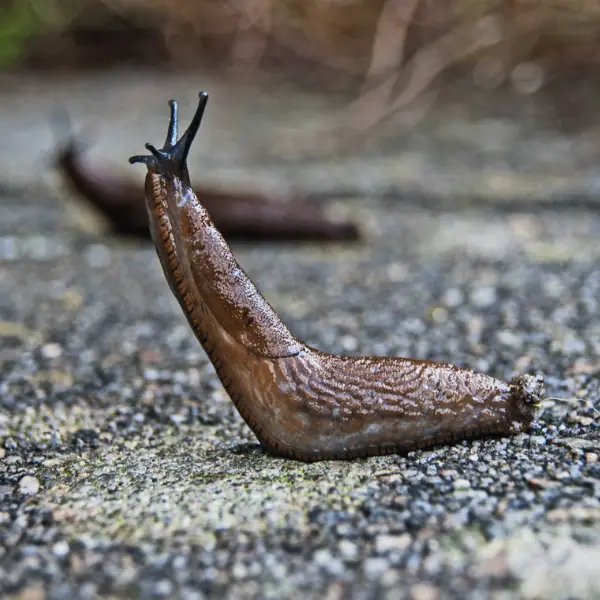
Slugs are highly sensitive to their surroundings. They rely on moisture to survive and are most active in cool, damp environments.
When they enter your home, it is usually for one of three main reasons:
1. Moisture and Dampness
The most common reason is excess moisture. Slugs are naturally drawn to damp areas such as kitchens, bathrooms, basements, or places with condensation and leaks.
If you are seeing slugs indoors, it may indicate:
-
Poor ventilation
-
Hidden water leaks
-
High humidity levels
2. Shelter and Safety
Slugs avoid sunlight and dry conditions. During the day—or during extreme weather—they seek dark, cool places to hide.
Your home can provide:
-
Shade from sunlight
-
Protection from predators
-
Stable temperatures
3. Food Sources
Although they mainly feed on plants and organic matter outdoors, slugs can also be attracted by food crumbs, pet food, or indoor plants.
Even small amounts of organic material can draw them inside.
How Slugs Get Into Your House
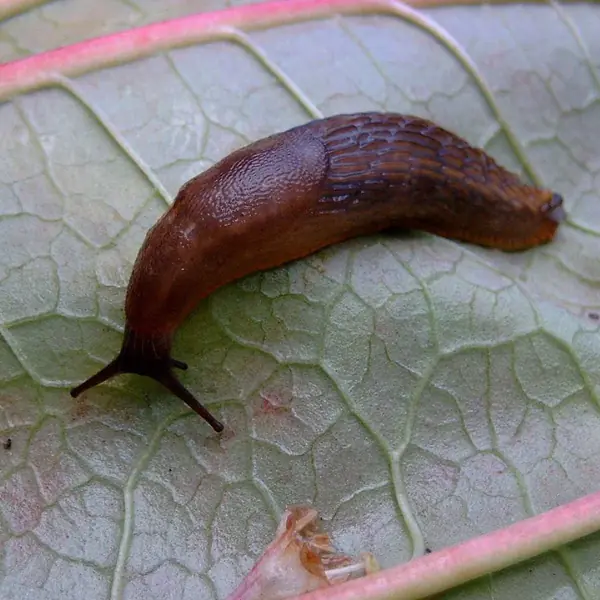
You might wonder how such creatures manage to enter a sealed home. In reality, slugs are surprisingly adaptable.
They can slip through:
-
Tiny cracks in walls or floors
-
Gaps under doors
-
Open windows or vents
-
Drain pipes and damp areas
Experts note that they are most active at night, especially after rain, which is when they often enter homes unnoticed.
What Their Presence May Indicate
While a single slug might not seem alarming, repeated sightings could point to underlying issues:
Hidden Damp Problems
If slugs keep appearing, your home may have excess moisture. This can lead to mold growth and structural damage over time.
Poor Sealing or Maintenance
Cracks, gaps, or poorly sealed entry points make it easier for pests—not just slugs—to enter.
Hygiene Concerns
Food residue, especially in kitchens, can attract not only slugs but also other pests.
In other words, a slug is often less of the problem itself and more of a warning sign.
Are Slugs Dangerous?
For the most part, slugs are harmless to humans. However, they are considered pests and can carry bacteria or parasites in rare cases.
Their slime trails can also contaminate surfaces, especially in food preparation areas. For this reason, it’s important to clean any area where a slug has been found.
How to Prevent Slugs from Entering
If you’ve spotted a slug in your home, taking preventive action is essential. Experts recommend:
Reduce Moisture
-
Fix leaks and dripping pipes
-
Use dehumidifiers in damp areas
-
Improve ventilation
Seal Entry Points
-
Close gaps under doors
-
Seal cracks in walls and floors
-
Check windows and vents
Remove Food Sources
-
Clean up crumbs and spills
-
Store food properly
-
Avoid overwatering indoor plants
Use Natural Deterrents
-
Copper strips near entry points
-
Coffee grounds or strong scents like lavender
These steps not only keep slugs out but also improve overall home hygiene.
When to Be Concerned
Seeing one slug occasionally may not be a major issue. However, you should take action if:
-
Slugs appear frequently
-
You notice slime trails regularly
-
There are signs of dampness or mold
In such cases, it may be worth consulting a pest control professional or checking your home for structural or moisture-related problems.
Final Thoughts
A slug entering your home is not just a random घटना—it’s often a sign that your environment is attracting them. Whether it’s excess moisture, hidden entry points, or available food, these factors create ideal conditions for slugs to thrive indoors.
Rather than ignoring the problem, it’s important to treat it as a warning signal. By addressing the root cause, you can not only eliminate slugs but also create a cleaner, healthier living space.