Pokeweed (Phytolacca americana): The Beautiful but Dangerous Plant You Should Avoid
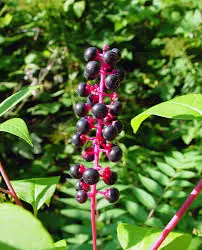
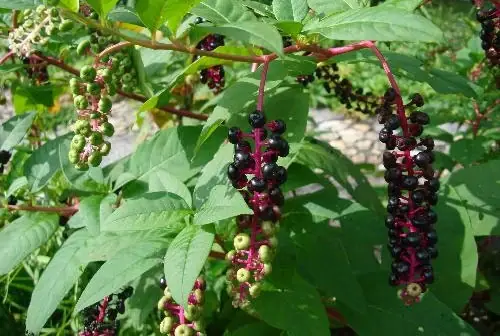
Pokeweed (Phytolacca americana) is a striking plant, with vibrant purple berries, tall red stems, and lush green leaves. Its beauty makes it easy to spot, and some people even mistake it for a harmless ornamental plant. However, despite its attractive appearance, pokeweed is highly toxic and can be dangerous if ingested or mishandled.
What Is Pokeweed?
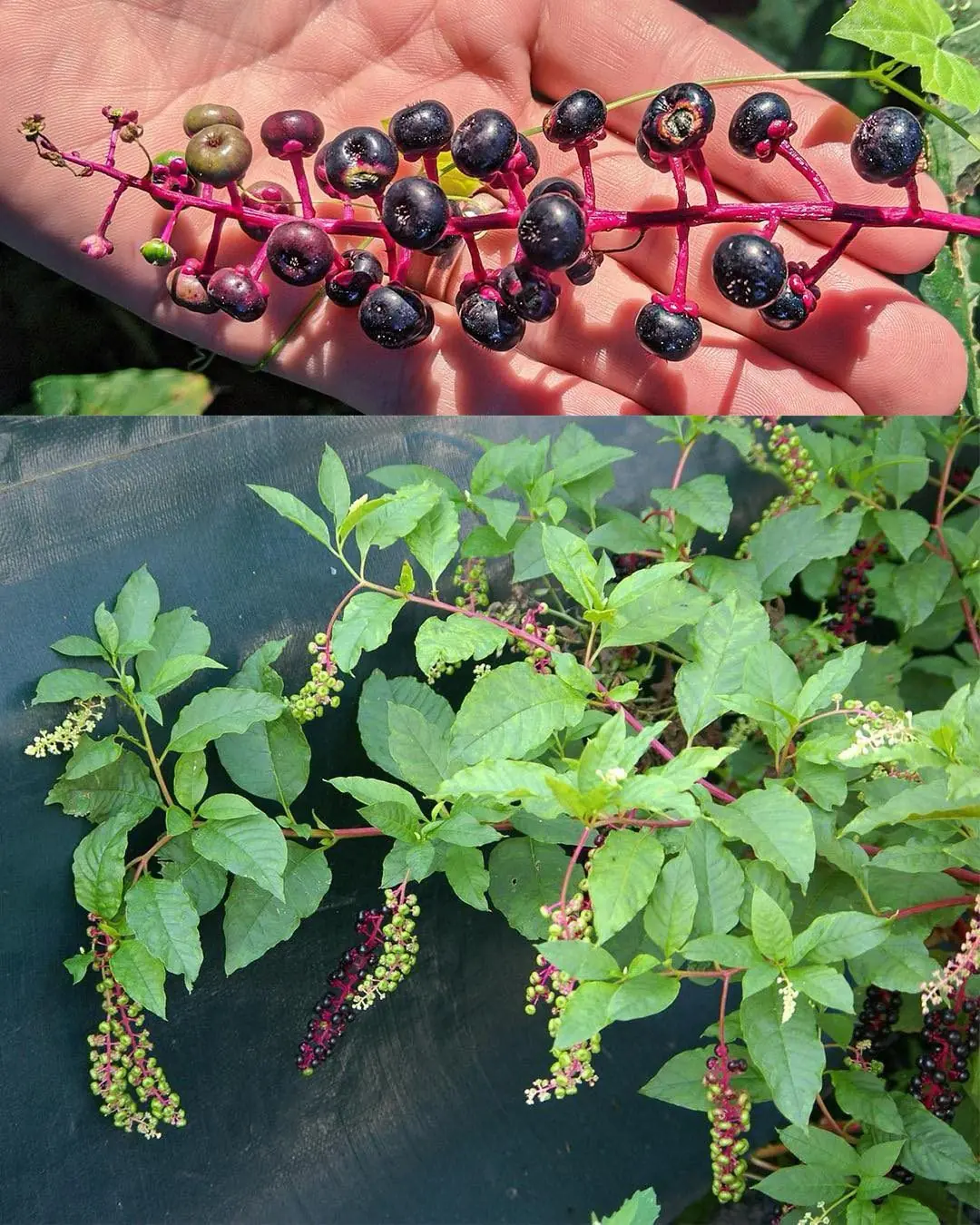
Pokeweed is native to North America and commonly grows in yards, gardens, fields, and along roadsides. It can reach up to 10 feet in height and produces dark purple berries that are tempting to birds and sometimes curious humans. While birds can eat the berries without harm, every part of the plant — roots, stems, leaves, and berries — contains toxins that are unsafe for humans and pets.
Why Pokeweed Is Dangerous
The plant contains a variety of toxic compounds, including phytolaccine and saponins, which can cause serious health issues if ingested:
-
Gastrointestinal symptoms: nausea, vomiting, diarrhea, and abdominal pain.
-
Cardiovascular effects: irregular heartbeat in severe cases.
-
Neurological effects: dizziness, tremors, and, in extreme cases, respiratory problems.
Even small amounts of raw pokeweed leaves or berries can be harmful, particularly to children and pets.
Common Ways People Encounter It
-
In the yard or garden: It often grows unnoticed and can spread quickly.
-
Foraging mistakes: Some individuals mistakenly use pokeweed berries in homemade jams or teas, thinking they are safe.
-
Curiosity of pets or children: Bright berries can attract children or pets, increasing the risk of accidental ingestion.
Safety Tips
-
Do not eat any part of the plant unless you are a trained expert — even “young” shoots can be toxic if not prepared correctly.
-
Wear gloves when handling pokeweed, as the sap can irritate the skin.
-
Remove it carefully from your yard if you find it, making sure to dispose of all parts properly.
-
Educate family and neighbors about its dangers, especially if you live in areas where it grows wild.
Final Thoughts
Pokeweed is a perfect example of how something beautiful can also be dangerous. Its striking appearance can easily mislead people into underestimating the risks. Awareness is key: avoid contact, don’t ingest it, and take steps to keep your home and yard safe.
Remember: Just because it’s pretty doesn’t mean it’s safe.
References:
-
North Carolina State Extension: Phytolacca americana
-
Poisonous Plants Portal — PokeweedIt could be lurking in your yard — and surprisingly hazardous