If You’re Experiencing THESE Symptoms, Your Kidneys May Be at Risk


Your kidneys work silently every day — filtering waste, balancing fluids, and keeping your body stable. But when something starts to go wrong, the signs are often subtle and easy to ignore.
The danger?
Kidney problems can develop quietly until they become serious.
Here are key symptoms you should never overlook if you want to protect your kidney health.
1. Persistent Lower Back Pain (Near the Kidneys)
Pain in the lower back — especially on one side — may be more than just muscle strain.
Kidney-related pain often:
-
Feels deep and dull
-
Doesn’t improve with movement
-
May radiate toward the abdomen
This can be linked to:
-
Kidney stones
-
Infections
-
Inflammation
2. Changes in Urination
Your urine is one of the clearest indicators of kidney health.
Watch for:
-
Frequent urination, especially at night
-
Foamy or bubbly urine (possible protein leakage)
-
Dark, cloudy, or bloody urine
-
Difficulty urinating
These signs suggest your kidneys may not be filtering properly.
3. Swelling in the Body (Edema)
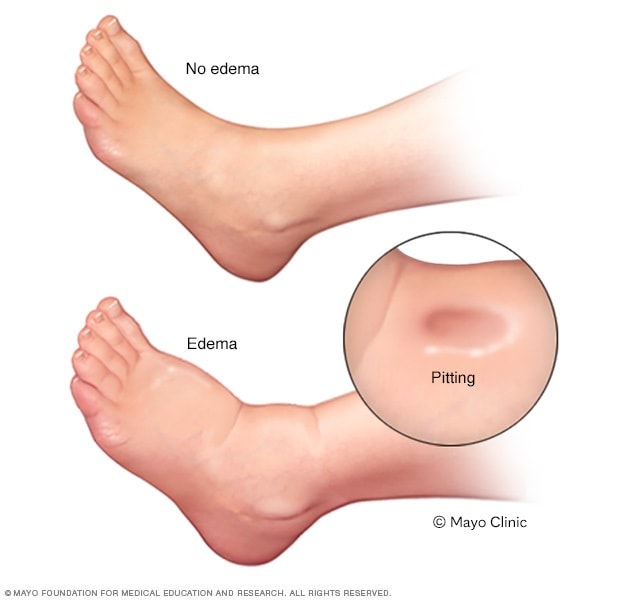


When kidneys can’t remove excess fluid, it builds up in the body.
Common areas:
-
Feet and ankles
-
Hands
-
Face (especially around the eyes in the morning)
This swelling is often painless — but important.
4. Skin Problems (Itching, Rashes)
Your skin can reflect what your kidneys are struggling to remove.
You might notice:
-
Persistent itching
-
Dry or irritated skin
-
Unexplained rashes
This happens because waste products accumulate in the bloodstream.
5. Extreme Fatigue and Weakness


When kidney function declines:
-
Toxins build up
-
Red blood cell production may decrease
This can lead to:
-
Constant tiredness
-
Difficulty focusing
-
General weakness
6. Nausea and Loss of Appetite
As toxins accumulate, they can affect your digestive system.
Symptoms include:
-
Nausea
-
Vomiting
-
Metallic taste in the mouth
-
Reduced appetite
These signs often appear in more advanced stages.
Why These Symptoms Are Often Ignored
Here’s the problem — most of these signs:
-
Develop gradually
-
Overlap with everyday issues (stress, diet, fatigue)
-
Don’t feel urgent at first
So people tend to think:
“It’s just tiredness”
“Probably nothing serious”
Who Is at Higher Risk?
You should be extra cautious if you:
-
Have diabetes
-
Have high blood pressure
-
Consume high-salt or processed diets
-
Don’t drink enough water
-
Take long-term medications
When Should You See a Doctor?
You should seek medical attention if:
-
Symptoms persist or worsen
-
You notice multiple signs at once
-
There are changes in urination
Doctors may recommend:
-
Blood tests (creatinine, urea)
-
Urine tests
-
Imaging (ultrasound or CT scan)
How to Protect Your Kidneys
Simple habits can make a big difference:
-
Stay well hydrated
-
Reduce salt intake
-
Control blood sugar and blood pressure
-
Avoid unnecessary medications
-
Maintain a balanced diet
Final Thoughts
Your kidneys don’t usually “shout” when something is wrong — they whisper.
And those whispers show up as small changes in your body.
The key is not to panic —
but also not to ignore repeated signals.
Because when it comes to kidney health,
early awareness can prevent serious complications later.