Your kidneys work around the clock to keep your body functioning properly. These two bean-shaped organs filter waste products and excess fluid from your blood, help regulate blood pressure, maintain healthy electrolyte levels, support red blood cell production, and contribute to bone health.
Because the kidneys can continue to function even after losing a significant amount of their filtering capacity, kidney disease often develops silently, especially in its early stages. Many people experience few or no symptoms until the condition has progressed.
That's why recognizing possible warning signs and seeking medical evaluation when appropriate is so important. Keep in mind that none of the symptoms below can diagnose kidney disease on their own, as they may also be caused by many other medical conditions. Only a healthcare professional can determine the underlying cause through a medical history, physical examination, laboratory tests, and imaging when necessary.
Here are 10 possible symptoms of kidney disease that should not be ignored.
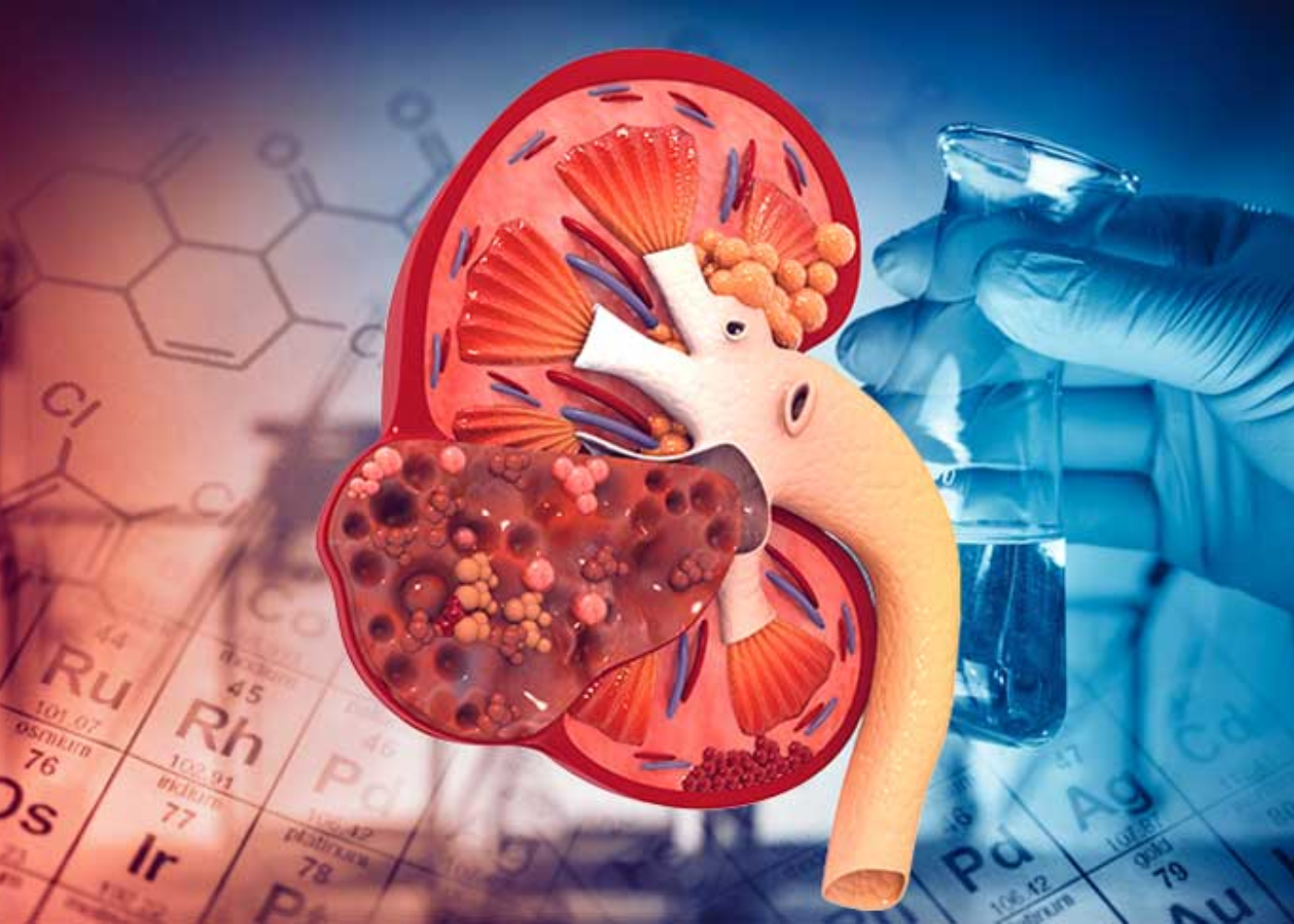
1. Persistent Fatigue and Low Energy
Feeling unusually tired is one of the most common symptoms reported by people with chronic kidney disease.
Healthy kidneys produce a hormone called erythropoietin (EPO), which signals the bone marrow to make red blood cells. When kidney function declines, less EPO may be produced, increasing the risk of anemia. Fewer red blood cells mean less oxygen is delivered throughout the body, which can contribute to fatigue and weakness.
Other factors that may contribute include:
-
Poor sleep
-
Nutritional deficiencies
-
Inflammation
-
Accumulation of waste products in advanced kidney disease
Because fatigue has many possible causes, it should always be evaluated in the context of your overall health.
2. Swelling in the Feet, Ankles, Legs, or Around the Eyes
Healthy kidneys help remove excess sodium and water from the body.
When kidney function is impaired, fluid may accumulate in the tissues, causing swelling, also known as edema.
You may notice:
-
Puffy ankles
-
Swollen feet
-
Tight shoes
-
Swelling in the lower legs
-
Puffiness around the eyes, especially in the morning
However, swelling can also result from heart disease, liver disease, certain medications, or problems with the veins or lymphatic system.
3. Changes in Urination
Changes in urination are sometimes among the earliest clues that something may be affecting the kidneys.
Possible changes include:
-
Urinating more frequently, especially at night
-
Urinating less than usual
-
Foamy or frothy urine
-
Blood in the urine
-
Difficulty urinating
-
Dark-colored urine
Foamy urine may indicate excess protein in the urine, while blood in the urine should always be evaluated by a healthcare professional.
4. Persistent Itching
Severe or persistent itching without an obvious skin condition may occur in people with advanced kidney disease.
Possible contributing factors include:
-
Accumulation of waste products
-
Dry skin
-
Changes in mineral balance
-
Nerve-related changes
Many skin conditions can also cause itching, so this symptom alone does not necessarily indicate kidney disease.
5. Loss of Appetite, Nausea, or Vomiting
As kidney function declines significantly, waste products can build up in the bloodstream.
This may contribute to symptoms such as:
-
Poor appetite
-
Nausea
-
Vomiting
-
Feeling full quickly
-
Weight loss
These symptoms become more common in advanced kidney disease but may also occur with many gastrointestinal illnesses.
6. Muscle Cramps
Frequent muscle cramps, particularly in the legs, may sometimes be associated with kidney disease.
Possible reasons include:
-
Electrolyte imbalances
-
Changes in calcium or phosphorus levels
-
Fluid imbalance
-
Certain medications
Muscle cramps are common and are not specific to kidney disease, but persistent or severe symptoms deserve medical attention.
7. Difficulty Concentrating or Mental Fog
Some people with advanced kidney disease report:
-
Trouble concentrating
-
Memory difficulties
-
Mental fog
-
Reduced alertness
These symptoms may occur when waste products accumulate in the bloodstream or when anemia develops.
Because cognitive symptoms have many possible causes, they should not be assumed to be related to the kidneys without proper evaluation.
8. High Blood Pressure That Is Difficult to Control
The kidneys play a major role in regulating blood pressure.
The relationship works both ways:
-
High blood pressure can damage the kidneys over time.
-
Kidney disease can contribute to elevated blood pressure.
If your blood pressure remains difficult to control despite treatment, your healthcare provider may evaluate your kidney function as part of the overall assessment.
9. Shortness of Breath
Shortness of breath may develop in kidney disease for several reasons, including:
-
Fluid buildup in the lungs
-
Anemia
-
Heart complications associated with kidney disease
However, shortness of breath is a symptom that may also indicate serious heart or lung conditions and should never be ignored, especially if it develops suddenly.
Seek urgent medical care for severe or rapidly worsening breathing difficulties.
10. Persistent Bad Breath or a Metallic Taste
Some people with advanced kidney disease notice:
-
A metallic taste in the mouth
-
Bad breath
-
Changes in how foods taste
These symptoms may reduce appetite and contribute to unintended weight loss.
Again, these symptoms have many possible causes, including dental problems, medications, and digestive conditions.
Who Is at Higher Risk of Kidney Disease?
Certain factors increase the likelihood of developing chronic kidney disease.
These include:
-
Diabetes
-
High blood pressure
-
Heart disease
-
Obesity
-
Smoking
-
Family history of kidney disease
-
Age over 60
-
Recurrent kidney infections
-
Kidney stones
-
Long-term use of certain medications, such as some nonsteroidal anti-inflammatory drugs (NSAIDs)
If you have one or more of these risk factors, regular medical checkups are especially important.
How Is Kidney Disease Diagnosed?
Kidney disease cannot be diagnosed based on symptoms alone.
Healthcare professionals may recommend tests such as:
-
Blood tests to estimate kidney function (including serum creatinine and estimated glomerular filtration rate, or eGFR)
-
Urine tests to look for protein or blood
-
Urine albumin-to-creatinine ratio (ACR)
-
Blood pressure measurement
-
Kidney ultrasound or other imaging studies when indicated
Early detection often allows for treatment that can slow disease progression.
Can Kidney Disease Be Prevented?
Although not all kidney disease can be prevented, many healthy habits may reduce your risk.
Consider the following:
-
Manage blood pressure.
-
Keep blood sugar under good control if you have diabetes.
-
Stay physically active.
-
Maintain a healthy weight.
-
Eat a balanced diet rich in fruits, vegetables, whole grains, and lean proteins.
-
Limit excess sodium.
-
Avoid smoking.
-
Drink adequate fluids based on your healthcare provider's recommendations.
-
Use medications only as directed, especially pain relievers such as NSAIDs.
-
Attend regular health checkups if you have risk factors.

Common Myths About Kidney Disease
Myth: Kidney disease always causes pain.
Fact: Early chronic kidney disease often causes no pain and may produce few noticeable symptoms.
Myth: If you're urinating normally, your kidneys must be healthy.
Fact: Many people with kidney disease continue to produce normal amounts of urine, especially in the early stages.
Myth: Drinking large amounts of water can cure kidney disease.
Fact: Staying hydrated is important, but drinking excessive amounts of water does not reverse kidney damage and may not be appropriate for everyone.
Myth: Only older adults develop kidney disease.
Fact: Kidney disease can occur at any age, although the risk generally increases with age and certain medical conditions.
When Should You See a Healthcare Professional?
Schedule a medical evaluation if you experience:
-
Blood in your urine
-
Persistent swelling
-
Ongoing fatigue without a clear explanation
-
Significant changes in urination
-
High blood pressure that is difficult to control
-
Persistent nausea or loss of appetite
-
Recurrent foamy urine
-
Symptoms that continue or worsen over time
Seek immediate medical attention if you develop:
-
Severe shortness of breath
-
Chest pain
-
Confusion
-
Inability to urinate
-
Sudden, severe swelling
These symptoms may indicate a medical emergency.
The Bottom Line
Kidney disease often develops gradually and may not cause noticeable symptoms until it has progressed. Persistent fatigue, swelling, changes in urination, itching, nausea, muscle cramps, high blood pressure, shortness of breath, and other symptoms discussed above can sometimes be associated with reduced kidney function but they are not specific to kidney disease and may have many other causes.
If you notice persistent or concerning symptoms, especially if you have risk factors such as diabetes or high blood pressure, don't ignore them. Early medical evaluation, appropriate testing, and timely treatment can help identify the cause, protect kidney function, and support your long-term health.