Healthy nails are more than just a cosmetic feature - they can provide clues about your overall well-being. While it's normal for nails to become slightly drier or more brittle with age, nails that frequently split, peel, or break may sometimes point to an underlying issue.
The good news is that most cases of weak or brittle nails are caused by everyday factors, such as repeated exposure to water, harsh cleaning products, or normal aging. In some cases, however, they may be associated with nutritional deficiencies, skin conditions, thyroid disorders, or other medical conditions.
Understanding the possible causes can help you protect your nails and know when it's time to seek medical advice.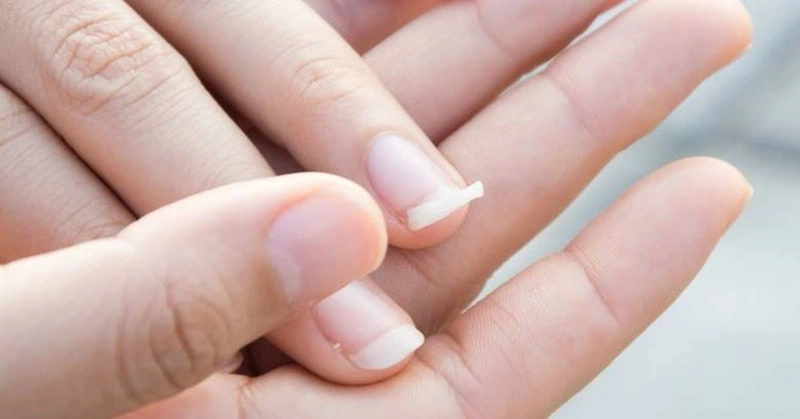
What Makes Nails Strong?
Your nails are made primarily of keratin, a tough structural protein that also forms your hair and the outer layer of your skin.
Healthy nail growth depends on many factors, including:
-
Good blood circulation
-
Adequate nutrition
-
Proper hydration
-
Hormonal balance
-
Healthy skin around the nails
When any of these factors are disrupted, nails may become weaker or more fragile.
1. Frequent Exposure to Water
One of the most common causes of brittle nails is repeated wetting and drying.
People who:
-
Wash their hands frequently
-
Wash dishes without gloves
-
Clean regularly
-
Swim often
may notice that their nails become:
-
Dry
-
Soft
-
Peeling
-
Easy to split
Repeated moisture exposure causes the nail to expand and contract, making it more likely to crack over time.
What Can Help?
-
Wear protective gloves while cleaning.
-
Dry your hands thoroughly.
-
Apply hand and cuticle moisturizer regularly.
2. Harsh Chemicals
Cleaning products, solvents, and nail cosmetics may weaken nails over time.
Repeated exposure to:
-
Detergents
-
Acetone-based nail polish removers
-
Industrial chemicals
can remove natural oils from the nails.
This often leads to:
-
Peeling
-
Splitting
-
Increased brittleness
Choosing gentler nail products and limiting unnecessary chemical exposure may help.-800x450.jpg)
3. Normal Aging
As we get older, nails naturally change.
Common age-related changes include:
-
Slower growth
-
Increased dryness
-
Mild thickening
-
Vertical ridges
-
Greater brittleness
These gradual changes are usually harmless and become more common after age 40 or 50.
4. Iron Deficiency
Iron helps produce healthy red blood cells, which deliver oxygen throughout the body.
Low iron levels may sometimes contribute to:
-
Brittle nails
-
Thin nails
-
Spoon-shaped nails (koilonychia)
-
Fatigue
-
Pale skin
-
Shortness of breath
If iron deficiency is suspected, a healthcare provider may recommend blood tests before suggesting treatment.
5. Thyroid Disorders
Both an underactive thyroid (hypothyroidism) and, less commonly, an overactive thyroid (hyperthyroidism) can affect nail health.
People with thyroid disorders may notice:
-
Brittle nails
-
Slow nail growth
-
Dry skin
-
Hair thinning
-
Fatigue
-
Changes in body weight
Because these symptoms overlap with many other conditions, proper medical evaluation is important.
6. Nutritional Deficiencies
Healthy nails require a variety of nutrients.
Inadequate intake of certain nutrients may contribute to weaker nails, including:
-
Protein
-
Iron
-
Zinc
-
Vitamin B12
-
Folate
True vitamin deficiencies are less common in people who eat a balanced diet, but they may occur in individuals with restrictive diets, digestive disorders, or certain medical conditions.
It's best to avoid taking supplements unless a deficiency has been confirmed or recommended by your healthcare provider.
7. Skin Conditions
Some skin disorders affect the nails as well as the skin.
Examples include:
-
Psoriasis
-
Eczema
-
Lichen planus
These conditions may cause:
-
Nail splitting
-
Pitting
-
Thickening
-
Separation from the nail bed
-
Irregular nail growth
Treating the underlying skin condition often improves nail health.
8. Fungal Nail Infections
Fungal infections are especially common in toenails.
Signs may include:
-
Thickened nails
-
Yellow or white discoloration
-
Crumbling edges
-
Brittle texture
-
Distorted nail shape
Unlike simple brittle nails caused by dryness, fungal infections usually require medical treatment.
9. Repeated Nail Trauma
Daily habits can gradually damage nails.
Common examples include:
-
Nail biting
-
Picking at cuticles
-
Using nails as tools
-
Tight-fitting shoes
-
Repetitive finger injuries
Protecting nails from repeated trauma can significantly improve their strength over time.
10. Certain Medical Conditions
Although less common, chronic brittle nails may sometimes occur with:
-
Diabetes
-
Peripheral vascular disease
-
Autoimmune disorders
-
Chronic kidney disease
Nails alone cannot diagnose these conditions, but persistent changes together with other symptoms should be evaluated.
Healthy Habits That Support Strong Nails
Simple daily habits can help maintain healthy nails.
Medical experts often recommend:
-
Eating a balanced diet rich in fruits, vegetables, whole grains, and lean protein.
-
Keeping nails trimmed.
-
Moisturizing hands and cuticles every day.
-
Wearing gloves during household chores.
-
Avoiding excessive use of harsh nail products.
-
Staying hydrated.
-
Not smoking.
These habits support both nail health and overall wellness.
Foods That Support Healthy Nails
A nutritious diet provides the building blocks needed for healthy nail growth.
Include foods rich in:
Protein
Examples:
-
Eggs
-
Fish
-
Chicken
-
Beans
-
Lentils
-
Greek yogurt
Iron
Sources include:
-
Lean red meat
-
Spinach
-
Lentils
-
Fortified cereals
Zinc
Found in:
-
Pumpkin seeds
-
Chickpeas
-
Shellfish
-
Beef
Biotin
Foods containing biotin include:
-
Eggs
-
Nuts
-
Seeds
-
Sweet potatoes
Although biotin supplements are often marketed for nail health, scientific evidence supporting their use in healthy individuals remains limited. Supplements should only be taken if recommended by a healthcare professional.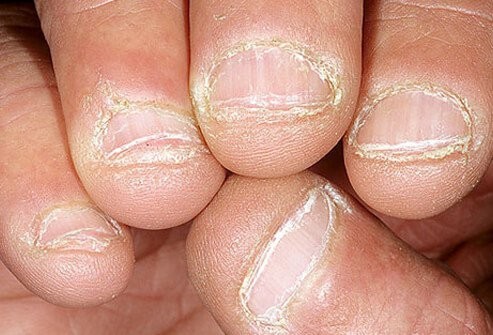
Common Myths About Brittle Nails
Myth 1: Weak Nails Always Mean Vitamin Deficiency
False.
Most brittle nails are caused by repeated water exposure, aging, or environmental factors rather than nutritional deficiencies.
Myth 2: Calcium Supplements Strengthen Nails
False.
Contrary to popular belief, brittle nails are usually not caused by a lack of calcium.
Myth 3: Nail Hardening Products Solve the Problem
Not always.
Some hardeners contain ingredients that may actually increase brittleness with long-term use.
Proper moisturizing and addressing the underlying cause are often more effective.
Myth 4: Splitting Nails Are Just Cosmetic
False.
While many cases are harmless, persistent splitting may occasionally indicate an underlying medical condition that deserves attention.
When Should You See a Doctor?
Arrange a medical evaluation if your nails:
-
Split or break despite good nail care.
-
Become thick, yellow, or crumbly.
-
Separate from the nail bed.
-
Develop dark streaks.
-
Become painful or swollen.
-
Show sudden or dramatic changes.
-
Are accompanied by fatigue, unexplained weight changes, hair loss, or other concerning symptoms.
A healthcare professional can determine whether additional testing is needed.
When Is It an Emergency?
Although brittle nails themselves are rarely an emergency, seek prompt medical care if you develop:
-
Severe finger infection.
-
Rapid swelling with intense pain.
-
Blue fingernails accompanied by difficulty breathing.
-
Serious nail injury with heavy bleeding.
These symptoms require immediate medical evaluation.
Final Thoughts
Weak or splitting nails are common and, in most cases, are caused by everyday factors such as frequent exposure to water, harsh chemicals, repeated minor trauma, or the natural aging process. With proper nail care, moisturizing, and a balanced diet, many people notice significant improvement over time.
However, persistent, worsening, or unusual nail changes should not be ignored. Brittle nails that occur alongside fatigue, hair loss, changes in skin texture, unexplained weight changes, or nail discoloration may sometimes point to an underlying condition such as iron deficiency, thyroid disease, a fungal infection, or a skin disorder.
Remember that your nails are only one part of the picture—they cannot diagnose a medical condition on their own. If your nails continue to split despite good care or develop new concerning changes, consult a healthcare professional or dermatologist for an accurate diagnosis and personalized treatment plan.