Using an electric kettle to boil water: 9 out of 10 households make this mistake, so remind your family members to correct it soon
5 common electric kettle mistakes that many households make every day.
⏱️ 1 min read 25/08/2026 17:55
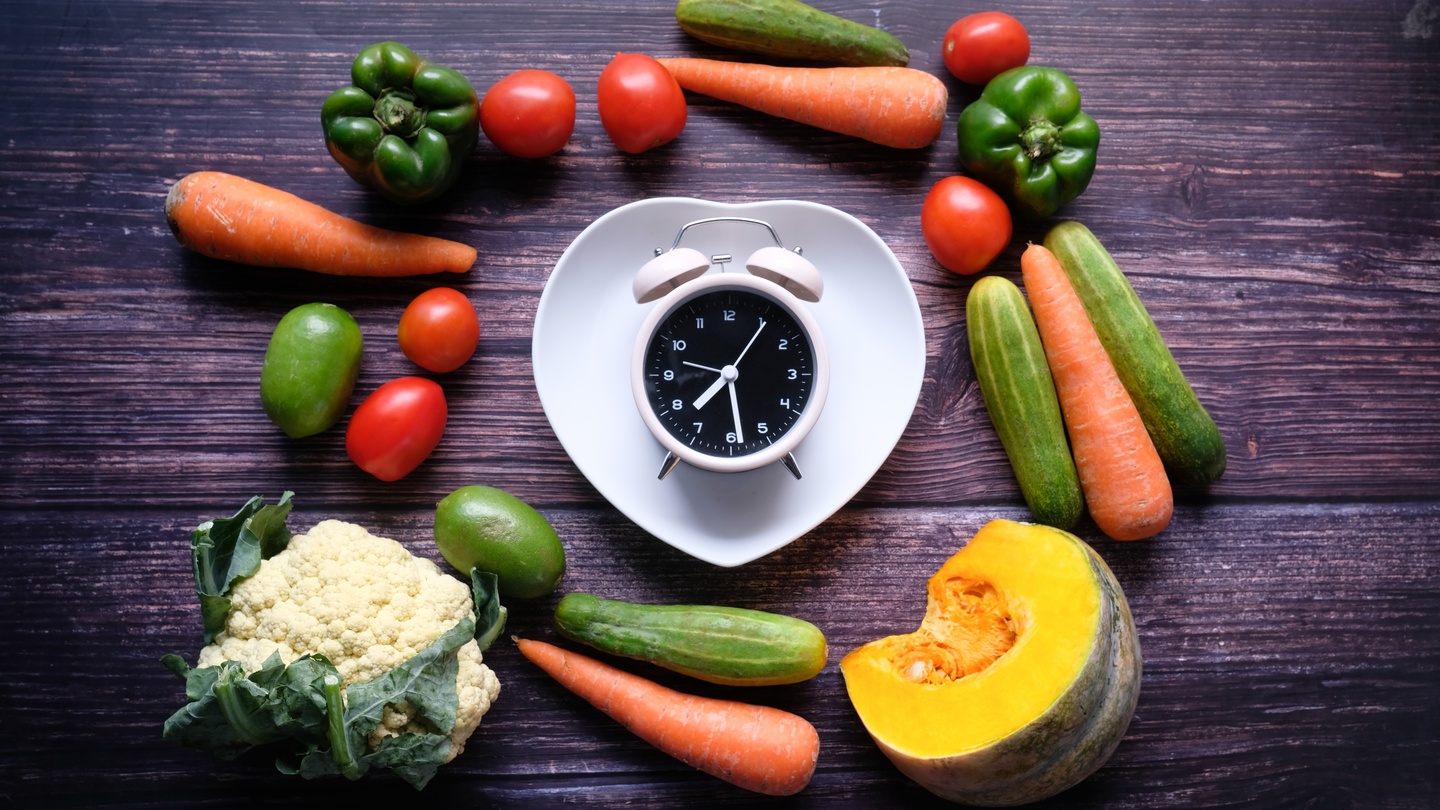
A good night's sleep is essential for your physical and mental health. While no single food can cure chronic insomnia, certain nutrient-rich foods may support healthy sleep by providing compounds involved in the production of melatonin and serotonin—two substances that help regulate your sleep-wake cycle.
Combined with good sleep habits, these foods may help you fall asleep more easily and improve sleep quality.
Here are 10 foods that may promote better sleep.
Kiwi is rich in antioxidants, vitamin C, and serotonin.
Some research suggests that eating kiwi about one hour before bedtime may help improve sleep quality and reduce the time it takes to fall asleep.
Tart cherries and tart cherry juice are one of the few natural food sources of melatonin.
Some studies have found that drinking tart cherry juice may help:
Increase sleep duration.
Improve sleep quality.
Support the body's natural sleep cycle.
Choose products without added sugar whenever possible.
Almonds provide:
Magnesium
Healthy fats
Plant protein
Magnesium plays an important role in muscle relaxation and normal nerve function, both of which support healthy sleep.
Walnuts contain:
Melatonin
Omega-3 fatty acids
Magnesium
These nutrients may help support the body's natural sleep rhythm when included as part of a balanced diet.
Bananas are rich in:
Potassium
Magnesium
Vitamin B6
These nutrients help support normal muscle function and contribute to the production of serotonin and melatonin.
Oats are a source of:
Complex carbohydrates
Melatonin
Magnesium
A small bowl of plain oatmeal in the evening may help promote feelings of relaxation and fullness before bedtime.
Fatty fish such as:
Salmon
Sardines
Mackerel
are rich in vitamin D and omega-3 fatty acids, nutrients that may support healthy serotonin production and overall sleep quality.
Although technically a beverage rather than a food, chamomile tea has long been used as a relaxing bedtime drink.
Chamomile contains natural plant compounds that may promote relaxation and support better sleep for some people.
Choose caffeine-free herbal tea in the evening.
Plain yogurt provides:
Calcium
Protein
Probiotics
Calcium helps the brain use tryptophan, an amino acid involved in the production of melatonin.
Choose plain or low-sugar varieties for the healthiest option.
Pumpkin seeds are packed with:
Magnesium
Zinc
Tryptophan
These nutrients may help support normal sleep regulation and muscle relaxation.
A small handful makes a nutritious evening snack.
To improve your chances of a restful night, try limiting these close to bedtime:
Coffee
Energy drinks
Black tea
Alcohol
Large, heavy meals
Spicy foods
Sugary desserts
Chocolate (contains caffeine and theobromine)
Eating late at night may also increase the risk of acid reflux, which can interfere with sleep.
Food is only one part of healthy sleep.
For the best results:
Keep a regular sleep schedule.
Aim for 7–9 hours of sleep each night.
Limit screen time for at least one hour before bed.
Keep your bedroom cool, quiet, and dark.
Exercise regularly, but avoid vigorous workouts close to bedtime.
Practice relaxation techniques if stress keeps you awake.
Occasional sleeplessness is common, but seek medical advice if:
Insomnia lasts longer than three months.
You regularly struggle to fall or stay asleep.
Daytime fatigue affects work or daily activities.
You snore loudly or stop breathing during sleep.
Sleep problems occur alongside anxiety, depression, or other health concerns.
Persistent insomnia may require medical evaluation and treatment.
Foods such as kiwi, tart cherries, almonds, walnuts, bananas, oatmeal, fatty fish, yogurt, pumpkin seeds, and chamomile tea may help support better sleep by providing nutrients involved in the body's natural sleep cycle.
While these foods are not a cure for insomnia, combining a balanced diet with healthy sleep habits can improve sleep quality over time. If sleep problems persist, consult a healthcare professional to identify and treat the underlying cause.
5 common electric kettle mistakes that many households make every day.
3 Easy Ways to Clean Yellowed Pillows and Restore Their Fresh Look
Buying Meat at the Supermarket? Check These 8 Signs of Freshness
Rare square waves may look beautiful, but they can signal danger.
You'll never look at an eyeglass case the same way again.
Why Road Safety Officials Are Focusing on Drivers Over 70
A Closer Look at the Claims Causing Concern Among Shoppers
Why You Should Never Leave Your Phone Charger Plugged In
The Tattoo Trend That Has Everyone Asking Questions
Smart Travel Tips for a Safe and Stress-Free Journey in 2026
Before You Grab a Knife to Remove Ice, Read This First
Green Onions vs. Scallions vs. Spring Onions vs. Chives: How Are They Different?
The Same Smile, 22 Years Apart
The Bus Was Finally Found — But...
One Marriage, Two Decades of Silence, and a Secret Finally Revealed
Tattoos have been used for centuries to express personal identity, commemorate milestones, or signal affiliations. Among the myriad of designs, minimalist tattoos often carry deep, hidden symbolism. One such symbol that has sparked widespread curiosity, u

Know what to do immediately after a snake bite to stay safe and avoid serious complications.

Eggshells Aren’t Just Waste: Discover Their Unexpected Uses

A heartbreaking farewell became an unforgettable moment of love and hope.

What Happened in This Courtroom Sparked a National Debate
Ways to Soothe a Cough and Support Clearer Breathing
🍳 What Happens When You Eat Eggs Every Morning? Doctors Explain…
❤️ Feeling Your Heartbeat While Lying Down? Here’s What It Could Mean…
A simple sleeping position may offer surprising benefits for your body.
Recognizing unusual symptoms early may help prompt timely medical care.
Most smartphone users overlook these surprisingly useful button shortcuts.
If You See This Type of Chicken, Doctors Advise You to Throw It Out Immediately
A simple intersection puzzle is challenging logic and road-rule knowledge.
Experts say daily food choices may play a key role in brain aging.
Could Lemon Water Help Blo:od Pressure? He Tried It for 2 Years and the Outcome Was Unexpected
New research raises concerns about a common compound found in breakfast staples.
🚨 9 Signs Your Blood Sugar May Be Trying to Tell You Something…
4 Early Warning Signs That Could Show Up Minutes Before a Stroke — Don’t Ignore Them
As one of the most nutrient-dense foods on the planet, salmon has long been celebrated by health experts and culinary enthusiasts alike. Beyond its rich flavor and versatility in the kitchen, this popular fatty fish offers an impressive array of health be
A simple photo sparked confusion online as thousands mistook a fence for a lake.
After 40, Your Nails Can Reveal Hidden Changes in Your Body—Don’t Ignore This
The Body Whispers First: Warning Signs of Breast Can.cer That May Appear a Year Before Diagnosis
A small purple butterfly carries a message of love, loss, and compassion.