What You Choose May Reveal Hidden Aspects of Your Personality
⏱️ 1 min read 26/08/2026 14:15
A snake bite can happen unexpectedly while hiking, gardening, farming, or even walking near your home. While not every snake is venomous, it is often impossible to know immediately whether a bite is dangerous. That's why health experts recommend treating every snake bite as a medical emergency until proven otherwise.
Knowing what to do—and what not to do—during the first few minutes after a bite may help reduce complications and improve the chances of a full recovery.
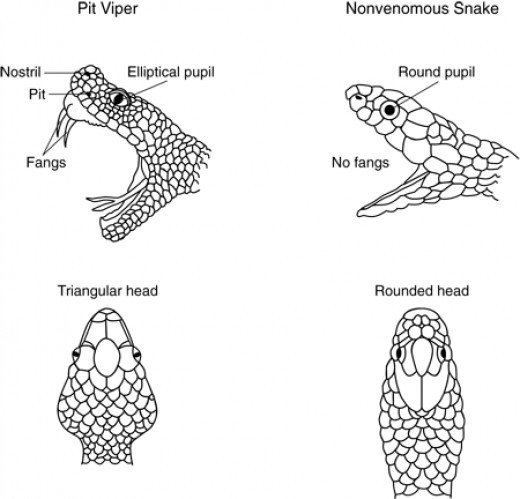
Many people assume that if pain is mild or symptoms are absent, there is no danger. However, venom from certain snakes can take time to produce noticeable effects. In some cases, symptoms may not appear for several hours.
Venomous snake bites can affect the body in different ways. Some toxins attack the nervous system, leading to muscle weakness, drooping eyelids, difficulty swallowing, or breathing problems. Others interfere with blood clotting, causing unusual bleeding or bruising. Certain venoms can also damage tissue around the bite site, leading to severe swelling and pain.
Because it is difficult to identify a snake accurately during a stressful situation, experts advise seeking medical attention immediately after any snake bite.
The first priority is safety.
Many victims suffer additional bites because they attempt to catch, kill, or photograph the snake. Instead, calmly move away from the area and put a safe distance between yourself and the animal.
Do not attempt to handle the snake, even if it appears injured or dead.
Panic can increase heart rate and blood circulation, which may allow venom to spread more quickly through the body.
Although remaining calm after a snake bite is easier said than done, slow breathing and limiting unnecessary movement can help. Focus on staying still while waiting for assistance.
Prompt medical evaluation is essential.
When contacting emergency services, try to provide:
The sooner healthcare professionals are informed, the faster appropriate treatment can begin.
Movement may accelerate the spread of venom.
If the bite is on an arm or leg, keep the limb as still as possible. Support it comfortably and avoid unnecessary walking or physical activity. Healthcare providers often recommend keeping the affected area near or slightly below heart level until medical help arrives.
Swelling can develop rapidly after a snake bite.
Remove:
Removing these items early can help prevent circulation problems if swelling becomes severe.
Watch for signs that may indicate a serious reaction.
If symptoms worsen, inform emergency personnel immediately.
Many traditional remedies have been passed down for generations, but some can actually increase the risk of complications.
One common myth suggests cutting the wound to remove venom. Medical experts strongly advise against this practice because it can cause additional tissue damage, bleeding, and infection.
Movies and television often portray people sucking venom from a bite wound. Research has shown this method is ineffective and may introduce bacteria into the wound.
Applying ice may seem logical, but it can reduce blood flow and potentially worsen tissue injury.
Tourniquets can restrict circulation and increase the risk of nerve damage, tissue death, and other serious complications.
Alcohol can interfere with judgment and may complicate medical treatment. It should be avoided after a snake bite.
Herbal treatments, chemical applications, burning the wound, or other folk remedies are not supported by scientific evidence and may delay proper care.

If it can be done safely, noting the snake's appearance may help healthcare professionals.
Try to remember:
A photograph taken from a safe distance may also be useful. However, never risk another bite by approaching, chasing, or attempting to capture the snake.
Medical professionals will evaluate the severity of the bite and monitor for signs of envenomation.
Treatment may include:
Antivenom is specifically designed to neutralize venom and can be lifesaving when administered promptly.
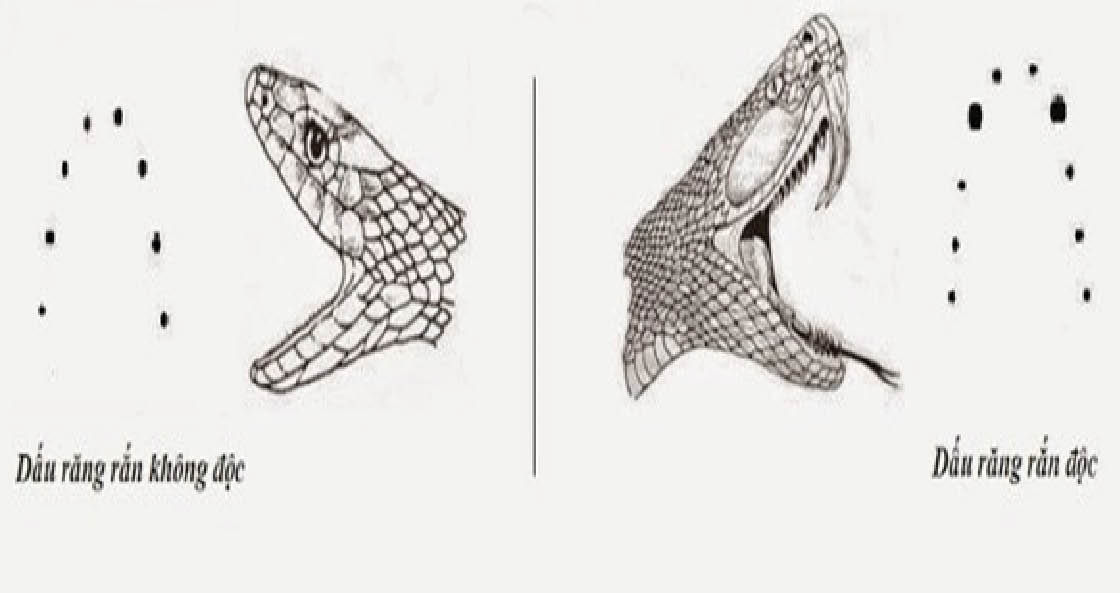
Prevention is always the best defense.
Experts recommend:
A snake bite should never be ignored. The most important actions are to move away from the snake, remain calm, limit movement, remove tight items, and seek emergency medical care as quickly as possible.
Equally important is knowing what not to do. Cutting the wound, sucking out venom, applying ice, using a tourniquet, or relying on home remedies can make the situation worse.
Fast, appropriate medical treatment remains the safest and most effective response. Understanding these simple first-aid steps could make a critical difference when every minute counts.
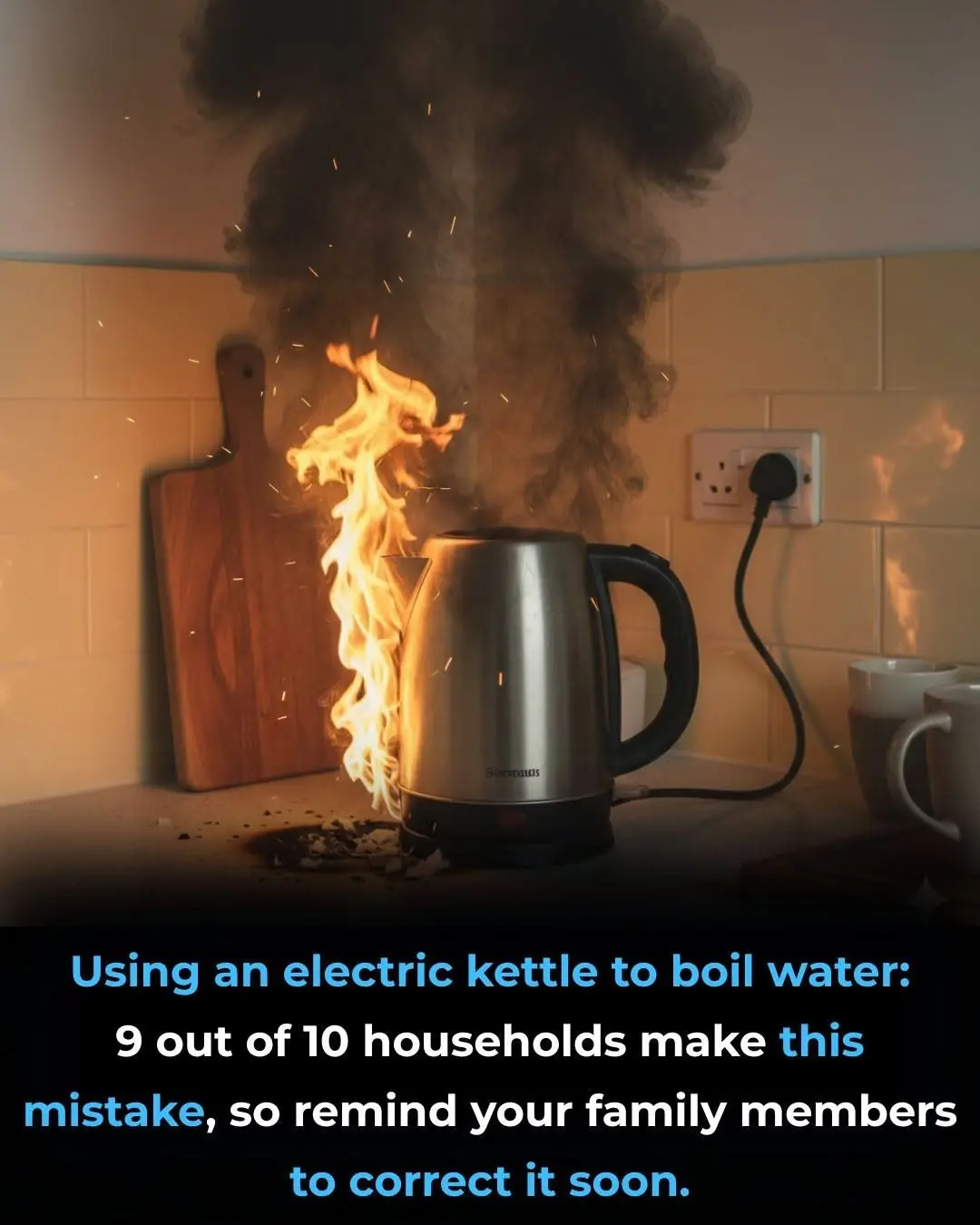
5 common electric kettle mistakes that many households make every day.
3 Easy Ways to Clean Yellowed Pillows and Restore Their Fresh Look
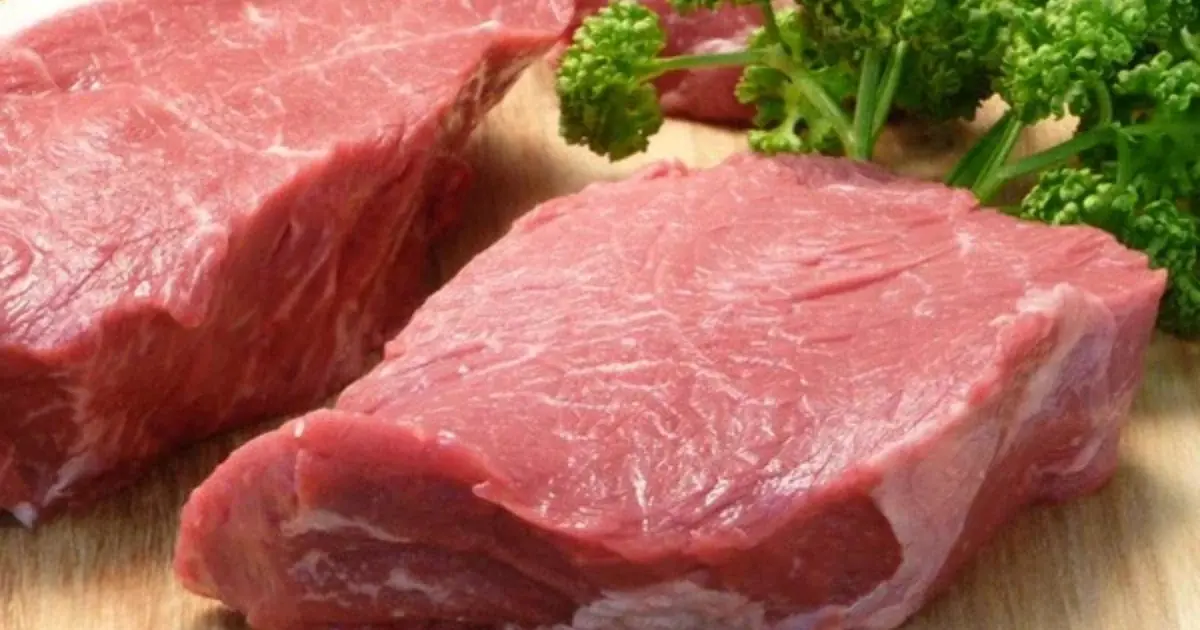
Buying Meat at the Supermarket? Check These 8 Signs of Freshness
Rare square waves may look beautiful, but they can signal danger.
You'll never look at an eyeglass case the same way again.
Why Road Safety Officials Are Focusing on Drivers Over 70
A Closer Look at the Claims Causing Concern Among Shoppers
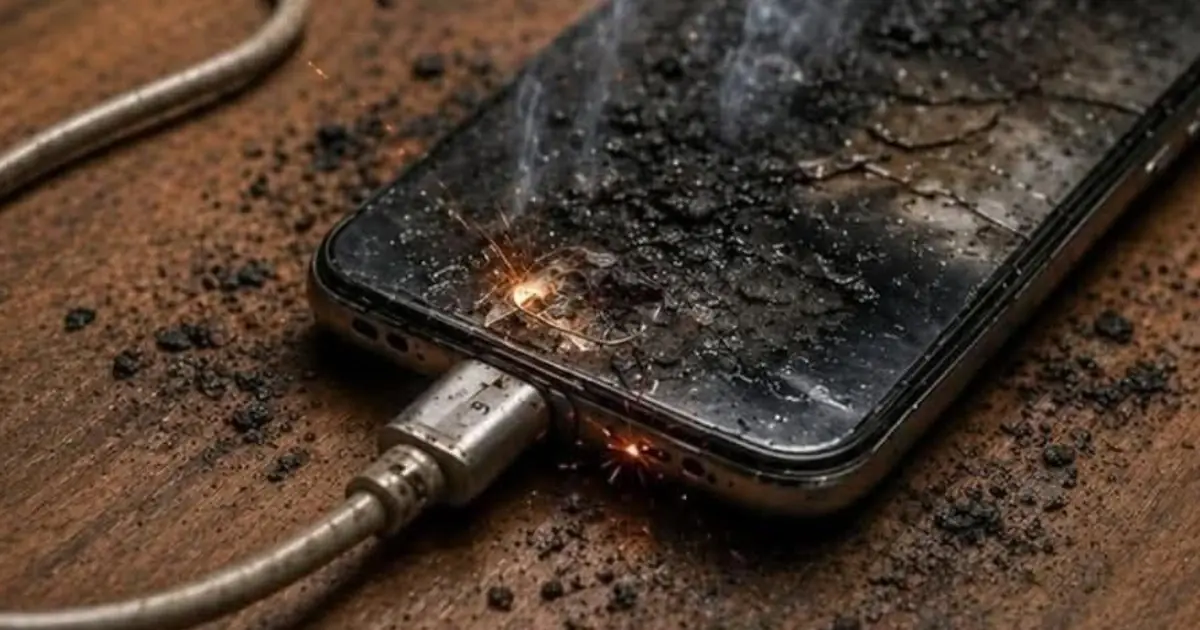
Why You Should Never Leave Your Phone Charger Plugged In
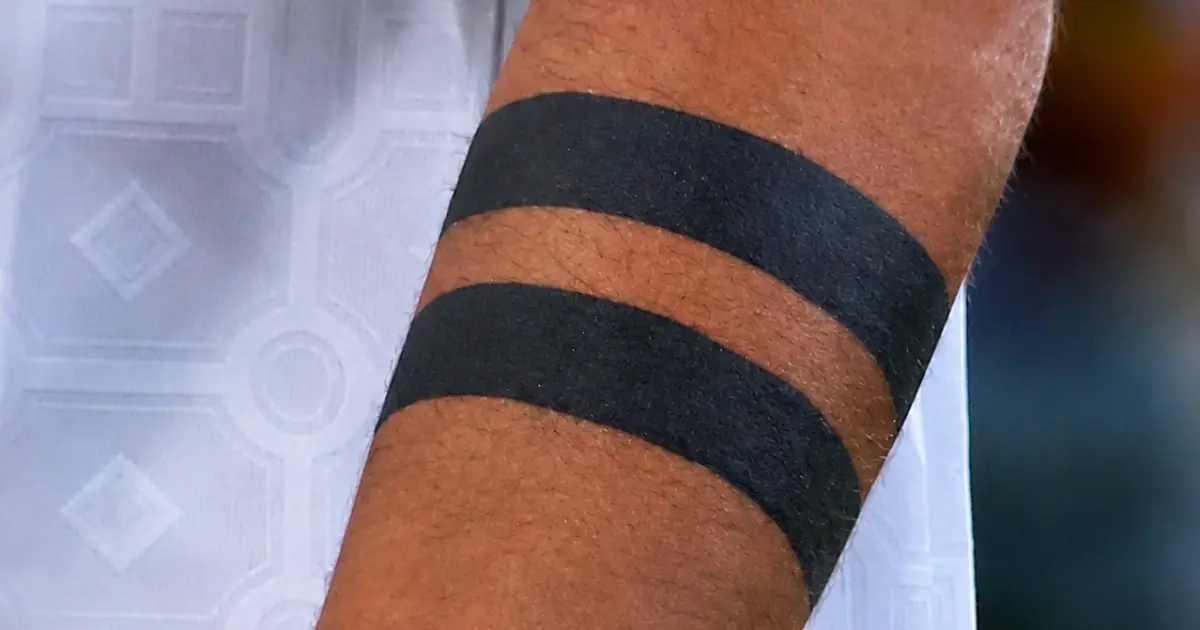
The Tattoo Trend That Has Everyone Asking Questions
Smart Travel Tips for a Safe and Stress-Free Journey in 2026
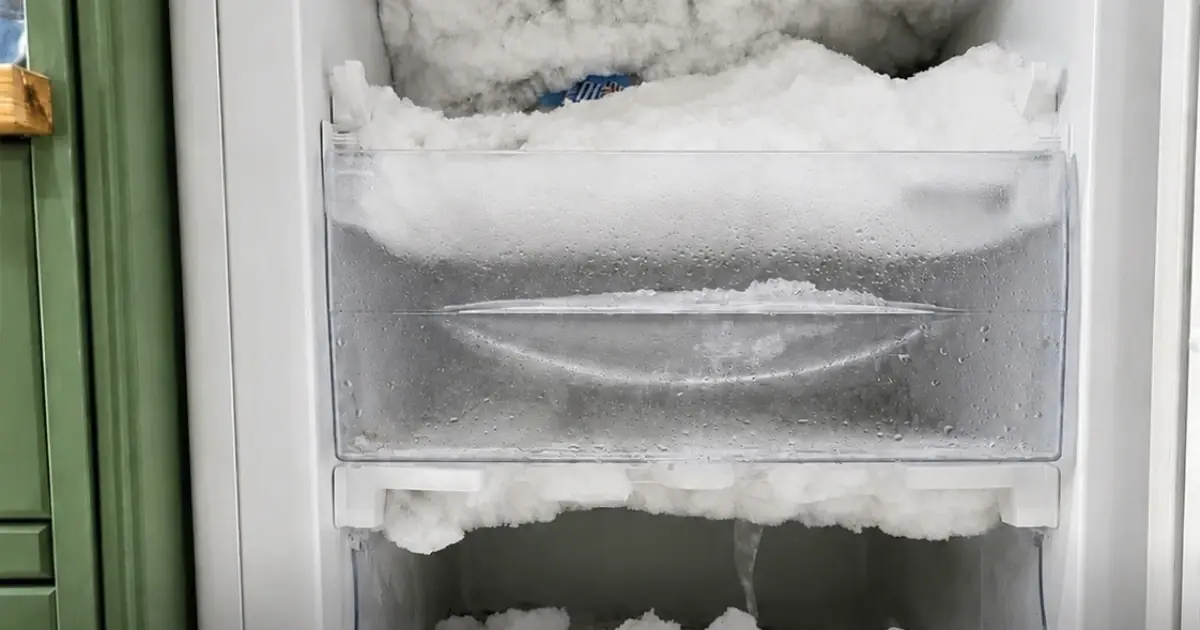
Before You Grab a Knife to Remove Ice, Read This First
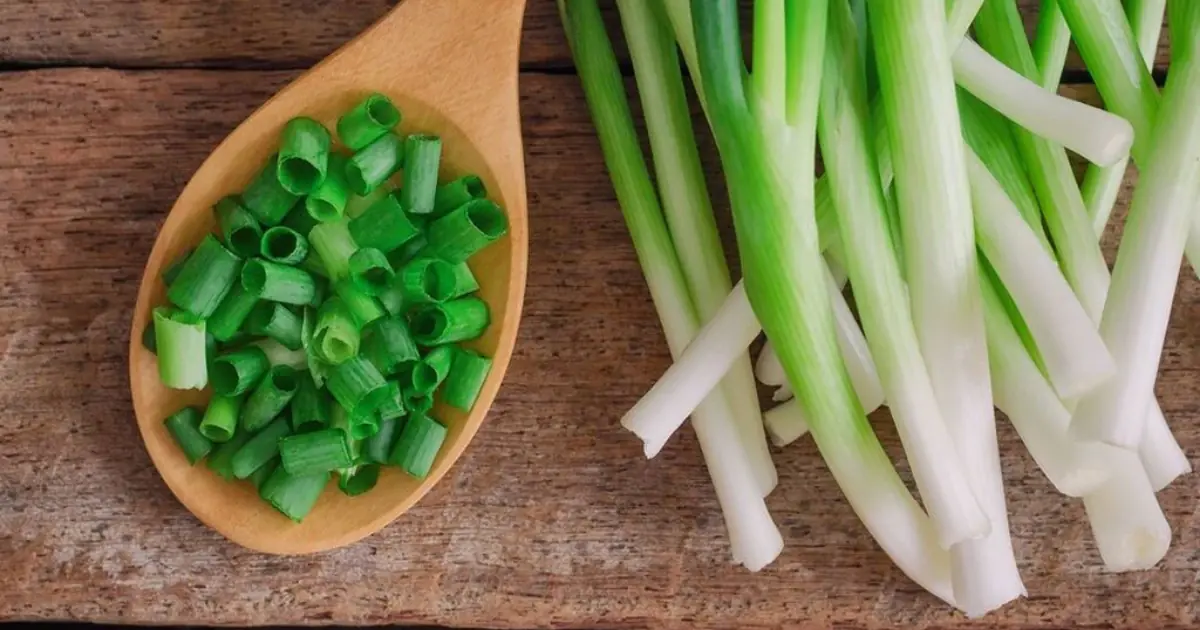
Green Onions vs. Scallions vs. Spring Onions vs. Chives: How Are They Different?
The Same Smile, 22 Years Apart
The Bus Was Finally Found — But...
One Marriage, Two Decades of Silence, and a Secret Finally Revealed
Tattoos have been used for centuries to express personal identity, commemorate milestones, or signal affiliations. Among the myriad of designs, minimalist tattoos often carry deep, hidden symbolism. One such symbol that has sparked widespread curiosity, u
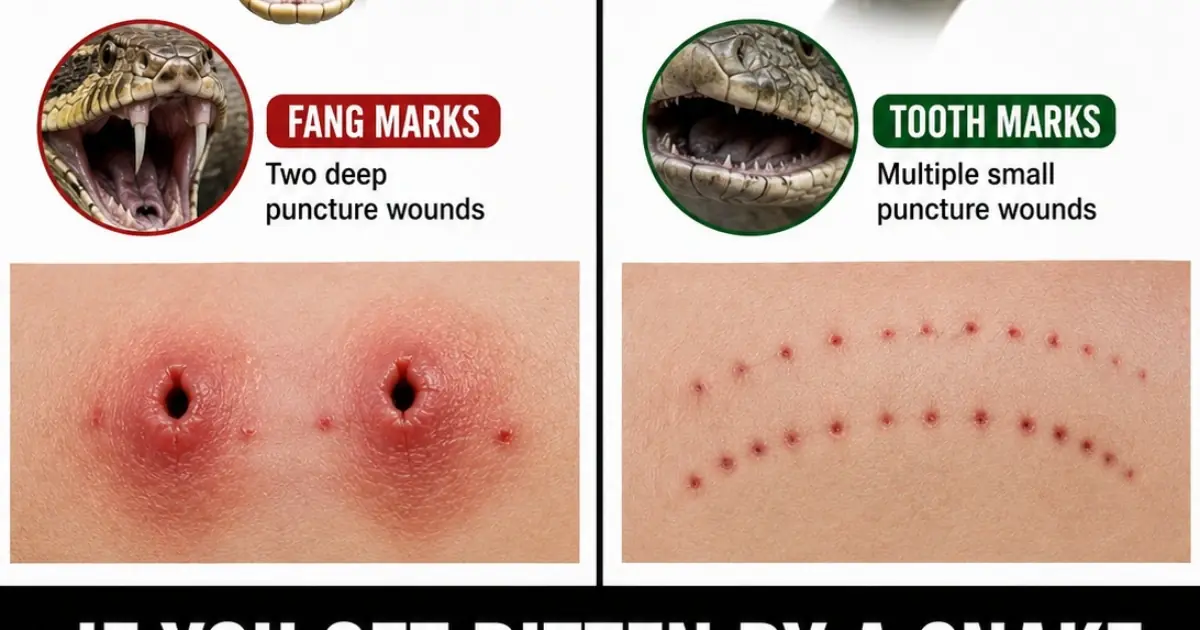
Know what to do immediately after a snake bite to stay safe and avoid serious complications.
Eggshells Aren’t Just Waste: Discover Their Unexpected Uses
A heartbreaking farewell became an unforgettable moment of love and hope.
Ways to Soothe a Cough and Support Clearer Breathing
🍳 What Happens When You Eat Eggs Every Morning? Doctors Explain…
❤️ Feeling Your Heartbeat While Lying Down? Here’s What It Could Mean…
A simple sleeping position may offer surprising benefits for your body.
Recognizing unusual symptoms early may help prompt timely medical care.
Most smartphone users overlook these surprisingly useful button shortcuts.
If You See This Type of Chicken, Doctors Advise You to Throw It Out Immediately
A simple intersection puzzle is challenging logic and road-rule knowledge.
Experts say daily food choices may play a key role in brain aging.
Could Lemon Water Help Blo:od Pressure? He Tried It for 2 Years and the Outcome Was Unexpected
New research raises concerns about a common compound found in breakfast staples.
🚨 9 Signs Your Blood Sugar May Be Trying to Tell You Something…
4 Early Warning Signs That Could Show Up Minutes Before a Stroke — Don’t Ignore Them
As one of the most nutrient-dense foods on the planet, salmon has long been celebrated by health experts and culinary enthusiasts alike. Beyond its rich flavor and versatility in the kitchen, this popular fatty fish offers an impressive array of health be
A simple photo sparked confusion online as thousands mistook a fence for a lake.
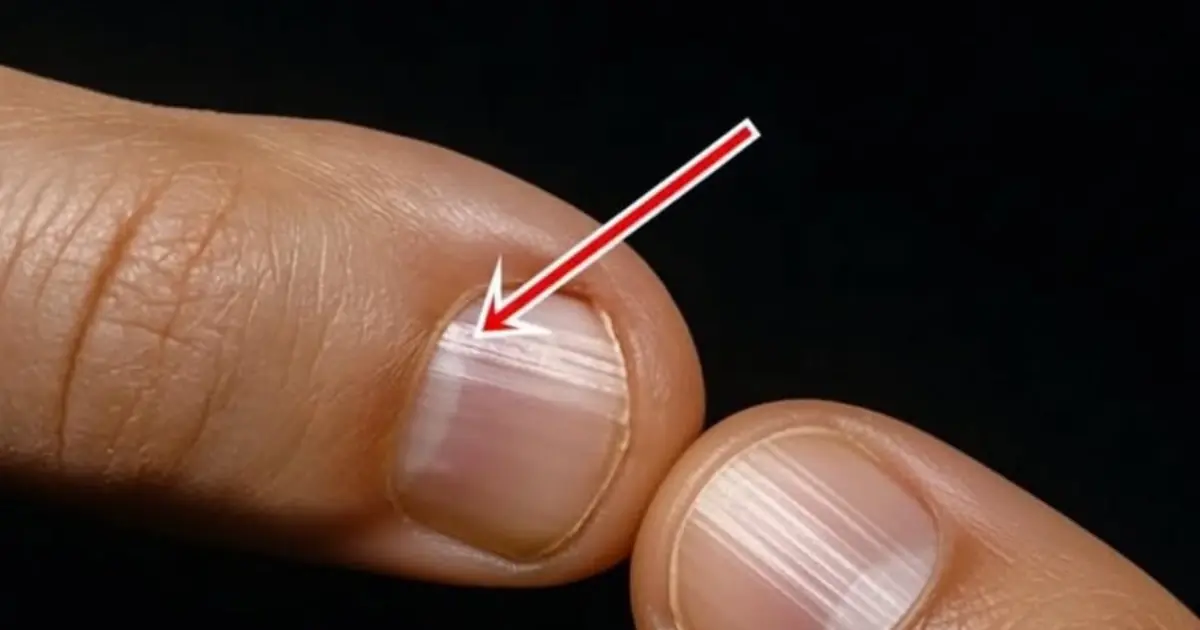
After 40, Your Nails Can Reveal Hidden Changes in Your Body—Don’t Ignore This