Have you ever finished a meal and suddenly felt the urge to use the bathroom? If so, you're not alone. Many people notice that eating seems to trigger a bowel movement, and in most cases, this is a completely normal digestive response.
Contrary to what many people believe, the food you just ate is not passing through your digestive system within minutes. Instead, the sensation is usually caused by a natural process called the gastrocolic reflex. This reflex stimulates movement in the colon after food enters the stomach, helping move waste that is already in the intestines.
While this response is normal, a very strong or persistent urge to have a bowel movement after every meal - especially when accompanied by diarrhea, pain, or other symptoms may sometimes indicate an underlying digestive condition.
Here's what you should know.

What Is the Gastrocolic Reflex?
The gastrocolic reflex is a normal physiological response that occurs when food stretches the stomach after a meal.
This sends signals through the nervous system and digestive hormones that encourage the colon to contract.
As a result:
-
Waste already present in the colon moves toward the rectum.
-
You may feel the urge to have a bowel movement.
-
The meal you just ate is not immediately leaving your body.
This reflex is part of healthy digestion and helps regulate bowel movements.
Why Is the Urge Stronger After Some Meals?
Certain foods and eating habits may stimulate the gastrocolic reflex more strongly.
Examples include:
-
Large meals
-
High-fat foods
-
Coffee and other caffeinated beverages
-
Very spicy foods
-
Alcohol in some people
Individual responses vary, and not everyone reacts the same way.
1. A Large Meal
Eating a large meal stretches the stomach more than a small meal.
Greater stomach stretching may trigger stronger signals to the colon, making the urge to have a bowel movement more noticeable.
If this happens frequently, eating smaller, more balanced meals throughout the day may help.
2. Coffee
Many people notice they need the bathroom shortly after drinking coffee.
Coffee may stimulate bowel activity through several mechanisms, including:
-
Increasing colon contractions
-
Stimulating digestive hormones
-
Its caffeine content (although even decaffeinated coffee may have a similar effect in some people)
This response varies widely between individuals.
3. Fatty Foods
Meals high in fat can slow stomach emptying but may also stimulate digestive hormones that influence bowel activity.
Some people notice increased urgency after eating foods such as:
-
Fried foods
-
Fast food
-
Creamy sauces
-
Rich desserts
Choosing healthier fats in moderate portions may improve digestive comfort.
4. Irritable Bowel Syndrome (IBS)
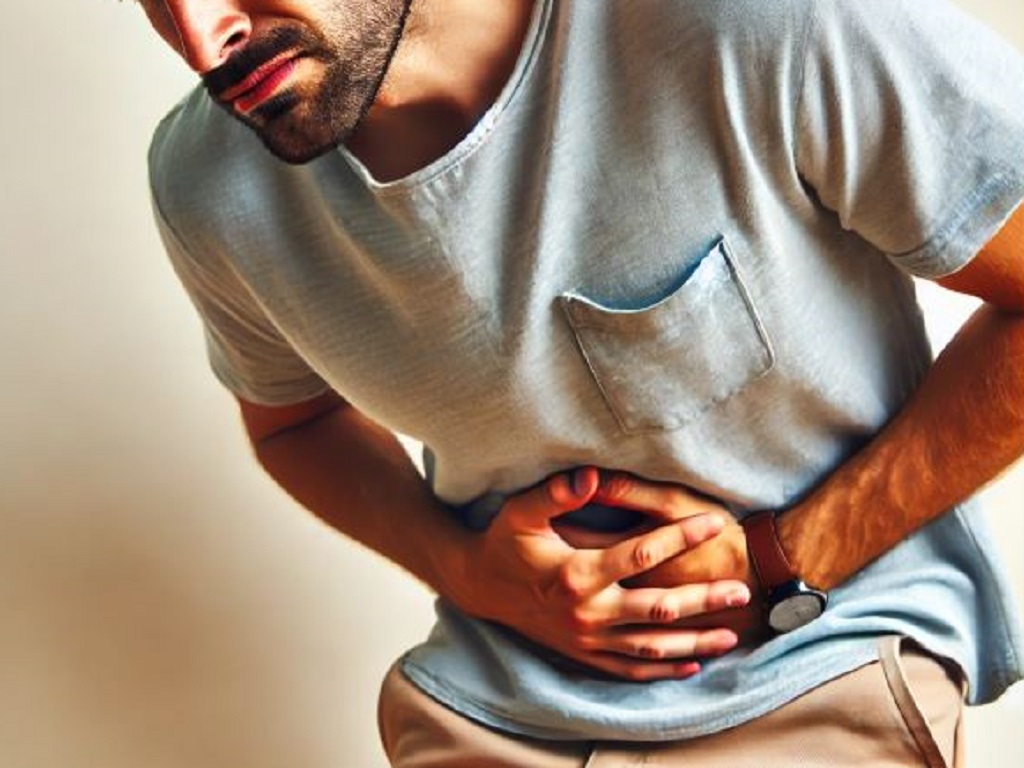
People with irritable bowel syndrome (IBS) often have a more sensitive digestive tract.
Symptoms may include:
-
Abdominal pain
-
Bloating
-
Diarrhea
-
Constipation
-
Urgency after meals
Many individuals with IBS notice that eating triggers bowel symptoms more quickly than usual.
A healthcare professional can help determine whether IBS or another condition is responsible.
5. Food Intolerances
Certain foods may trigger digestive symptoms in susceptible individuals.
Common examples include:
-
Lactose intolerance
-
Fructose malabsorption
-
Sensitivity to certain artificial sweeteners
-
Foods high in FODMAP carbohydrates
Keeping a food diary may help identify personal triggers.
6. Stress and Anxiety
The brain and digestive system communicate closely through the gut-brain axis.
Stress and anxiety can influence:
-
Gut motility
-
Digestive hormones
-
Bowel habits
Some people notice increased urgency before important events or during stressful periods.
Stress management techniques may help reduce symptoms.
Is It Normal?
For many people, yes.
It is generally considered normal if:
-
The urge occurs occasionally.
-
Stools are well formed.
-
There is no significant pain.
-
There are no other concerning symptoms.
However, frequent urgency accompanied by diarrhea, bleeding, weight loss, or severe pain should be evaluated.
When Should You See a Healthcare Professional?
Seek medical advice if you experience:
-
Blood in the stool
-
Persistent diarrhea
-
Severe abdominal pain
-
Unexplained weight loss
-
Fever
-
Nighttime bowel movements that wake you from sleep
-
Symptoms lasting several weeks
These symptoms may indicate conditions that require further evaluation.
Healthy Habits That Support Digestion
Simple daily habits can help maintain healthy bowel function.
Eat Enough Fiber
Fiber supports regular bowel movements.
Good sources include:
-
Fruits
-
Vegetables
-
Beans
-
Lentils
-
Whole grains
-
Oats
Increase fiber gradually while drinking plenty of water.
Stay Hydrated
Water helps keep stools soft and supports normal digestion.
Aim to drink fluids regularly throughout the day.
Exercise Regularly
Physical activity stimulates healthy bowel function.
Even moderate daily exercise can benefit digestive health.
Eat at Regular Times
A consistent eating schedule may help regulate digestive rhythms.
Skipping meals followed by very large meals may increase digestive discomfort.
Manage Stress
Helpful strategies include:
-
Deep breathing
-
Walking
-
Meditation
-
Yoga
-
Adequate sleep
Mental well-being plays an important role in digestive health.
Common Myths About Bowel Movements After Eating
Myth: The food you just ate is leaving your body immediately.
Fact: Digestion takes many hours. The bowel movement after eating usually consists of waste already present in the colon.
Myth: Needing to poop after every meal always means disease.
Fact: A strong gastrocolic reflex can be completely normal in some individuals.
Myth: Everyone should have one bowel movement every day.
Fact: Normal bowel habits vary. Some healthy people have bowel movements several times a day, while others go every other day.
Myth: Holding in a bowel movement is harmless.
Fact: Frequently ignoring the urge may contribute to constipation in some people.
What Foods May Promote Healthy Digestion?
A balanced diet supports normal bowel function.
Consider including:
-
Whole grains
-
Fresh fruits
-
Vegetables
-
Yogurt with live cultures
-
Legumes
-
Nuts
-
Seeds
Limiting highly processed foods may also improve digestive comfort for some people.

The Bottom Line
Feeling the urge to have a bowel movement shortly after eating is often a normal response caused by the gastrocolic reflex, a natural process that stimulates the colon when food enters the stomach. In most cases, this is not a sign that the meal you just ate has moved quickly through your digestive system.
However, if bowel urgency occurs after every meal and is accompanied by symptoms such as diarrhea, severe abdominal pain, blood in the stool, unexplained weight loss, or persistent changes in bowel habits, it is important to seek medical evaluation. Paying attention to your body's signals, maintaining a balanced diet, staying hydrated, exercising regularly, and managing stress can all contribute to healthy digestion and overall well-being.