Waking up in the middle of the night with a dry, sticky mouth can be uncomfortable. For some people, it happens only occasionally after sleeping in a warm room or not drinking enough water. For others, it becomes a nightly problem that affects sleep quality, oral health, and overall well-being.
Dry mouth, also known as xerostomia, occurs when the salivary glands do not produce enough saliva or when the mouth becomes dry for other reasons. Saliva plays a vital role in protecting your teeth, aiding digestion, controlling bacteria, and keeping the mouth comfortable.
The good news is that nighttime dry mouth is often caused by common and treatable factors, such as mouth breathing or certain medications. However, if it persists, it may be worth discussing with a healthcare professional or dentist.
Here are eight possible causes of dry mouth while sleeping and what you can do about them.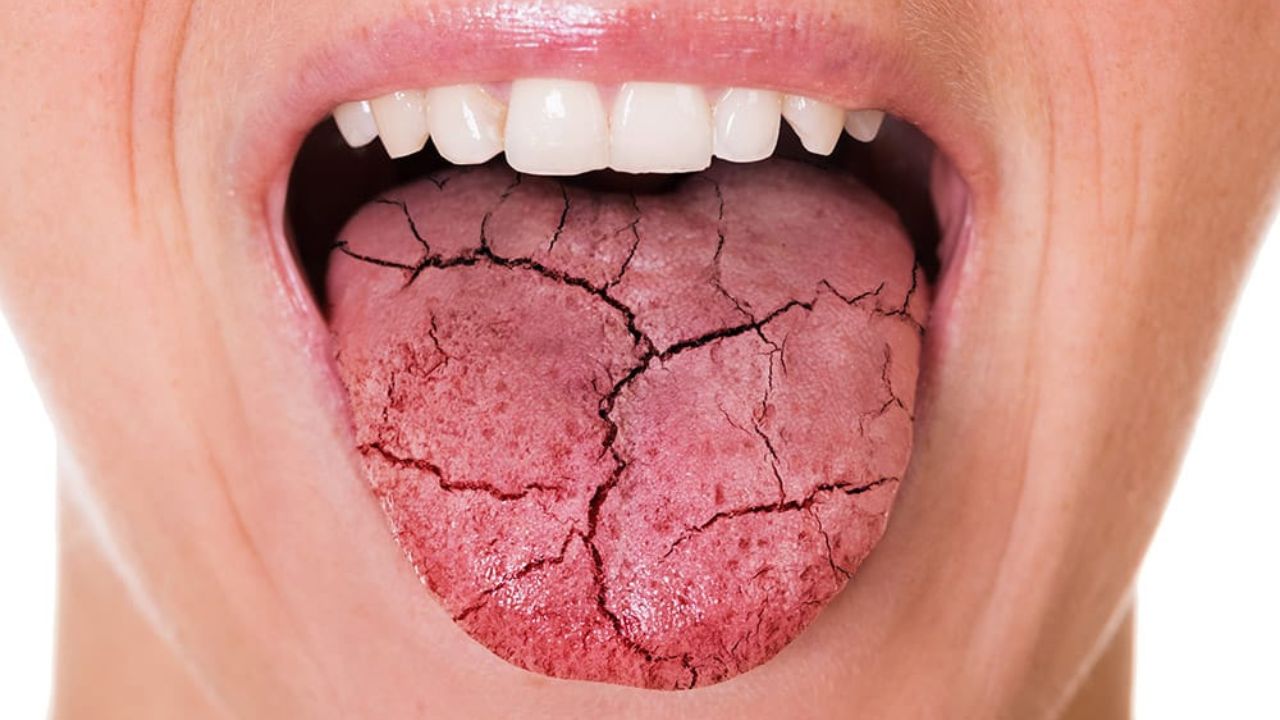
Why Is Saliva So Important?
Many people don't think much about saliva until they experience dry mouth.
Saliva helps:
-
Keep the mouth moist.
-
Wash away food particles.
-
Neutralize acids produced by bacteria.
-
Protect against tooth decay.
-
Support healthy gums.
-
Aid swallowing and digestion.
-
Improve taste.
When saliva production decreases, the risk of dental problems and oral discomfort increases.
1. Mouth Breathing During Sleep
One of the most common reasons for waking up with a dry mouth is sleeping with your mouth open.
Mouth breathing may occur because of:
-
Nasal congestion.
-
Allergies.
-
A deviated nasal septum.
-
Enlarged tonsils.
-
Habitual mouth breathing.
Because air constantly passes over the tissues inside the mouth, moisture evaporates more quickly.
What May Help
-
Treat nasal congestion.
-
Sleep on your side if appropriate.
-
Use saline nasal sprays if recommended.
-
Discuss persistent breathing problems with your healthcare provider.
2. Dehydration
Not drinking enough fluids throughout the day can contribute to nighttime dry mouth.
Dehydration may occur because of:
-
Hot weather.
-
Heavy exercise.
-
Fever.
-
Vomiting or diarrhea.
-
Excessive sweating.
Common signs of dehydration include:
-
Dark-colored urine.
-
Increased thirst.
-
Dry lips.
-
Fatigue.
-
Headache.
What May Help
Drink enough water throughout the day and replace fluids lost during exercise or illness.
3. Side Effects of Medications
Many prescription and over-the-counter medications can reduce saliva production.
Common examples include certain:
-
Antihistamines.
-
Antidepressants.
-
Blood pressure medications.
-
Decongestants.
-
Muscle relaxants.
-
Medications for overactive bladder.
Never stop taking a prescribed medication without speaking with your healthcare provider.
If dry mouth becomes bothersome, your doctor may be able to recommend alternatives or strategies to reduce symptoms.
4. Snoring or Obstructive Sleep Apnea
People who snore or have obstructive sleep apnea (OSA) frequently breathe through their mouths while sleeping.
Other symptoms of OSA may include:
-
Loud snoring.
-
Pauses in breathing during sleep.
-
Gasping or choking during the night.
-
Morning headaches.
-
Excessive daytime sleepiness.
-
Difficulty concentrating.
Because untreated sleep apnea can increase the risk of high blood pressure, heart disease, and other health problems, persistent symptoms deserve medical evaluation.
5. Dry Indoor Air
Sleeping in a room with very dry air—especially during winter or when using air conditioning or heating—can increase moisture loss from the mouth and airways.
This may make dry mouth worse, particularly if you also breathe through your mouth.
What May Help
-
Consider using a humidifier if indoor air is very dry.
-
Keep your bedroom comfortably cool rather than overly warm.
-
Stay well hydrated.
6. Smoking or Tobacco Use
Smoking and other forms of tobacco use may contribute to dry mouth by:
-
Irritating the salivary glands.
-
Reducing saliva production.
-
Increasing inflammation inside the mouth.
Smoking also increases the risk of:
-
Gum disease.
-
Tooth loss.
-
Oral infections.
-
Oral cancer.
Quitting tobacco benefits both oral health and overall health.
7. Certain Medical Conditions
Several medical conditions may contribute to chronic dry mouth.
Examples include:
-
Diabetes.
-
Sjögren's syndrome.
-
Parkinson's disease.
-
Alzheimer's disease.
-
Certain autoimmune disorders.
-
Stroke.
Dry mouth alone does not diagnose any of these conditions, but persistent symptoms together with other health changes should be evaluated.
8. Aging
Many older adults notice that dry mouth becomes more common with age.
Age itself may play a role, but the increase is often related to:
-
Taking multiple medications.
-
Chronic health conditions.
-
Reduced fluid intake.
-
Natural changes in oral health.
Not everyone develops dry mouth as they age, and persistent symptoms should not simply be dismissed as a normal part of getting older.
Symptoms That Often Occur Along With Dry Mouth
In addition to waking with a dry mouth, you may notice:
-
Sticky saliva.
-
Dry or cracked lips.
-
A rough tongue.
-
Difficulty swallowing dry foods.
-
Bad breath.
-
Hoarseness.
-
Sore throat upon waking.
-
Changes in taste.
-
Increased thirst during the night.
If these symptoms continue for several weeks, it's worth discussing them with a healthcare professional.
Why Persistent Dry Mouth Shouldn't Be Ignored
Saliva protects your mouth in many important ways.
Without enough saliva, you may have a higher risk of:
-
Cavities.
-
Gum disease.
-
Oral yeast infections (thrush).
-
Difficulty chewing and swallowing.
-
Problems wearing dentures.
-
Chronic bad breath.
Addressing the underlying cause can often improve both comfort and oral health.
Simple Ways to Reduce Nighttime Dry Mouth
Many people find relief by making small lifestyle changes.
These include:
-
Drinking enough water throughout the day.
-
Limiting alcohol before bedtime.
-
Avoiding tobacco products.
-
Reducing caffeine if it worsens symptoms.
-
Sleeping with your nose clear whenever possible.
-
Using a humidifier if indoor air is dry.
-
Chewing sugar-free gum during the day to stimulate saliva production (if appropriate).
-
Maintaining good oral hygiene.
Some people may also benefit from saliva substitutes or moisturizing mouth rinses recommended by a dentist or healthcare provider.
Common Myths About Dry Mouth
Myth 1: Dry Mouth Is Always Caused by Dehydration
False.
Although dehydration is a common cause, medications, mouth breathing, sleep apnea, and several medical conditions can also contribute.
Myth 2: It's Normal to Wake Up With a Dry Mouth Every Day
False.
Occasional dry mouth is common, but persistent symptoms deserve evaluation to identify any treatable causes.
Myth 3: Dry Mouth Is Only an Annoyance
False.
Long-term dry mouth may increase the risk of tooth decay, gum disease, oral infections, and difficulty eating or speaking comfortably.
When Should You See a Doctor or Dentist?
Schedule an appointment if:
-
Dry mouth occurs most nights.
-
Symptoms persist for several weeks.
-
You have frequent cavities.
-
You develop mouth sores.
-
Swallowing becomes difficult.
-
You snore heavily or stop breathing during sleep.
-
You have excessive thirst or frequent urination.
-
Dry mouth interferes with eating, speaking, or sleeping.
A healthcare professional can determine whether additional testing or treatment is needed.
When Is It an Emergency?
Seek immediate medical care if dry mouth occurs together with:
-
Severe difficulty breathing.
-
Swelling of the tongue or throat.
-
Signs of a severe allergic reaction.
-
Inability to swallow saliva.
These symptoms require urgent medical attention.
Final Thoughts
Waking up with a dry mouth from time to time is usually not a cause for alarm. Common factors such as mouth breathing, mild dehydration, dry indoor air, or certain medications are often responsible and can frequently be improved with simple lifestyle changes or adjustments to your treatment plan.
However, persistent nighttime dry mouth should not be ignored, especially if it is accompanied by loud snoring, pauses in breathing during sleep, frequent cavities, mouth sores, excessive thirst, or difficulty swallowing. In some cases, it may point to an underlying condition such as obstructive sleep apnea, diabetes, or an autoimmune disorder that requires medical attention.
By identifying the underlying cause and taking steps to protect your oral health, most people can significantly reduce nighttime dry mouth and improve both their sleep quality and overall well-being.