Weak or Splitting Nails? Here's What Medical Experts Want You to Know
Doctors Explain What Weak or Brittle Nails May Be Trying to Tell You
Health 17/07/2026 11:02
Potatoes are one of the world's most popular foods, yet they're also one of the most misunderstood. Some people avoid them because they believe potatoes always cause weight gain or blood sugar spikes, while others consider them a healthy staple.
So, what's the truth?
According to nutrition experts, potatoes can be part of a healthy diet—but how you prepare and eat them makes all the difference.
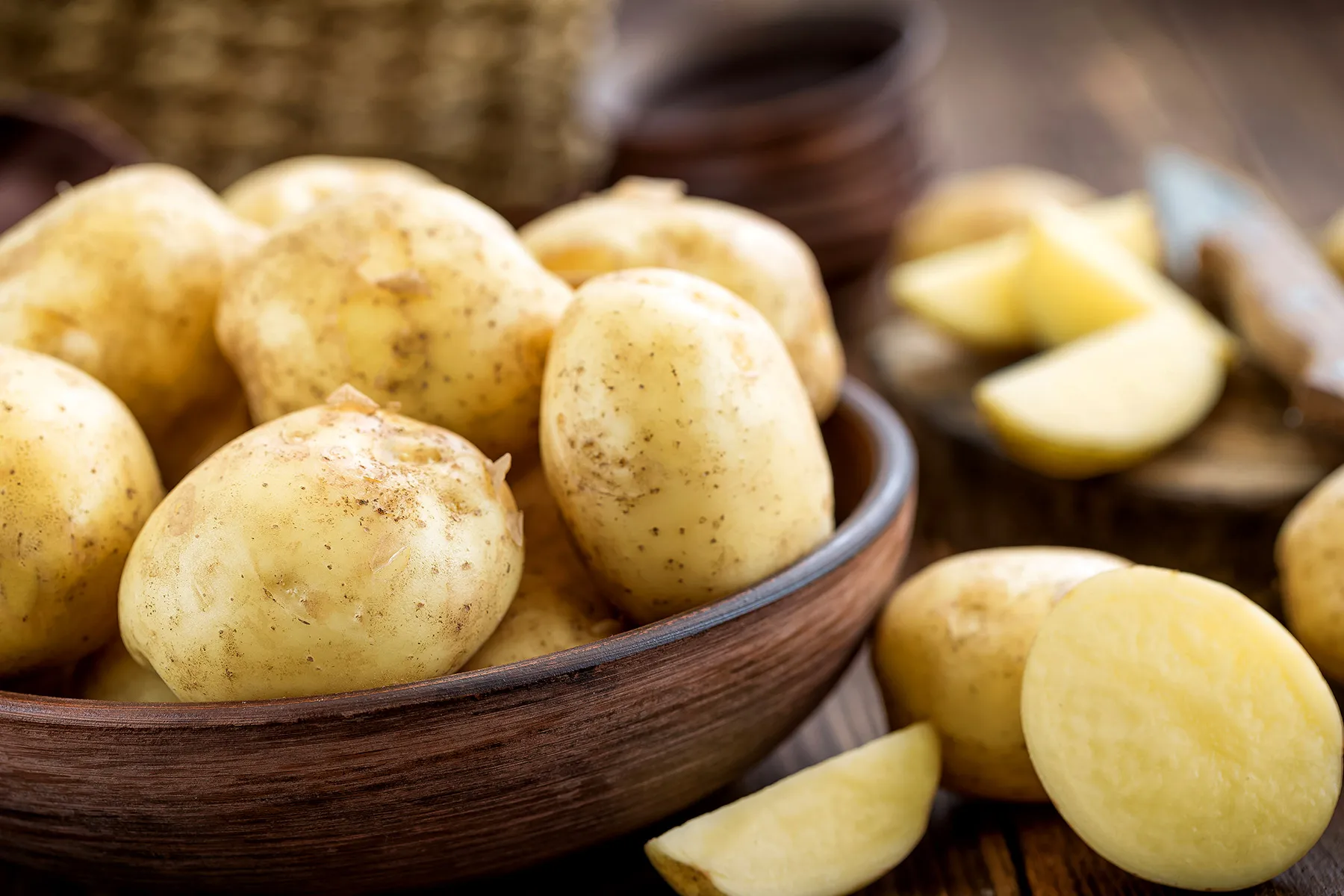
Despite their reputation as a "starchy food," potatoes provide an impressive range of nutrients.
A medium potato contains:
Potatoes are also naturally fat-free and cholesterol-free, making them a nutritious choice when prepared in healthy ways.
Potatoes are among the most filling foods you can eat.
Because they're rich in complex carbohydrates and fiber, they digest more slowly than many refined grains. This can help reduce hunger and make it easier to control calorie intake throughout the day.
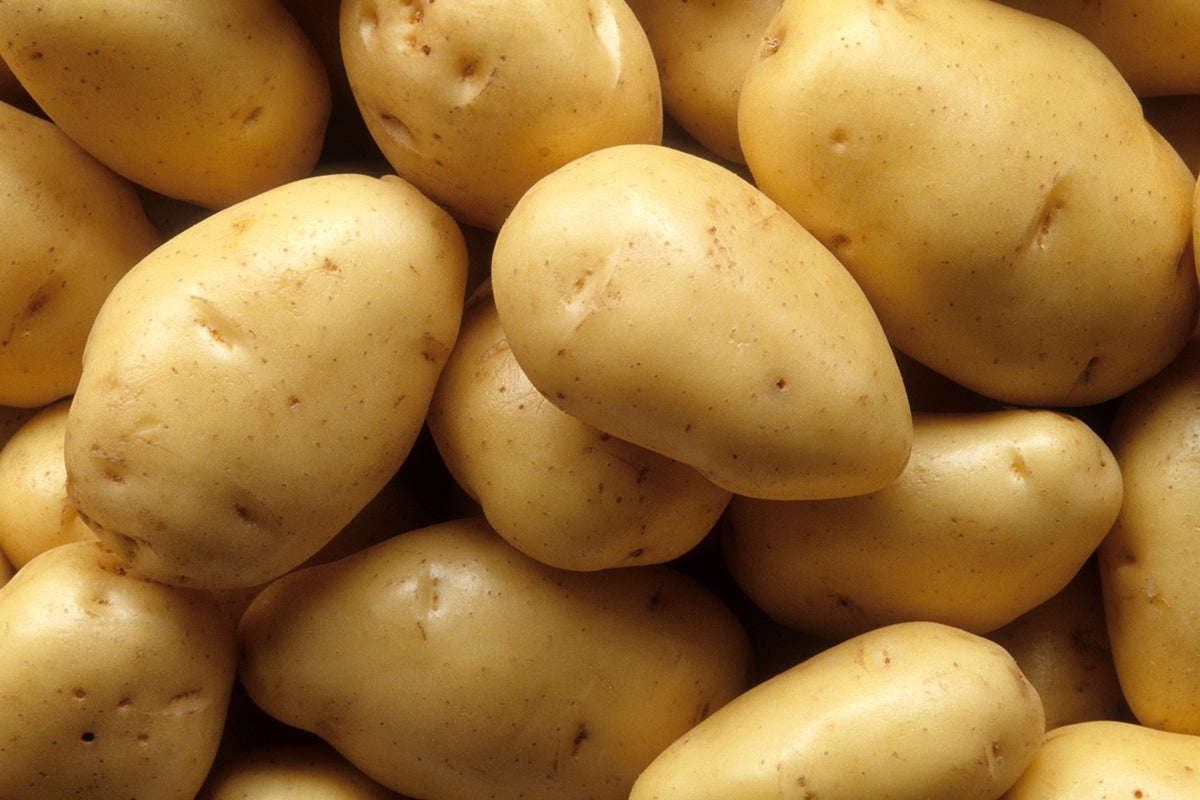
Cooked potatoes that have been cooled—such as those used in potato salad—contain resistant starch, a type of carbohydrate that feeds beneficial gut bacteria.
Resistant starch may support digestive health and contribute to better blood sugar control when eaten as part of a balanced diet.
Not all potato dishes have the same effects on your health.
Healthier options include:
Less healthy choices include:
These preparations add significant amounts of calories, unhealthy fats, and sodium, which may reduce the nutritional benefits of the potato itself.
Potatoes naturally contain carbohydrates, so they can increase blood sugar after a meal.
However, the effect depends on several factors, including:
Pairing potatoes with lean protein, vegetables, and healthy fats may help slow digestion and reduce sharp blood sugar spikes.
Not necessarily.
Plain boiled or baked potatoes can fit into a weight-loss plan because they're satisfying and relatively low in calories for their volume.
The bigger concern is often how potatoes are prepared, rather than the potatoes themselves. Fries and chips tend to be much higher in calories and are easier to overeat.
Some people may need to limit potato intake or choose smaller portions, including those with diabetes or individuals following a meal plan designed to control carbohydrate intake. A healthcare professional or registered dietitian can provide personalized guidance.
You should also avoid eating green potatoes or potatoes with large sprouts, as they may contain increased levels of solanine, a naturally occurring compound that can be harmful if consumed in large amounts.
Potatoes don't automatically harm your health. In fact, they're rich in vitamins, minerals, fiber, and beneficial plant compounds.
The key is how they're prepared and how much you eat. Choosing boiled, baked, or roasted potatoes instead of heavily fried or highly processed versions allows you to enjoy their nutritional benefits while supporting an overall healthy diet.
Doctors Explain What Weak or Brittle Nails May Be Trying to Tell You

Is It Normal to Need a Bowel Movement Right After a Meal?

Healthy Nails Matter: Common Changes to Watch for After Age 40

8 Possible Reasons You're Waking Up With a Dry Mouth

Your Brain May Be Sending These 10 Early Warning Signals 👇

Nighttime Leg Cramps? Here's What Your Body May Be Trying to Tell You

What Causes Visible Veins on Your Hands? The Answer May Surprise You
Understanding How Your Body Adapts After Gallbladder Surgery
Avocados: A Nutrient-Dense Fruit with Potential Health Benefits
Millions Experience This Ringing Sound Every Day—Do You?

Itching All Over Every Night? Here's What Doctors Say You Should Check
10 Common Symptoms That Could Point to Kidney Problems—See If You Recognize Any
Don't Let Hidden Parasites Reach Your Plate: Avoid These Common Mistakes

Your Heel Isn't Just Sore—It May Be Asking for Help

You May Be Damaging Your Stomach Without Realizing It

These 4 Lung Cancer Warning Signs Should Never Be Ignored

Doctors Explain What Weak or Brittle Nails May Be Trying to Tell You
Is It Normal to Need a Bowel Movement Right After a Meal?
Healthy Nails Matter: Common Changes to Watch for After Age 40
8 Possible Reasons You're Waking Up With a Dry Mouth
Your Brain May Be Sending These 10 Early Warning Signals 👇
Nighttime Leg Cramps? Here's What Your Body May Be Trying to Tell You

What Causes Visible Veins on Your Hands? The Answer May Surprise You

Open This Hidden Panel Monthly to Help Keep Your Washer Fresh
Understanding How Your Body Adapts After Gallbladder Surgery
Avocados: A Nutrient-Dense Fruit with Potential Health Benefits
Millions Experience This Ringing Sound Every Day—Do You?
Itching All Over Every Night? Here's What Doctors Say You Should Check
10 Common Symptoms That Could Point to Kidney Problems—See If You Recognize Any

Millions Eat Watermelon Every Summer, But Few Know What These Cracks Really Mean 🍉😨
Don't Let Hidden Parasites Reach Your Plate: Avoid These Common Mistakes

Driving at Night? This One Mirror Trick Can Save Your Eyes
Your Heel Isn't Just Sore—It May Be Asking for Help
You May Be Damaging Your Stomach Without Realizing It