You Cut Open a Watermelon and Found Cracks? Here's What They Could Really Mean
Few things are more refreshing on a hot day than slicing into a juicy watermelon. But what if you cut it open and discover deep cracks, hollow spaces, or an unusual spongy texture inside? Many people immediately assume the fruit has been injected with chemicals or is unsafe to eat—but the truth is a little more complicated.
Here's what experts say you should know before taking another bite.
Why Do Some Watermelons Have Cracks Inside?
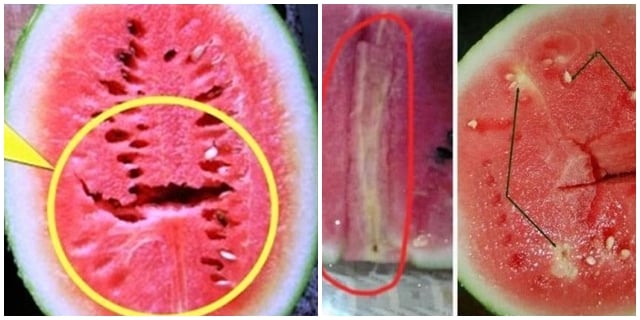
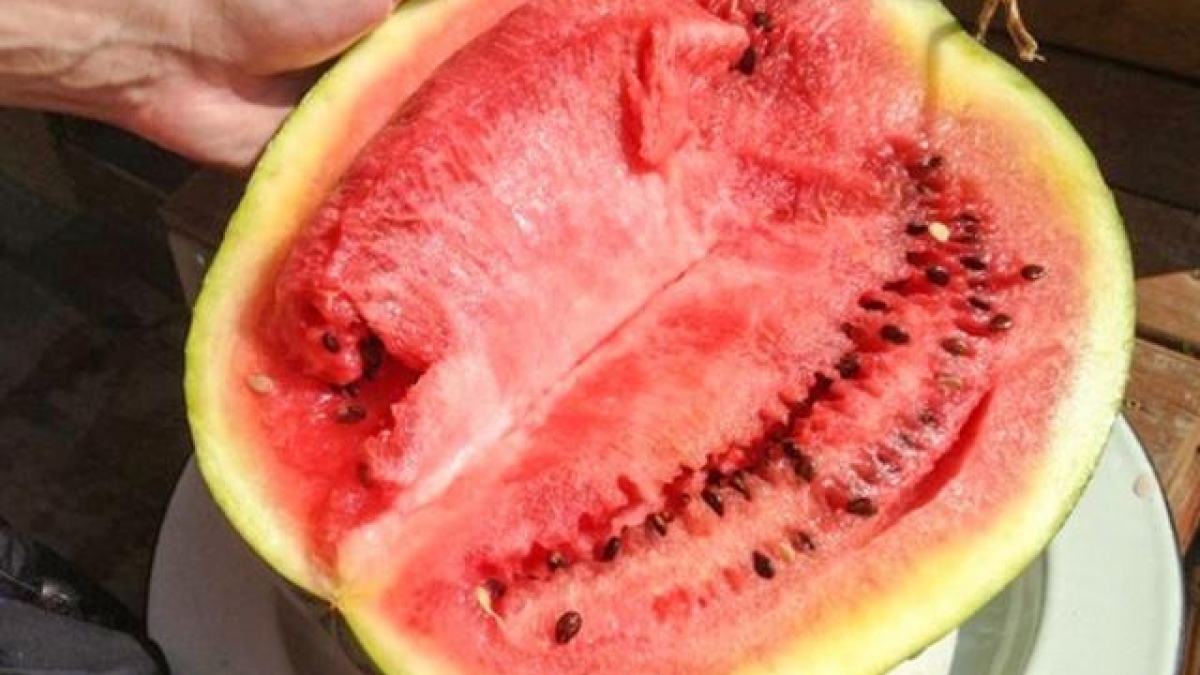
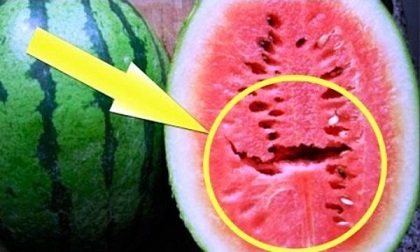
The most common reason is a condition known as "hollow heart." Despite its alarming appearance, this is often a natural growth disorder rather than a sign of contamination.
Several factors can contribute to internal cracking, including:
- Rapid changes in temperature during growth
- Irregular watering
- Poor pollination
- Fruit growing too quickly
These conditions can cause the flesh to separate, leaving cracks or hollow areas inside the watermelon. While this may affect the fruit's texture and sweetness, it doesn't automatically mean the watermelon is dangerous to eat.
What About Plant Growth Regulators?
Social media often claims that cracked watermelons are always the result of excessive plant growth regulators. However, experts caution against jumping to that conclusion.
Some plant growth regulators are legally used in agriculture in certain countries to improve fruit development when applied according to regulations. Improper use has raised concerns in some situations, but you cannot determine whether chemicals were used simply by looking at cracks inside the fruit. Environmental conditions alone can produce the same appearance.
When Should You Throw It Away?
While internal cracks alone aren't necessarily a reason to discard a watermelon, you should avoid eating it if you notice any of these warning signs:
- A sour, fermented, or unpleasant smell
- Mold on the rind or flesh
- Slimy or mushy texture
- Dark, brown, or discolored flesh
- Large soft or rotten patches
- Liquid leaking from the fruit before cutting
These are much stronger indicators that the watermelon has spoiled and could pose a food safety risk.
How to Pick a Better Watermelon
Choosing a good watermelon starts before you even cut it open. Keep these tips in mind:
- Feel the weight: A ripe watermelon should feel heavy for its size.
- Look for the field spot: A creamy yellow patch on the underside usually indicates it ripened naturally on the vine.
- Check the shape: Choose one that's symmetrical and free of deep cuts or bruises.
- Give it a tap: A ripe watermelon typically produces a deep, hollow sound.
- Inspect the rind: Avoid fruit with obvious cracks, punctures, or soft spots that could allow bacteria to enter.
The Bottom Line
Finding cracks inside a watermelon can be surprising, but it doesn't automatically mean the fruit is unsafe. In many cases, these cracks are simply the result of natural growing conditions such as uneven watering or poor pollination.
The real red flags are signs of spoilage—such as foul odors, mold, slimy flesh, or discoloration. If you notice any of these, it's safest to throw the watermelon away.
When in doubt, trust your senses. Fresh watermelon should smell clean and sweet, have firm, juicy flesh, and show no signs of decay. Taking a few extra seconds to inspect your fruit can help ensure every slice is both delicious and safe to enjoy.