
What Do the Red and Yellow Dots on New Car Tires Mean? The Hidden Purpose Most Drivers Never Notice
Most Drivers Ignore These Tire Marks—But Mechanics Never Do
Facts 15/07/2026 20:59
Simple cooking habits can help preserve pork's nutrients and improve food safety.
Learn the common mistakes people make when cooking pork and discover simple tips to preserve nutrients, improve flavor, and reduce potential health risks.
Pork is one of the world's most popular meats, valued for its rich flavor and versatility. It provides high-quality protein, B vitamins, iron, zinc, and many other nutrients that support overall health. However, the way pork is prepared and cooked can significantly affect both its nutritional value and its safety.
Many people unknowingly make cooking mistakes that reduce nutrients or create compounds that may not be beneficial to health. Fortunately, a few simple changes in the kitchen can help you get the most from every meal.


 6
6
Pork naturally contains protein, vitamins such as B1 and B12, and essential minerals including iron, phosphorus, and zinc. These nutrients support muscle growth, energy production, immune function, and healthy nerve activity.
However, excessive heat, repeated cooking, or poor preparation methods may reduce certain vitamins and affect the overall quality of the meat.
One of the most common mistakes is cooking pork for too long.
Excessive heat can dry out the meat, making it tough while reducing some heat-sensitive nutrients. Overcooked pork also loses moisture, resulting in a less enjoyable texture and flavor.
Using a food thermometer is one of the best ways to ensure pork reaches a safe internal temperature without unnecessary overcooking.
Long periods of boiling may cause water-soluble vitamins, particularly B vitamins, to leach into the cooking liquid.
If you're making soups or stews, consuming the broth allows you to recover many of these nutrients. Otherwise, prolonged boiling may reduce the nutritional value of the meat itself.


 6
6
Using the same oil multiple times at very high temperatures can lead to the formation of undesirable compounds.
Fresh cooking oil and moderate cooking temperatures are generally better choices for maintaining food quality and reducing unnecessary exposure to degraded oils.
Cooking pork until parts become heavily blackened or burnt may create compounds that researchers have associated with potential health concerns when consumed frequently over long periods.
While occasional browned edges are normal, heavily charred sections should ideally be trimmed away rather than eaten regularly.
Moderate cooking methods, such as roasting, braising, steaming, or stir-frying with controlled heat, can help reduce excessive burning.


 6
6
To maximize both flavor and nutrition, consider these practical tips:
When enjoyed as part of a balanced diet, pork can be an excellent source of protein and essential nutrients. The key is choosing appropriate cooking methods that preserve its nutritional value while minimizing unnecessary health risks.
Healthy preparation techniques such as steaming, braising, baking, or lightly grilling can help retain moisture, improve flavor, and support better overall nutrition.
Pork itself is not the problem—how it is cooked makes a significant difference. Avoiding common mistakes like overcooking, repeatedly using old cooking oil, and heavily charring meat can help preserve nutrients while producing meals that are both safer and more enjoyable.
Simple improvements in cooking habits can go a long way toward making your favorite pork dishes healthier without sacrificing taste.
Most Drivers Ignore These Tire Marks—But Mechanics Never Do
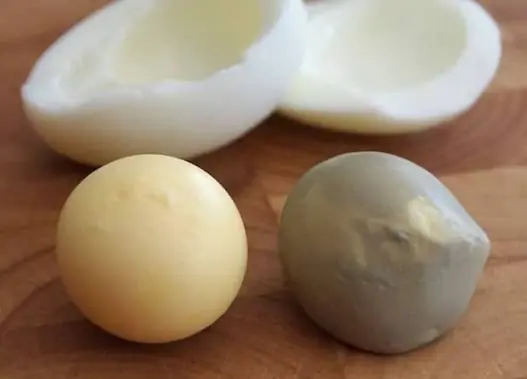
That Green Ring on Your Egg Could Be Completely Normal—Here's Why


These Beautiful Waves Have a Dangerous Secret Most Beachgoers Don't Know

This Common Dog Behavior Could Be Trying to Tell You Something About Your Health…

The Secret Life of Slugs: Tiny Creatures With a Huge Impact


😮 Not Everyone Wears Rings for Fashion—Here's What a Right-Hand Ring May Represent



Most People Think It's Decorative—It's Actually Very Useful

The Real Reason Dogs Lick You Will Surprise You

Don't Ignore These Vein Changes If They Come With...

Doctors Reveal the Warning Signs of Low Blood Sugar

What Happens to Your Body When You Eat Peanuts

Moringa Seeds May Offer More Health Benefits Than Most People Realize
Most Drivers Ignore These Tire Marks—But Mechanics Never Do

Frequent nighttime leg cramps may signal hidden health problems early.
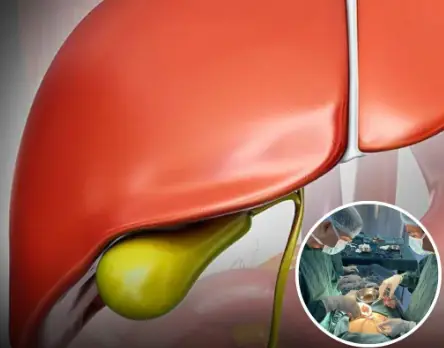
Doctors warn gallbladder removal may affect digestion and health.

However, nutrition experts warn that not all fish are equally safe. Some types, depending on how they are preserved, prepared, or where they come from, may pose potential health risks if consumed frequently or improperly.
Black sesame seeds, also known as Sesamum indicum, have been used for thousands of years in traditional medicine, cuisine, and natural wellness practices. Though tiny in size, these seeds are packed with essential nutrients, antioxidants, healthy fats, an
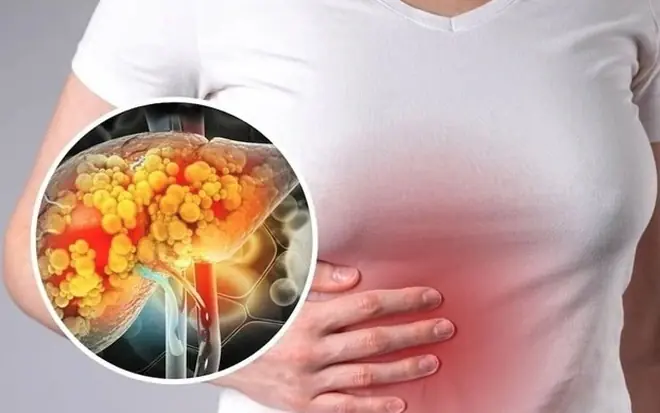
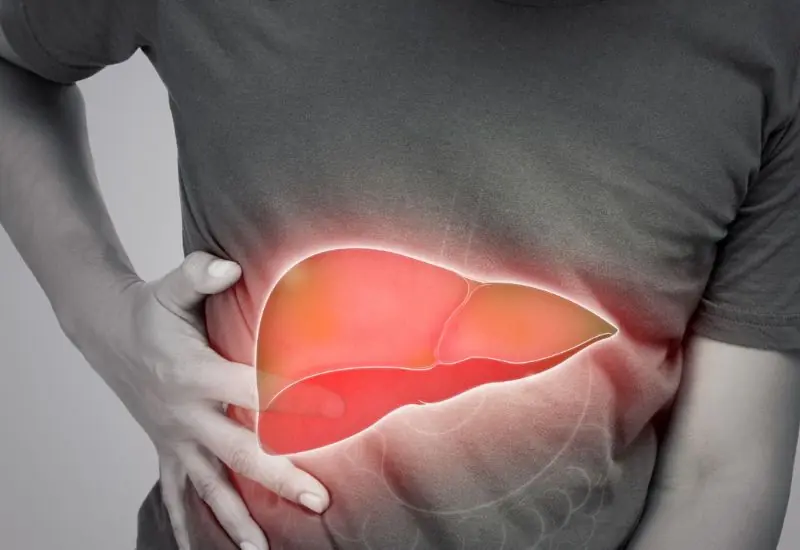
A Guide to Fatty Liver Disease: Causes, Symptoms, and Healthy Habits That Matter



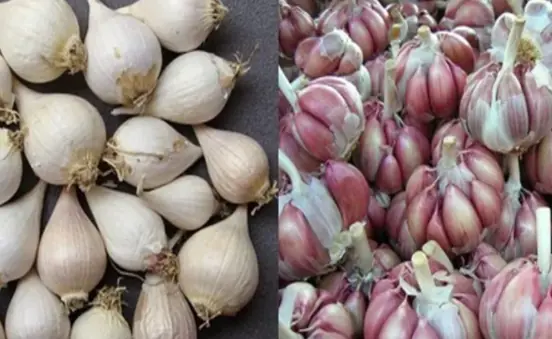
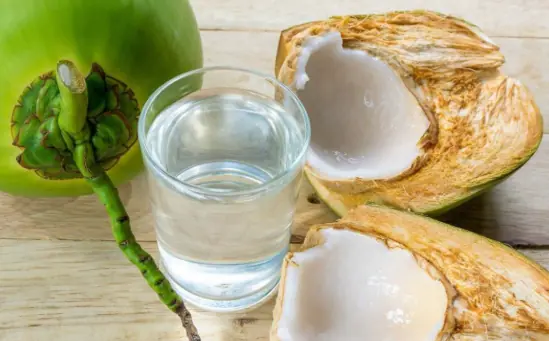
A Simple Natural Ingredient That May Support Better Sleep and Digestion
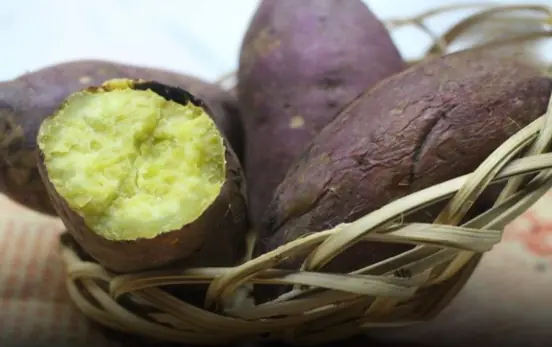
A Simple Natural Ingredient That May Support Better Sleep and Digestion

A Simple Natural Ingredient That May Support Better Sleep and Digestion