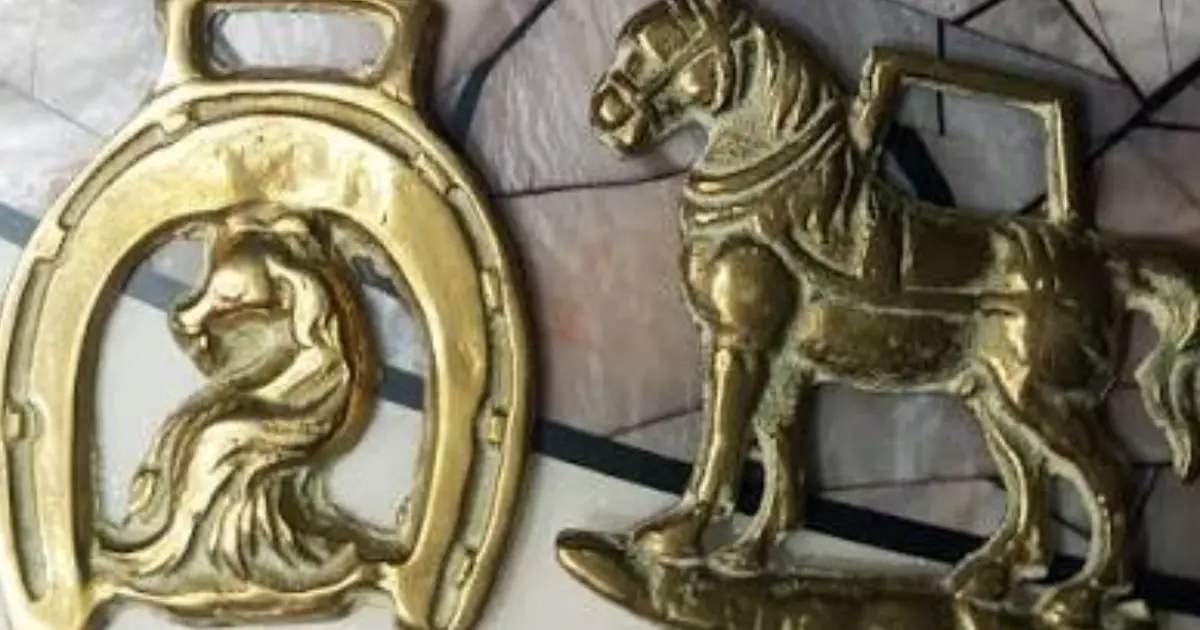
Found in a 1907 House: What Was This Strange Metal Object Used For?
An Unusual Metal Object From 1907: What Was It Originally Used For?
⏱️ 1 min read 24/08/2026 12:49
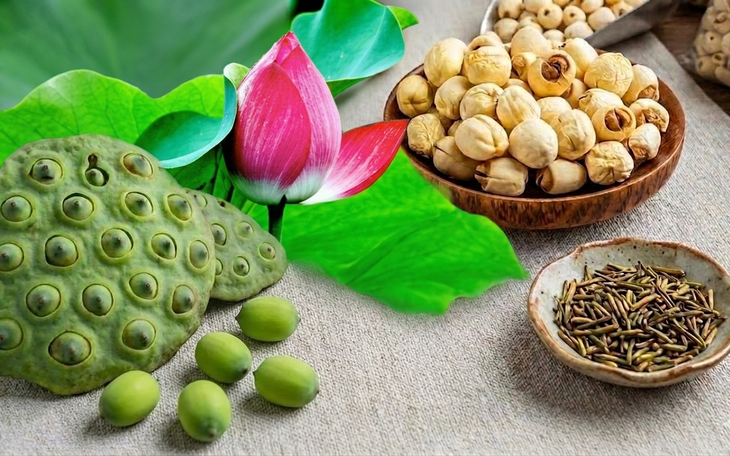
For centuries, lotus plumule—the small green embryo found inside lotus seeds—has been used in traditional Asian medicine as a natural remedy to promote relaxation and improve sleep. Often brewed into a mild herbal tea, lotus plumule is believed to calm the mind and reduce restlessness.
But does modern science support these traditional claims? Here's what we know.

Lotus plumule is the tiny green sprout located inside the seed of the sacred lotus (Nelumbo nucifera).
It contains a variety of naturally occurring plant compounds, including:
Alkaloids
Flavonoids
Polyphenols
Antioxidants
These bioactive compounds have attracted scientific interest for their potential health benefits.
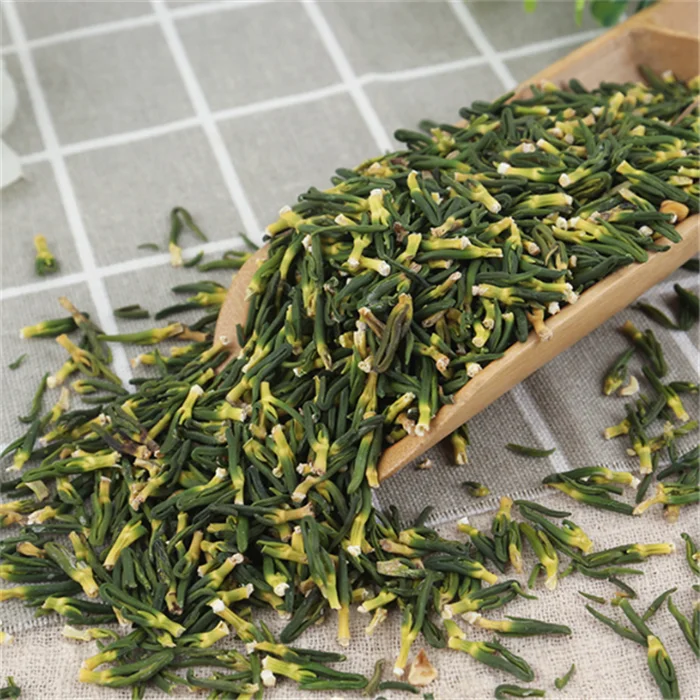
Traditional medicine has long used lotus plumule to help calm the nervous system.
Preliminary laboratory and animal studies suggest that certain alkaloids found in lotus plumule may have mild calming effects, although more human clinical research is needed.
Many people drink lotus plumule tea before bedtime to help them relax.
Although scientific evidence in humans is still limited, its calming properties may help some individuals unwind as part of a healthy bedtime routine.
It should not be considered a treatment for chronic insomnia.
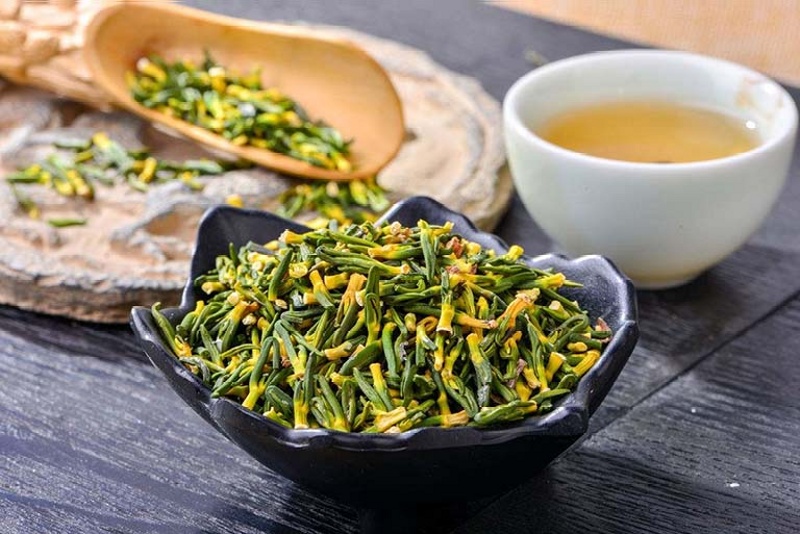
Lotus plumule contains natural antioxidants that help protect cells from oxidative stress.
These compounds may contribute to:
Healthy aging.
Reduced cellular damage.
Overall wellness.
Some early research suggests that compounds in lotus plumule may help support healthy blood vessel function and circulation.
However, larger human studies are needed before firm conclusions can be drawn.
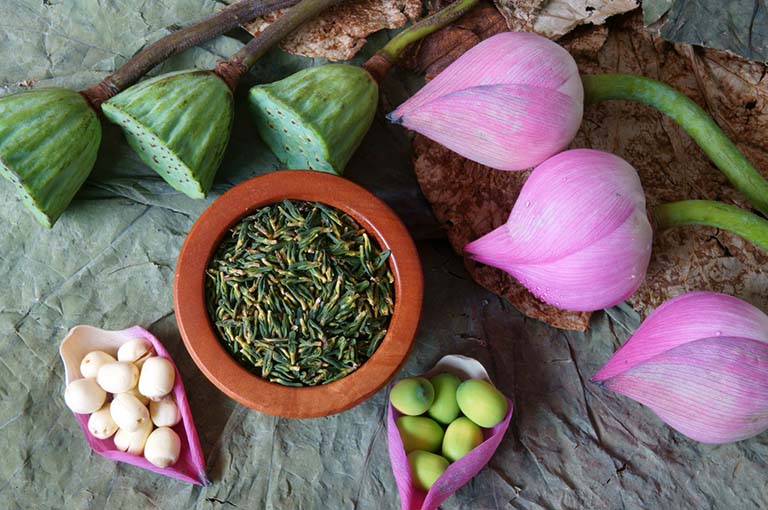
Stress is one of the most common causes of poor sleep.
Enjoying a warm cup of lotus plumule tea in the evening may help create a relaxing bedtime ritual, which can support healthy sleep habits.
Some laboratory studies suggest that certain plant compounds in lotus plumule may help relax blood vessels.
People taking medication for high blood pressure should consult their healthcare provider before regularly consuming herbal products with potential blood pressure effects.

Unlike coffee or black tea, lotus plumule tea contains no caffeine.
This makes it a suitable evening beverage for many people who want to avoid stimulants before bedtime.
Making lotus plumule tea is simple.
Instructions:
Add a small pinch of dried lotus plumule to a cup.
Pour in hot (not boiling) water.
Steep for 5–10 minutes.
Strain and enjoy.
Because lotus plumule has a naturally bitter taste, some people add a small amount of honey after the tea has cooled slightly.
If you're struggling with occasional sleeplessness, combine herbal tea with healthy sleep habits:
Go to bed and wake up at the same time every day.
Avoid caffeine late in the afternoon and evening.
Limit screen time for at least one hour before bed.
Keep your bedroom cool, dark, and quiet.
Exercise regularly, but avoid intense workouts close to bedtime.
Good sleep hygiene often has a greater impact than any single herbal remedy.
Although lotus plumule is generally consumed as a traditional herbal tea, keep these points in mind:
Scientific evidence for treating insomnia remains limited.
People who are pregnant, breastfeeding, or taking medications should consult a healthcare professional before using herbal remedies regularly.
Stop using it if you experience an allergic reaction or digestive discomfort.
Persistent insomnia should be evaluated by a healthcare provider, especially if it lasts for several weeks or affects daily life.
Lotus plumule has been used for generations as a traditional herbal remedy to promote relaxation and restful sleep. While early research suggests it contains beneficial plant compounds with antioxidant and calming properties, more high-quality human studies are needed to confirm its effectiveness for insomnia.
For occasional difficulty sleeping, enjoying a warm cup of lotus plumule tea alongside healthy sleep habits may be a soothing addition to your evening routine. However, it should complement—not replace—medical evaluation and treatment for chronic sleep problems.
An Unusual Metal Object From 1907: What Was It Originally Used For?
Anyone Know What These Are? My Neighbor Gave Me a Bag Full





Most People Throw These Eggs Away—But They Don’t Need To

That tiny purple butterfly carries a meaning every parent should know.
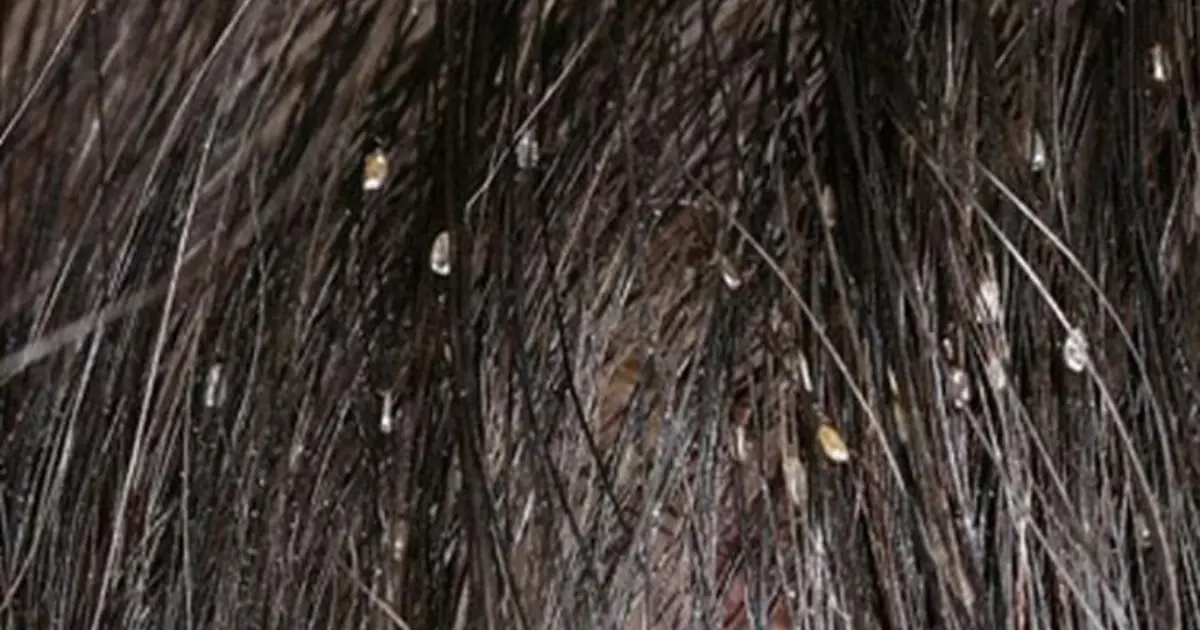
We Found This Strange Bug in My Friend’s Hair - What Is It?

Is Cremation a Sin? What Does the Bible Really Teach?

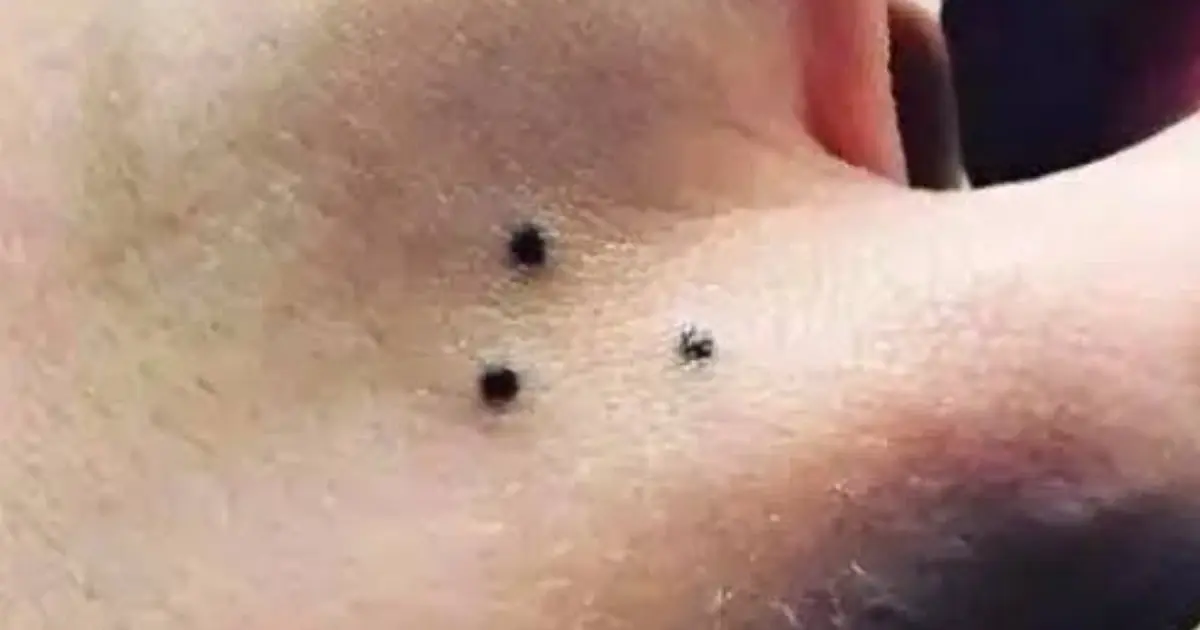
Seen Someone With a Three-Dot Tattoo? 👀 There’s a Meaning Behind It You May Not Expect… See More 👇

Noticing More Chin Hair Than Usual? It Could Be Linked to More Than Just Aging… Here’s What to Know 👇 See more

We Discovered a Strange Object While Cleaning Out a Family Friend’s House

My Brother Captured This Strange Sight Just 21 km From Home—Can You Identify It?
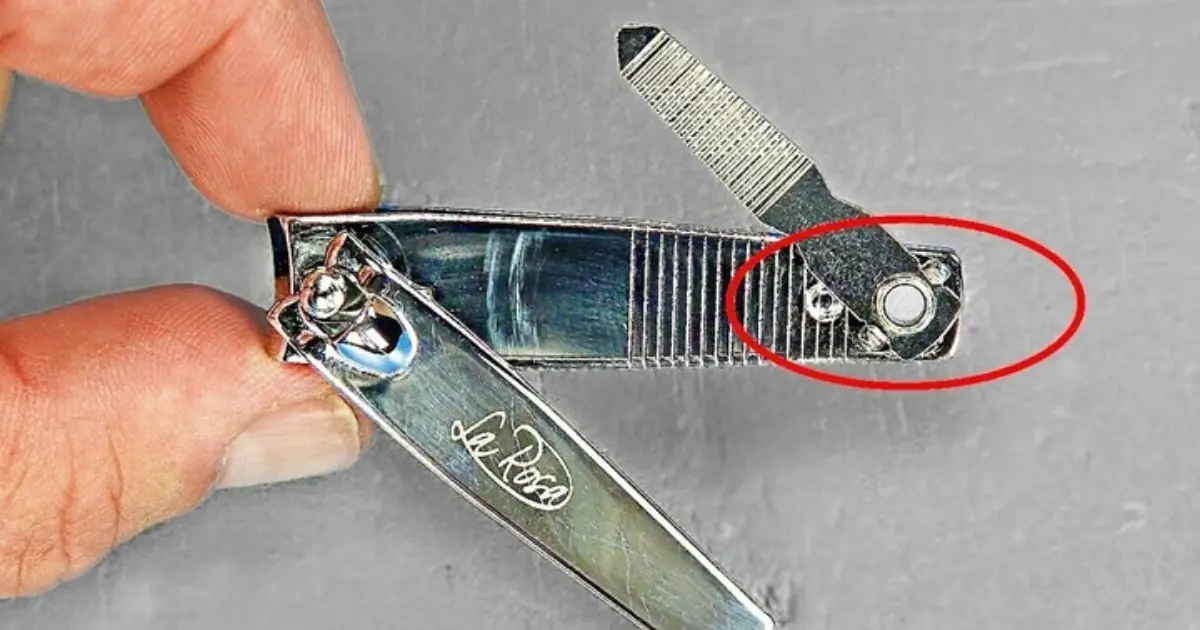
The Hidden Purpose of the Tiny Hole on Your Nail Clipper
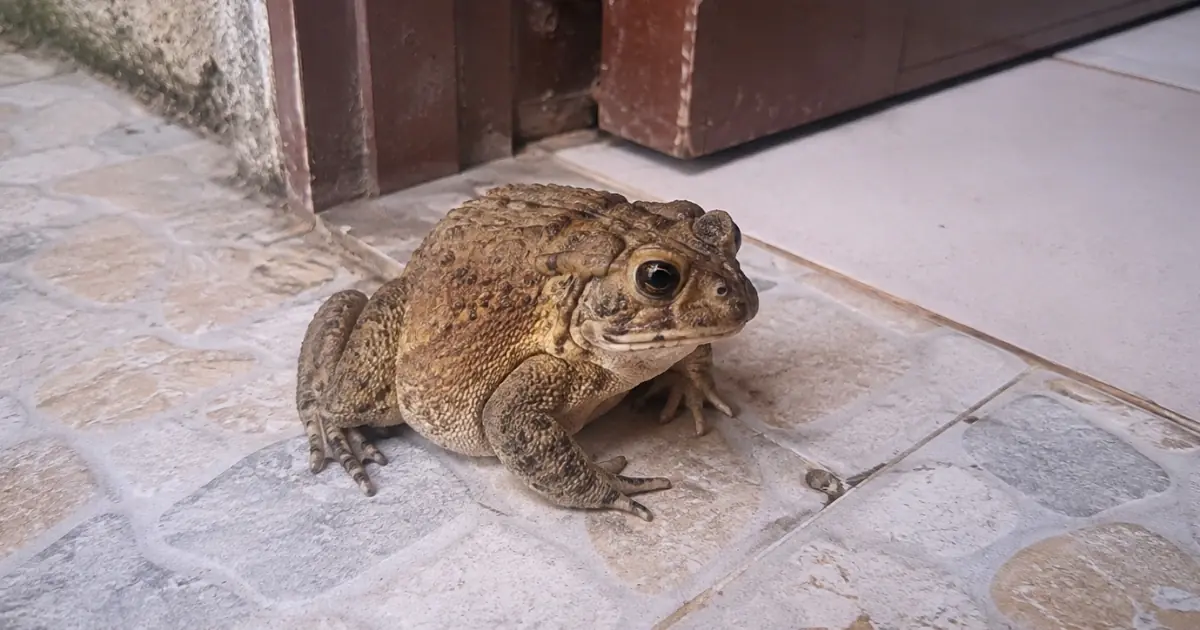
Keep Finding Toads Around Your Home? Here’s Why
An Unusual Metal Object From 1907: What Was It Originally Used For?
Anyone Know What These Are? My Neighbor Gave Me a Bag Full
My Husband Left Me Nothing After 69 Years Then His Lawyer Revealed His Secret Plan
His Name Was on the Tag But He Had No Idea Why - Then Came the Keys
Can You Count All the Dots?
Doctors reveal surprising reasons behind waking up at 3 a.m. nightly.
They called her selfish—until they learned what really happened.