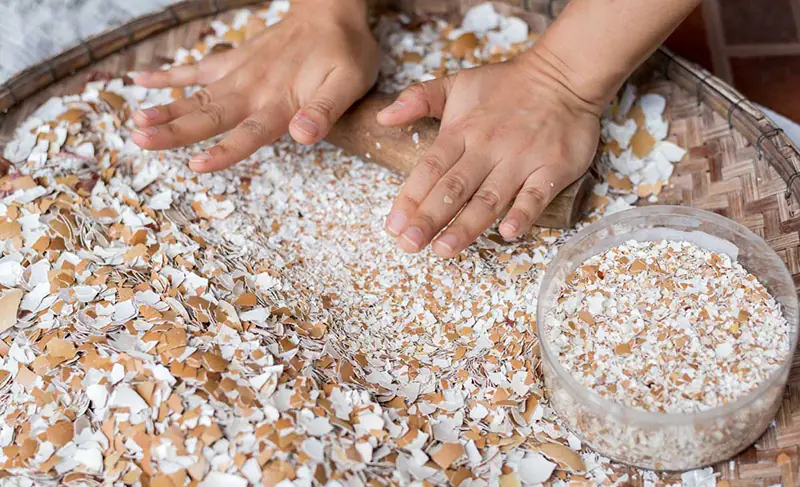
Don't Throw Away Eggshells! 8 Brilliant Ways to Reuse Them Around Your Home and Garden
Facts 14/07/2026 10:29

A stye (also called a hordeolum) is a small, painful red bump that develops along the edge of the eyelid. It is usually caused by a bacterial infection of an eyelash follicle or an oil-producing gland in the eyelid.
Although styes can be uncomfortable, most heal on their own within one to two weeks with proper home care.
Here are the best ways to relieve discomfort and speed up recovery.

A warm compress is the most effective home treatment for a stye.
Here's how to do it:
Soak a clean washcloth in warm (not hot) water.
Wring out the excess water.
Place it gently over the affected eyelid for 10–15 minutes.
Repeat 3–6 times a day.
The warmth helps soften blocked oil, encourages natural drainage, and reduces pain and swelling.
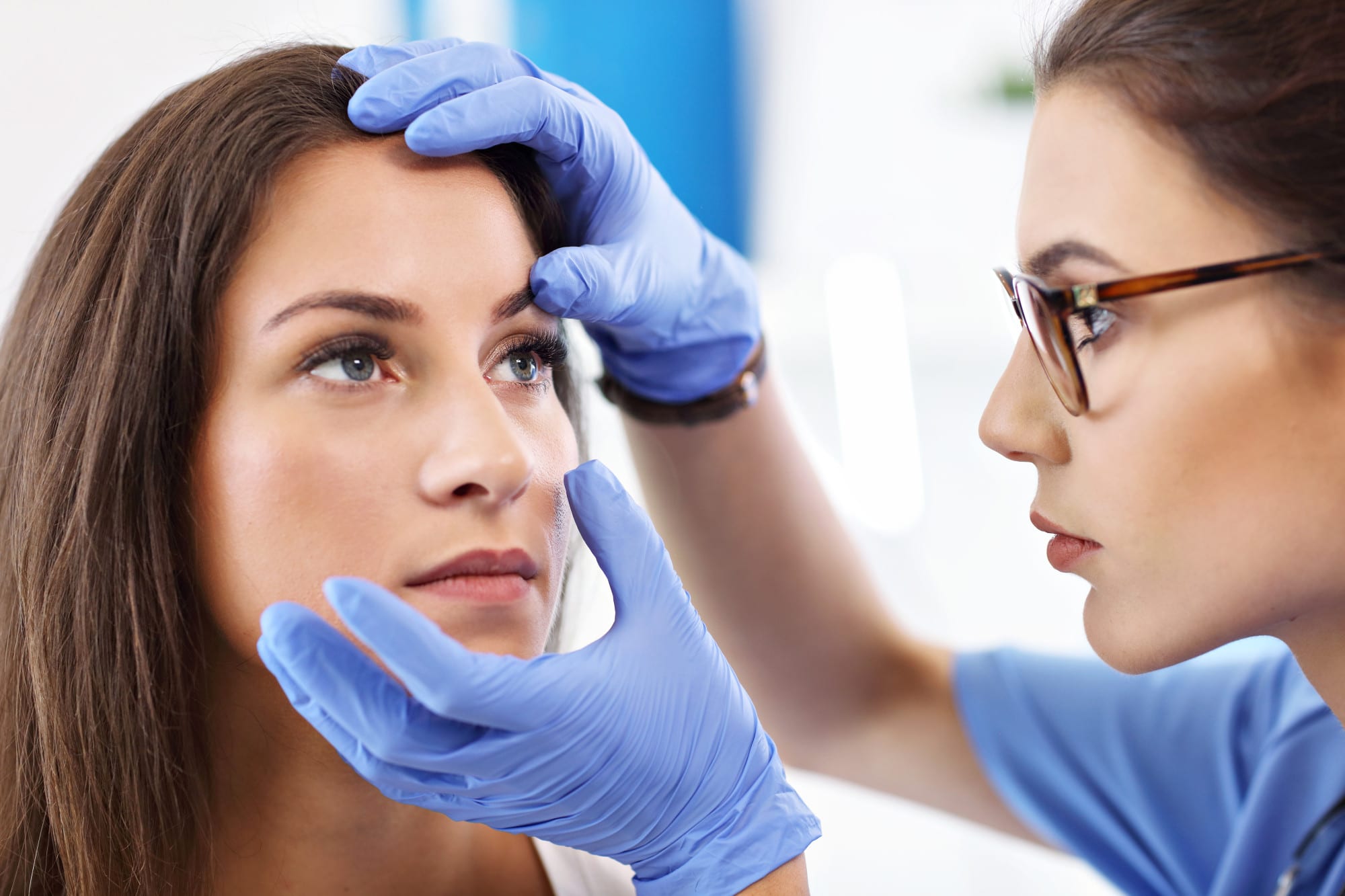
Good eyelid hygiene can help prevent the infection from worsening.
Wash your hands before touching your eyes.
Gently clean your eyelids with warm water or a mild eyelid cleanser.
Use a clean towel each time.
Avoid rubbing the affected eye.

It may be tempting to squeeze a stye, but doing so can:
Spread the infection.
Increase swelling.
Delay healing.
Lead to more serious complications.
Allow the stye to drain naturally.
While your eye is healing:
Avoid mascara, eyeliner, and eye shadow.
Do not wear contact lenses until the stye has completely healed.
This helps reduce irritation and lowers the risk of spreading bacteria.
If the stye is painful, over-the-counter pain relievers such as acetaminophen (paracetamol) or ibuprofen may help relieve discomfort.
Always follow the dosage instructions on the label and consult a healthcare provider if you have any medical conditions or are unsure whether these medications are appropriate for you.
To prevent spreading bacteria:
Do not share towels or washcloths.
Wash pillowcases regularly.
Replace old eye makeup after the infection has cleared.
Maintaining good hygiene helps reduce the chance of another stye developing.
While no food can cure a stye, a balanced diet can support your immune system.
Choose foods rich in:
Vitamin C
Vitamin A
Zinc
Protein
Staying hydrated and getting enough sleep may also help your body recover more efficiently.
Seek medical attention if:
The stye does not improve after 48–72 hours.
It lasts longer than one to two weeks.
The swelling becomes severe.
Redness spreads across the face or around the eye.
You develop a fever.
Your vision becomes blurry or changes.
You experience severe eye pain.
Styes keep coming back.
A healthcare provider may prescribe antibiotic medication or, in some cases, drain the stye if it does not heal on its own.
While treating a stye, avoid these common errors:
❌ Popping or squeezing the stye.
❌ Rubbing your eyes.
❌ Wearing contact lenses during the infection.
❌ Using expired eye makeup.
❌ Sharing towels or cosmetics with others.
Although not every stye can be prevented, these habits may lower your risk:
Wash your hands frequently.
Remove eye makeup before bed.
Clean contact lenses properly.
Replace eye makeup every few months.
Keep your eyelids clean if you're prone to recurring styes.
A stye is a common eyelid infection that usually resolves on its own with simple home care. Applying warm compresses, practicing good eyelid hygiene, and avoiding squeezing the bump are the most effective ways to promote healing.
If your symptoms worsen, affect your vision, or fail to improve after one to two weeks, consult a healthcare professional for further evaluation and treatment.
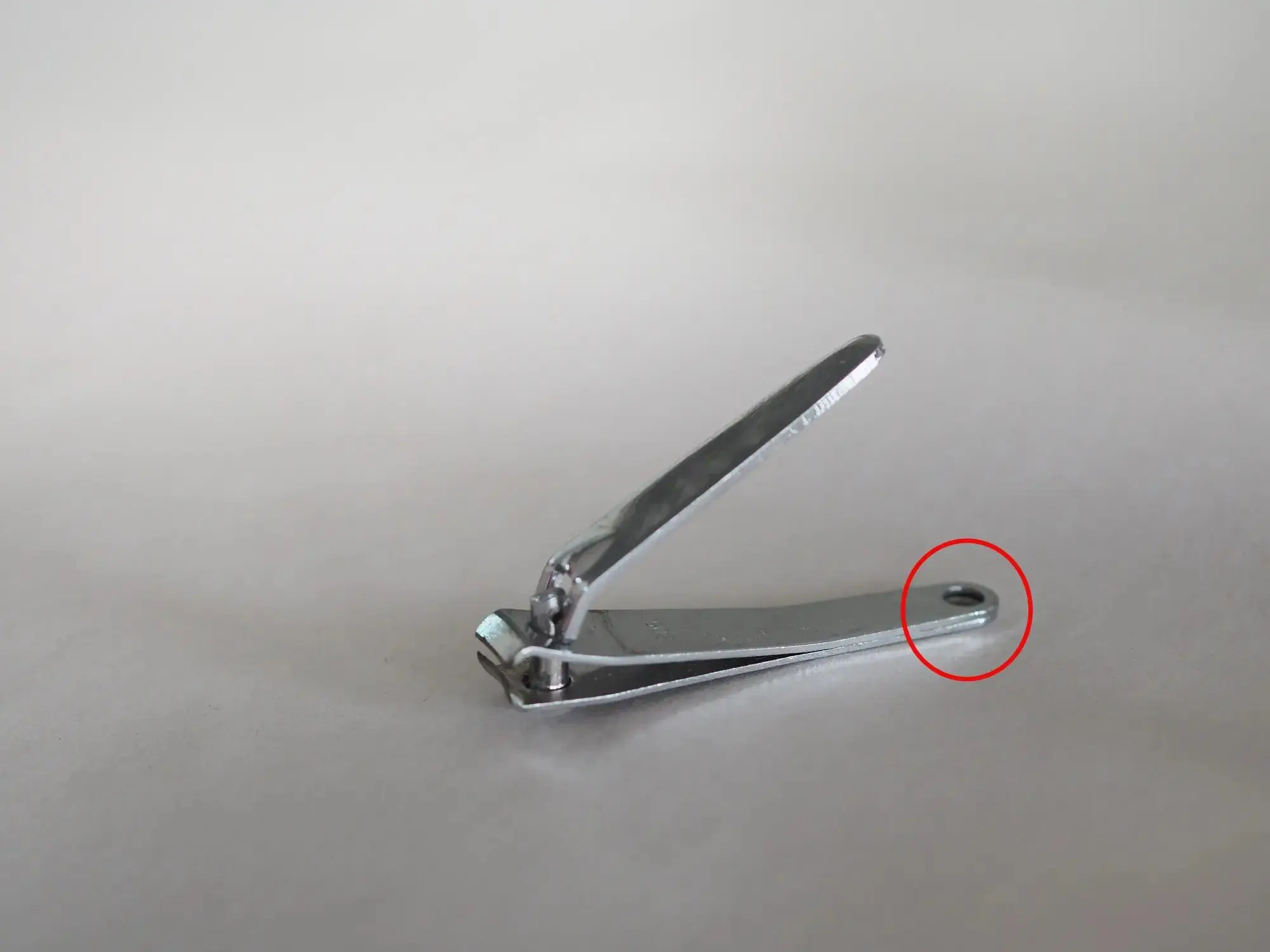
Most People Think It's Decorative—It's Actually Very Useful

The Real Reason Dogs Lick You Will Surprise You

Why Does Your Dog Always Smell Your Private Area? There's a Scientific Explanation
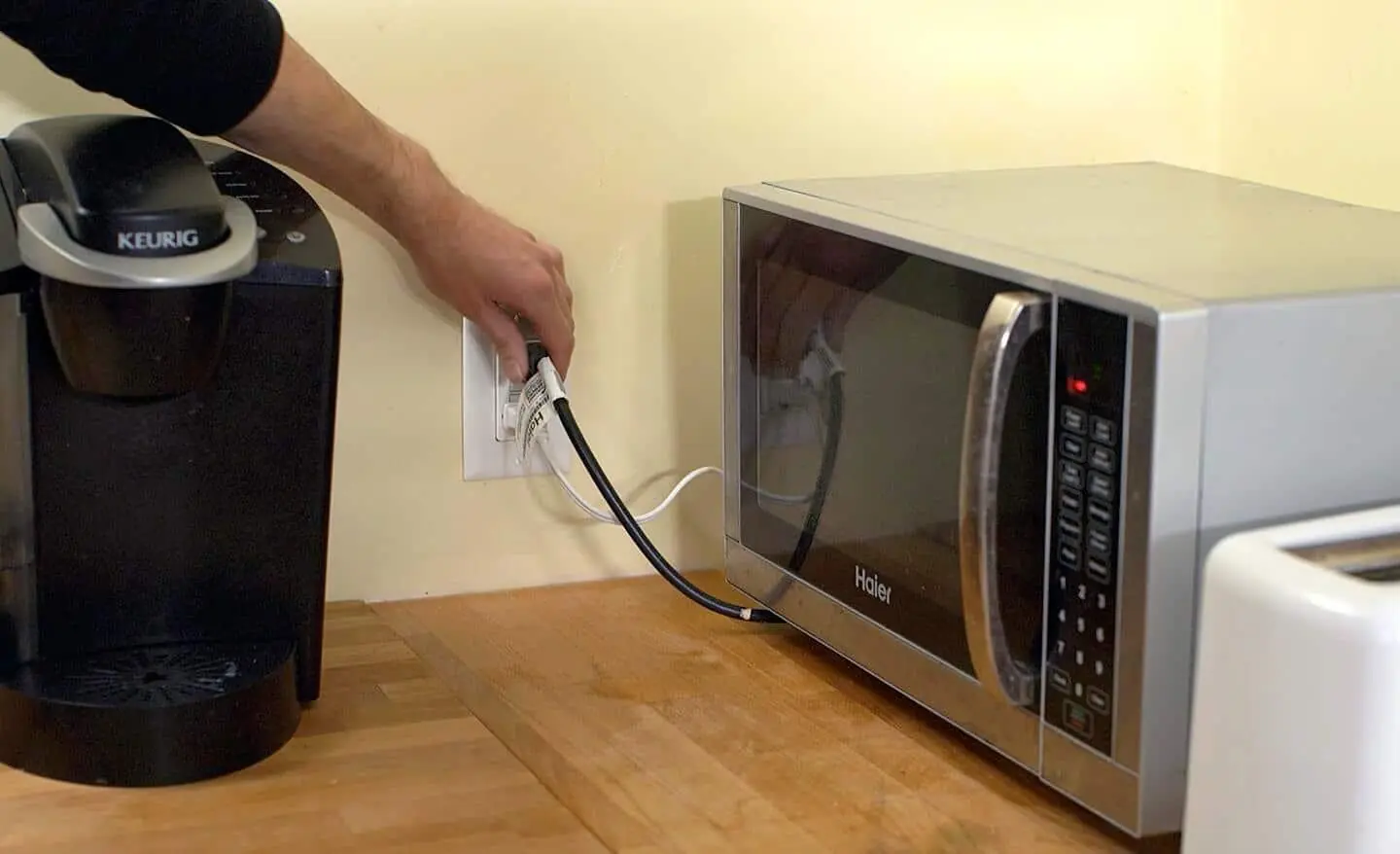
One simple habit could help reduce your monthly electricity bill.
Why house centipedes appear—and what you should check immediately.

For years people feared eggs—new research tells a different story
Many people believe this myth about ear hair—but is it really true?

The reason some dogs chase strangers may surprise you.
If You Sleep With Your Phone Like This, Firefighters Want You to Stop Today.

Want to Win Without Fighting? Start With These 3 Mindsets

Nature's most mesmerizing ocean illusion hides a life-threatening secret.
4 Foods That Could Harbor Parasites If Not Properly Prepared

Before unpacking, make sure you know this travel safety tip.

A Super Blood-Boosting Food: Eat It Properly to Stay Beautiful on the Outside and Healthy on the Inside

Dogs Use Their Sense of Smell to Learn About You - Here's How
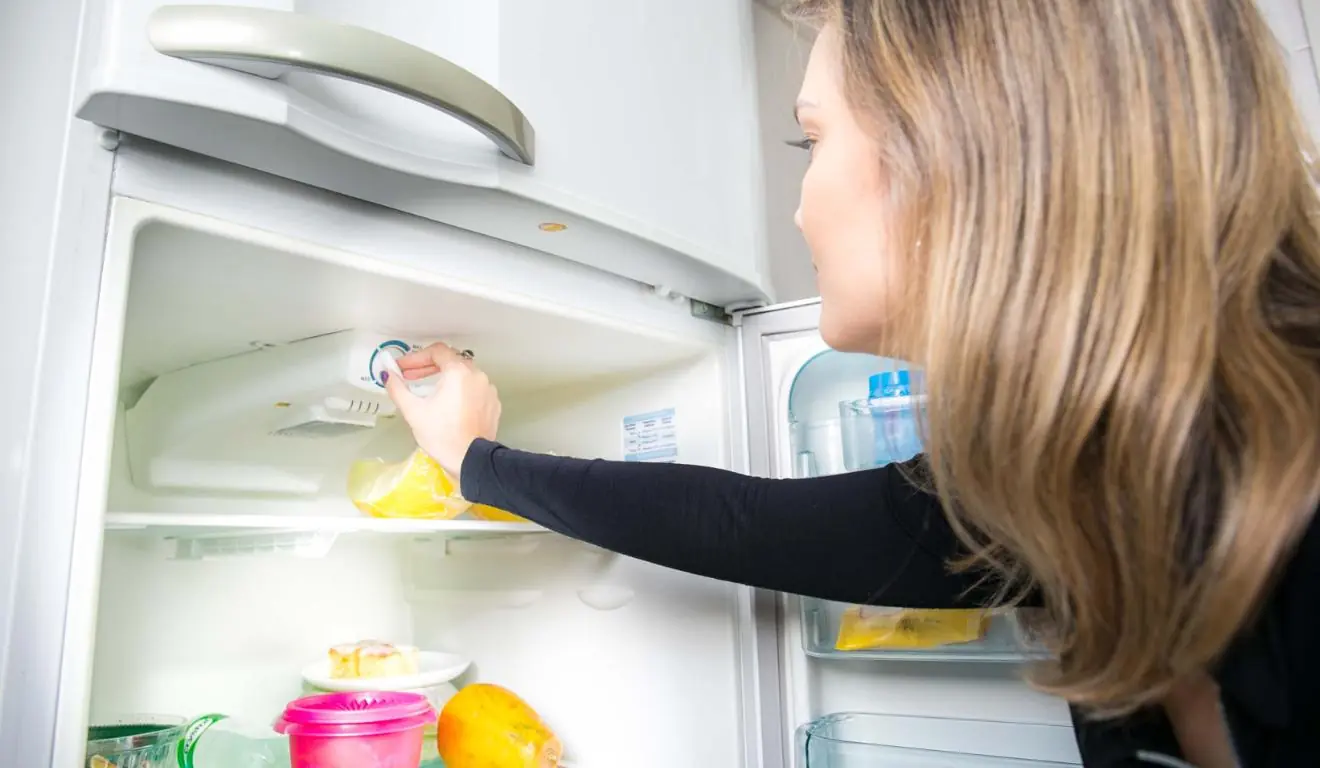
A 10-Second Fridge Adjustment That May Help Save Energy

The Hidden Roadside Signal Every Driver Should Recognize
Doctors say many people ignore the early signs of dehydration until it's too late.
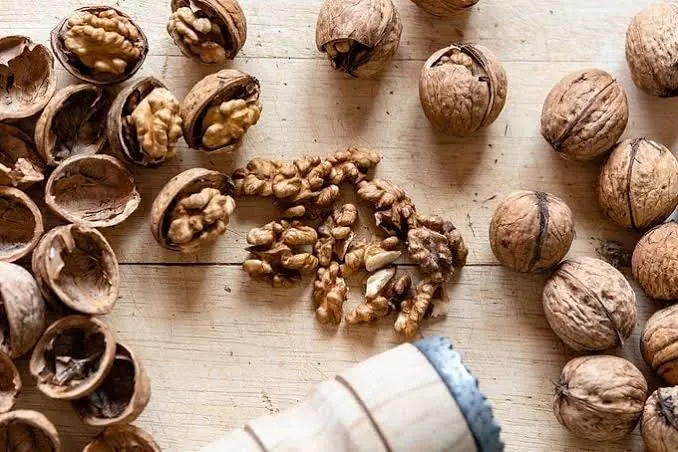
🥜 A Small Handful of Walnuts Could Make a Big Difference Over Time
Experts warn that spoiled coconut water may contain dangerous natural toxins.
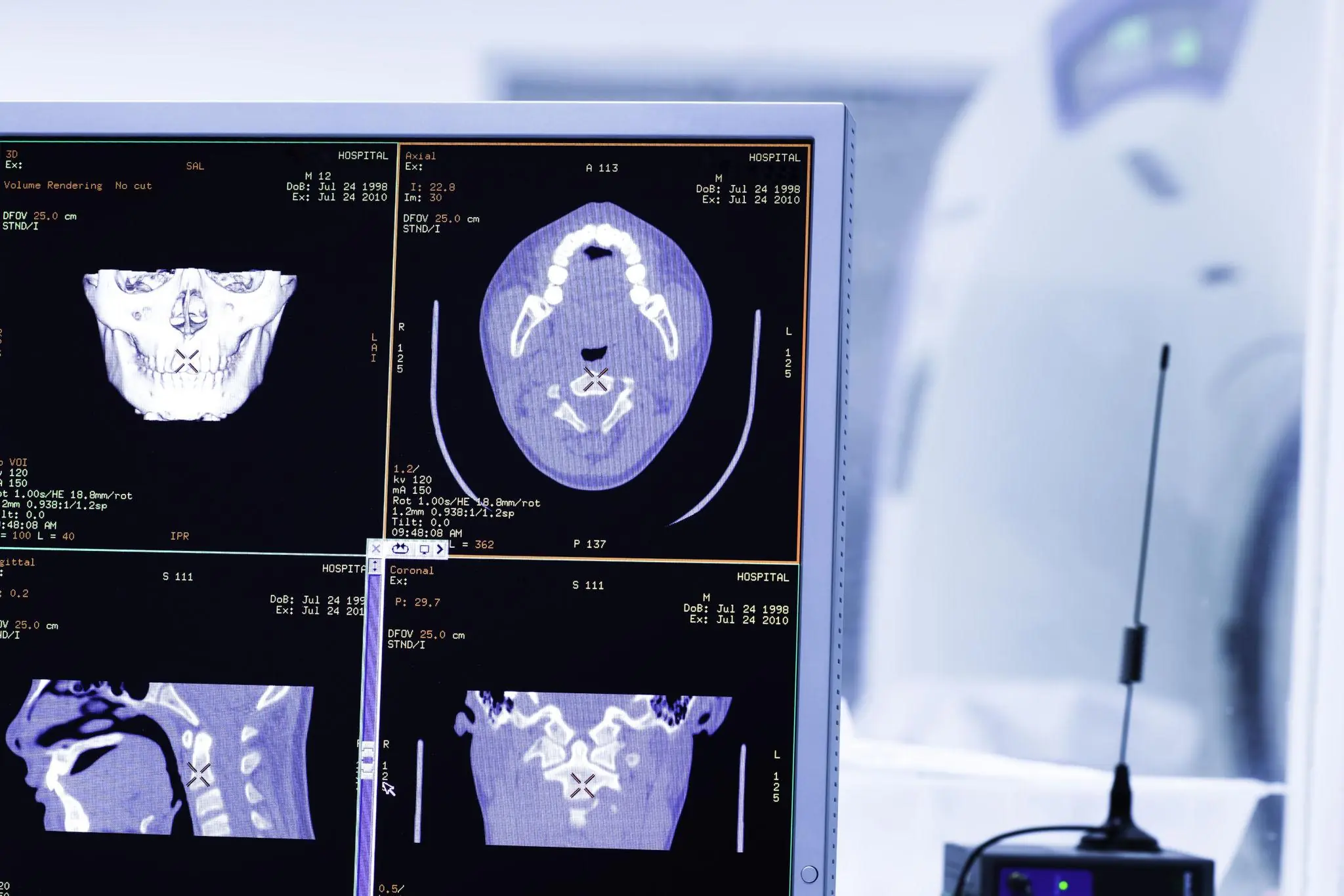
The Headache That Should Never Be Ignored

One Small Kitchen Mistake Could Put Your Liver at Risk
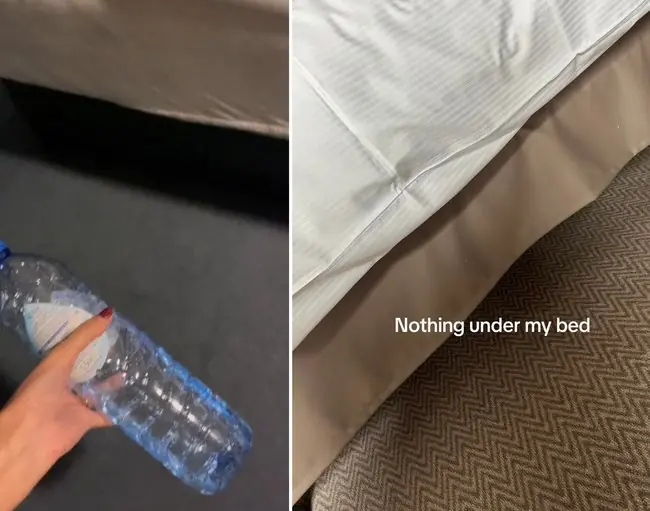
😲 A Water Bottle Under the Bed? Here's Why So Many Travelers Recommend It

👀 Magnesium Is Essential—Here Are 32 Signs You Might Not Be Getting Enough
💙 One Glass of Water After Waking Up Could Make a Difference—Here's How
🦠 Your Mop Can Collect Dirt and Germs Over Time—Here's How to Keep It Clean
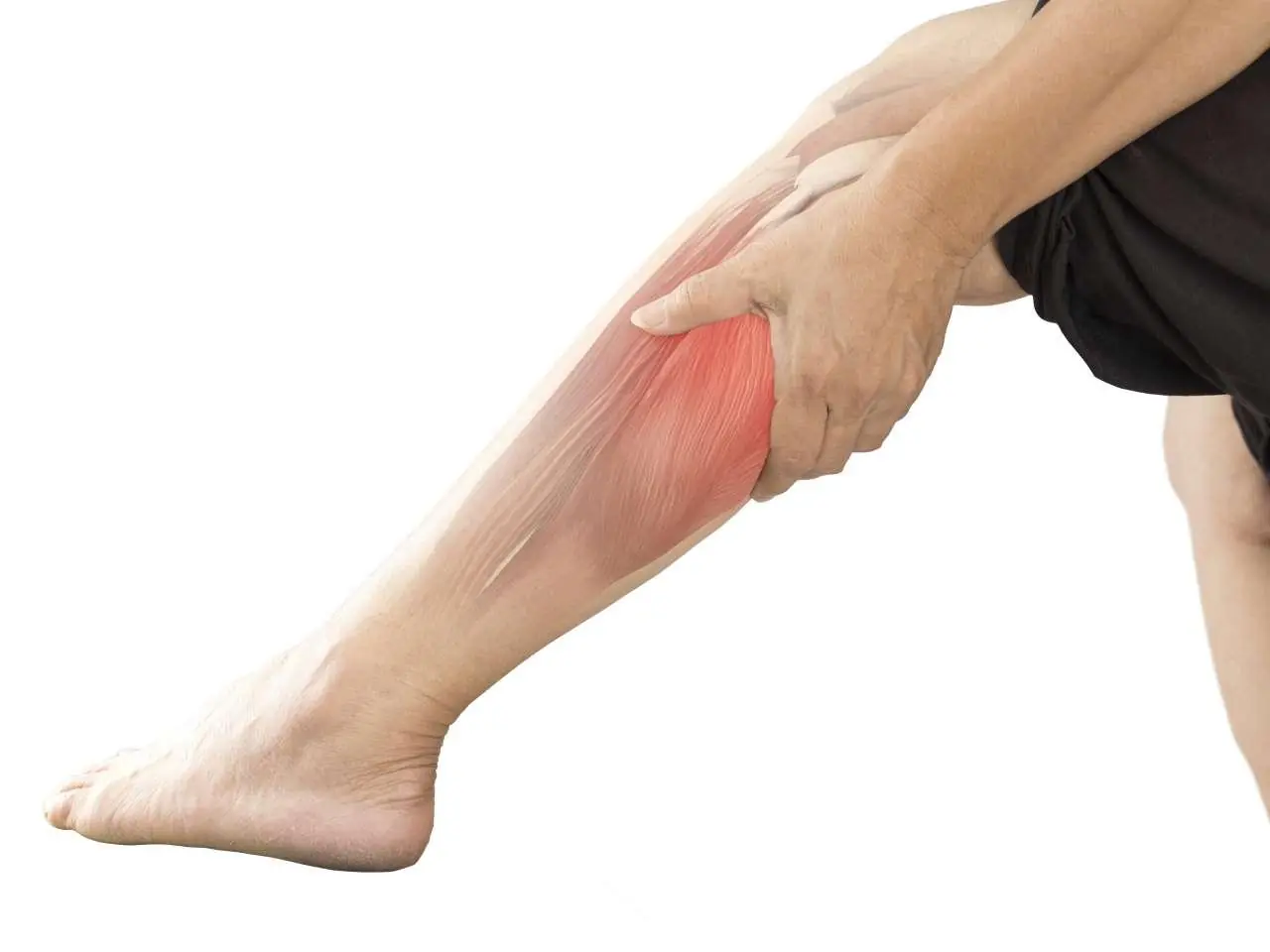
Doctors Reveal Why Night Leg Cramps Keep Waking You Up

🧠 These Symptoms May Appear Before a Stroke and Shouldn't Be Ignored
Doctors Say Frequent Nighttime Wake-Ups Can Sometimes Signal an Underlying Issue

😴 The Hidden Benefits of Sleeping on Your Left Side That Many People Don't Know
😮 Do You Wake Up Around 3 A.M. Without an Alarm? Here's What Could Be Happening
Doctors Reveal 4 Foods That May Carry Parasites More Often Than You Think
🚽 This Common Kitchen Ingredient Could Help Freshen Your Toilet Overnight ✨