
Betel Leaves: 8 Traditional Uses and Potential Health Benefits Backed by Science
Tips 14/07/2026 09:53
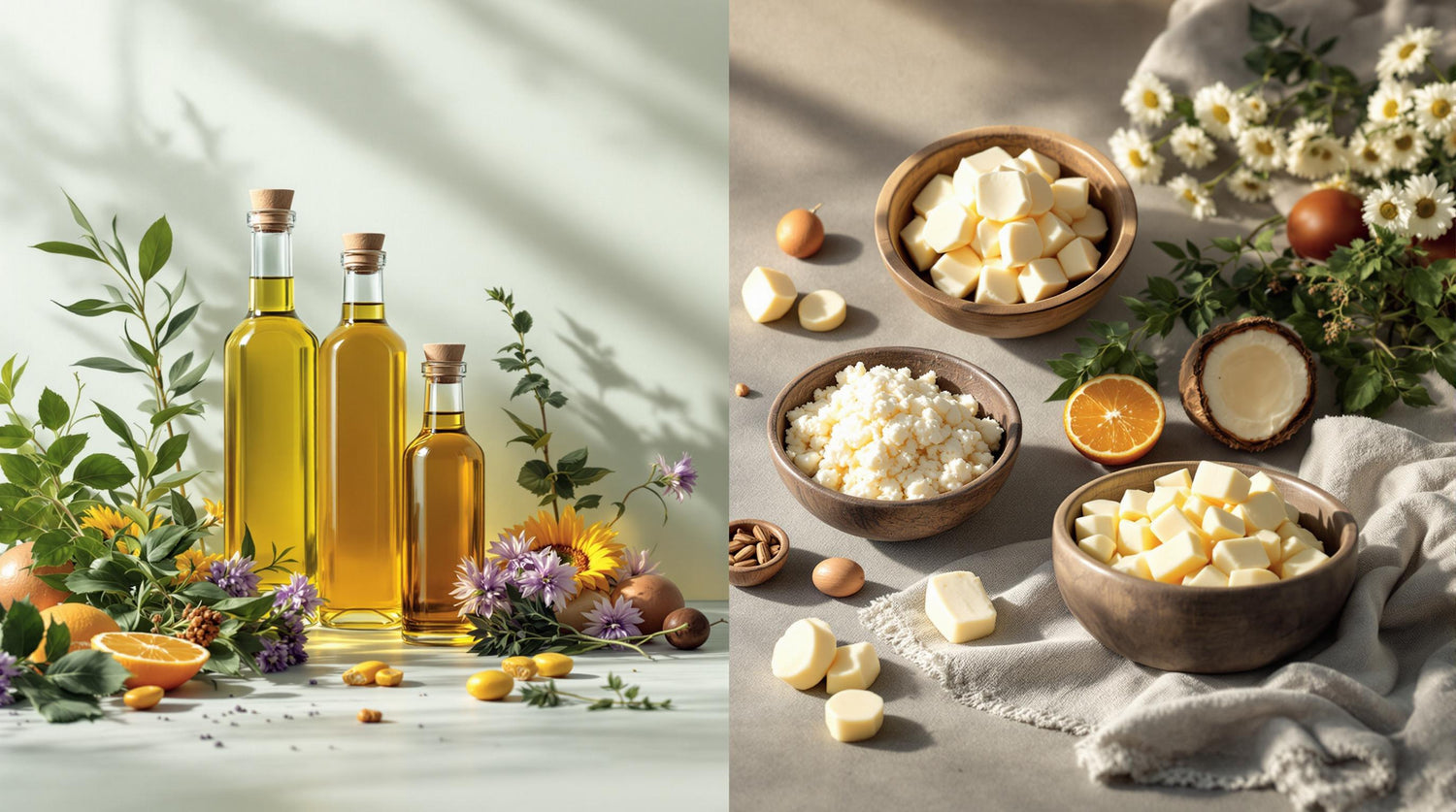
Cooking oils and fats are essential ingredients in every kitchen, but not all fats are the same. Understanding the difference between plant oils and animal fats can help you make healthier choices for cooking and everyday meals.
Here's how to tell them apart.

Plant oils are extracted from seeds, nuts, fruits, or other parts of plants.
Common examples include:
Olive oil
Avocado oil
Sunflower oil
Canola oil
Soybean oil
Sesame oil
Corn oil
Peanut oil
Most plant oils are liquid at room temperature because they contain higher amounts of unsaturated fats.

Animal fats come from meat, poultry, fish, or dairy products.
Common examples include:
Butter
Lard (pork fat)
Beef tallow
Duck fat
Chicken fat
Ghee
Many animal fats are solid or semi-solid at room temperature because they contain more saturated fat.
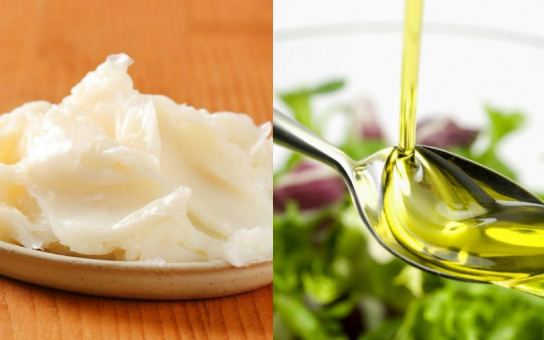
The easiest way is to look at where the fat comes from.
Plant Oils
Made from vegetables, seeds, fruits, or nuts.
Animal Fats
Made from animals or dairy products.
Food labels often make it easy to identify the source.
Examples:
"100% Olive Oil" → Plant oil
"Sunflower Oil" → Plant oil
"Butter" → Animal fat
"Beef Tallow" → Animal fat
"Lard" → Animal fat
At room temperature:
Most plant oils are:
Liquid
Smooth
Easy to pour
Many animal fats are:
Solid
Firm
Spreadable when softened
Exceptions: Coconut oil and palm oil are plant-based but become solid at cooler temperatures because they are naturally higher in saturated fat.
Usually higher in:
Monounsaturated fats
Polyunsaturated fats
Omega-3 or Omega-6 fatty acids (depending on the oil)
Usually higher in:
Saturated fat
Cholesterol (plant oils naturally contain no cholesterol)
Plant oils are commonly used for:
Salad dressings
Stir-frying
Roasting
Baking
Sautéing
Animal fats are often used for:
Frying
Baking pastries
Roasting meats
Traditional recipes
For most people, health organizations recommend replacing foods high in saturated fat with sources of unsaturated fats whenever possible.
Healthier everyday choices include:
Extra virgin olive oil
Avocado oil
Canola oil
Peanut oil
Sesame oil
Animal fats can still be enjoyed in moderation as part of a balanced diet, but consuming large amounts of saturated fat may increase the risk of heart disease in some individuals.
Plant oils and animal fats each have their place in cooking, but they differ in their source, texture, and nutritional profile. Most plant oils are rich in heart-friendly unsaturated fats and contain no cholesterol, while animal fats generally provide more saturated fat and naturally contain cholesterol.
Choosing minimally processed plant oils for everyday cooking, limiting excessive saturated fat intake, and maintaining a balanced diet are simple steps that can support long-term health.

🚽 This Common Kitchen Ingredient Could Help Freshen Your Toilet Overnight ✨

One Empty Bottle Could Change the Way You Do Laundry

Your first choice may reveal surprising clues about your personality today.

Remove freezer ice safely with simple methods that save time and energy.

A rare ocean treasure can be worth a fortune—but it's not what you think.
💸 One Tiny Packet Could Help You Prevent Costly Damage Around the House 👇
Don't Be Fooled! Here's How to Tell Whether Your Honey Is Pure or Adulterated
Most People Think It's Spoiled—The Truth May Surprise You

💸 You Could Be Paying More Than Necessary Every Month Because of These Everyday Appliances 👇


A small tattoo may have many meanings—avoid assumptions based on appearance.
Don't throw rice water away—it has many practical uses you may not know.

Doctors Recommend Limiting These Fish Because of Mercury

Doctors Say Frequent Nighttime Wake-Ups Can Sometimes Signal an Underlying Issue

😴 The Hidden Benefits of Sleeping on Your Left Side That Many People Don't Know

😮 Do You Wake Up Around 3 A.M. Without an Alarm? Here's What Could Be Happening

Doctors Reveal 4 Foods That May Carry Parasites More Often Than You Think
🚽 This Common Kitchen Ingredient Could Help Freshen Your Toilet Overnight ✨

🐟 You Might Be Surprised by What Experts Say About Tilapia 👀
Healthy bones start with everyday nutrition, exercise, and smart lifestyle habits.
One Empty Bottle Could Change the Way You Do Laundry

These Hidden Health Issues May Cause Unexplained Bruising
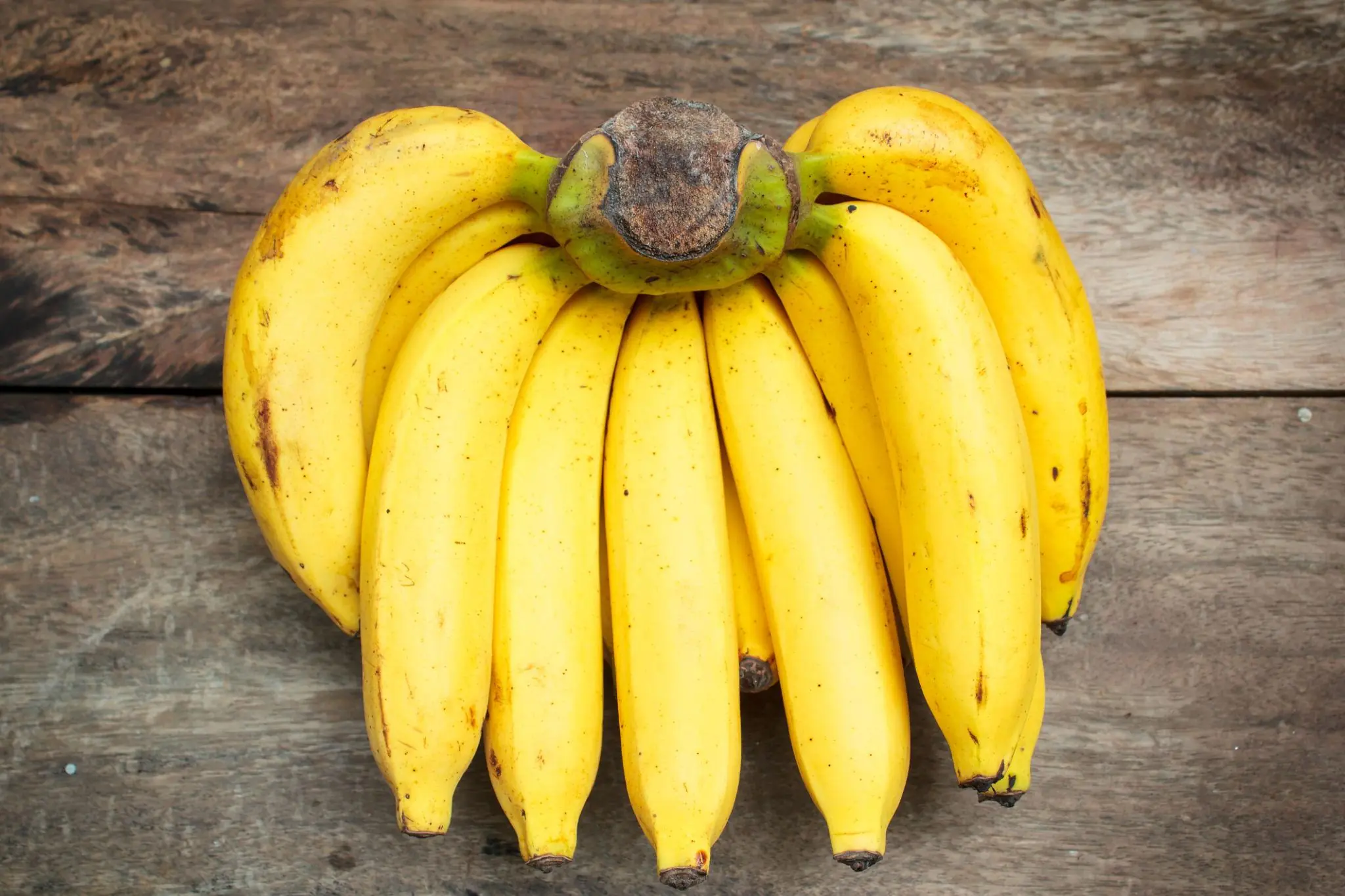
The Hidden Side of Bananas That Most People Don't Know

Who Should Avoid Eating Too Much Jackfruit?
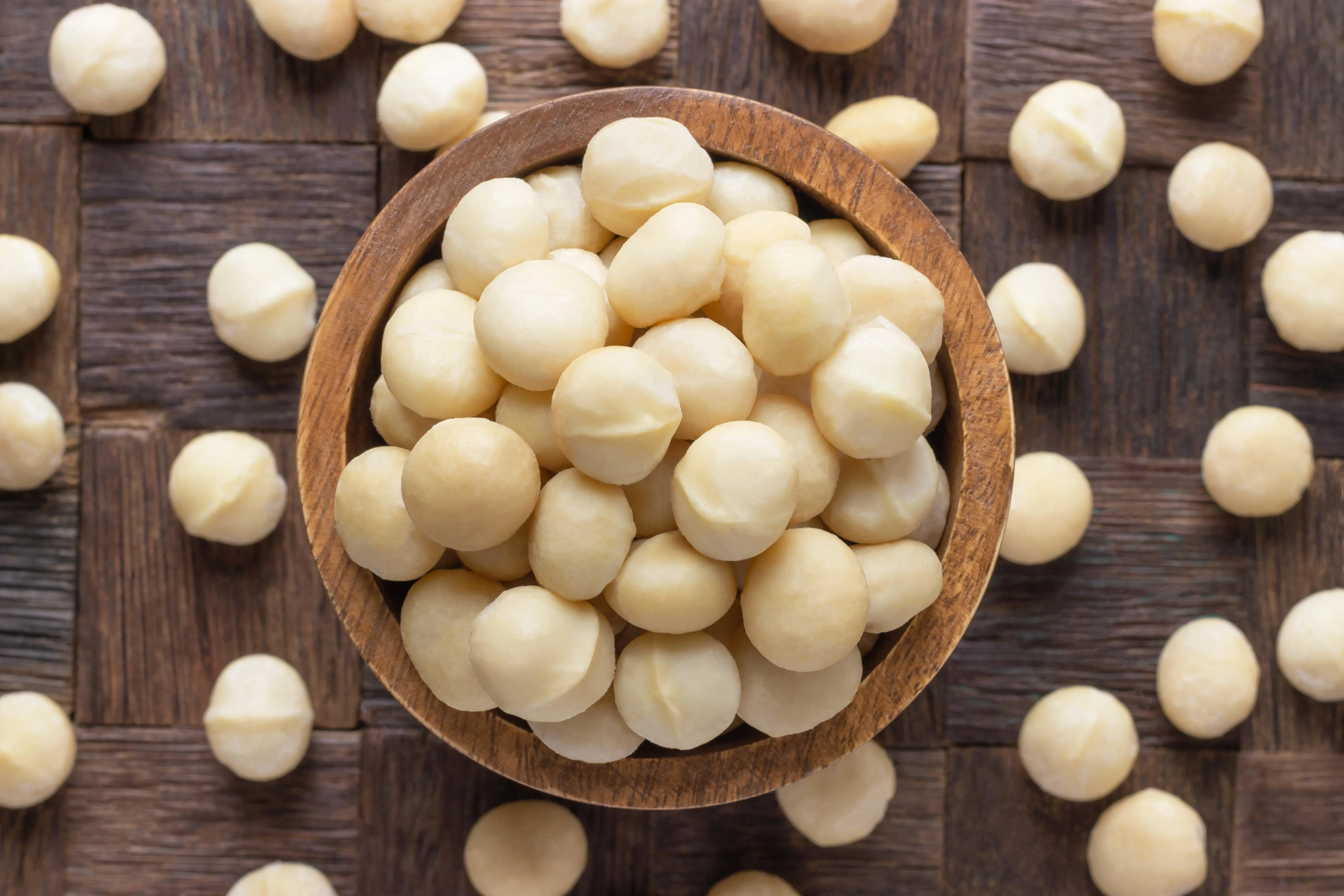
Macadamia nuts offer valuable nutrients, but they should be eaten in moderation.

⚠️ Bruises That Keep Coming Back? Understanding the Possible Reasons Matters.

⚠️ Recognizing These 9 Signs of Diabetes Could Make a Difference.

😴 Could One Small Change in How You Sleep Benefit Your Health?
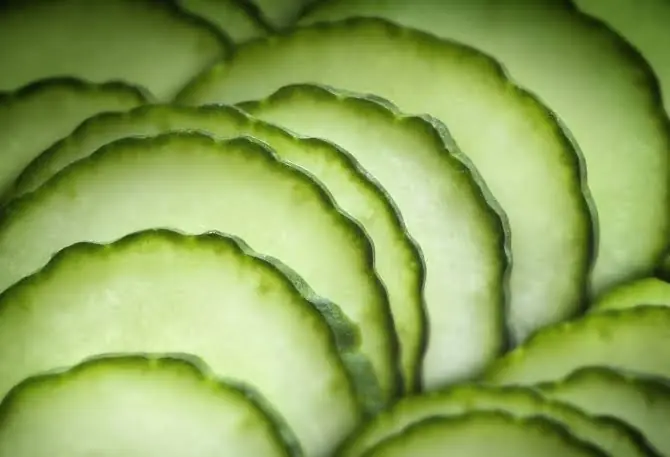
🥒 Cucumbers Aren't Just Refreshing—They May Benefit Your Health Too.
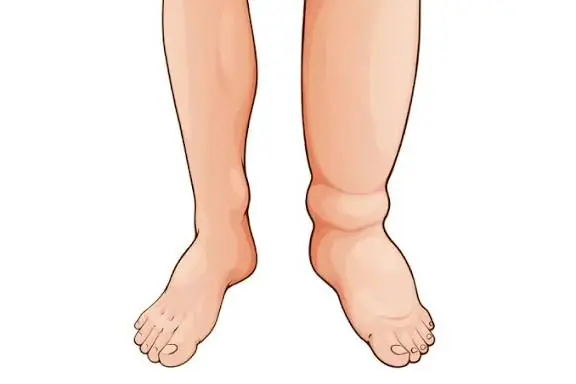
🚑 If Your Legs Keep Swelling, Doctors Recommend Paying Attention.
Your first choice may reveal surprising clues about your personality today.