
Eggs: 8 Incredible Health Benefits That Make Them One of Nature’s Perfect Foods
Tips 13/07/2026 15:55

Walnuts are often called one of nature's healthiest nuts—and for good reason. Packed with heart-healthy fats, plant-based protein, fiber, vitamins, minerals, and antioxidants, these crunchy nuts offer a wide range of health benefits.
Whether eaten as a snack, added to oatmeal, mixed into salads, or blended into baked goods, walnuts are an easy and delicious way to improve your nutrition.
Here are eight science-backed reasons to enjoy more walnuts.
Walnuts are one of the few tree nuts that provide a significant amount of alpha-linolenic acid (ALA), a plant-based omega-3 fatty acid.
ALA may help:
Support cardiovascular health.
Reduce inflammation.
Promote healthy blood vessels.
Lower the risk of heart disease when consumed as part of a balanced diet.
Walnuts contain a variety of antioxidants, including:
Polyphenols
Vitamin E
Melatonin
Ellagic acid
These compounds help protect cells from oxidative stress caused by free radicals, which is linked to aging and many chronic diseases.
Thanks to their healthy fats and antioxidant content, walnuts have long been associated with brain health.
Research suggests that regularly eating walnuts may help:
Support memory and learning.
Maintain cognitive function with age.
Protect brain cells from oxidative damage.
While no single food can prevent cognitive decline, walnuts can be part of a brain-friendly eating pattern.
The combination of unsaturated fats, fiber, and plant compounds in walnuts may help:
Maintain healthy cholesterol levels.
Support normal blood pressure.
Improve blood vessel function.
Replacing snacks high in saturated fat with walnuts can benefit overall cardiovascular health.
Chronic inflammation is associated with many long-term health conditions.
Walnuts contain omega-3 fats and polyphenols that may help reduce inflammatory markers when included as part of a healthy lifestyle.
Walnuts provide both fiber and polyphenols that serve as fuel for beneficial gut bacteria.
A healthy gut microbiome is linked to:
Better digestion.
Improved immune function.
Enhanced overall well-being.
Eating walnuts regularly may encourage greater diversity of beneficial gut microbes.
Although walnuts are calorie-dense, studies suggest they can still fit into a healthy weight-management plan.
Their combination of:
Protein
Fiber
Healthy fats
helps increase fullness, making it easier to avoid overeating throughout the day.
Walnuts are a good source of essential nutrients, including:
Copper
Magnesium
Manganese
Phosphorus
Vitamin B6
Folate
These nutrients support energy production, bone health, immune function, and many other important processes in the body.
Adding walnuts to your meals is simple:
Sprinkle chopped walnuts over oatmeal.
Mix them into yogurt.
Add them to salads for extra crunch.
Blend them into smoothies.
Bake them into muffins or bread.
Stir them into homemade granola.
Enjoy a small handful as a healthy afternoon snack.
While walnuts are highly nutritious, keep these tips in mind:
Walnuts are one of the major tree nut allergens and should be avoided by anyone with a walnut allergy.
Because they are calorie-dense, moderation is key—about one small handful (around 1 ounce or 28 grams) per day is a reasonable serving for most adults.
Store walnuts in an airtight container in the refrigerator or freezer to prevent their healthy fats from becoming rancid.
Walnuts are among the most nutrient-dense foods you can add to your diet. Rich in omega-3 fatty acids, antioxidants, fiber, and essential minerals, they may support heart health, brain function, digestion, and overall wellness.
Adding just a handful of walnuts to your daily routine is a simple, delicious way to nourish your body and enjoy the benefits of one of nature's most powerful superfoods.
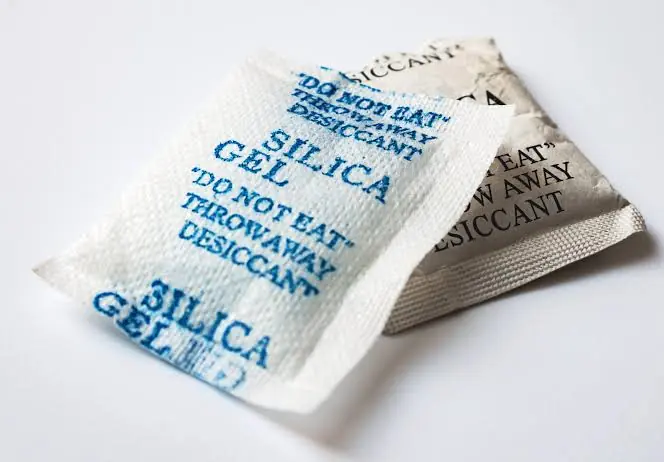
💸 One Tiny Packet Could Help You Prevent Costly Damage Around the House 👇

Don't Be Fooled! Here's How to Tell Whether Your Honey Is Pure or Adulterated
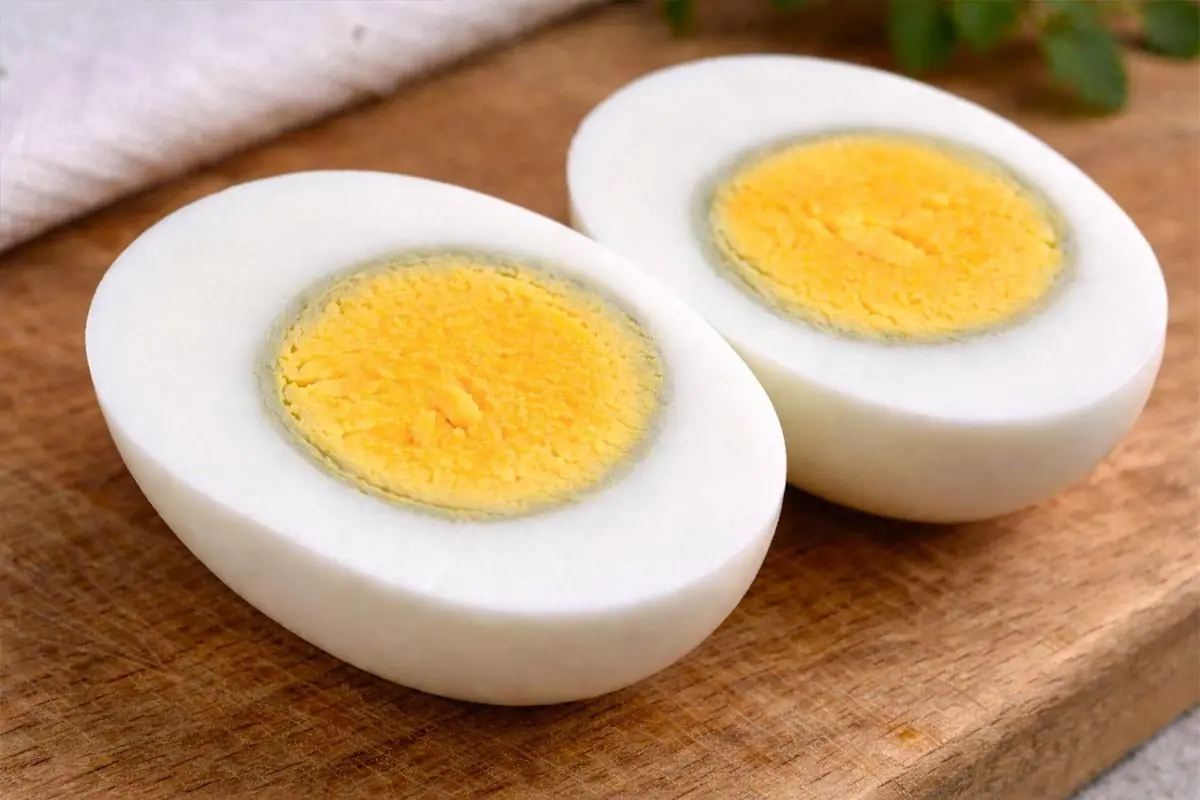
Most People Think It's Spoiled—The Truth May Surprise You

💸 You Could Be Paying More Than Necessary Every Month Because of These Everyday Appliances 👇


A small tattoo may have many meanings—avoid assumptions based on appearance.
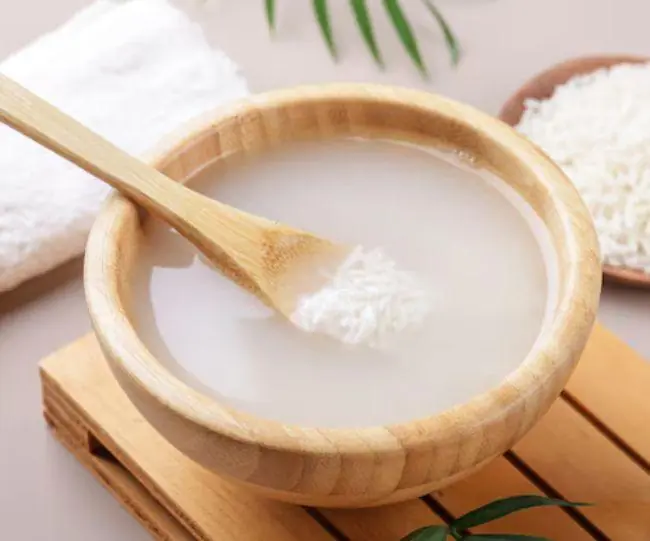
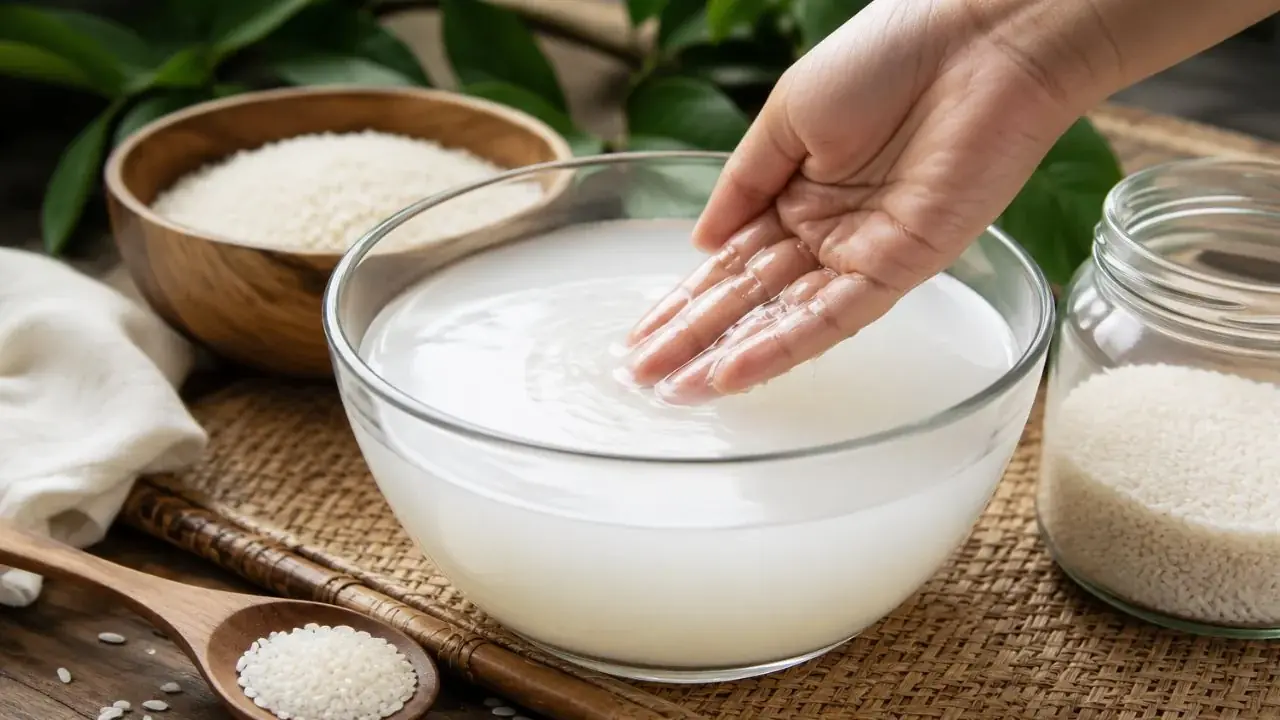
Don't throw rice water away—it has many practical uses you may not know.

Doctors Recommend Limiting These Fish Because of Mercury

Try this easy kitchen hack first.

Don't overthink it—your first choice says more about you than you realize.

Home Cooks Swear by This Simple Trick for Rich, Flavorful Homemade Jam

A tiny mark with a surprising genetic story.

Choosing respectful funeral attire honors both tradition and grieving families.
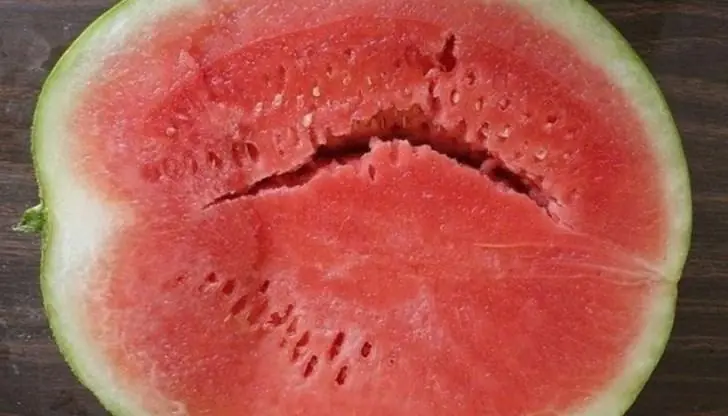
Internal cracks in watermelon may signal quality or growing concerns.

This simple bottle cap trick is surprising people everywhere.

Everyone Will Ask for a Second Glass!

Doctors Couldn't Believe the Cause

The Real Reason Dogs Lick You Will Surprise You

Most People Ignore These Nighttime Clues Until It's Too Late

🚑 Not Every Allergy-Like Symptom Is an Allergy—This Story Shows Why 👇
💸 One Tiny Packet Could Help You Prevent Costly Damage Around the House 👇

🎃🍽️ One Popular Vegetable May Offer Surprising Health Perks... With a Few Cautions 👇

Sleeping on your left side may support digestion, brain, and lymphatic health.

Eggs for Breakfast Could Offer More Benefits Than You Think
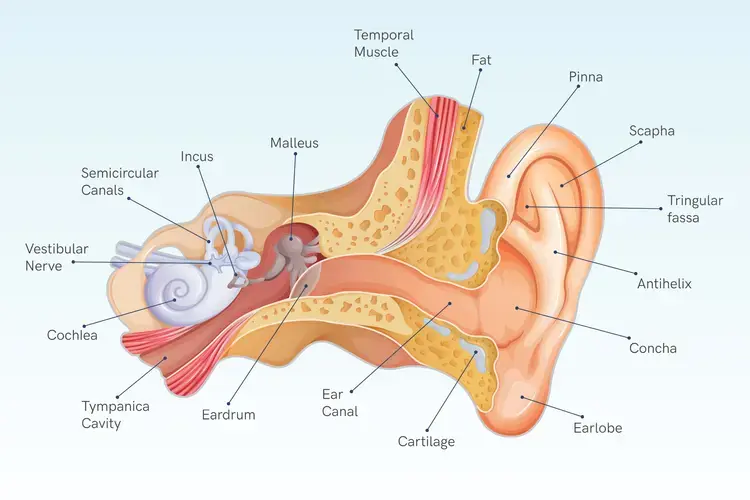
⚠️ Hearing Buzzing or Ringing in Silence? Here's What Health Experts Want You to Know 👇
Don't Be Fooled! Here's How to Tell Whether Your Honey Is Pure or Adulterated

The Hidden Health Risks of 3 Popular Kitchen Seasonings

🚑 15 Possible Warning Signs of Stomach Cancer Everyone Should Know 👇

Recognize these early warning signs before minor symptoms become major problems.
Most People Think It's Spoiled—The Truth May Surprise You

🍌✨ A Banana Before Bed: Healthy Habit or Common Mistake? Here's What to Know 👇

⚡ Don't Miss These 10 Possible Signs That May Appear Before a Stroke 👇