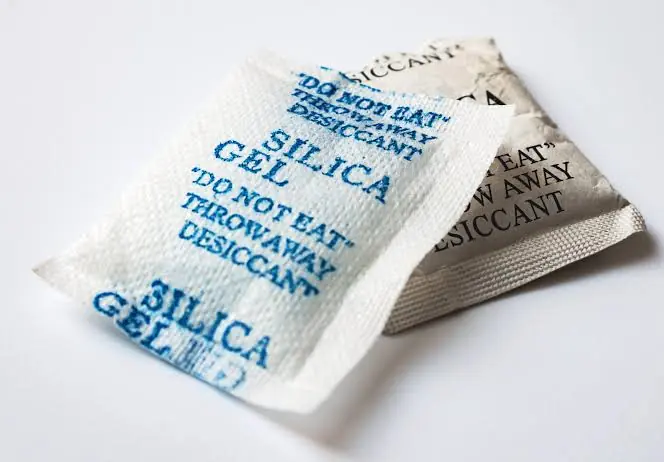
The Hidden Uses of Silica Gel Packs That Most People Never Discover
💸 One Tiny Packet Could Help You Prevent Costly Damage Around the House 👇
Sesame seeds may be tiny, but they're packed with nutrients that can make a big difference in your overall health. Used for thousands of years in cuisines around the world, these little seeds are rich in healthy fats, protein, fiber, vitamins, minerals, and powerful antioxidants.
Whether sprinkled over salads, blended into tahini, or added to baked goods, sesame seeds are an easy way to boost your daily nutrition.
Here are eight science-backed reasons to include more sesame seeds in your diet.
Despite their small size, sesame seeds are loaded with important nutrients, including:
Healthy unsaturated fats
Plant-based protein
Dietary fiber
Calcium
Magnesium
Iron
Zinc
Copper
B vitamins
Vitamin E
Just a small serving can contribute significantly to your daily nutrient needs.
Sesame seeds contain heart-friendly unsaturated fats along with plant compounds called lignans and phytosterols.
These nutrients may help:
Support healthy cholesterol levels.
Promote healthy blood circulation.
Reduce oxidative stress associated with heart disease.
Replacing saturated fats with healthier fats from foods like sesame seeds can benefit cardiovascular health.
Sesame seeds are an excellent source of minerals involved in bone health, including:
Calcium
Magnesium
Phosphorus
Zinc
Copper
These nutrients work together to maintain bone density and support normal bone remodeling, especially as we age.
For vegetarians and vegans, sesame seeds provide valuable plant-based protein that supports:
Muscle maintenance
Tissue repair
Enzyme production
Overall body function
Pairing sesame seeds with legumes or whole grains provides an even more complete amino acid profile.
The dietary fiber in sesame seeds helps:
Support regular bowel movements.
Feed beneficial gut bacteria.
Increase feelings of fullness after meals.
A healthy digestive system plays an important role in overall wellness.
Sesame seeds contain natural antioxidants such as:
Sesamin
Sesamolin
Vitamin E
These compounds help protect cells from oxidative damage caused by free radicals and support healthy aging.
Some research suggests that sesame's natural lignans and healthy fats may help reduce markers of chronic inflammation when consumed as part of a balanced diet.
While sesame seeds are not a treatment for inflammatory diseases, they can contribute to an anti-inflammatory eating pattern.
Because sesame seeds are rich in healthy fats, fiber, and protein while being relatively low in carbohydrates, they may help slow digestion and reduce rapid spikes in blood sugar after meals.
Including sesame seeds in balanced meals may support healthy glucose control alongside other healthy lifestyle habits.
Adding sesame seeds to your meals is simple:
Sprinkle them over salads.
Mix them into yogurt or oatmeal.
Add them to smoothies.
Bake them into bread or muffins.
Stir them into stir-fries.
Use tahini as a dip or salad dressing.
Coat chicken or fish before baking.
Top roasted vegetables for extra crunch.
Although sesame seeds are highly nutritious, keep these points in mind:
Sesame is one of the most common food allergens worldwide.
They are calorie-dense, so portion control is important.
People with known sesame allergies should avoid all sesame products.
Whole sesame seeds provide more fiber, while tahini offers a smoother texture with similar nutritional benefits.
Sesame seeds may be small, but they deliver an impressive combination of healthy fats, protein, fiber, vitamins, minerals, and antioxidants. Regularly including moderate amounts of sesame seeds in a balanced diet may support heart health, stronger bones, better digestion, and overall wellness.
A simple sprinkle each day can be an easy step toward a healthier lifestyle.
💸 One Tiny Packet Could Help You Prevent Costly Damage Around the House 👇
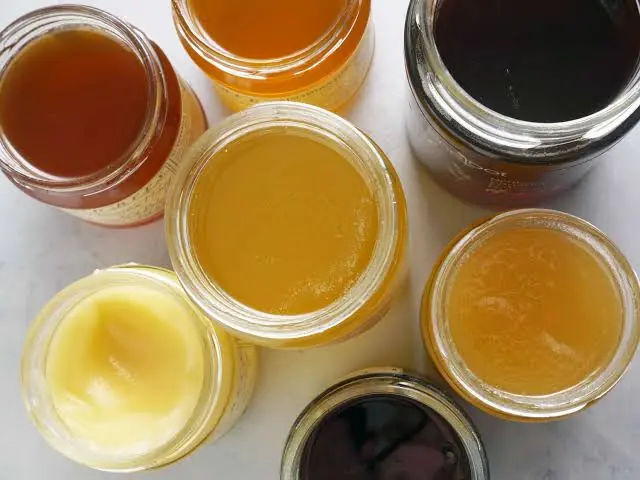
Don't Be Fooled! Here's How to Tell Whether Your Honey Is Pure or Adulterated
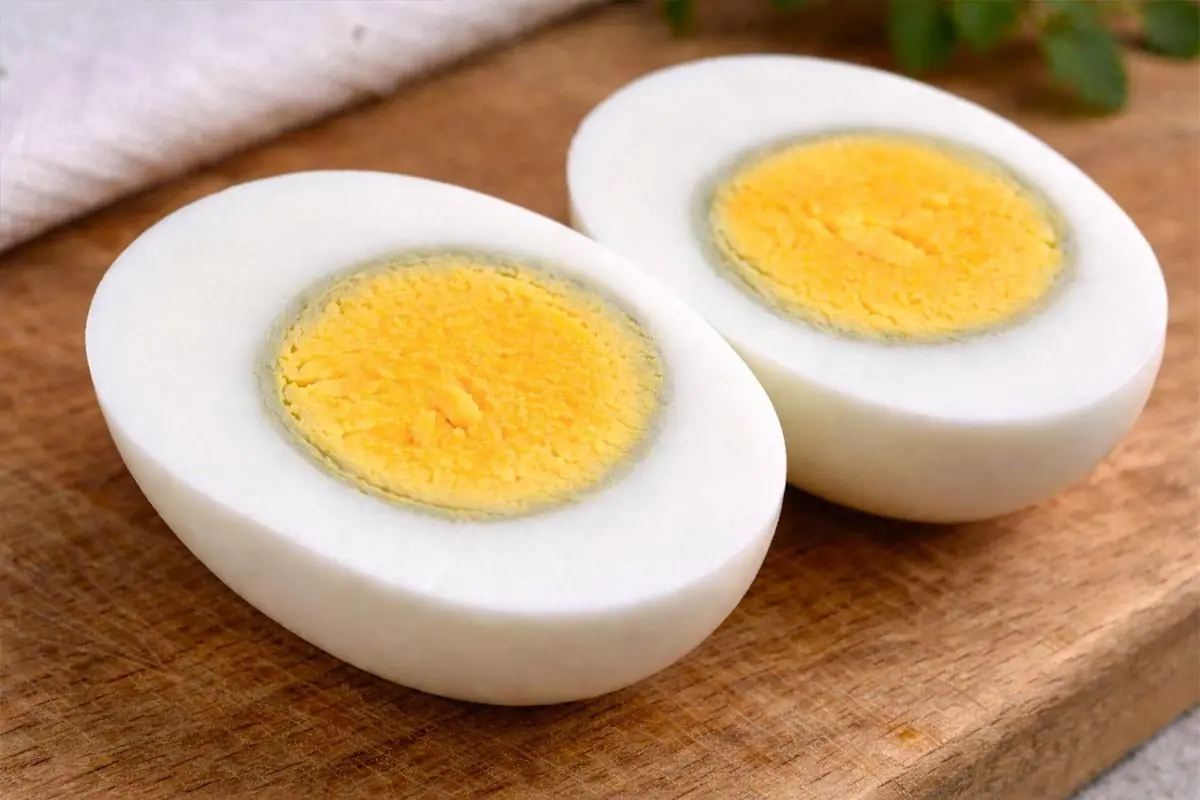
Most People Think It's Spoiled—The Truth May Surprise You

💸 You Could Be Paying More Than Necessary Every Month Because of These Everyday Appliances 👇


A small tattoo may have many meanings—avoid assumptions based on appearance.
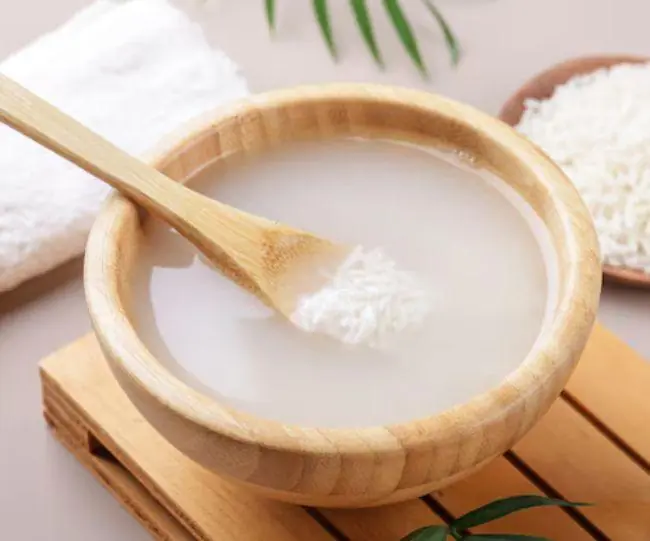
Don't throw rice water away—it has many practical uses you may not know.

Doctors Recommend Limiting These Fish Because of Mercury
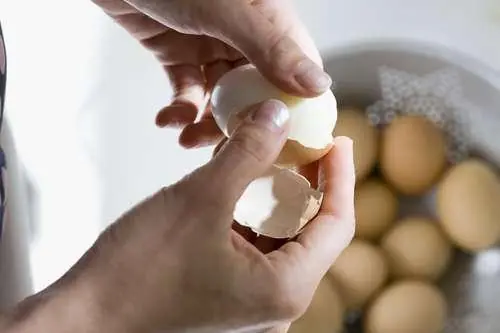
Try this easy kitchen hack first.

Don't overthink it—your first choice says more about you than you realize.

Home Cooks Swear by This Simple Trick for Rich, Flavorful Homemade Jam
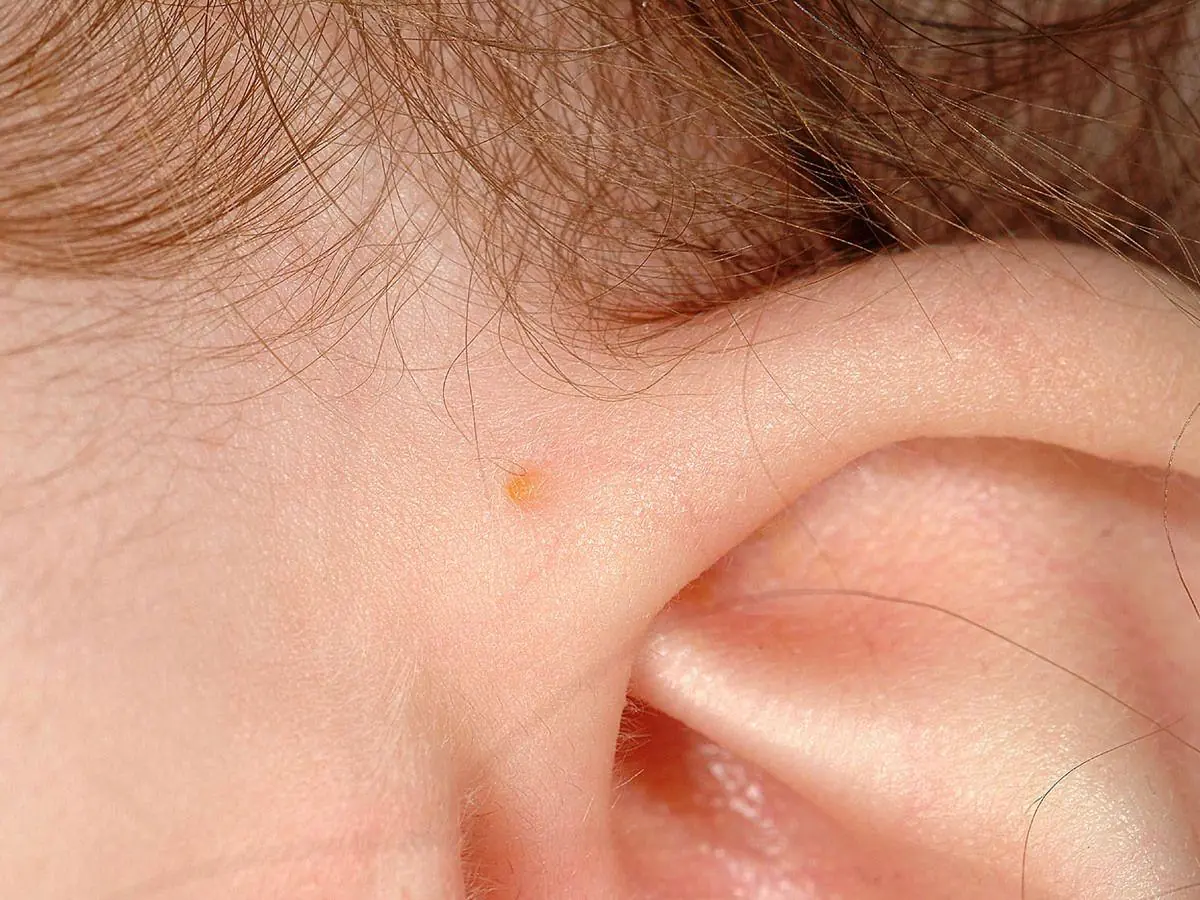
A tiny mark with a surprising genetic story.

Choosing respectful funeral attire honors both tradition and grieving families.
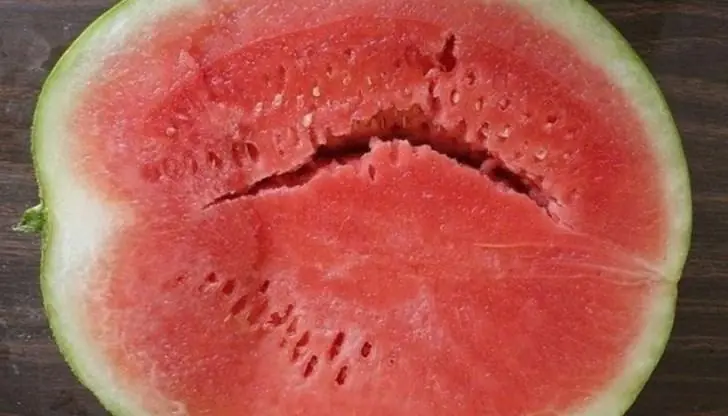
Internal cracks in watermelon may signal quality or growing concerns.

This simple bottle cap trick is surprising people everywhere.

Everyone Will Ask for a Second Glass!
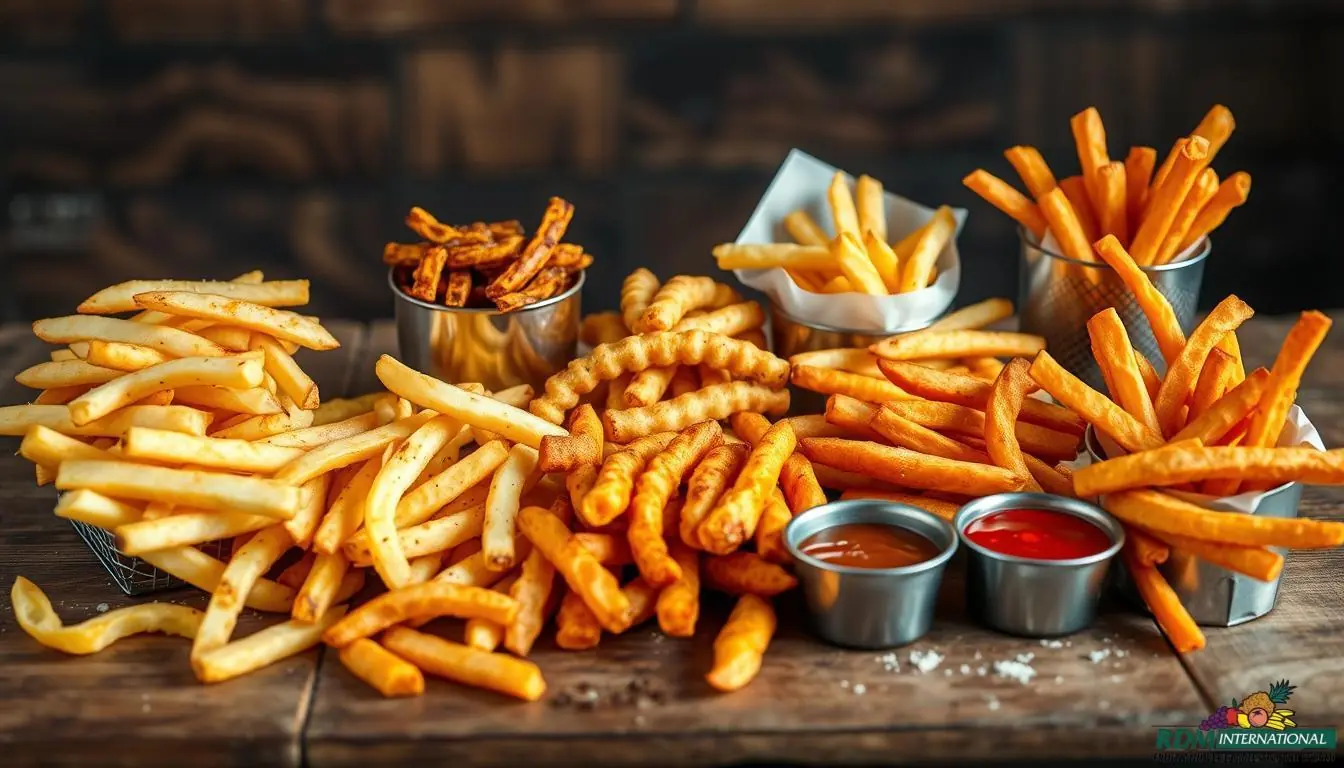
Most People Pick Fry C… Which One Are You?

If You See This Tiny Silver Bug in Your Home, Don't Ignore It!

The Real Reason Dogs Lick You Will Surprise You

Most People Ignore These Nighttime Clues Until It's Too Late

🚑 Not Every Allergy-Like Symptom Is an Allergy—This Story Shows Why 👇
💸 One Tiny Packet Could Help You Prevent Costly Damage Around the House 👇
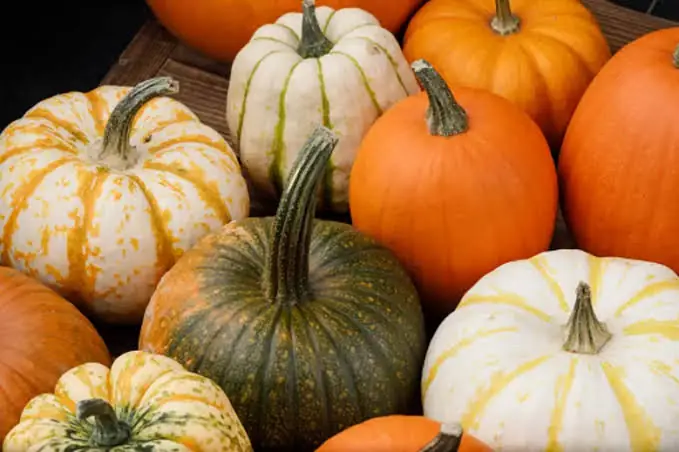
🎃🍽️ One Popular Vegetable May Offer Surprising Health Perks... With a Few Cautions 👇

Sleeping on your left side may support digestion, brain, and lymphatic health.

Eggs for Breakfast Could Offer More Benefits Than You Think
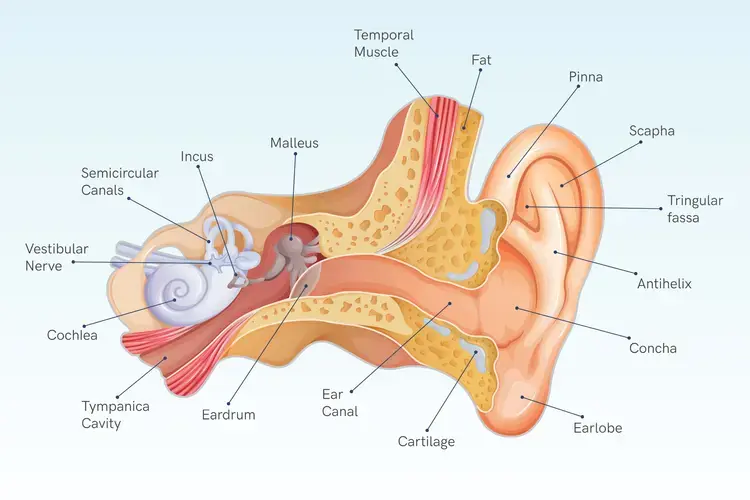
⚠️ Hearing Buzzing or Ringing in Silence? Here's What Health Experts Want You to Know 👇
Don't Be Fooled! Here's How to Tell Whether Your Honey Is Pure or Adulterated

The Hidden Health Risks of 3 Popular Kitchen Seasonings

🚑 15 Possible Warning Signs of Stomach Cancer Everyone Should Know 👇

Recognize these early warning signs before minor symptoms become major problems.
Most People Think It's Spoiled—The Truth May Surprise You
🍌✨ A Banana Before Bed: Healthy Habit or Common Mistake? Here's What to Know 👇
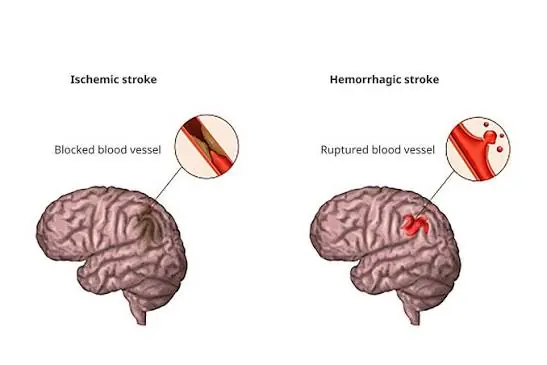
⚡ Don't Miss These 10 Possible Signs That May Appear Before a Stroke 👇

Why Does Your Dog Always Smell Your Private Area? There's a Scientific Explanation

Daily pork hock may offer nutrients—but moderation and balance still matter.
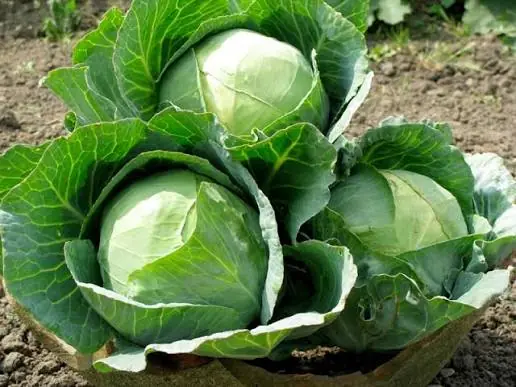
🥬 Before Your Next Serving of Cabbage, Check Whether This Applies to You 👀👇