🚨 Your Body May Warn You Before a Stroke — Here Are 10 Signs to Watch For
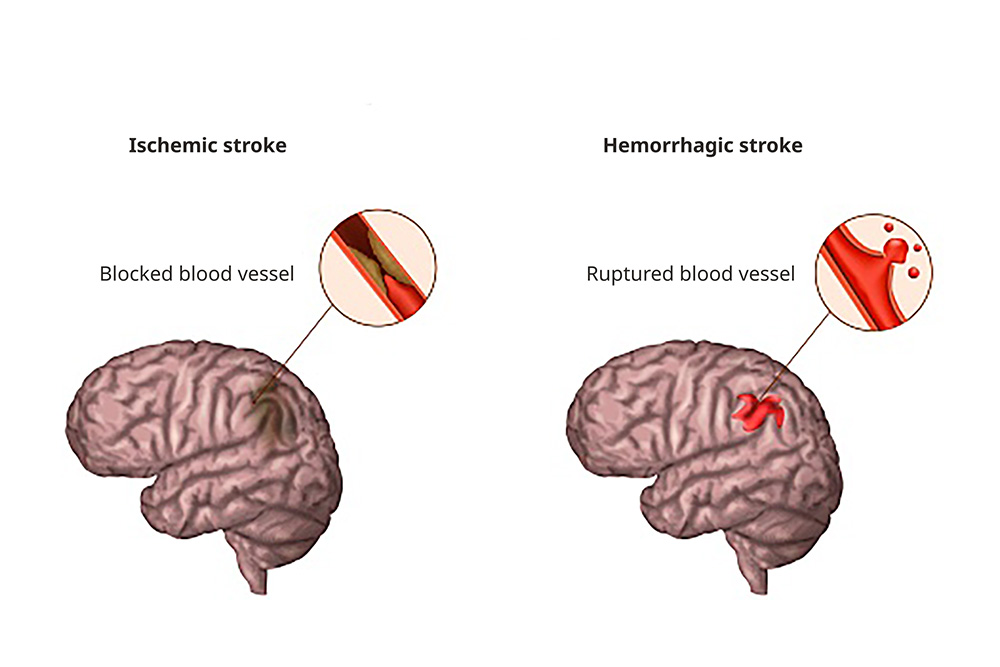
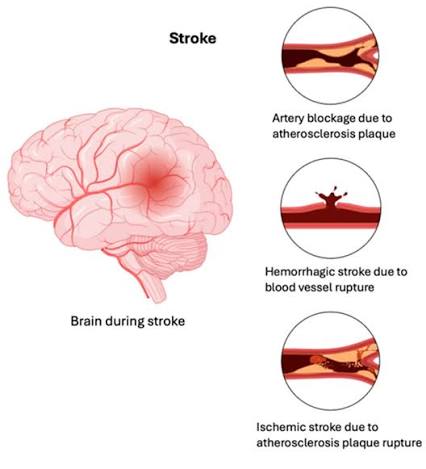
A stroke is a medical emergency that occurs when blood flow to part of the brain is interrupted or when a blood vessel in the brain ruptures. While some strokes happen suddenly without warning, others may be preceded by temporary symptoms that should never be ignored.
Recognizing these possible warning signs and seeking immediate medical care could make a significant difference. Keep in mind that these symptoms do not always mean a stroke is occurring, but they should be evaluated promptly.
1. Sudden Weakness or Numbness on One Side of the Body
:max_bytes(150000):strip_icc()/Health-stroke-overview-7254292-final-009786fc606c4dd6bb746c2bf8f8e1b0.png)
One of the most recognizable stroke warning signs is sudden weakness or numbness affecting the face, arm, or leg—especially on only one side.
You may notice:
- Difficulty lifting one arm
- A drooping side of the face
- A leg that suddenly feels weak or difficult to control
2. Trouble Speaking or Understanding Speech
A person experiencing a stroke may suddenly:
- Slur their words
- Have difficulty finding the right words
- Struggle to understand what others are saying
- Speak in sentences that don't make sense
Even if these symptoms disappear after a few minutes, they require urgent medical attention.
3. Sudden Vision Changes
A stroke can affect vision in one or both eyes.
Possible symptoms include:
- Blurred vision
- Double vision
- Partial or complete loss of vision
- Difficulty focusing
Any sudden, unexplained vision change should be taken seriously.
4. Severe Headache With No Clear Cause
A sudden, intense headache unlike any you've had before—especially if accompanied by vomiting, dizziness, confusion, or neck stiffness—may require immediate emergency evaluation.
While many headaches are harmless, an unusually severe headache should never be ignored.
5. Dizziness or Loss of Balance
Some strokes affect the areas of the brain responsible for coordination and balance.
Warning signs may include:
- Sudden dizziness
- Difficulty walking
- Loss of coordination
- Frequent stumbling
- Feeling unusually unsteady
6. Sudden Confusion
A person may suddenly become confused, disoriented, or have trouble thinking clearly.
They might:
- Forget where they are
- Struggle to answer simple questions
- Have difficulty following conversations
- Appear unusually distracted or confused
7. Facial Drooping
One side of the face may begin to droop or feel numb.
A simple way to check is to ask the person to smile. If one side doesn't move normally, seek emergency medical care immediately.
8. Sudden Difficulty Swallowing
Although less widely recognized, trouble swallowing can sometimes occur during a stroke.
Symptoms may include:
- Choking while drinking
- Difficulty swallowing food
- A sensation that food is "stuck"
9. Sudden Extreme Fatigue
Some people report overwhelming, unexplained fatigue shortly before or during a stroke, particularly when accompanied by other neurological symptoms.
Fatigue alone usually has many possible causes, but sudden exhaustion together with weakness, confusion, or speech problems deserves urgent attention.
10. A Transient Ischemic Attack (TIA)
Sometimes called a "mini-stroke," a transient ischemic attack causes stroke-like symptoms that usually resolve within minutes or hours.
A TIA may involve:
- Temporary weakness
- Brief vision loss
- Trouble speaking
- Facial drooping
- Numbness
Although symptoms improve, a TIA is a serious warning sign. It significantly increases the risk of a future stroke and requires immediate medical evaluation.
Remember the FAST Warning Signs
Health professionals often recommend the FAST method to recognize a possible stroke quickly:
F – Face: Ask the person to smile. Does one side droop?
A – Arms: Ask them to raise both arms. Does one drift downward?
S – Speech: Is speech slurred or difficult to understand?
T – Time: If any of these signs are present, call emergency medical services immediately.
Can Stroke Risk Be Reduced?
While not every stroke can be prevented, certain lifestyle habits may help lower the risk:
- Keep blood pressure under control.
- Manage diabetes and cholesterol levels.
- Avoid smoking and limit alcohol.
- Stay physically active.
- Eat a balanced diet rich in fruits, vegetables, whole grains, and lean proteins.
- Maintain a healthy weight.
- Attend regular medical checkups, especially if you have heart disease or other risk factors.
The Bottom Line
A stroke is a medical emergency where every minute matters. Some people experience warning signs before a stroke, while others do not. Knowing the possible symptoms—and acting quickly if they appear—can improve the chances of receiving timely treatment.
If you or someone nearby develops sudden weakness, facial drooping, difficulty speaking, vision changes, loss of balance, or other concerning neurological symptoms, do not wait to see if they improve. Seek emergency medical care immediately.