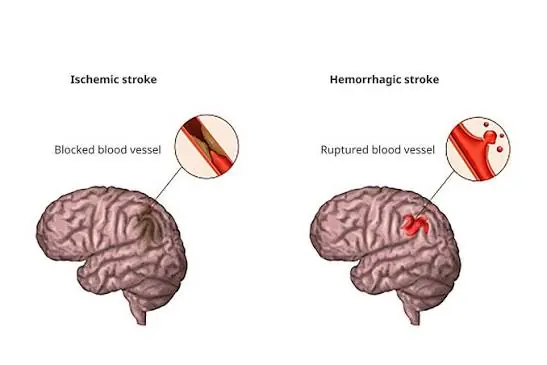
Recognizing These 10 Possible Stroke Warning Signs Could Make a Difference
⚡ Don't Miss These 10 Possible Signs That May Appear Before a Stroke 👇
Health 13/07/2026 11:17
Almost everyone experiences headaches at some point. In many cases, they're caused by stress, dehydration, or lack of sleep. But did you know that where your head hurts may offer clues about what could be triggering the pain?
While the location of a headache cannot diagnose a medical condition on its own, recognizing patterns may help you understand your symptoms better and know when it's time to seek medical advice.
A dull, tight ache across the forehead is one of the most common headache patterns.
It may be associated with:
Many people describe this type of headache as feeling like a tight band wrapped around the head. Improving posture, taking regular screen breaks, staying hydrated, and getting enough rest may help reduce these headaches.
Pain centered behind one or both eyes can have several possible causes.
It may be linked to:
If eye pain is accompanied by vision changes, redness, or swelling, it's important to seek medical evaluation rather than assuming it's a simple headache.
Headaches affecting only one side of the head are commonly associated with migraines, although they can also occur with other headache disorders.
Migraines may be accompanied by:
Migraine symptoms vary from person to person, and some attacks may switch sides or affect both sides of the head.
Temple pain can have many possible explanations.
Common contributors include:
If temple pain becomes persistent, especially in older adults or when accompanied by tenderness or vision problems, prompt medical assessment is recommended.
Pain in the back of the head is often related to neck muscles and posture.
Possible causes include:
Simple measures such as stretching, improving workstation ergonomics, and taking movement breaks throughout the day may help reduce this type of discomfort.
When pain seems to involve the whole head, it may be associated with:
People often describe this headache as a constant squeezing or pressure rather than sharp or throbbing pain.
Most headaches are not dangerous, but certain symptoms require immediate medical attention.
Seek emergency care if a headache is:
These symptoms could indicate a medical emergency and should be evaluated as soon as possible.
The location of your headache can sometimes provide useful clues, but it is only one part of the picture. Factors such as how often the headaches occur, how long they last, how severe they are, and whether other symptoms are present are just as important when determining the underlying cause.
If your headaches become frequent, unusually severe, interfere with daily life, or change noticeably from your usual pattern, it's best to consult a healthcare professional for a proper evaluation rather than relying on headache location alone.
⚡ Don't Miss These 10 Possible Signs That May Appear Before a Stroke 👇

Why Does Your Dog Always Smell Your Private Area? There's a Scientific Explanation

Daily pork hock may offer nutrients—but moderation and balance still matter.

🥬 Before Your Next Serving of Cabbage, Check Whether This Applies to You 👀👇

Eating Boiled Eggs for Breakfast Every Day? Your Body May Thank You for It
😳 Why Does Your Child Itch More at Night? The Answer May Surprise Many Parents 👇
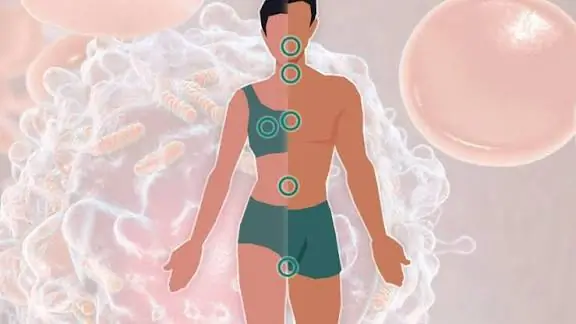
⚠️ Your Body May Show These 20 Changes Before Cancer Is Diagnosed 👇

⚠️ These Unusual Bruises Could Be Linked to an Underlying Health Condition 👀👇


🌸 Every Woman Should Pay Attention to These 4 Common Triggers of Intimate Odor Changes 👇

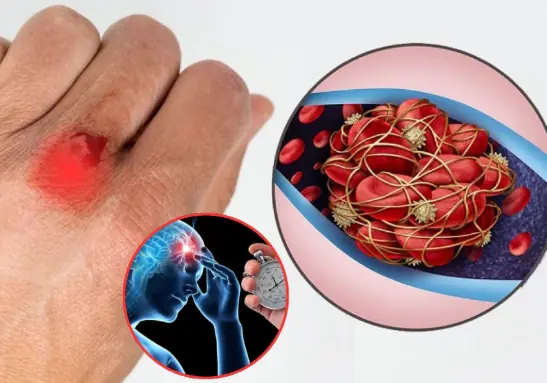
⚡ Don't Miss These 10 Possible Signs That May Appear Before a Stroke 👇

Why Does Your Dog Always Smell Your Private Area? There's a Scientific Explanation
Daily pork hock may offer nutrients—but moderation and balance still matter.
🥬 Before Your Next Serving of Cabbage, Check Whether This Applies to You 👀👇
Eating Boiled Eggs for Breakfast Every Day? Your Body May Thank You for It

💸 You Could Be Paying More Than Necessary Every Month Because of These Everyday Appliances 👇
😳 Why Does Your Child Itch More at Night? The Answer May Surprise Many Parents 👇

😳 Millions of People Believe This Egg Myth—But the Green Ring Tells a Different Story 👇
⚠️ Your Body May Show These 20 Changes Before Cancer Is Diagnosed 👇
⚠️ These Unusual Bruises Could Be Linked to an Underlying Health Condition 👀👇

🌸 Every Woman Should Pay Attention to These 4 Common Triggers of Intimate Odor Changes 👇