Betel Leaves: 8 Traditional Uses and Potential Health Benefits Backed by Science

Betel leaves (Piper betle) have been valued in traditional medicine across Asia for centuries. Known for their glossy green appearance and aromatic flavor, these leaves contain natural compounds with antimicrobial, antioxidant, and anti-inflammatory properties.
While betel leaves have a long history of traditional use, modern scientific research is still ongoing. They should not be considered a substitute for medical treatment, but they may offer several health-supporting benefits when used appropriately.
Here are eight potential benefits of betel leaves.
1. Rich in Natural Antioxidants
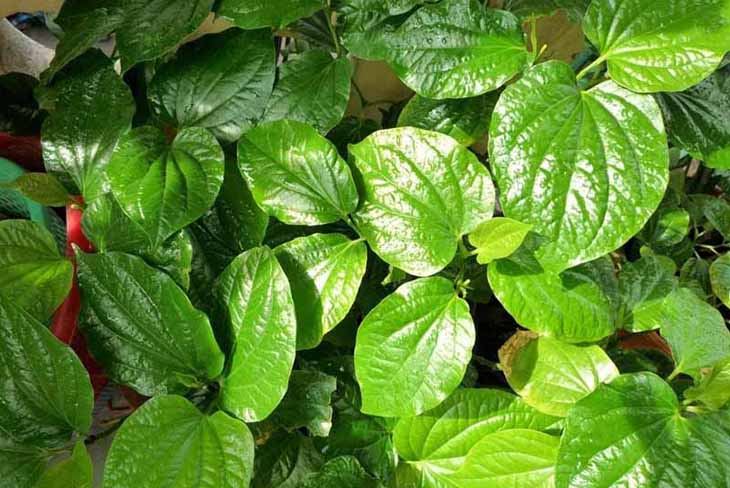
Betel leaves contain bioactive compounds such as:
-
Polyphenols
-
Flavonoids
-
Eugenol
-
Hydroxychavicol
These antioxidants help protect cells from oxidative stress caused by free radicals, which may contribute to healthy aging and overall wellness.
2. Supports Oral Health
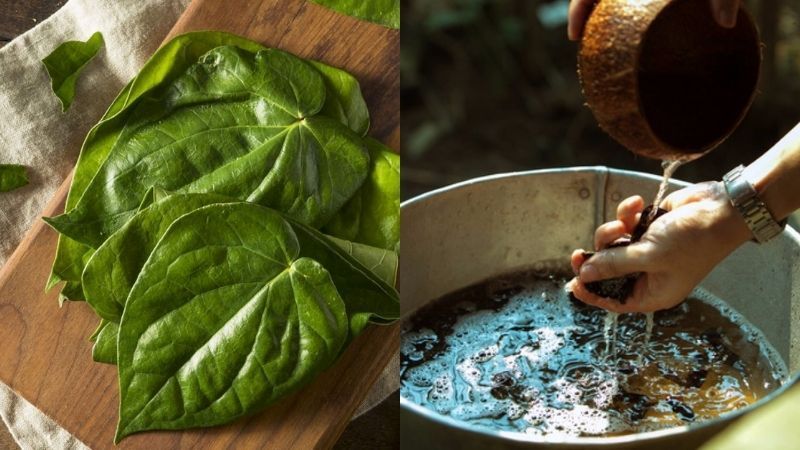
Betel leaves have traditionally been used to promote oral hygiene.
Research suggests that certain natural compounds in betel leaves may help:
-
Reduce the growth of harmful oral bacteria.
-
Freshen breath.
-
Support healthy gums.
However, this benefit refers to the leaves themselves—not chewing betel quid with areca nut or tobacco, which is linked to serious health risks.
3. May Help Fight Harmful Bacteria
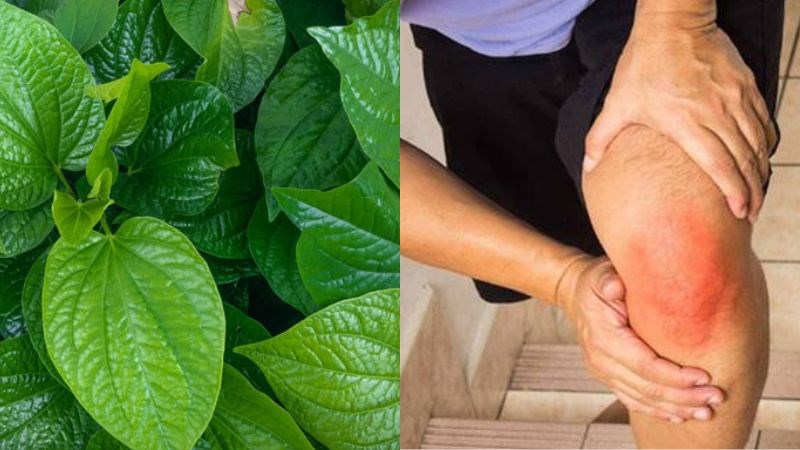
Laboratory studies have shown that betel leaf extracts possess antimicrobial properties against several types of bacteria and fungi.
These natural compounds may help inhibit the growth of certain microorganisms, although more human studies are needed.
4. Supports Healthy Digestion
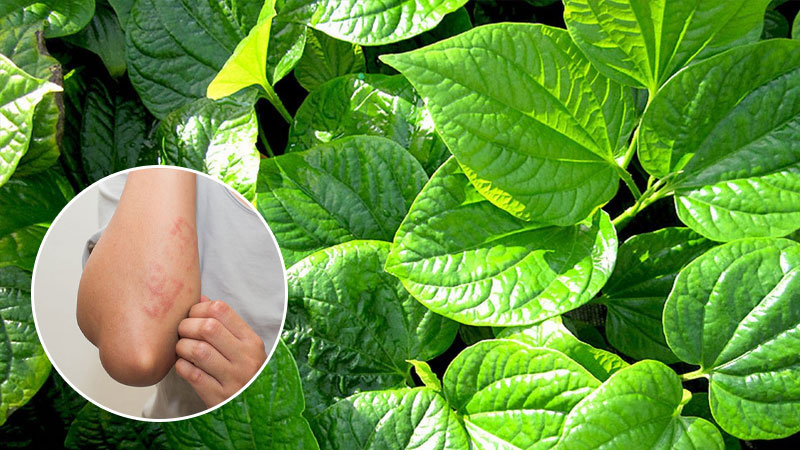
In traditional medicine, betel leaves have been used to help:
-
Stimulate digestion.
-
Reduce bloating.
-
Support appetite.
-
Ease mild stomach discomfort.
While these uses are widely practiced, clinical evidence remains limited.
5. May Help Reduce Inflammation
Betel leaves contain plant compounds that have demonstrated anti-inflammatory activity in laboratory research.
Reducing chronic inflammation may support overall health, although betel leaves should not replace prescribed treatments for inflammatory conditions.
6. Supports Skin Health
Fresh betel leaves have traditionally been applied externally for minor skin concerns.
Their antimicrobial and antioxidant properties may help keep the skin clean, although scientific evidence in humans is still limited.
Always perform a patch test before applying herbal products to the skin.
7. May Help Support Blood Sugar Management
Some preliminary animal and laboratory studies suggest that compounds found in betel leaves may support healthy blood sugar metabolism.
However, more high-quality human research is needed before any firm conclusions can be made.
People with diabetes should continue following their healthcare provider's treatment plan.
8. Provides Essential Plant Compounds
In addition to antioxidants, betel leaves contain small amounts of:
-
Vitamin C
-
Calcium
-
Iron
-
Fiber
-
Various essential oils
Together, these nutrients and phytochemicals contribute to the leaf's traditional medicinal value.
Easy Ways to Use Betel Leaves
Betel leaves can be used in several ways:
-
Brewed as herbal tea.
-
Added to traditional recipes.
-
Used as a natural wrap for certain foods.
-
Applied externally in traditional practices (with proper hygiene).
Avoid chewing betel leaves together with areca nut and tobacco, as this habit has been strongly linked to oral cancer.
Are There Any Precautions?
Although betel leaves are generally considered safe when used appropriately, keep these points in mind:
-
Do not confuse fresh betel leaves with betel quid, which often contains areca nut and tobacco.
-
People who are pregnant, breastfeeding, or taking medications should consult a healthcare professional before using herbal remedies regularly.
-
Stop use if you experience irritation or an allergic reaction.
-
Herbal products should complement—not replace—professional medical care.
The Bottom Line
Betel leaves have been used in traditional medicine for generations and contain natural compounds with antioxidant, antimicrobial, and anti-inflammatory properties. They may support oral health, digestion, skin care, and overall wellness, although many of these benefits require further clinical research.
When used safely and as part of a balanced lifestyle, betel leaves can be a fascinating example of how traditional herbs continue to inspire modern health research.