Have you ever met a friendly dog only to have it immediately sniff your legs, hands, or even your groin? While this behavior can feel awkward or embarrassing, it's completely normal from a dog's perspective.
Dogs experience the world very differently than humans. While we rely heavily on our eyesight, dogs depend primarily on their incredible sense of smell. Their noses allow them to gather detailed information about people, animals, and their surroundings in ways we can hardly imagine.
Understanding why dogs sniff certain parts of your body can help explain this common behavior and strengthen the bond between humans and their canine companions.
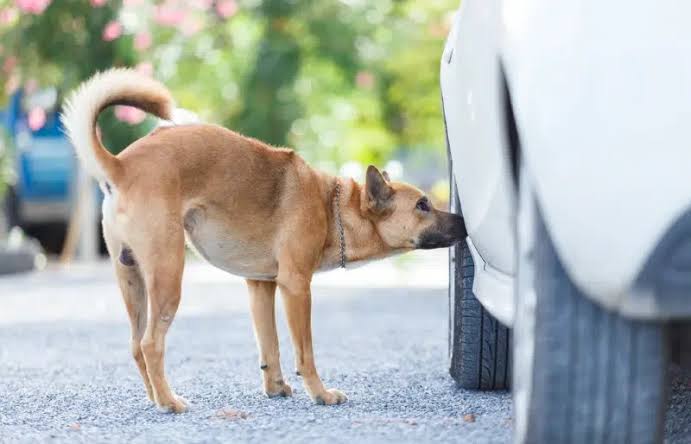
A Dog's Nose Is Extraordinary
A dog's sense of smell is one of the most powerful in the animal kingdom.
Compared with humans, dogs have:
-
Up to hundreds of millions of scent receptors (depending on the breed)
-
A much larger portion of the brain devoted to processing smells
-
The ability to detect extremely small amounts of certain odor molecules
For dogs, scent is like a detailed profile that provides information about the world around them.
While people recognize one another mainly by appearance or voice, dogs often recognize individuals by smell.
Why Do Dogs Sniff People?
When a dog sniffs you, it is usually collecting information.
Your natural body scent can provide clues about:
-
Your identity
-
Whether you've met before
-
Other animals you've recently been around
-
Emotional changes
-
What you've been eating
-
Your environment
This behavior is similar to how humans might greet someone with a handshake or conversation.
For dogs, sniffing is a normal way of saying, "Who are you?"
Why Do Dogs Often Sniff the Groin Area?
Many people wonder why dogs seem especially interested in sniffing the groin area.
The answer is simple: this area contains apocrine sweat glands, which produce scent-rich secretions.
These glands release chemicals that contribute to each person's unique body odor.
Because the groin is closer to a dog's nose than a person's face, especially for medium- and large-sized dogs, it becomes an easy place to gather scent information.
Dogs are not being rude—they are simply following their natural instincts.
Dogs Can Detect More Than Just Body Odor
A dog's nose can pick up subtle changes in scent caused by everyday biological processes.
For example, dogs may notice differences related to:
-
Exercise
-
Stress
-
Fear
-
Excitement
-
Hormonal changes
-
Recent meals
-
Personal care products such as perfumes or lotions
These scent changes are usually imperceptible to humans.

Why Dogs Sniff New Visitors
If a dog you've never met immediately sniffs you, it's simply trying to learn about its new visitor.
The dog may be trying to determine:
-
Whether you're familiar
-
Whether you're calm or nervous
-
Whether you've been around other animals
-
Whether you pose any threat
Once the dog feels comfortable, the sniffing often decreases.
Do Dogs Sniff Children More Often?
Sometimes they do.
Children may smell different because of:
-
Their height
-
Outdoor play
-
Food residue
-
Different personal care products
-
Higher activity levels
Young children should always be supervised around unfamiliar dogs, regardless of how friendly the animal appears.
Can Dogs Smell Emotions?
Dogs cannot literally "smell emotions," but research suggests they can detect some of the physical changes that occur when people experience different emotional states.
For example, stress or fear may alter body odor through changes in sweat production and hormone levels.
Dogs also pay close attention to:
-
Facial expressions
-
Body posture
-
Tone of voice
-
Movement
They combine these signals with scent to better understand what's happening around them.
Can Dogs Detect Illness?
This is an area of active scientific research.
Studies have shown that some specially trained dogs can identify certain medical conditions by detecting scent changes associated with specific diseases or biological processes.
Research has explored dogs' ability to assist with detecting or alerting to conditions such as:
-
Low blood sugar in some people with diabetes
-
Certain seizure events
-
Some infections
-
Certain cancers under research conditions
However, these abilities typically involve carefully selected and professionally trained dogs working under controlled conditions.
A family pet sniffing a particular part of your body does not mean you have a disease, and unusual sniffing should never be used as a medical diagnosis.
If you have concerns about your health, consult a qualified healthcare professional.
Why Dogs Sniff Other Dogs
Dogs greet one another differently from humans.
They often sniff each other's rear ends because this area contains scent glands that provide detailed chemical information.
From these scents, dogs may gather clues about:
-
Identity
-
Sex
-
Reproductive status
-
General health
-
Emotional state
This behavior is a normal part of canine communication.
Should You Stop Your Dog from Sniffing?
Sniffing is a healthy, natural behavior.
However, it's appropriate to redirect your dog when:
-
It makes guests uncomfortable.
-
It becomes excessive.
-
It interferes with training.
-
It occurs in inappropriate situations.
Rather than punishing the dog, gently redirect its attention using positive reinforcement.
Teaching cues such as:
-
"Come"
-
"Leave it"
-
"Sit"
can help manage greetings politely.
How to Introduce Yourself to a New Dog
If you meet an unfamiliar dog:
-
Ask the owner's permission before approaching.
-
Allow the dog to approach you first.
-
Stand calmly without sudden movements.
-
Avoid leaning directly over the dog.
-
Let the dog sniff you briefly.
-
Speak softly and calmly.
Giving the dog time to gather scent information often helps it feel more comfortable.
Common Myths About Dogs Sniffing People
Myth: A dog sniffing one area always means you have a serious illness.
Fact: In most cases, dogs are simply gathering normal scent information. While trained medical detection dogs can assist with certain conditions, ordinary pet behavior should not be interpreted as a diagnosis.
Myth: Dogs sniff people because they are aggressive.
Fact: Sniffing is usually a friendly and curious behavior rather than a sign of aggression.
Myth: Dogs only sniff strangers.
Fact: Dogs also sniff family members because body scent changes naturally throughout the day.
Myth: A dog is being disobedient when it sniffs.
Fact: Sniffing is one of the primary ways dogs explore and understand their environment.
The Bottom Line
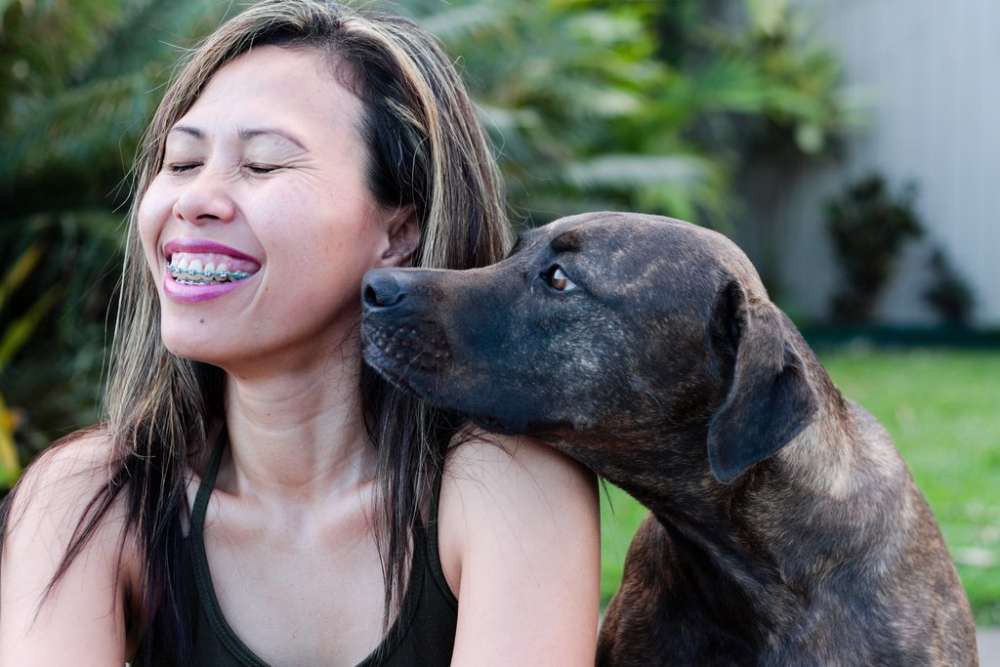
Dogs rely on their remarkable sense of smell to understand the world around them. When a dog sniffs certain parts of your body—especially areas such as the hands, legs, or groin—it is usually collecting information about your unique scent, recent activities, and familiar surroundings. This behavior is a normal part of canine communication and curiosity.
Although research has shown that specially trained dogs can assist in detecting certain medical conditions under controlled circumstances, everyday sniffing by a pet dog should not be viewed as evidence of illness. Instead, think of it as your dog's natural way of saying hello and learning more about you.
Understanding this behavior can make interactions with dogs less awkward and help you appreciate just how extraordinary a dog's sense of smell truly is.