It’s 11 PM, you’re getting ready for bed, and suddenly you feel hungry. You head to the kitchen and see a banana sitting on the counter. But then you hesitate: Is eating a banana this late actually good for you? Could it affect your sleep, digestion, blood sugar, or weight?
Bananas are nutritious fruits packed with carbohydrates, fiber, potassium, vitamin B6, and other important nutrients. For most healthy people, eating a banana at 11 PM is perfectly reasonable, particularly if you're genuinely hungry and the alternative is a heavily processed late-night snack.
However, timing isn't the only thing that matters. Your overall diet, portion size, medical conditions, sleep habits, and what else you eat with the banana can all influence how your body responds.
Here’s what you should know before making bananas your regular bedtime snack.
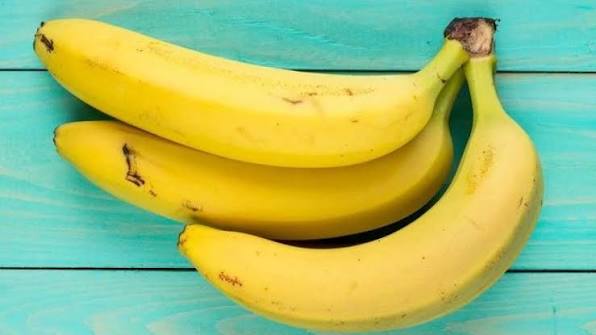
1. Bananas Are More Nutritious Than Many Late-Night Snacks
A medium banana provides roughly 100 calories along with valuable nutrients, including:
-
Potassium
-
Vitamin B6
-
Vitamin C
-
Dietary fiber
-
Magnesium
-
Natural carbohydrates
Bananas are also naturally low in saturated fat and contain no added sugar when eaten plain.
Compare that with many common late-night snacks such as cookies, candy, pastries, chips, or ice cream, which can contain substantial amounts of added sugar, sodium, or saturated fat.
If you're genuinely hungry before bed, choosing a banana can therefore be a relatively nutritious option.
2. Could a Banana Before Bed Help You Sleep?
One of the most popular claims about bananas is that eating one before bed can improve sleep.
There is some nutritional reasoning behind this idea, but the evidence needs context.
Bananas contain several nutrients involved in normal nervous-system and sleep-related processes, including:
-
Magnesium
-
Potassium
-
Vitamin B6
-
Tryptophan
Tryptophan is an amino acid the body uses to produce serotonin, which can subsequently be involved in melatonin production.
Melatonin is a hormone that helps regulate the sleep-wake cycle.
Vitamin B6 also participates in neurotransmitter metabolism.
However, this does not mean eating a banana at 11 PM acts like a sleeping pill.
There isn't strong evidence showing that one banana immediately causes people to fall asleep faster or cures insomnia.
Think of bananas as a nutritious food that provides nutrients involved in normal body functions—not as a natural sedative.
3. Bananas Provide Potassium and Magnesium
Bananas are widely known for their potassium content.
Potassium is an essential electrolyte involved in:
-
Muscle contraction
-
Nerve signaling
-
Fluid balance
-
Normal heart function
Bananas also provide some magnesium, another mineral involved in muscle and nerve function.
Getting adequate amounts of these minerals through an overall balanced diet is important for health.
However, claims that eating a banana before bed will automatically stop nighttime muscle cramps are too simplistic. Cramps can have many causes, and potassium deficiency is only one possible factor.
4. What Happens to Blood Sugar After Eating a Banana?
Bananas contain natural sugars and carbohydrates, so eating one will raise blood glucose to some extent.
However, whole bananas also provide fiber, which helps slow digestion compared with drinking a sugary beverage or eating highly refined sweets.
The ripeness of the banana can also influence its carbohydrate composition.
As bananas ripen, some starch is converted into sugars, making very ripe bananas sweeter.
For most healthy individuals, this isn't a major concern.
People with diabetes or impaired blood glucose regulation, however, may need to pay more attention to portion size and total carbohydrate intake.
5. People With Diabetes Don't Necessarily Need to Avoid Bananas
Having diabetes does not automatically mean bananas are forbidden.
The key factors are:
-
Portion size
-
Ripeness
-
Total carbohydrate intake
-
Individual blood glucose response
-
What the banana is eaten with
For example, eating a smaller banana with a little unsweetened peanut butter or a few nuts provides protein and fat alongside the carbohydrates.
This may be more satisfying than eating fruit alone.
People using insulin or medications that can cause low blood sugar should follow their individualized meal and medication plan rather than applying general advice about bedtime snacks.
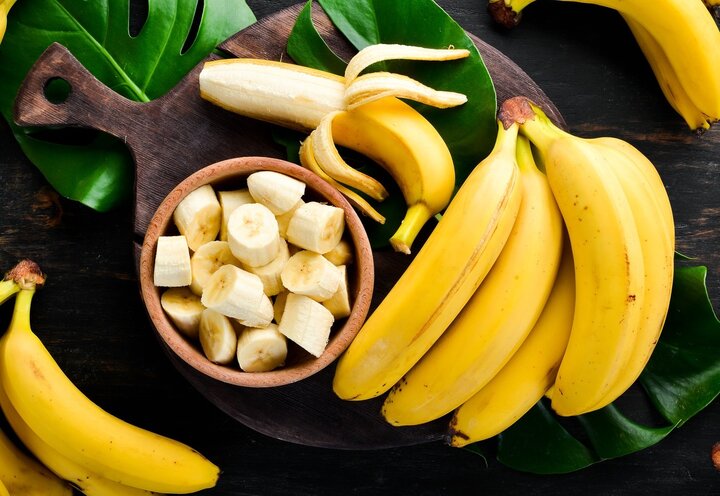
6. Will Eating a Banana at 11 PM Make You Gain Weight?
Eating after a specific clock time does not automatically cause weight gain.
Body weight is influenced by overall energy intake and expenditure over time, along with factors such as:
-
Physical activity
-
Sleep
-
Hormones
-
Medications
-
Genetics
-
Overall dietary patterns
A banana doesn't suddenly become fattening because the clock reaches 11 PM.
The more relevant issue is why and how much you're eating late at night.
If someone regularly consumes a full dinner and then adds hundreds of calories from snacks every night despite not being hungry, that pattern can contribute to excess calorie intake.
But a banana eaten because you're genuinely hungry is very different from a large late-night meal of pizza, chips, sweets, and sugary drinks.
7. What About Digestion?
For most people, bananas are relatively easy to digest.
Their fiber can support normal digestive function and regular bowel movements.
However, individual responses vary.
Some people may experience:
-
Bloating
-
Gas
-
Abdominal fullness
-
Digestive discomfort
particularly after eating large amounts or if they have certain gastrointestinal conditions.
If bananas consistently cause symptoms, eating them at bedtime may not be ideal simply because digestive discomfort can interfere with sleep.
8. Could Bananas Make Acid Reflux Worse?
People with gastroesophageal reflux disease (GERD) often need to be more careful about eating immediately before lying down.
The problem isn't necessarily the banana itself.
Eating food shortly before bed can aggravate reflux in susceptible individuals because lying down makes it easier for stomach contents to move upward into the esophagus.
Common symptoms include:
-
Heartburn
-
Sour taste
-
Throat irritation
-
Coughing at night
-
Chest discomfort
If you frequently experience reflux, avoiding meals and substantial snacks for several hours before bedtime may help, depending on your healthcare provider's recommendations.
Pay attention to your individual response.
9. A Banana May Be Better Than Going to Bed Extremely Hungry
Going to bed mildly hungry isn't necessarily harmful.
However, significant hunger can make it harder for some people to fall asleep or stay asleep.
A small, simple snack may be reasonable in that situation.
A banana can work particularly well when paired with a modest source of protein or healthy fat.
Examples include:
Banana + a few walnuts
Banana + unsweetened Greek yogurt
Banana + a small amount of natural peanut butter
These combinations may provide greater satiety than fruit alone.
10. Does the Ripeness of the Banana Matter?
Yes, somewhat.
A less-ripe banana contains more resistant starch, while a very ripe banana contains more readily available sugars.
This is why ripe bananas taste sweeter.
For most people, either type can fit into a balanced diet.
However, someone closely monitoring blood glucose may find portion size and ripeness worth considering.
The most important thing is your overall carbohydrate intake rather than obsessing over tiny differences between individual bananas.
11. What About Bananas and Nighttime Muscle Cramps?
Bananas are often recommended for muscle cramps because they contain potassium.
Potassium is certainly important for normal muscle function.
However, nighttime leg cramps can have many potential causes, including:
-
Muscle fatigue
-
Certain medications
-
Nerve problems
-
Circulation problems
-
Dehydration
-
Other medical conditions
Eating bananas is not a guaranteed treatment.
If nighttime cramps occur frequently, are severe, or are associated with swelling, weakness, numbness, or other symptoms, speak with a healthcare professional.
12. Can Eating Bananas at Night Affect Your Heart?
Potassium plays an important role in normal cardiovascular function and blood pressure regulation.
Diets rich in potassium-containing foods such as fruits and vegetables are generally associated with cardiovascular benefits.
But eating one banana before bed doesn't produce a special overnight heart effect.
The bigger benefit comes from consistently eating a diet rich in fruits, vegetables, whole grains, legumes, nuts, and other nutrient-dense foods.
13. Who Should Be Careful With Bananas at Night?
Although bananas are safe for most people, certain individuals may need additional caution.
People With Advanced Kidney Disease
Healthy kidneys regulate potassium levels in the blood.
When kidney function becomes severely impaired, potassium can sometimes accumulate to dangerous levels.
Because bananas contain potassium, some people with chronic kidney disease are advised to limit high-potassium foods.
This does not apply to everyone with kidney disease.
Dietary potassium restrictions should be individualized according to kidney function, laboratory results, medications, and professional medical advice.
People With Diabetes
Bananas can still be included in many diabetes-friendly diets, but carbohydrate portions may need to be monitored.
People With Frequent Acid Reflux
Eating immediately before lying down may worsen symptoms.
People Who Notice Digestive Symptoms
If bananas consistently cause bloating or discomfort, eating them right before sleeping may make those symptoms more noticeable.
14. Is 11 PM Specifically a Problem?
There is nothing biologically magical about exactly 11 PM.
Your body doesn't suddenly process bananas differently when the clock changes from 10:59 PM to 11:00 PM.
What matters more is:
-
Your usual bedtime
-
How hungry you are
-
What you've already eaten
-
Portion size
-
Your medical conditions
-
Whether eating affects your sleep or reflux
Someone who works a late shift and sleeps at 3 AM has a very different schedule from someone who goes to sleep at 10 PM.
Context matters more than the clock.
15. Is Eating Fruit at Night Bad for You?
Another popular claim says fruit should never be eaten at night because the sugar will automatically turn into fat.
This is misleading.
Your body doesn't simply convert all carbohydrates eaten after sunset directly into body fat.
Weight management depends on long-term energy balance and dietary patterns.
Fruit remains a source of valuable nutrients regardless of whether you eat it at breakfast, lunch, or later in the evening.
That said, repeatedly eating large quantities of any food when you aren't hungry can contribute to excessive calorie intake.
16. What Should You Avoid With Your Late-Night Banana?
The banana itself may be fine, but turning it into a large dessert changes the nutritional picture.
For example:
Banana + chocolate syrup + ice cream + whipped cream
is quite different from:
Banana + a small amount of natural peanut butter.
Try to avoid routinely combining bedtime fruit with:
-
Large amounts of added sugar
-
Sugary syrups
-
Heavy desserts
-
Excessive portions
-
Highly processed snack foods
Keep the snack simple.
17. Are Banana Smoothies Good Before Bed?
They can be, depending on what you put in them.
A smoothie containing:
-
Banana
-
Unsweetened milk or yogurt
-
A small amount of nuts or seeds
can provide useful nutrients.
However, smoothies can also become calorie-heavy when they contain:
-
Multiple bananas
-
Added sugar
-
Honey
-
Sweetened yogurt
-
Syrups
-
Ice cream
Drinking calories is also generally less filling than eating whole foods for some people.
If you're simply hungry before bed, eating the banana whole may be the easier option.
18. What About Banana With Milk?
For people who tolerate dairy, banana and milk can be a perfectly reasonable combination.
Milk provides:
-
Protein
-
Calcium
-
Vitamin B12
-
Other nutrients depending on the product
There's no good evidence that combining bananas and milk is inherently "toxic," despite claims sometimes circulated online.
People with lactose intolerance or milk allergies obviously need suitable alternatives.
19. Common Myths About Eating Bananas at Night
Myth 1: Bananas Become Unhealthy After 11 PM
False.
The nutritional composition of a banana doesn't change according to the clock.
Myth 2: A Banana Before Bed Guarantees Better Sleep
Not proven.
Bananas contain nutrients involved in normal nervous-system function, but they aren't a treatment for insomnia.
Myth 3: Eating a Banana at Night Automatically Causes Weight Gain
False.
Long-term calorie balance and overall dietary habits matter far more.
Myth 4: Everyone With Diabetes Must Avoid Bananas
False.
Many people with diabetes can include appropriately portioned fruit in their diet.
Individualized guidance is important.
Myth 5: Everyone With Kidney Disease Must Stop Eating Bananas
Also false.
Some people with advanced kidney disease need potassium restrictions, while others do not.
Laboratory results and medical advice should guide these decisions.
20. What Is a Good Bedtime Snack?
When late-night hunger is genuine, consider snacks that provide a combination of nutrients without being excessively large.
Examples include:
-
A small banana with nuts
-
Plain Greek yogurt with berries
-
Whole-grain toast with nut butter
-
A small apple with peanut butter
-
Unsweetened yogurt
-
A small serving of oatmeal
The goal is to satisfy hunger without turning bedtime into another full meal.
What If You Wake Up Hungry Every Night?
Occasional nighttime hunger is normal.
But if you regularly become extremely hungry late at night, examine your daytime eating pattern.
You may not be getting enough:
-
Protein
-
Fiber
-
Total calories
-
Healthy fats
during earlier meals.
For example, a lunch consisting only of refined carbohydrates may leave you hungry again quickly.
Building balanced meals throughout the day may reduce intense nighttime cravings.
Don't Ignore Persistent Sleep Problems
If you're eating bananas because you're hoping they will solve chronic insomnia, it's important to address the larger issue.
Persistent difficulty sleeping can be associated with:
-
Stress
-
Anxiety
-
Sleep apnea
-
Restless legs syndrome
-
Medications
-
Poor sleep habits
-
Other medical conditions
A banana isn't a substitute for evaluation when sleep problems are frequent or significantly affecting daytime functioning.
So, Should You Eat a Banana at 11 PM?
For most healthy adults, there is nothing inherently wrong with eating a banana at 11 PM.
It can actually be a sensible late-night snack because it provides:
-
Fiber
-
Potassium
-
Vitamin B6
-
Natural carbohydrates
-
Several other micronutrients
and contains no added sugar when eaten plain.
However, whether it's the right choice for you depends on your individual situation.
People with significant acid reflux, diabetes requiring careful carbohydrate management, or kidney disease requiring potassium restriction may need more personalized guidance.
The Bottom Line
A banana doesn't suddenly become unhealthy because you eat it late at night.
For most people, the more useful questions are:
Are you actually hungry?
How large is the portion?
What are you eating with it?
Does eating before bed affect your digestion or sleep?
Do you have a medical condition that changes your nutritional needs?
If you're genuinely hungry, eating a banana is usually a much more nutritious choice than reaching for cookies, chips, candy, or another heavily processed snack.
Final Thoughts
Eating a banana at 11 PM is generally safe for most healthy people, and there is no scientific rule stating that bananas become harmful after a certain hour.
Bananas provide potassium, fiber, vitamin B6, carbohydrates, and other nutrients that contribute to a balanced diet. While some of these nutrients participate in processes related to muscle function and sleep regulation, a bedtime banana should not be viewed as a treatment for insomnia, muscle cramps, high blood pressure, or any other medical condition.
For people who experience late-night hunger, a banana - perhaps paired with a small amount of nuts, natural peanut butter, or plain yogurt can make a simple and satisfying snack.
The main exceptions involve individual medical needs. People with advanced kidney disease may need to monitor potassium, those with diabetes may need to consider carbohydrate portions, and people with acid reflux may benefit from avoiding food close to bedtime.
Ultimately, 11 PM itself isn't the problem. Your overall eating pattern, portion sizes, sleep schedule, and health conditions matter much more than the exact time on the clock.
So, if you're standing in the kitchen late at night wondering whether you can eat that banana, for most people the answer is simple: yes, you probably can.