Tilapia is one of the most widely eaten fish in the world. Its mild flavor, relatively affordable price, and easy preparation make it a popular choice for families looking to add more seafood to their meals.
But tilapia has also become the subject of plenty of online debate. Some people describe it as an excellent source of lean protein, while others raise concerns about its fat composition, farming practices, contaminants, and overall nutritional value.
So, should tilapia have a place on your plate?
For most people, properly sourced and thoroughly cooked tilapia can be a nutritious part of a balanced diet. It provides high-quality protein and several important vitamins and minerals while generally being low in saturated fat. However, tilapia isn't particularly rich in the omega-3 fatty acids found in oily fish such as salmon, sardines, and mackerel.
Here's what you should know about tilapia's nutrition, potential benefits, limitations, and safety.
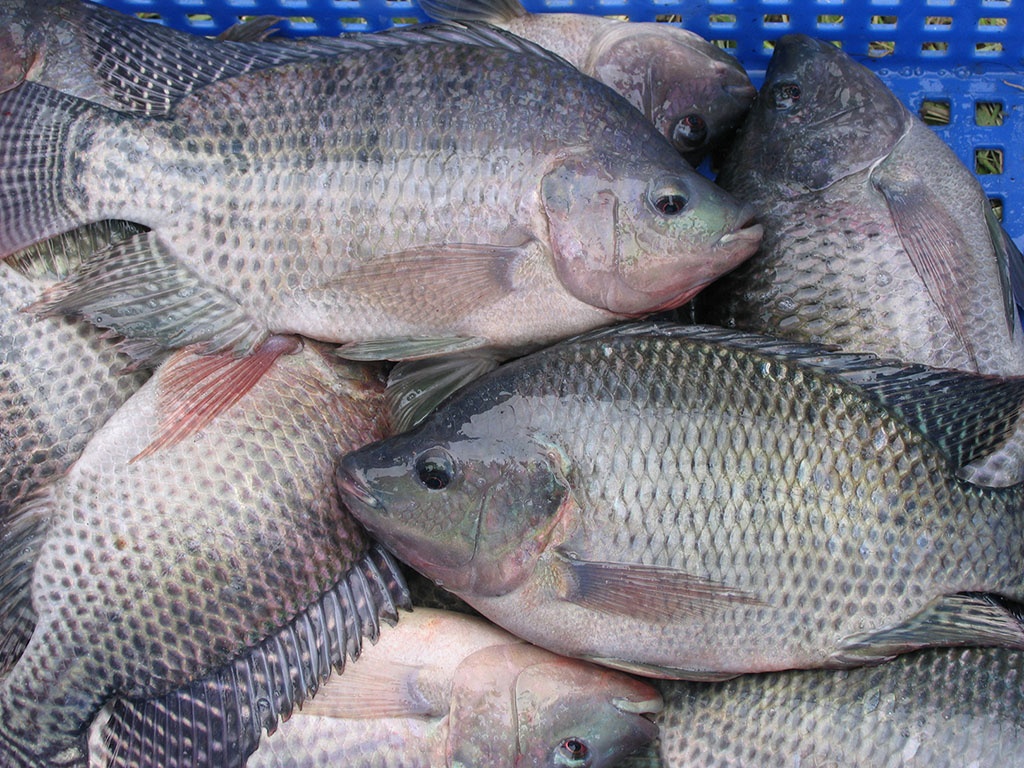
1. Tilapia Is an Excellent Source of Protein
One of tilapia's biggest nutritional advantages is its protein content.
A typical serving of cooked tilapia provides roughly 20–26 grams of protein per 100 grams, although exact values vary depending on the fish and preparation method.
Protein is essential for many processes throughout the body, including:
-
Maintaining and building muscle
-
Repairing tissues
-
Producing enzymes and hormones
-
Supporting immune function
-
Maintaining healthy skin and other tissues
Protein can also promote satiety, helping you feel satisfied after eating.
Because tilapia provides substantial protein without large amounts of saturated fat, it can be a practical alternative to some fattier cuts of meat.
2. It's Relatively Low in Calories
Tilapia is naturally lean.
A plain serving can provide plenty of protein without a large calorie load, making it useful for people trying to create filling, nutrient-dense meals.
Of course, preparation makes a major difference.
Grilled, baked, steamed, or poached tilapia will generally contain fewer calories and less added fat than fish that has been heavily breaded and deep-fried.
A nutritious food can quickly become a very different meal when covered in batter, fried in large quantities of oil, and served with salty sauces.
3. Tilapia Provides Several Important Micronutrients
Protein isn't the only thing tilapia offers.
Depending on the serving and source, tilapia can provide nutrients such as:
Vitamin B12: Important for red blood cell production, DNA synthesis, and normal nervous system function.
Selenium: An essential mineral involved in thyroid function and antioxidant defenses.
Phosphorus: Important for healthy bones, teeth, and energy metabolism.
Niacin and other B vitamins: Help the body convert food into usable energy and support normal cellular function.
The exact nutrient content can vary according to how and where the fish was raised.
4. Tilapia Contains Omega-3s—but Not as Much as Fatty Fish
Omega-3 fatty acids are one of the main reasons health professionals encourage seafood consumption.
These fats play important roles in cardiovascular and neurological health.
Tilapia contains some omega-3 fatty acids, but considerably less than oily fish such as:
-
Salmon
-
Sardines
-
Herring
-
Mackerel
-
Trout
This doesn't make tilapia unhealthy. It simply means tilapia shouldn't necessarily be your only seafood choice.
A varied diet can include lean fish such as tilapia alongside omega-3-rich fish.
5. What About Tilapia's Omega-6 Content?
One common online claim is that tilapia is unhealthy because it contains omega-6 fatty acids.
This needs context.
Omega-6 fatty acids are essential fats that the body needs. They are not inherently harmful.
The bigger nutritional issue is the overall quality and balance of someone's diet rather than the presence of omega-6 in a single food.
Eating tilapia as part of a diet rich in vegetables, fruits, whole grains, nuts, legumes, and other seafood is very different from eating it as part of a diet dominated by ultra-processed foods.
There is no good reason for most healthy people to avoid tilapia simply because it contains omega-6 fats.
6. Tilapia Can Be a Heart-Friendly Protein Choice
Tilapia is relatively low in saturated fat.
Replacing foods high in saturated fat—such as certain processed or fatty meats—with lean fish can be part of a heart-conscious eating pattern.
The way you prepare the fish remains important.
For a more heart-friendly meal, try tilapia with:
-
Roasted vegetables
-
Leafy greens
-
Beans
-
Brown rice
-
Quinoa
-
Whole grains
-
Olive oil
-
Fresh herbs
This creates a meal rich in protein, fiber, vitamins, minerals, and healthy fats.
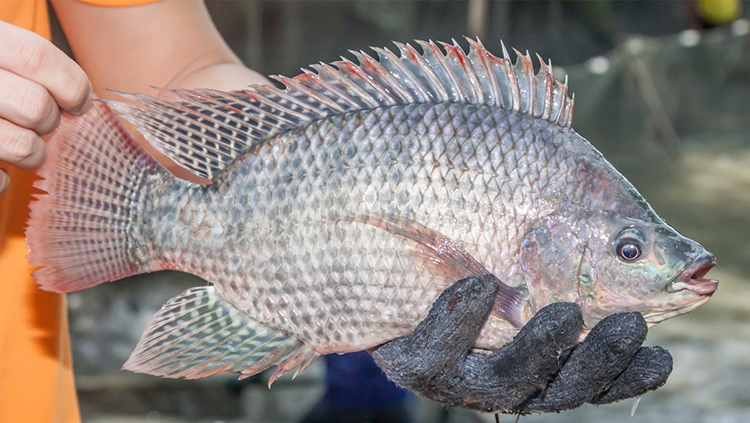
7. Farmed Tilapia Isn't Automatically Unhealthy
Most tilapia sold commercially is farm-raised.
Aquaculture allows producers to supply large amounts of relatively affordable fish, but farming standards vary considerably between countries and individual producers.
Factors that can affect quality include:
-
Water quality
-
Stocking density
-
Feed composition
-
Disease management
-
Antibiotic practices
-
Environmental standards
The fact that a fish is farmed does not automatically mean it is unsafe or nutritionally poor.
Responsible aquaculture can produce safe, nutritious seafood.
The key is sourcing.
When possible, purchase fish from reputable retailers and look for credible information about where the fish was raised.
8. What About Antibiotics and Contaminants?
Food-safety standards differ around the world, and inappropriate antibiotic use or poor farming practices can create legitimate concerns in some aquaculture operations.
However, claims that all tilapia is contaminated or unsafe are misleading.
Regulated seafood supplies are subject to food-safety requirements, and reputable suppliers generally have quality-control systems in place.
Consumers can reduce uncertainty by:
-
Buying from established retailers
-
Checking the country of origin
-
Looking for recognized seafood certifications when available
-
Avoiding fish with questionable storage or handling
-
Following local food-safety advisories
The source matters more than alarming generalizations about an entire species.
9. Tilapia Is Generally Considered a Lower-Mercury Fish
Mercury is an important consideration when choosing seafood, particularly for pregnant people and young children.
Large predatory fish tend to accumulate more mercury because they live longer and consume many smaller fish.
Tilapia is generally considered a lower-mercury seafood choice compared with large predatory species such as shark, swordfish, king mackerel, and certain types of tuna.
This makes tilapia a practical option for people looking to eat seafood while limiting mercury exposure.
Recommendations can vary by country, pregnancy status, and age, so local public-health guidance should still be followed.
10. Tilapia Can Support Muscle Maintenance
High-quality protein becomes especially important as we age because adults gradually become more susceptible to losing muscle mass.
Tilapia provides all the essential amino acids needed to build and maintain body proteins.
Combined with resistance exercise and an adequate overall diet, protein-rich foods can help support muscle maintenance.
This can be especially relevant for:
-
Older adults
-
Physically active people
-
Athletes
-
People recovering from certain illnesses or injuries
Individual protein requirements vary, so people with medical conditions should follow personalized nutritional advice.
Is Tilapia Better Than Salmon?
This isn't necessarily the most useful comparison because the two fish have different nutritional strengths.
Tilapia is lean, mild, protein-rich, and often more affordable.
Salmon provides substantial protein while generally offering much more omega-3 fat.
Rather than declaring one universally "better," dietary variety makes more sense.
You might eat tilapia for a lean weekday meal and choose salmon, sardines, trout, or another oily fish at other times to increase omega-3 intake.

Tilapia vs. Chicken
Tilapia and skinless chicken can both be excellent sources of lean protein.
The better choice depends on:
-
Preparation
-
Portion size
-
The rest of the meal
-
Personal nutritional needs
For example, grilled tilapia with vegetables is generally a very different nutritional choice from breaded, deep-fried tilapia with fries.
Similarly, grilled chicken and fried chicken should not be treated as nutritionally equivalent simply because they come from the same animal.
Cooking method matters.
What's the Healthiest Way to Cook Tilapia?
Tilapia's mild flavor makes it extremely versatile.
Baking
Season with garlic, black pepper, herbs, and lemon, then bake until fully cooked.
Grilling
Grilling can add flavor without requiring heavy breading or large amounts of added fat.
Steaming
Steaming tilapia with ginger, scallions, herbs, or vegetables creates a light meal.
Pan-Searing
A small amount of olive or another suitable cooking oil can produce a crisp exterior without deep-frying.
Air Frying
Air frying can provide a crispy texture with considerably less added oil than traditional deep-frying.
What Should You Avoid?
The biggest nutritional concerns often come not from tilapia itself but from what is added to it.
Try to limit frequent consumption of tilapia prepared with:
-
Heavy breading
-
Excess salt
-
Large quantities of butter
-
Sugary sauces
-
Deep-frying oils
-
Highly processed side dishes
Instead, season fish with garlic, herbs, pepper, paprika, lemon, or other spices.
How Do You Know Tilapia Is Fresh?
Fresh fish should generally have:
-
A mild smell
-
Firm flesh
-
A moist appearance
-
No strong ammonia-like odor
Frozen tilapia can also be an excellent option.
In fact, frozen seafood can retain its nutritional quality very well when it has been processed and stored properly.
Avoid packages that appear damaged or show obvious signs of thawing and refreezing.
Cook Tilapia Properly
Raw or undercooked seafood can contain harmful microorganisms.
For food safety, fish should generally be cooked until it reaches an internal temperature of about 145°F (63°C) and the flesh becomes opaque and separates easily with a fork.
Avoid cross-contamination by:
-
Washing your hands after handling raw fish
-
Using separate utensils when appropriate
-
Cleaning cutting boards thoroughly
-
Refrigerating seafood promptly
Never leave raw fish sitting at room temperature for extended periods.
Who Should Be Careful With Tilapia?
Tilapia is suitable for many people, but there are exceptions.
People With Fish Allergies
Anyone with a confirmed fish allergy should avoid tilapia unless specifically advised otherwise by an allergy specialist.
Fish allergies can cause serious reactions.
People With Kidney Disease
Tilapia provides protein and phosphorus. People with advanced kidney disease may need individualized recommendations regarding protein, phosphorus, potassium, and sodium.
Pregnant People
Tilapia is generally considered a lower-mercury choice, but pregnancy-specific seafood recommendations and appropriate cooking practices should be followed.
Can You Eat Tilapia Every Day?
For most people, there's little reason to rely on one fish every single day.
Dietary variety offers a broader range of nutrients.
Consider rotating among:
-
Tilapia
-
Salmon
-
Sardines
-
Trout
-
Cod
-
Pollock
-
Other locally available lower-mercury seafood
Different fish provide different amounts of omega-3s, vitamins, minerals, and fats.
Variety also reduces dependence on any single food source.
Common Myths About Tilapia
Myth 1: Tilapia Has No Nutritional Value
False.
Tilapia provides high-quality protein, vitamin B12, selenium, phosphorus, and other nutrients.
Myth 2: All Farmed Tilapia Is Unsafe
This is an overgeneralization.
Aquaculture standards vary considerably. Responsibly farmed tilapia from reputable suppliers can be a safe and nutritious food.
Myth 3: Tilapia Is as Nutritious as Salmon
Not exactly.
Both provide excellent protein, but salmon generally contains substantially more omega-3 fatty acids.
Myth 4: Eating Tilapia Causes Inflammation
There isn't strong evidence showing that normal consumption of tilapia causes harmful systemic inflammation in healthy people simply because of its fatty-acid profile.
Your overall dietary pattern is far more important.
A Simple Healthy Tilapia Meal
One of the easiest ways to enjoy tilapia is to build a balanced plate.
Try:
Baked tilapia + roasted vegetables + brown rice or quinoa + a small amount of olive oil and lemon.
This provides:
-
High-quality protein from the fish
-
Fiber from vegetables and whole grains
-
Healthy fats from olive oil
-
A variety of vitamins and minerals
You don't need complicated recipes to make nutritious seafood meals.
How Often Should You Eat Fish?
Many health authorities recommend that adults eat seafood regularly, often around two servings per week, with an emphasis on varieties rich in omega-3 fatty acids.
Tilapia can certainly contribute to your seafood intake.
However, because it contains less omega-3 than oily fish, consider alternating it with options such as salmon, sardines, trout, or mackerel when appropriate.
The Bigger Picture Matters Most
It's easy to label individual foods as either "healthy" or "unhealthy," but nutrition rarely works that way.
Eating tilapia occasionally as part of a diet containing:
-
Plenty of vegetables
-
Fruits
-
Whole grains
-
Legumes
-
Nuts and seeds
-
Healthy fats
-
Diverse protein sources
is very different from eating fried fish daily alongside heavily processed foods.
Your overall dietary pattern matters much more than whether one individual food is perfect.
Final Thoughts
So, should you eat tilapia?
For most healthy people, yes tilapia can be a nutritious, affordable, and convenient seafood option. It provides high-quality protein along with vitamin B12, selenium, phosphorus, and other important nutrients. It is relatively lean and generally considered a lower-mercury fish.
However, tilapia is not especially rich in omega-3 fatty acids compared with salmon, sardines, trout, and other oily fish. For that reason, variety is important.
The quality of the fish also matters. Choose tilapia from reputable suppliers, pay attention to sourcing when possible, store and cook it safely, and favor healthier preparation methods such as baking, grilling, steaming, or light pan-searing.
Rather than worrying about sensational claims that tilapia is either a "superfood" or a "dangerous fish," consider it for what it is: a useful source of lean protein that can fit comfortably into a varied, balanced diet.
Pair it with vegetables, whole grains, legumes, and healthy fats and rotate it with other seafood to get a wider range of nutrients while keeping your meals both nutritious and affordable.