
Doctors Explain What Eating Avocado Regularly May Do to Your Body
😲 Doctors Explain Why Adding Avocado to Your Diet May Have Unexpected Benefits... 👇
Health 28/07/2026 16:23
Tinnitus can be frustrating, distracting, and sometimes exhausting. Often described as ringing in the ears, tinnitus can also sound like buzzing, humming, hissing, clicking, whistling, or even a high-pitched tone. For some people, it is barely noticeable. For others, it can interfere with concentration, relaxation, and sleep.
Tinnitus is a symptom rather than a disease itself, and it can have many possible causes. Hearing loss, repeated exposure to loud noise, ear problems, certain medications, and other medical conditions can all play a role.
There is currently no single treatment that eliminates every type of tinnitus. However, that does not mean nothing can be done. Depending on the cause, treatment and lifestyle strategies may make tinnitus significantly easier to live with.
Here are six practical daily habits that may help reduce the impact tinnitus has on your everyday life.

One of the most important habits for anyone with tinnitus is protecting their hearing from damaging noise.
Repeated exposure to loud sounds can damage delicate sensory cells within the inner ear. Noise-related hearing damage is strongly associated with tinnitus, and additional exposure may make symptoms worse for some people.
Common sources of potentially harmful noise include:
Concerts
Nightclubs
Power tools
Motorcycles
Fireworks
Construction equipment
Loud machinery
Headphones played at excessive volume
Earplugs or protective earmuffs can be valuable when you're exposed to genuinely loud environments.
For example, hearing protection makes sense when operating power tools or attending a loud concert.
However, wearing earplugs continuously in normal environments isn't generally recommended unless an audiologist has advised you to do so.
Overprotecting your ears from ordinary everyday sounds can sometimes increase sound sensitivity and make tinnitus more noticeable.
You don't necessarily have to stop using headphones.
Instead:
Keep the volume comfortable.
Take regular listening breaks.
Avoid trying to overpower loud surroundings by turning up the volume.
Consider noise-canceling headphones in noisy environments.
If someone standing nearby can clearly hear the music coming from your headphones, the volume may be unnecessarily high.
This may sound counterintuitive, but complete silence can sometimes make tinnitus seem louder.
During the day, environmental sounds compete with tinnitus for your attention. At night, when everything becomes quiet, the internal sound may suddenly seem much more prominent.
This is one reason many people report that their tinnitus bothers them most when trying to sleep.
Consider using:
A fan
Soft rainfall sounds
Quiet nature recordings
Low-volume music
A white-noise machine
Ambient household sounds
The goal isn't necessarily to completely drown out tinnitus.
Instead, background sound can reduce the contrast between tinnitus and your environment, making the internal noise less dominant.
There is no universally perfect tinnitus sound.
Some people prefer:
White noise
Pink noise
Brown noise
Ocean waves
Rain
Forest sounds
Others find neutral instrumental music more comfortable.
Choose something relaxing that doesn't interfere with sleep or concentration.
Tinnitus and sleep problems can reinforce each other.
Tinnitus may make falling asleep more difficult, while inadequate sleep can increase stress, irritability, and sensitivity to the sound.
Creating a consistent sleep routine can therefore be an important part of tinnitus management.
Try to go to bed and wake up at approximately the same time every day.
A consistent schedule helps regulate your body's internal clock.
A comfortable sleep environment should ideally be:
Dark
Cool
Quiet but not necessarily completely silent
Free from unnecessary interruptions
Using gentle background noise may help if tinnitus becomes more noticeable in silence.
During the hour before bedtime, consider limiting:
Bright screens
Intense work
Heavy meals
Excessive caffeine
Distressing news or social media
Instead, establish a relaxing routine involving reading, stretching, breathing exercises, or another calming activity.

Stress doesn't necessarily cause every case of tinnitus, but many people notice that their tinnitus becomes more intrusive when they're anxious, overwhelmed, or exhausted.
This can create a frustrating cycle:
Tinnitus → stress → increased attention to tinnitus → more stress.
Breaking this cycle can make symptoms easier to manage.
Helpful options may include:
Slow breathing
Meditation
Mindfulness
Gentle yoga
Progressive muscle relaxation
Spending time outdoors
Journaling
You don't need hours of meditation.
Even five or ten minutes of deliberate relaxation each day can become a useful habit.
For some people, the emotional reaction to tinnitus becomes more disruptive than the sound itself.
Constantly checking whether the tinnitus is louder or quieter can reinforce attention toward it.
Approaches such as cognitive behavioral therapy (CBT) can help people change unhelpful thought patterns and emotional responses associated with tinnitus.
CBT does not necessarily eliminate the sound. Instead, it may reduce distress and improve quality of life.
Regular physical activity benefits cardiovascular health, mood, sleep, stress management, and general well-being—all of which may indirectly make tinnitus easier to cope with.
You don't need an extreme exercise program.
Useful activities include:
Brisk walking
Cycling
Swimming
Strength training
Yoga
Dancing
Gardening
A common general goal for adults is around 150 minutes of moderate-intensity aerobic activity per week, although individual needs and abilities vary.
Physical activity may:
Improve sleep
Reduce stress
Support cardiovascular health
Improve mood
Provide a healthy distraction from tinnitus
Exercise also gives your attention something external to focus on rather than constantly monitoring the ringing or buzzing.
If you have been inactive for a long time, begin with manageable sessions.
Even a 10- or 15-minute walk can be worthwhile.
People with cardiovascular conditions, significant balance problems, or other medical concerns should discuss new exercise programs with their healthcare provider.
People with tinnitus are often told to eliminate coffee, salt, alcohol, chocolate, and numerous other foods.
The reality is more complicated.
Not everyone has the same triggers, and there isn't strong evidence that universally eliminating particular foods will improve tinnitus for everyone.
Instead of adopting an unnecessarily restrictive diet, pay attention to your own patterns.
Some people report that caffeine makes their tinnitus more noticeable, while others experience no difference.
If you suspect coffee or another caffeinated beverage affects your symptoms, consider reducing your intake gradually and observing what happens.
Suddenly stopping caffeine can cause withdrawal headaches and fatigue.
Alcohol can temporarily change blood flow and may influence tinnitus perception in some individuals.
Again, individual responses vary.
People with certain inner-ear disorders may receive specific recommendations regarding sodium intake.
However, everyone with tinnitus does not automatically need an extremely low-sodium diet.
Following a generally balanced diet and avoiding excessive sodium remains sensible for cardiovascular health.
Tinnitus can develop for many different reasons.
Common possibilities include:
Age-related hearing loss
Noise-induced hearing damage
Earwax blockage
Ear infections
Certain medications
Head or neck injuries
Temporomandibular joint problems
Inner-ear disorders
Sometimes no obvious cause is identified.
Because tinnitus has so many potential causes, professional evaluation can be important—particularly when symptoms are new, persistent, or unusual.
Sometimes.
Excessive earwax can block the ear canal and affect hearing, potentially making tinnitus more noticeable.
However, don't attempt to remove deeply impacted wax using cotton swabs, hairpins, or other objects.
Doing so can push wax deeper into the ear or damage the eardrum.
A healthcare professional can examine the ear canal and safely remove impacted wax when necessary.
Certain medications can cause or worsen tinnitus in some circumstances.
These may include particular:
Antibiotics
Chemotherapy drugs
Diuretics
Anti-inflammatory medications
Other prescription medicines
The risk often depends on the medication and dosage.
Never stop a prescribed medication because you suspect it is causing tinnitus without speaking with your healthcare provider first.
A clinician can determine whether an alternative medication or dosage adjustment is appropriate.
Many people with tinnitus also have some degree of hearing loss—even when they haven't noticed obvious difficulty hearing.
An audiologist can perform a hearing test to determine whether hearing loss is present.
For people who have both hearing loss and tinnitus, hearing aids may sometimes make tinnitus less noticeable by restoring external sounds that were previously difficult to hear.
This is another reason a proper hearing assessment can be valuable.
Numerous supplements are marketed as tinnitus treatments.
Common ingredients include:
Ginkgo biloba
Zinc
Magnesium
Vitamin B12
Various herbal mixtures
At present, there is no supplement proven to reliably eliminate tinnitus in everyone.
Supplements may also interact with medications or cause side effects.
A nutritional deficiency should be treated when medically identified, but taking large doses of vitamins without evidence of deficiency is unlikely to be a universal solution.
There is currently no specific diet proven to cure tinnitus.
However, a balanced diet supports cardiovascular and neurological health.
Focus on:
Vegetables
Fruits
Whole grains
Beans and legumes
Nuts and seeds
Fish
Lean proteins
Healthy unsaturated fats
Limit excessive consumption of highly processed foods, added sugars, and sodium.
Rather than searching for one miracle food, prioritize the quality of your overall eating pattern.

An important concept in tinnitus management is habituation.
Habituation occurs when your brain gradually learns that tinnitus is not an important threat and reduces the attention it gives to the sound.
Think about the hum of an air conditioner.
When you first enter a room, you may notice it immediately. After a while, your brain begins filtering it out.
A similar process can occur with tinnitus.
You may still technically hear the sound, but it becomes much less emotionally significant and intrusive.
Habituation can take time, but strategies such as sound enrichment, counseling, CBT, and appropriate hearing treatment may support the process.
Most tinnitus isn't a medical emergency.
However, certain forms deserve quicker evaluation.
Persistent tinnitus occurring exclusively on one side should be evaluated, particularly when accompanied by hearing changes.
Some people hear a rhythmic sound that seems synchronized with their heartbeat.
This is known as pulsatile tinnitus.
Because it can sometimes be associated with blood vessel or other medical conditions, it deserves medical assessment.
A sudden decrease in hearing—particularly in one ear—along with tinnitus requires urgent medical evaluation.
Sudden sensorineural hearing loss is time-sensitive, and earlier treatment may improve the chance of hearing recovery.
Seek prompt medical attention if tinnitus occurs with symptoms such as:
Facial weakness
Severe dizziness
New balance problems
Numbness
Significant neurological changes
Tinnitus combined with recurring episodes of vertigo, hearing changes, or ear pressure may sometimes be associated with an inner-ear disorder.
This combination deserves evaluation by an appropriate healthcare professional.
Don't assume that dizziness is simply another harmless tinnitus symptom.
The answer depends heavily on the cause.
Some forms may improve when an underlying problem is addressed—for example:
Removing impacted earwax
Treating an ear infection
Adjusting a medication under medical supervision
Managing certain jaw problems
In many chronic cases, however, there is currently no simple treatment that completely eliminates the sound.
The focus then shifts toward reducing its impact on everyday life.
This may involve:
Hearing aids
Sound therapy
Cognitive behavioral therapy
Sleep management
Stress reduction
Education and counseling
For many people, tinnitus becomes considerably less disruptive over time.
A practical day might look like this:
Morning: Begin with light movement, breakfast, and moderate background sound rather than immediately checking your tinnitus.
During the day: Protect your hearing in genuinely loud environments while avoiding unnecessary earplug use during normal activities.
Afternoon: Include physical activity such as walking or cycling.
Evening: Reduce stress and avoid repeatedly checking whether your tinnitus has changed.
Before bed: Dim lights, limit stimulating screen use, and use gentle background sound if silence makes tinnitus more noticeable.
The objective isn't to spend your entire day fighting tinnitus.
It's to gradually reduce how much attention and emotional energy the sound receives.
Not necessarily.
Tinnitus is commonly associated with hearing loss, but it can occur for other reasons as well.
The perception of tinnitus involves complex activity within the auditory system and brain. There isn't necessarily an object inside the ear producing the sound.
Not supported.
Caffeine affects people differently. There is no universal rule requiring everyone with tinnitus to eliminate it.
Also false.
Even when the underlying sound cannot be completely eliminated, treatments and coping strategies can substantially reduce distress for many people.
When managing tinnitus, focus on six practical areas:
Protect your hearing from genuinely loud sounds.
Use gentle background sound when silence makes tinnitus intrusive.
Prioritize consistent, restorative sleep.
Develop effective stress-management strategies.
Stay physically active.
Identify your personal triggers without unnecessarily restricting your lifestyle.
None of these habits promises an instant cure.
Their value comes from making tinnitus easier to manage while supporting overall physical and mental health.

Living with tinnitus can be challenging, particularly when the sound is new or when it begins interfering with sleep and concentration. But tinnitus doesn't have to control every part of your day.
Simple habits including protecting your hearing appropriately, avoiding complete silence when it makes symptoms more noticeable, improving sleep, managing stress, exercising regularly, and identifying genuine personal triggers—may help reduce the impact tinnitus has on daily life.
Just as importantly, don't assume that every case of tinnitus should simply be ignored.
New tinnitus, tinnitus affecting only one ear, pulsatile tinnitus, tinnitus accompanied by dizziness, or especially tinnitus associated with sudden hearing loss deserves professional evaluation. A hearing test can also identify hearing loss that you may not have noticed.
There is no universal food, supplement, exercise, or home remedy that makes tinnitus disappear for everyone. Effective management usually involves understanding the underlying cause, protecting your hearing, treating associated hearing loss when present, and gradually reducing the attention and distress attached to the sound.
For many people, the goal isn't necessarily to achieve complete silence. It's to reach the point where tinnitus becomes a background sound rather than something that dominates everyday life.
😲 Doctors Explain Why Adding Avocado to Your Diet May Have Unexpected Benefits... 👇

Late-Night Bananas: What They May Do to Your Sleep and Digestion

The Truth About Tilapia: Is This Popular Fish Actually Healthy?
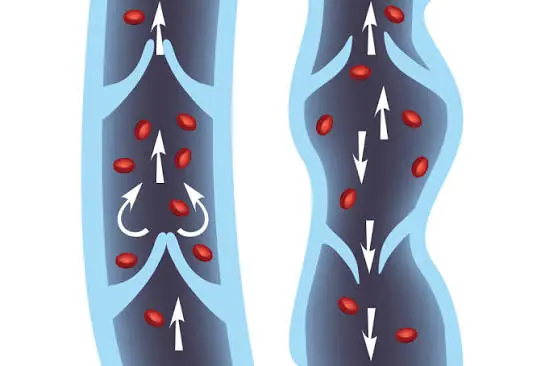
🦵 6 Easy Lifestyle Changes That May Make a Difference for Your Leg Health... 👇

Natural Cough Remedies: What Science Says About Honey, Onion, and Garlic

Want Healthier Kidneys? Add These 12 Foods to Your Plate

Noticing Spots or Lines in Your Vision? They Could Be Eye Floaters

❤️ 7 Heart Attack Symptoms People Can Easily Mistake for Something Else... 👇

💅 Your Nails Can Change With Age—But These Lines May Have Several Possible Causes... 👇

☕ Most People Drink Coffee Every Morning Without Knowing This... 👀👇

5 Healthy Vegetables High in Calcium for Your Daily Diet

Start Your Morning Right: Simple Habits That May Benefit Your Heart and Brain

😨 Unusual Bruising Isn't Always Harmless—Here's When to Talk to a Doctor... 👇

The Facts About Cervical Can.cer That Every Woman Should Be Aware Of

Pumpkin Seeds Are Nutritious, but Eating Too Many May Have Some Downsides

Doctors Say These People Should Limit Avocados

No matter how hungry you are, don't touch these 5 breakfast foods.

Is This Herbal Remedy Right for You? Here's What to Know

Why Dogs Sniff People's Groins: What Veterinarians Want You to Know... 👇

😲 Doctors Explain Why Adding Avocado to Your Diet May Have Unexpected Benefits... 👇
Late-Night Bananas: What They May Do to Your Sleep and Digestion
The Truth About Tilapia: Is This Popular Fish Actually Healthy?
🦵 6 Easy Lifestyle Changes That May Make a Difference for Your Leg Health... 👇

The Trip That Was Built on Lies
Natural Cough Remedies: What Science Says About Honey, Onion, and Garlic
Want Healthier Kidneys? Add These 12 Foods to Your Plate
Noticing Spots or Lines in Your Vision? They Could Be Eye Floaters
❤️ 7 Heart Attack Symptoms People Can Easily Mistake for Something Else... 👇

We Stopped Taking Photos and Started Enjoying the Trip
💅 Your Nails Can Change With Age—But These Lines May Have Several Possible Causes... 👇
☕ Most People Drink Coffee Every Morning Without Knowing This... 👀👇
5 Healthy Vegetables High in Calcium for Your Daily Diet
Start Your Morning Right: Simple Habits That May Benefit Your Heart and Brain
😨 Unusual Bruising Isn't Always Harmless—Here's When to Talk to a Doctor... 👇
The Facts About Cervical Can.cer That Every Woman Should Be Aware Of
Pumpkin Seeds Are Nutritious, but Eating Too Many May Have Some Downsides
Doctors Say These People Should Limit Avocados