Some people are only now realizing what the “WC” sign stands for on washrooms
Facts 24/07/2026 12:49
Have you ever noticed that your breath becomes visible on cold winter mornings, looking like white smoke drifting through the air? Many people assume it is actual smoke, but that's not what you're seeing.
The white cloud is actually made up of tiny droplets of water, formed when the warm, moist air you exhale meets cold outdoor air. It's a completely normal phenomenon and a fascinating example of how temperature and humidity affect the air around us.
Here are 10 interesting facts about why your breath becomes visible in winter.
The white cloud you see is not smoke and it isn't pollution coming from your lungs.
Instead, it consists of millions of tiny droplets of liquid water and, in very cold conditions, tiny ice crystals.
These droplets scatter light, making your breath visible.
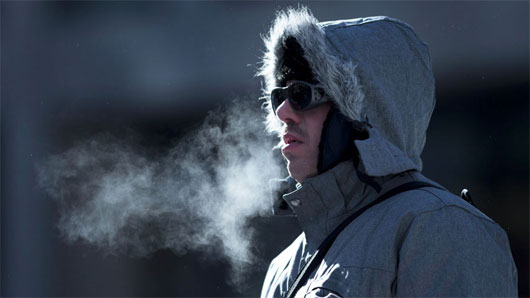
Every time you exhale, your breath contains:
Water vapor
Carbon dioxide
Nitrogen
Oxygen
Small amounts of other gases
Because the air inside your lungs is warmed to about 98.6°F (37°C) and is nearly fully saturated with moisture, it carries much more water vapor than cold outdoor air.
One of the key reasons your breath becomes visible is that cold air holds less water vapor than warm air.
When your warm breath mixes with cold air, the excess moisture quickly condenses into tiny droplets.
This process is similar to how clouds form in the sky.

The change occurs within fractions of a second.
As your warm breath cools rapidly:
Water vapor changes into tiny liquid droplets.
Sometimes, in extremely cold weather, tiny ice crystals also form.
These suspended droplets create the familiar white cloud.
Your breath is often more noticeable when:
The weather is cold.
The air is humid.
There is little wind.
On very dry winter days, your breath may appear less dramatic because moisture evaporates more quickly.
Cold weather isn't the only time this happens.
Your breath may also become visible:
Inside a walk-in freezer.
At an ice rink.
In air-conditioned industrial facilities.
On mountaintops.
During winter sports.
Anywhere the surrounding air is cold enough, condensation can occur.
During physical activity, you breathe:
Faster.
More deeply.
More frequently.
This releases larger amounts of warm, moist air, making the white cloud appear thicker and more noticeable.
Visible breath is completely normal.
It does not indicate:
Lung disease.
Smoking.
Infection.
Excess mucus.
Healthy people produce visible breath under the right environmental conditions.
When temperatures fall well below freezing, some of the moisture in your breath may freeze almost immediately.
This creates tiny ice crystals that sparkle in sunlight and can make your breath appear denser than usual.
During summer, the surrounding air is much warmer and can hold significantly more water vapor.
Instead of condensing into visible droplets, the moisture in your breath stays as an invisible gas.
That's why you usually cannot see your breath on warm days.
For most healthy people, seeing your breath is completely harmless.
However, extremely cold air can:
Dry out the airways.
Trigger coughing.
Worsen asthma symptoms in susceptible individuals.
Make breathing feel more difficult during intense exercise.
Wearing a scarf or face covering over your mouth and nose can help warm and humidify the air before it reaches your lungs.
Clouds, fog, and the "steam" from your breath are created by the same basic process:
Warm, moist air cools, causing water vapor to condense into tiny droplets that become visible.
The only difference is where the condensation occurs.
The white "smoke" you see when breathing on a cold winter day isn't smoke at all—it's a cloud of tiny water droplets formed when the warm, moisture-rich air from your lungs cools rapidly after meeting cold outdoor air. This harmless process is similar to the formation of clouds and fog and is a normal part of breathing in cold weather.
So the next time you see your breath on a chilly morning, you'll know you're watching a simple but fascinating demonstration of everyday science.

😱 Millions of Dog Owners Have Experienced This Without Knowing Why... See More

You Should Never Ignore Waking Up at 3 or 4 A.M.—It Could Be a Warning Sign 😨👇
Almost everyone hates slugs—but...



Most People Misunderstand This Common Sleeping Position
Have You Ever Wondered Why Lizards Enter Homes? Here's One Traditional Interpretation


Dogs Have an Amazing Sense of Smell—And This Habit Actually Makes Perfect Sense...



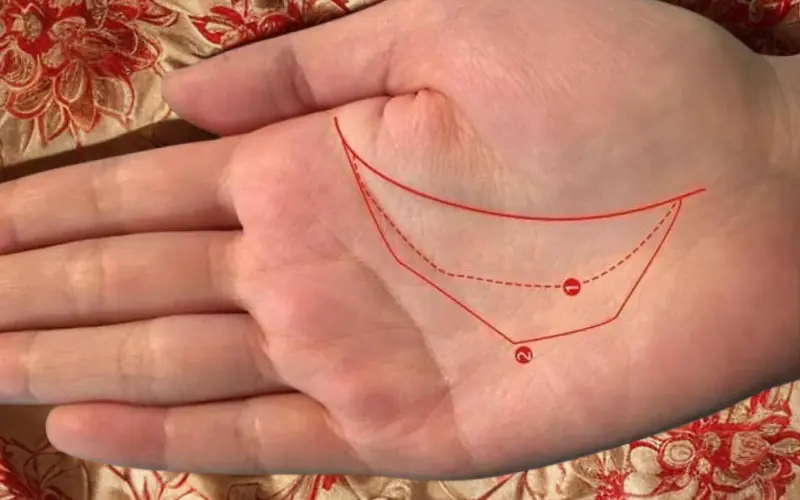
A Guide to the Main Palm Lines and Their Traditional Meanings

Before You Replace Your Jeans, Here's Why They May Be Wavy After Washing

Hidden Inside This Common Fish Could Be Something You Never Expected… 😨🐟 See More 👇👇



Your Dog Keeps Sleeping in Your Bed? Here's the Real Reason
Could your sleep pattern be revealing hidden health problems?

One Image, Two Interpretations—Which One Did You See?
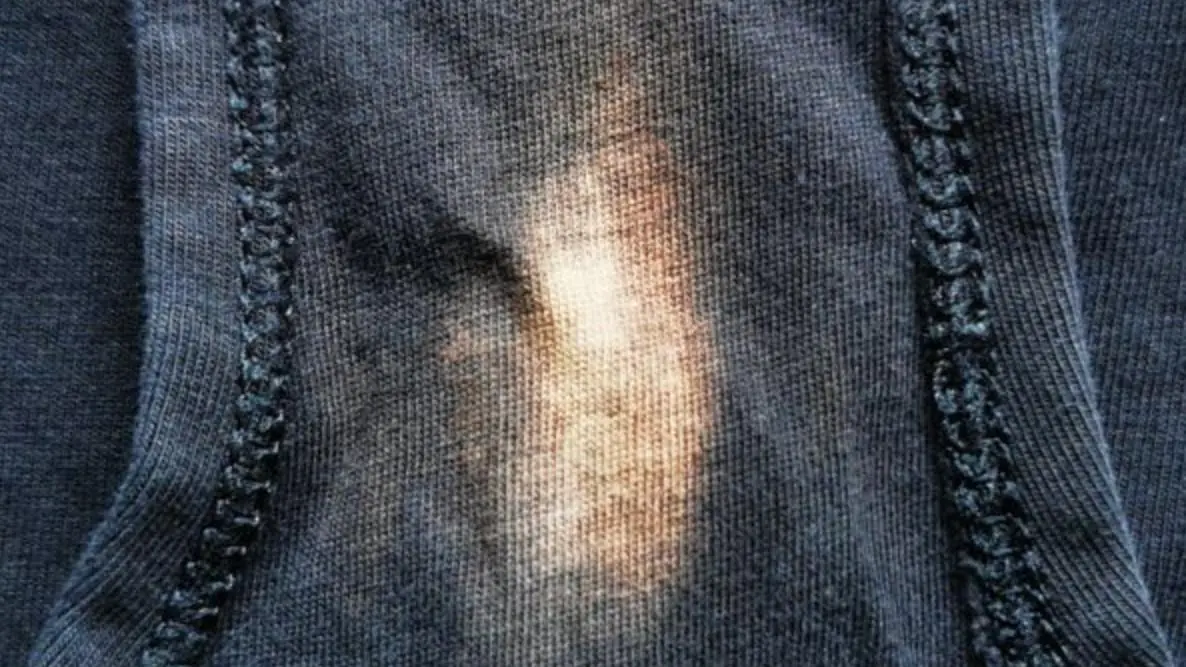
Before you panic over faded underwear, read what doctors say first.

Your Body Gives These Clues When You Need More Water

Don't Panic! Follow These Life-Saving Steps After a Snake Bite


Could These Cognitive Changes Be an Early Sign of Alzheimer's?

One Simple Choice, Eight Different Personalities

Is Your Shoulder Blade Pain a Warning Sign?
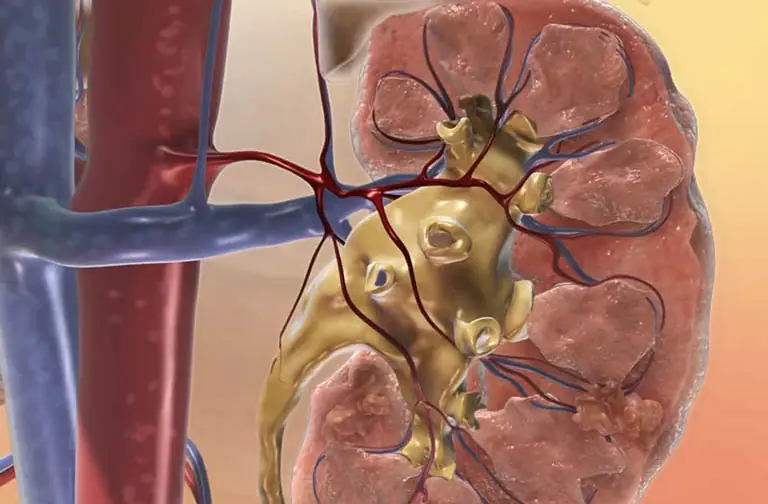
Early Signs That May Indicate a Kidney Problem

A well-maintained kettle helps ensure safer water and longer appliance life.

Healthy daily habits play a major role in protecting your liver for life.

Safe chicken preparation helps prevent serious foodborne illnesses every day.
A single long fingernail can have practical, cultural, or personal meanings.
Is Your Body Sending a Signal? Early Signs of Bladder Can:cer
Experts Reveal What White Patches on Your Skin Could Be Trying to Tell You
Doctors reveal that eating walnuts causes...See more