
Simple Ways to Keep Your Home Fresh During Damp Weather
Facts 23/07/2026 19:37

Long before synthetic dyes were invented, people around the world used plants, fruits, vegetables, spices, and flowers to create beautiful natural colors for fabrics, eggs, paper, and even certain foods. Natural dyes are biodegradable, environmentally friendly, and often produce soft, earthy tones that are difficult to replicate with artificial coloring.
Here are 10 of the best natural ingredients for creating beautiful plant-based dyes.
Turmeric is one of the easiest and most vibrant natural dyes.
It creates shades ranging from:
Golden yellow
Mustard
Warm orange-yellow
Best for:
Cotton
Silk
Wool
Handmade paper
Easter eggs
Turmeric fades more quickly in direct sunlight, so dyed items should be stored away from prolonged UV exposure.
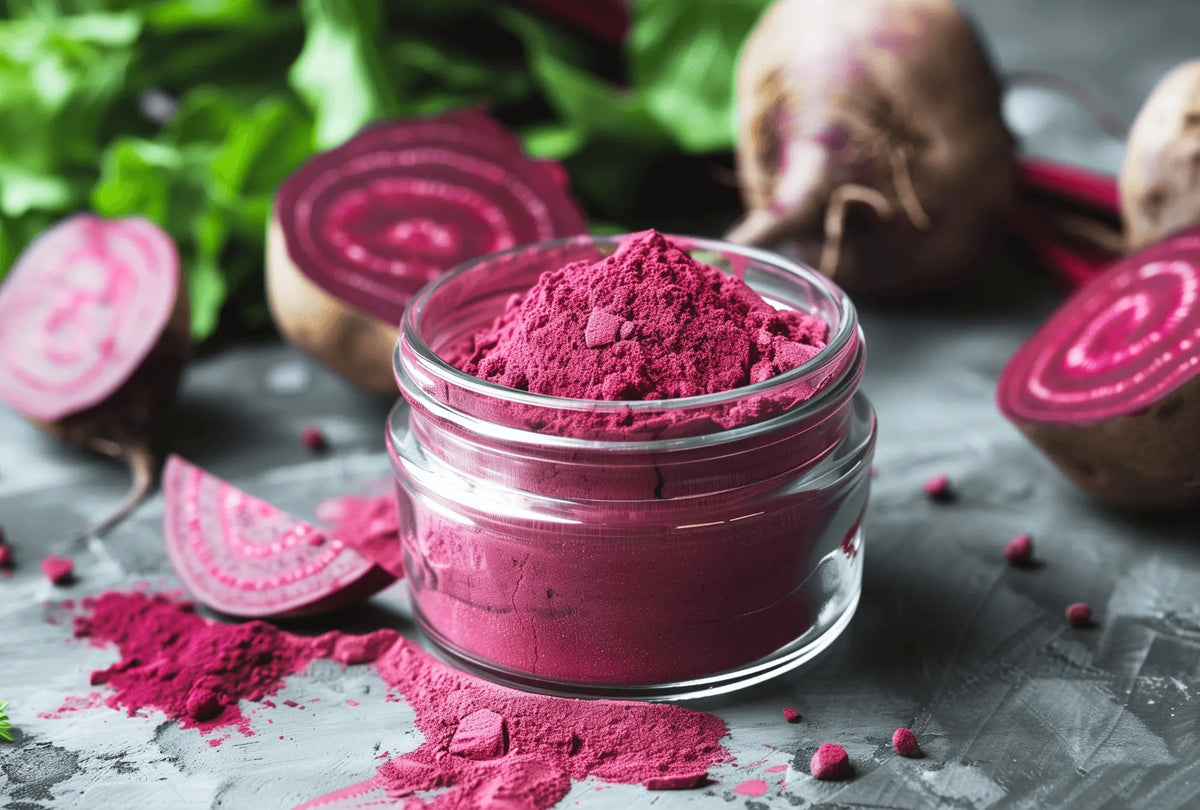
Beetroot produces beautiful shades of:
Soft pink
Rose
Magenta
Deep burgundy
The exact color depends on:
Fabric type
Dye concentration
Dyeing time
Mordant used
Beet dye works well for decorative crafts and naturally coloring foods.
Red cabbage is unique because its pigments change color depending on pH.
It can produce:
Purple
Blue
Lavender
Green
Adding baking soda shifts the color toward blue-green, while vinegar enhances reddish-purple tones.
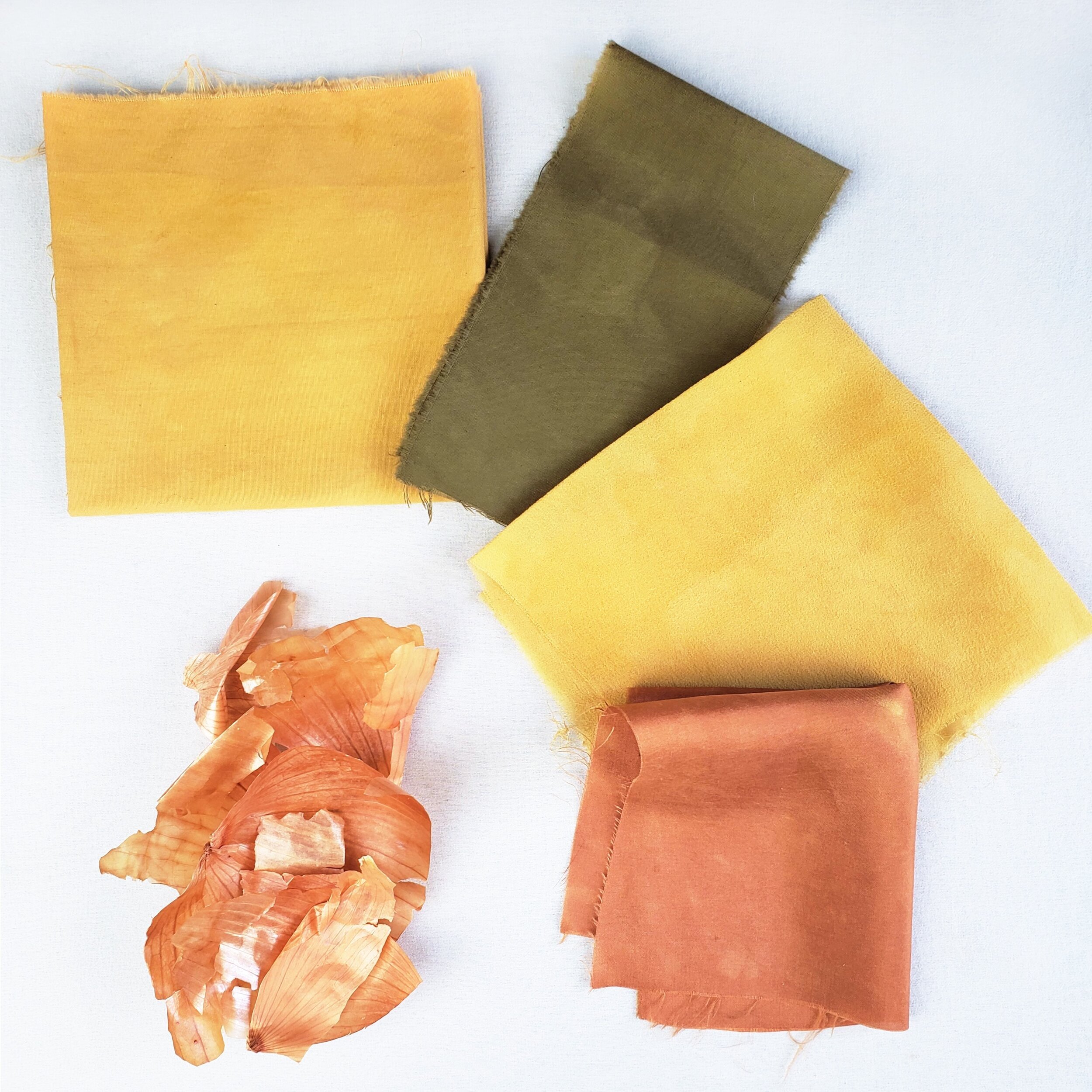
Instead of throwing away onion skins, save them for dyeing.
Yellow onion skins create:
Golden yellow
Copper
Orange
Light brown
Red onion skins may produce:
Rust
Burgundy
Olive tones
This is one of the oldest traditional natural dyes.

Fresh spinach leaves can create gentle shades of:
Sage green
Pale green
Yellow-green
Although the color is not as vibrant as synthetic dyes, spinach works well for subtle, natural-looking projects.

Dried hibiscus flowers contain natural anthocyanins that produce:
Pink
Purple
Mauve
Like red cabbage, hibiscus colors can shift depending on acidity.
The same flowers are commonly used in herbal teas.
Food-grade dried rose petals can produce delicate shades such as:
Soft blush
Dusty pink
Beige-pink
They are especially popular for naturally dyeing handmade paper and fabrics for decorative purposes.
Coffee and tea are among the easiest household natural dyes.
Coffee creates:
Light brown
Chocolate brown
Black tea produces:
Beige
Tan
Warm brown
These are excellent choices for creating a vintage or antique appearance on fabrics and paper.
Dark berries are rich in anthocyanins that can create:
Blue
Purple
Gray
Lavender
The final color depends on the pH of the dye bath and the material being dyed.
Many people are surprised to learn that avocado skins and pits produce beautiful shades of:
Peach
Blush pink
Salmon
Dusty rose
This makes avocados one of the most popular sustainable dye sources for home textile enthusiasts.
For richer, longer-lasting colors:
Wash fabrics before dyeing.
Simmer rather than boil delicate plant materials.
Strain the dye before use.
Allow fabrics to soak for several hours or overnight.
Air dry away from direct sunlight.
Many natural fibers, such as cotton, linen, silk, and wool, absorb natural dyes more effectively than synthetic fabrics.
A mordant is a substance used to help natural dyes bind more effectively to fabric.
Common mordants include:
Alum (potassium aluminum sulfate)
Iron solutions
Tannins from plants
Using the appropriate mordant can improve color intensity and wash fastness. However, if dyeing foods, only use ingredients that are safe for consumption—textile mordants should never be used with edible items.
Natural dyes offer a beautiful, eco-friendly alternative to synthetic coloring. Everyday ingredients such as turmeric, beetroot, red cabbage, onion skins, spinach, hibiscus, dried rose petals, coffee, berries, and avocado pits can create a wide range of colors while reducing environmental impact.
Although natural dyes may fade more quickly than synthetic ones, their unique, earthy tones and sustainable origins make them a popular choice for crafters, artists, textile makers, and home DIY enthusiasts.

Most People Misunderstand This Common Sleeping Position

Have You Ever Wondered Why Lizards Enter Homes? Here's One Traditional Interpretation


Dogs Have an Amazing Sense of Smell—And This Habit Actually Makes Perfect Sense...

Before You Replace Your Jeans, Here's Why They May Be Wavy After Washing

Hidden Inside This Common Fish Could Be Something You Never Expected… 😨🐟 See More 👇👇

25-Year-Old Man Suffers Kidney Failure After Just One Bite
What Should You Do If a Bird Flies Into Your House?
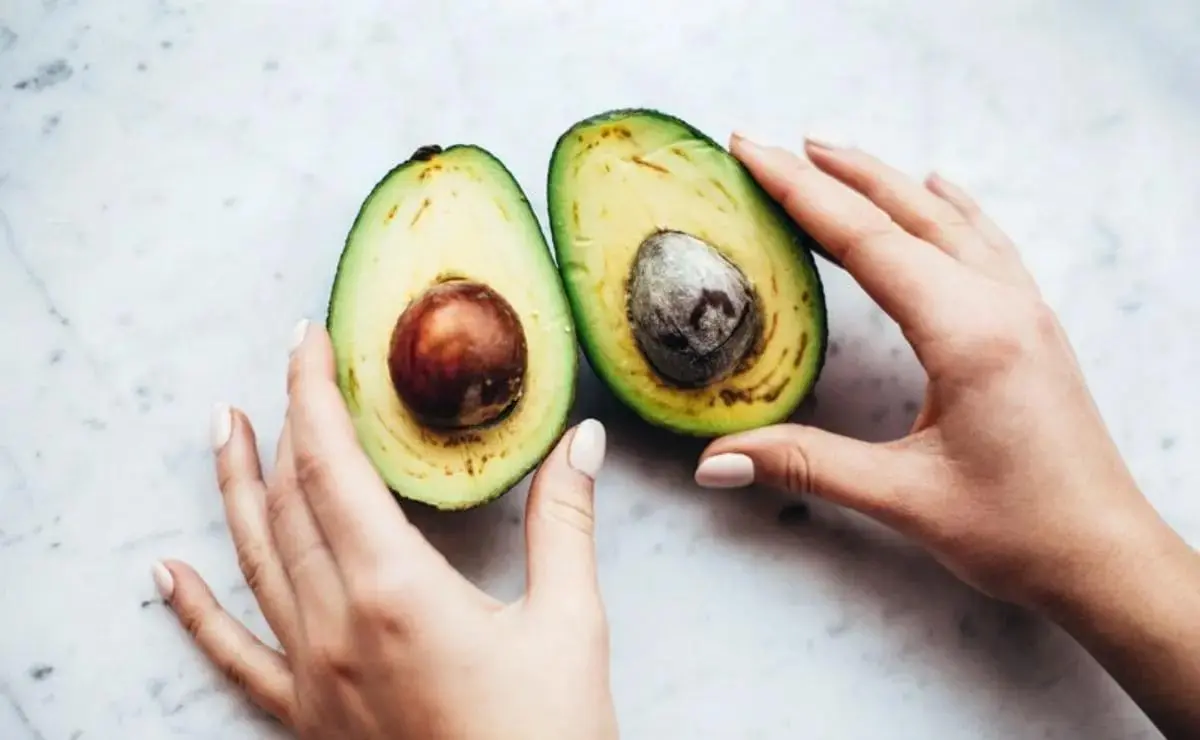
Not Every Brown Spot Means Your Avocado Has Gone Bad

It's Been Right in Front of You All Along—But What Does This Seatbelt Button Really Do? 👇

Your Toes May Be Sending You Signals About Your Health—Are You Paying Attention?




Every woman should know these 4 common reasons for changes in intimate odor

Doctors Warn Against Drinking These 2 Beverages Before Bed—No Matter How Thirsty You Are
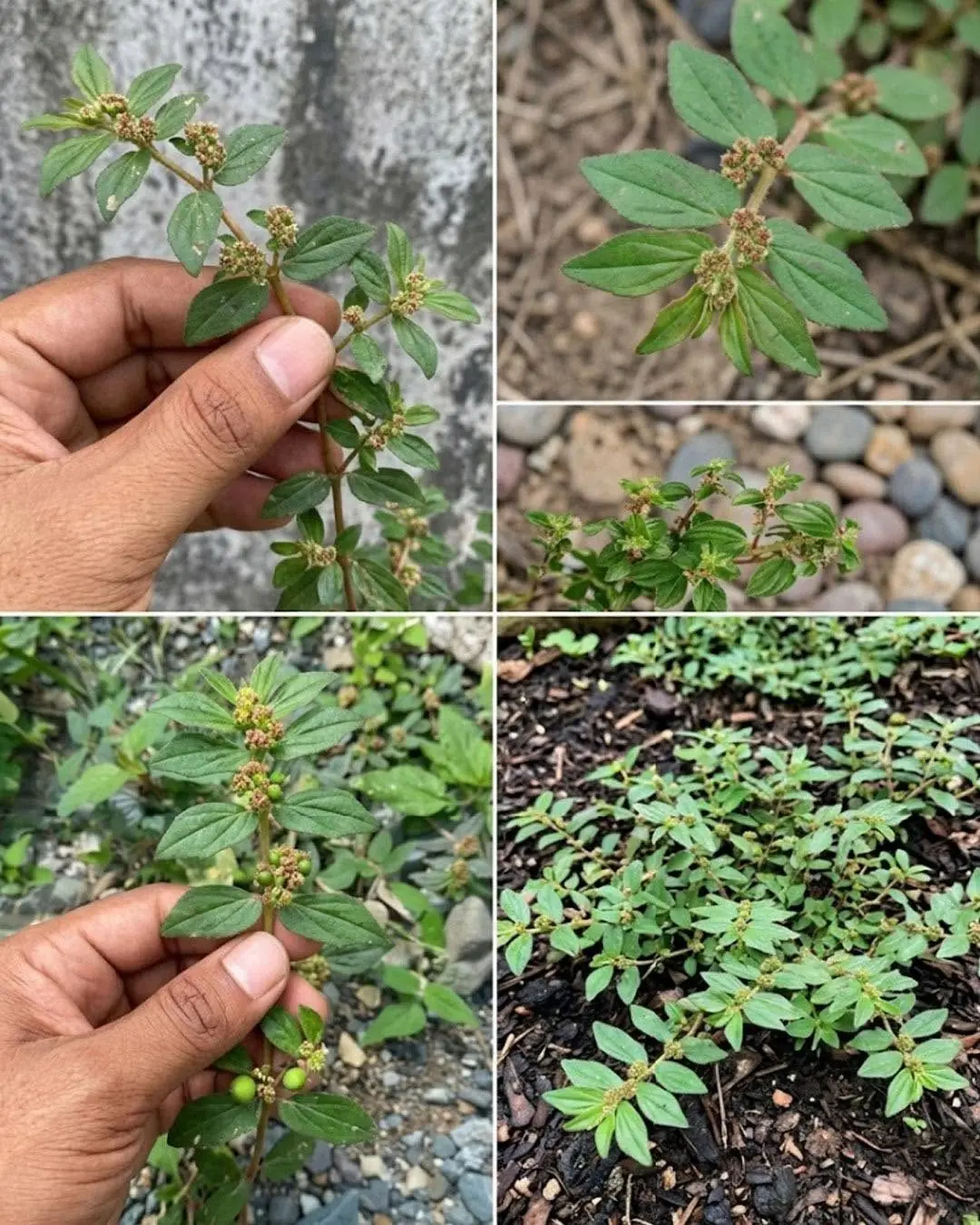
Essa planta tem mais poder do que você imagina, e cresce em todo lugar...
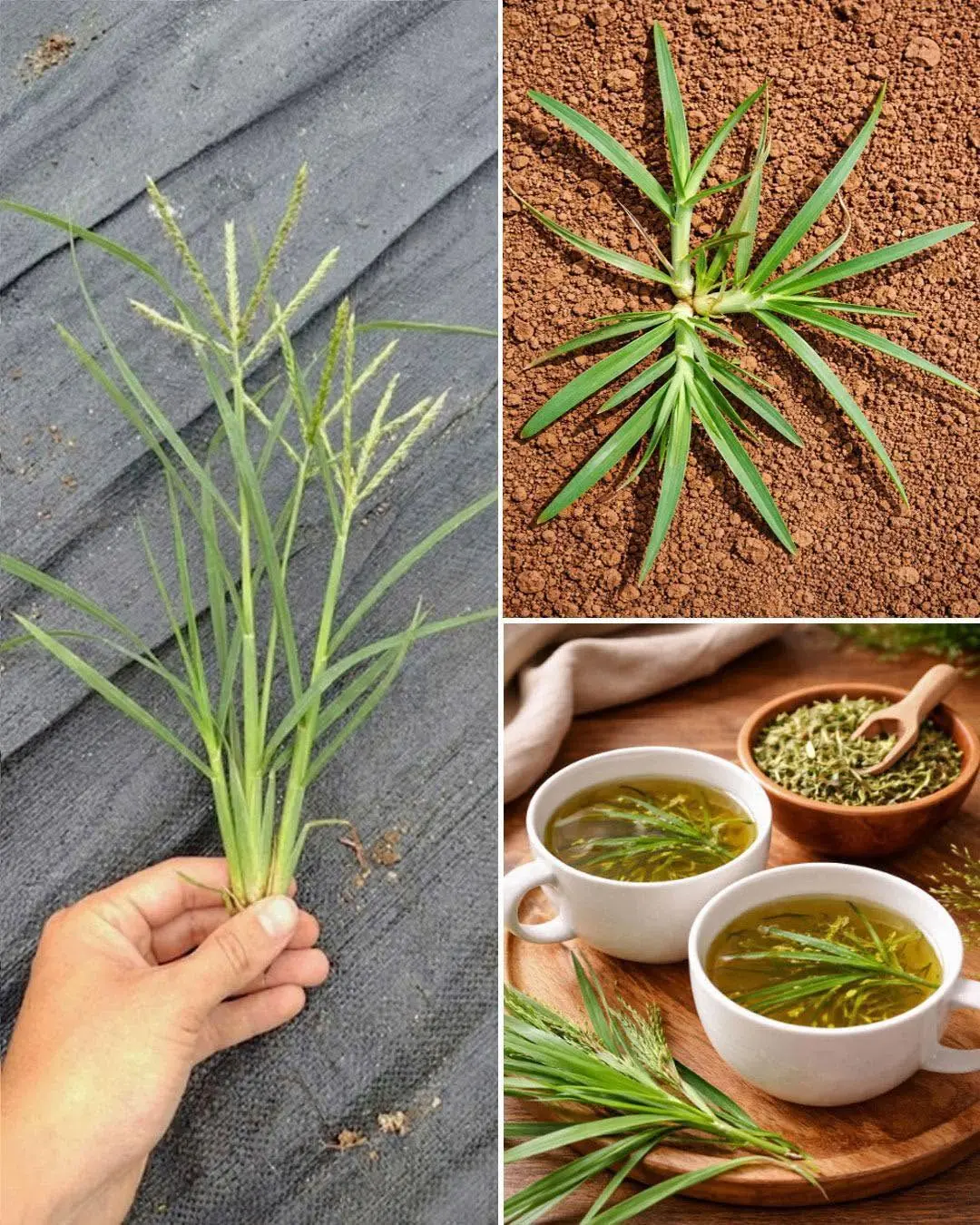
Ter essa planta no seu jardim é mais valioso do que encontrar dinheiro...
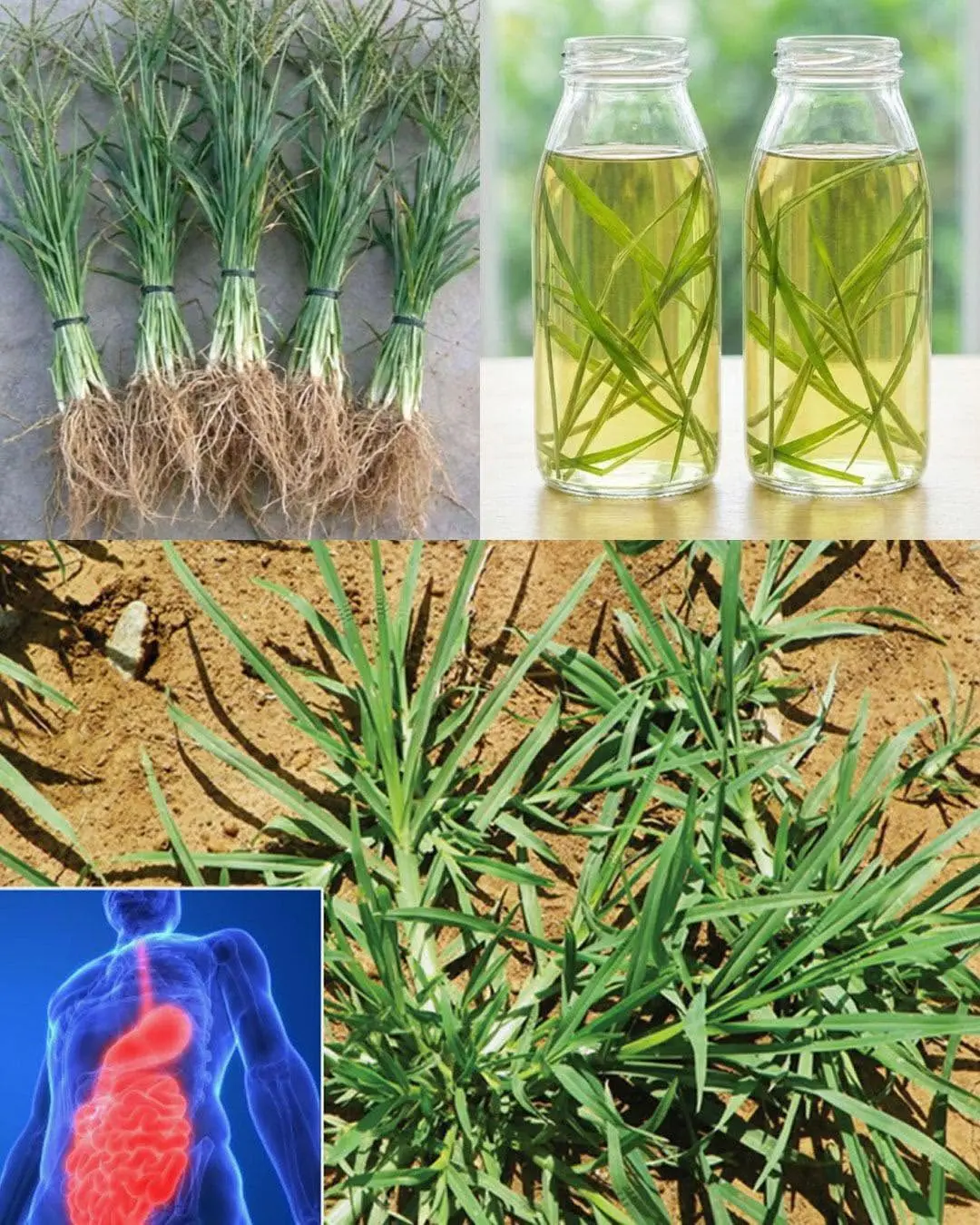
Ter essa planta no seu jardim é mais valioso do que encontrar dinheiro...
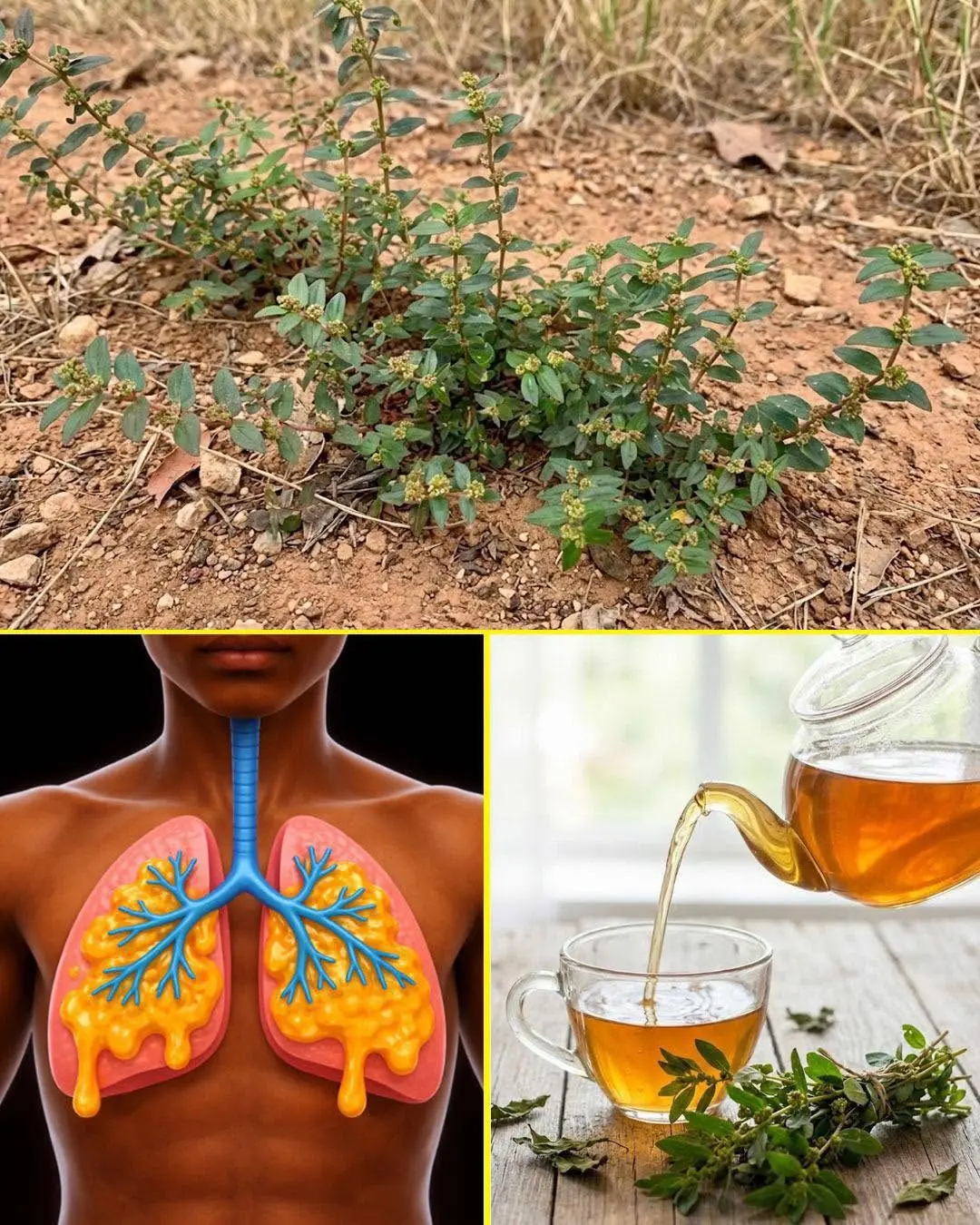
Seeing this plant is like finding "gold" in the garden, don’t throw it away…......
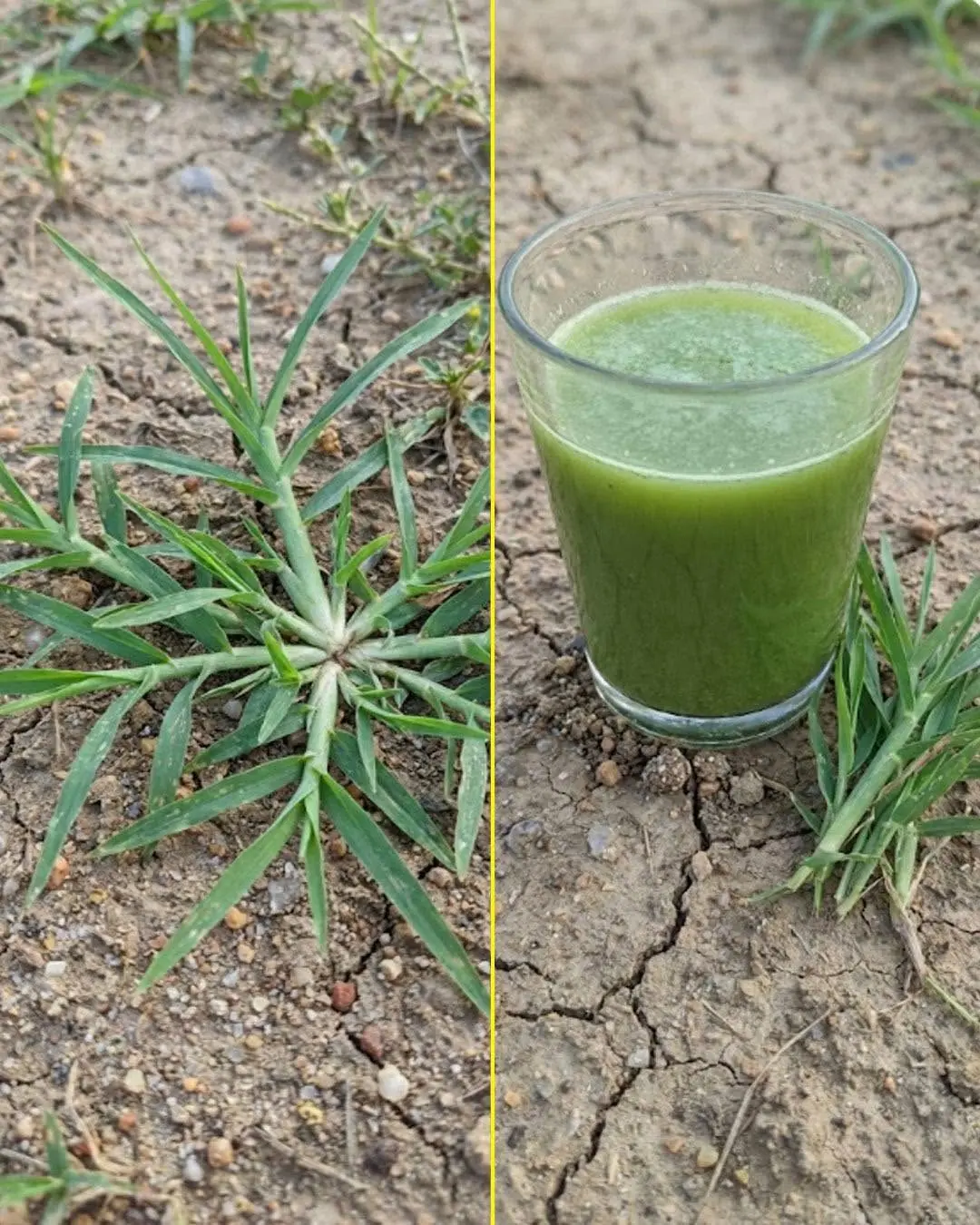
A maioria das pessoas pensa que isso é apenas uma erva daninha, elas não têm ideia de quão importante é...

Essa planta tem mais poder do que você imagina, e cresce em todo lugar...

Liver Specialists Reveal the Daily Mistakes Many People Make

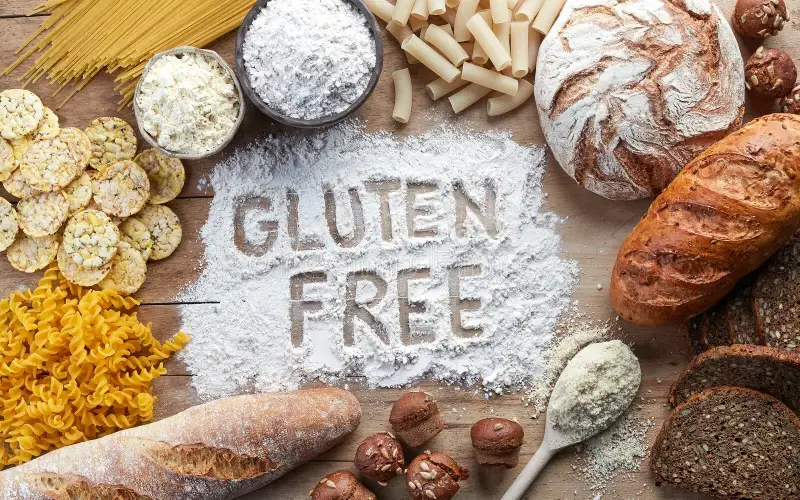
Recognizing Symptoms That May Be Linked to Gluten Sensitivity



5 Possible Morning Warning Signs of Kidney Disease