Fatty liver disease is one of the most common liver conditions worldwide, affecting an estimated one in four adults. In many cases, people don't realize they have it because the condition often develops silently, without noticeable symptoms. Although fatty liver disease can sometimes progress to more serious liver damage, the good news is that many cases—particularly in the early stages—can be improved through healthy lifestyle changes and proper medical care.
Understanding the risk factors, recognizing possible warning signs, and knowing when to seek medical attention can help protect your liver and your overall health.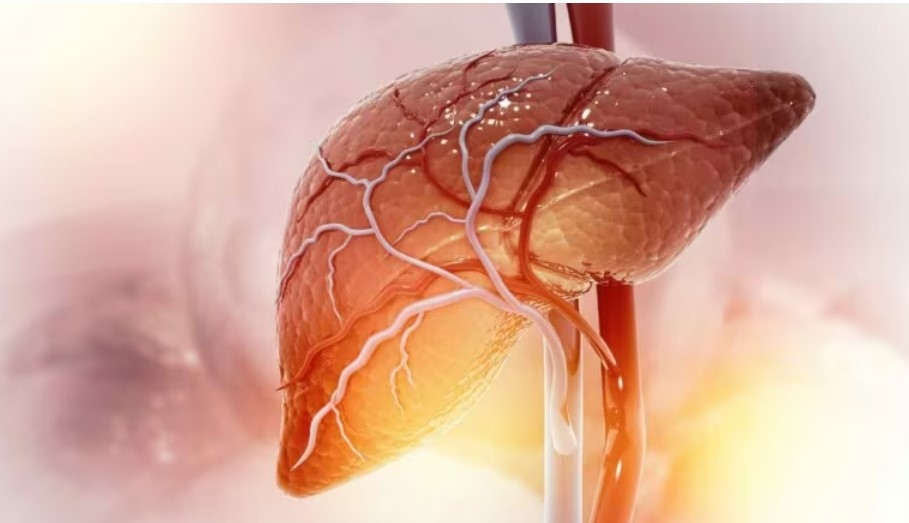
What Is Fatty Liver Disease?
Fatty liver disease occurs when too much fat accumulates inside liver cells.
A small amount of fat in the liver is normal. However, when fat makes up more than about 5% of the liver's weight, it is considered fatty liver disease.
There are two major categories:
-
Metabolic dysfunction-associated steatotic liver disease (MASLD), previously known as non-alcoholic fatty liver disease (NAFLD)
-
Alcohol-associated liver disease (ALD), which is related to excessive alcohol consumption
Although these conditions have different causes, both can lead to inflammation and liver damage if left untreated.
Why Is the Liver So Important?
The liver performs hundreds of essential functions, including:
-
Filtering toxins from the blood
-
Producing bile to aid digestion
-
Processing nutrients
-
Storing vitamins and minerals
-
Regulating blood sugar
-
Producing proteins involved in blood clotting
-
Metabolizing medications
Keeping your liver healthy supports your entire body.
What Causes Fatty Liver Disease?
Several factors increase the risk of developing excess fat in the liver.
1. Excess Body Weight
Being overweight or obese is one of the strongest risk factors for MASLD.
Excess body fat—particularly around the abdomen—can increase fat accumulation in the liver.
2. Type 2 Diabetes
People with type 2 diabetes have a significantly higher risk of fatty liver disease.
Poorly controlled blood sugar may contribute to increased fat storage in liver cells.
3. Insulin Resistance
Insulin resistance often develops before diabetes.
It plays a major role in the development of MASLD by altering the way the body processes fats and sugars.
4. High Cholesterol and High Triglycerides
Abnormal blood lipid levels may contribute to fat buildup in the liver.
Managing cholesterol benefits both liver and heart health.
5. Excessive Alcohol Consumption
Alcohol can directly damage liver cells.
Long-term heavy drinking increases the risk of alcohol-associated liver disease and cirrhosis.
6. Certain Medications
Some medications may contribute to fatty liver or liver injury in certain individuals.
Never stop taking prescribed medication without consulting your healthcare provider.
7. Other Factors
Additional contributors may include:
-
Sleep apnea
-
Polycystic ovary syndrome (PCOS)
-
Genetic factors
-
Rapid weight loss
-
Certain metabolic disorders
Does Fatty Liver Disease Cause Symptoms?
Many people experience no symptoms at all, especially during the early stages.
When symptoms do occur, they may include:
-
Persistent fatigue
-
Feeling generally unwell
-
Mild discomfort in the upper right abdomen
-
Reduced energy levels
These symptoms are not specific to fatty liver disease and can occur in many other conditions.
Symptoms That May Suggest More Advanced Liver Disease
If liver damage progresses, additional symptoms may develop, including:
-
Yellowing of the skin or eyes (jaundice)
-
Swelling in the legs or abdomen
-
Easy bruising
-
Persistent itching
-
Confusion or difficulty concentrating
-
Dark urine
-
Pale-colored stools
These symptoms require prompt medical evaluation.
Can Fatty Liver Disease Become Serious?
Yes.
Although many people never develop complications, untreated fatty liver disease may progress through several stages.
Simple Fatty Liver
Fat is present, but there is little or no inflammation.
Steatohepatitis
Inflammation develops alongside fat accumulation.
For MASLD, this stage is called metabolic dysfunction-associated steatohepatitis (MASH) (previously known as NASH).
Fibrosis
Persistent inflammation leads to scar tissue formation.
Cirrhosis
Extensive scarring reduces liver function and increases the risk of liver failure and liver cancer.
Fortunately, progression is not inevitable, and many people never reach these advanced stages.
How Is Fatty Liver Disease Diagnosed?
Because symptoms are often absent, fatty liver disease is frequently discovered during routine medical testing.
Your healthcare provider may recommend:
-
Medical history and physical examination
-
Blood tests (liver function tests)
-
Ultrasound
-
FibroScan® (transient elastography)
-
CT scan or MRI in selected cases
-
Liver biopsy in certain situations
Diagnosis depends on your overall clinical picture rather than a single test.
Evidence-Based Ways to Improve Fatty Liver Disease
1. Achieve Gradual Weight Loss (If Appropriate)
For people who are overweight or obese, gradual weight loss is one of the most effective treatments for MASLD.
Research suggests that losing approximately 7–10% of body weight may improve liver fat, inflammation, and, in some cases, liver fibrosis.
Rapid weight loss is not recommended, as it may temporarily worsen liver problems.
2. Be Physically Active
Regular exercise benefits the liver even without significant weight loss.
Aim for activities such as:
-
Brisk walking
-
Cycling
-
Swimming
-
Strength training
Current guidelines generally recommend at least 150 minutes of moderate-intensity physical activity per week, unless otherwise advised by your healthcare provider.
3. Eat a Balanced Diet
No single "fatty liver diet" exists.
Instead, focus on:
-
Fruits
-
Vegetables
-
Whole grains
-
Legumes
-
Lean protein
-
Fish
-
Nuts
-
Healthy fats such as olive oil
Limiting highly processed foods and sugary beverages may also help reduce liver fat.
Many healthcare professionals recommend a Mediterranean-style eating pattern because of its benefits for metabolic and cardiovascular health.
4. Reduce Added Sugar
Large amounts of added sugar—especially from sugar-sweetened beverages—may contribute to fat accumulation in the liver.
Replacing sugary drinks with water or unsweetened beverages is a simple step toward better liver health.
5. Limit or Avoid Alcohol
If you have alcohol-associated liver disease, avoiding alcohol is essential.
Even for people with MASLD, your healthcare provider may recommend limiting or avoiding alcohol depending on your individual condition.
6. Manage Other Health Conditions
Controlling related conditions can significantly reduce long-term risk.
Important conditions include:
-
Type 2 diabetes
-
High blood pressure
-
High cholesterol
-
Obesity
-
Sleep apnea
Treating these conditions supports both liver and cardiovascular health.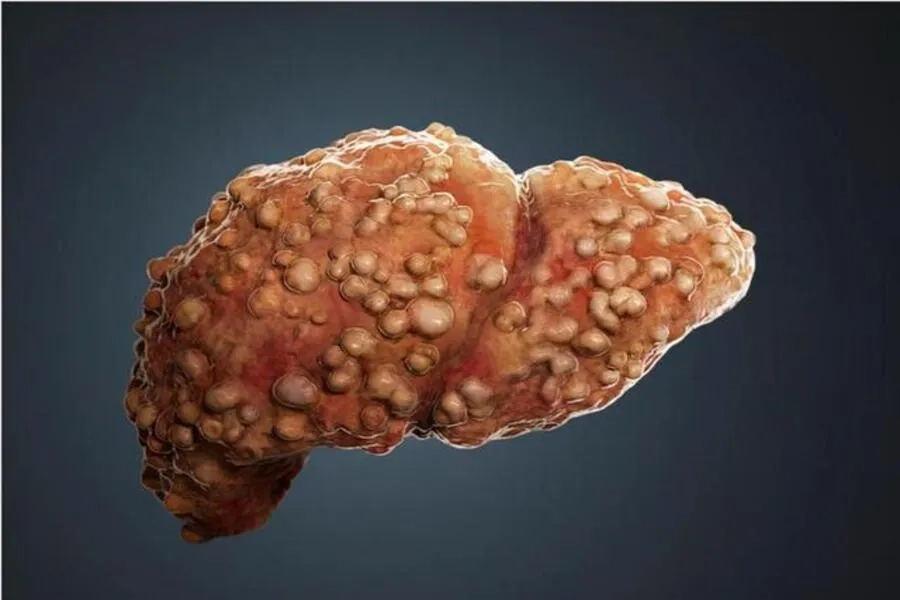
Can Fatty Liver Disease Be Reversed?
In many cases, yes—particularly during the early stages.
Reducing liver fat through healthy lifestyle changes may improve liver function and decrease inflammation.
However, advanced fibrosis or cirrhosis may not be completely reversible.
This is why early diagnosis is so important.
Foods That Support Liver Health
Although no food can cure fatty liver disease, a balanced eating pattern may help support liver function.
Nutritious choices include:
-
Leafy green vegetables
-
Berries
-
Whole grains
-
Beans
-
Fatty fish rich in omega-3 fatty acids
-
Nuts
-
Coffee (in moderation, for many adults, if appropriate)
Coffee has been associated in observational studies with a lower risk of liver fibrosis in some people, but it should not replace medical treatment.
Common Myths About Fatty Liver Disease
Myth 1: Only People Who Drink Alcohol Get Fatty Liver
False.
MASLD is now one of the most common liver diseases worldwide and often occurs in people who drink little or no alcohol.
Myth 2: Fatty Liver Always Causes Symptoms
False.
Most people have no symptoms in the early stages.
Myth 3: Liver Cleanses Can Cure Fatty Liver
False.
There is no scientific evidence that detoxes, cleanses, or herbal supplements can cure fatty liver disease.
Some supplements may even harm the liver.
Always consult your healthcare provider before using supplements marketed for "liver detox."
When Should You See a Doctor?
Arrange a medical evaluation if you have:
-
Persistent fatigue
-
Elevated liver enzymes on blood tests
-
Diabetes
-
Obesity
-
High cholesterol
-
Upper right abdominal discomfort
-
A family history of liver disease
Early evaluation can identify liver disease before significant damage develops.
When Is It an Emergency?
Seek immediate medical attention if you develop:
-
Yellowing of the skin or eyes
-
Confusion
-
Severe abdominal swelling
-
Vomiting blood
-
Black, tarry stools
-
Severe abdominal pain
-
Difficulty staying awake
These symptoms may indicate advanced liver disease or another serious medical emergency.
Final Thoughts
Fatty liver disease is common, but it is not something to ignore. While many people have no symptoms, excess fat in the liver can progress to inflammation, scarring, and, in some cases, cirrhosis if left unmanaged. The good news is that early-stage fatty liver disease can often be improved—and sometimes reversed—through gradual weight loss, regular physical activity, a balanced diet, and careful management of conditions such as diabetes, high blood pressure, and high cholesterol.
Rather than relying on detox products or fad diets, focus on evidence-based strategies that support long-term liver health. If you have risk factors for fatty liver disease or abnormal liver test results, talk with your healthcare provider about appropriate evaluation and personalized treatment. Protecting your liver today can have lasting benefits for your overall health in the years ahead.