Most people develop a bruise from time to time after bumping into furniture, playing sports, or carrying heavy objects. In many cases, bruises are harmless and disappear within a couple of weeks. However, if you begin noticing bruises that appear frequently, seem unusually large, or develop without any obvious injury, it may be worth paying closer attention.
While most cases of easy bruising are caused by minor injuries or age-related changes, unexplained bruising can sometimes be associated with medications, nutritional deficiencies, bleeding disorders, or other underlying medical conditions. Understanding the possible causes can help you recognize when medical evaluation is appropriate.
What Is a Bruise?
A bruise, also called a contusion, develops when small blood vessels (capillaries) beneath the skin break and leak blood into surrounding tissues.
Unlike cuts or scrapes, the skin remains intact.
As the trapped blood gradually breaks down, the bruise changes color over time.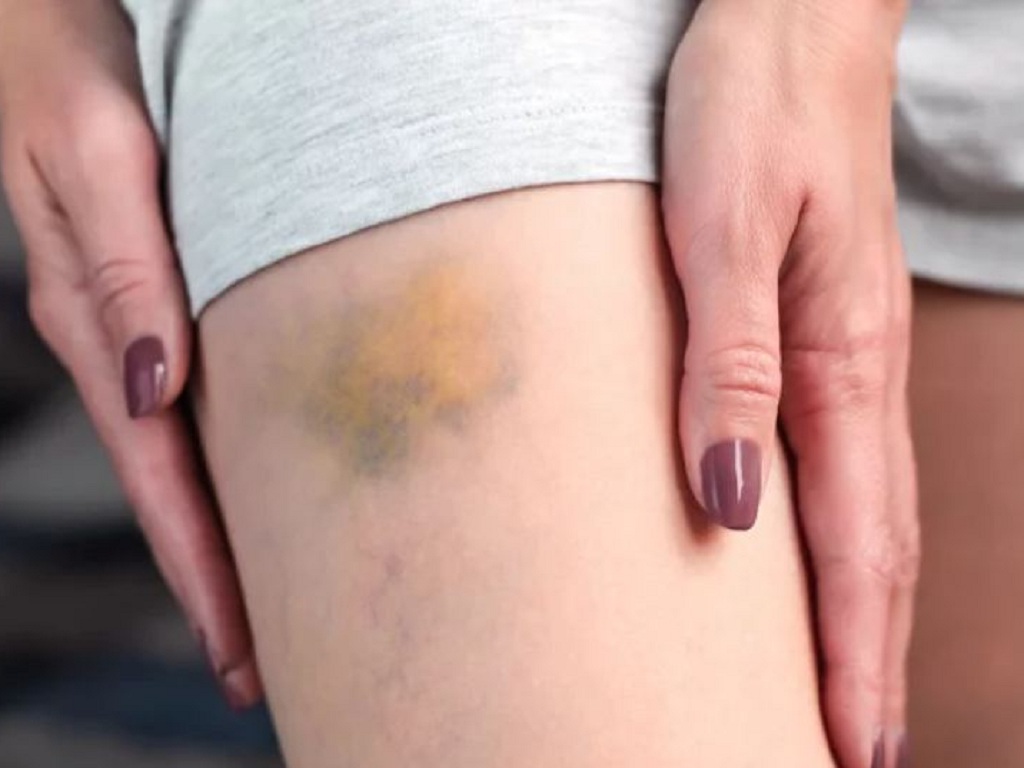
Why Do Bruises Change Color?
Bruises typically progress through several stages:
-
Red or purple shortly after injury
-
Blue or dark purple over the next few days
-
Green as healing continues
-
Yellow or brown before fading completely
Most uncomplicated bruises heal within one to three weeks, depending on their size and location.
Common Causes of Easy Bruising
1. Minor Injuries You Don't Remember
Many bruises result from small bumps that are forgotten almost immediately.
This is especially common when:
-
Moving furniture
-
Exercising
-
Carrying groceries
-
Walking through tight spaces
By the time a bruise becomes visible, you may no longer remember the minor injury.
2. Aging
As people age:
-
Skin becomes thinner.
-
Fat beneath the skin decreases.
-
Blood vessels become more fragile.
These normal changes make bruising easier, particularly on the:
-
Arms
-
Hands
-
Legs
Easy bruising becomes more common in older adults even without serious illness.
3. Certain Medications
Some medications increase the likelihood of bruising by affecting blood clotting or making blood vessels more fragile.
Examples include:
-
Blood thinners (anticoagulants)
-
Antiplatelet medications
-
Aspirin
-
Corticosteroids
-
Some nonsteroidal anti-inflammatory drugs (NSAIDs)
Never stop taking prescribed medication without consulting your healthcare provider.
4. Vitamin Deficiencies
Certain vitamins play an important role in maintaining healthy blood vessels and normal blood clotting.
Deficiencies in:
-
Vitamin C
-
Vitamin K
may contribute to increased bruising in some people.
Most people can obtain adequate amounts through a balanced diet, although some individuals may require medical evaluation if a deficiency is suspected.
5. Low Platelet Count
Platelets help stop bleeding by forming blood clots.
A reduced platelet count (thrombocytopenia) may increase the risk of:
-
Easy bruising
-
Nosebleeds
-
Bleeding gums
-
Small red or purple spots on the skin (petechiae)
There are many possible causes of low platelet counts, ranging from viral infections to autoimmune conditions and certain medications.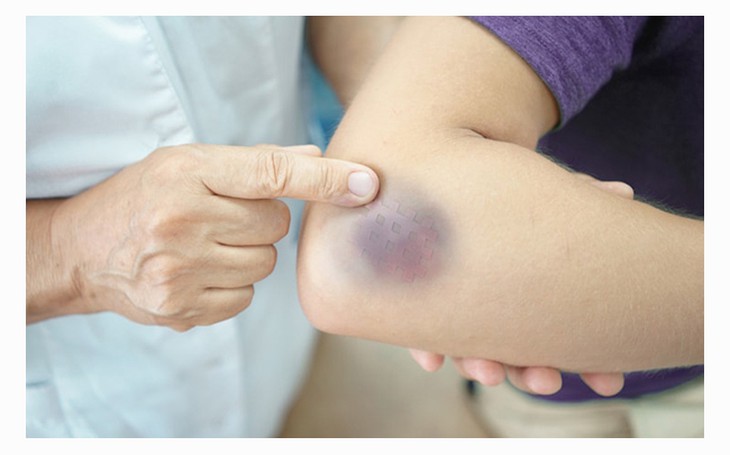
6. Bleeding Disorders
Inherited bleeding disorders, such as von Willebrand disease or hemophilia, can make bruising more common.
People with these conditions may also experience:
-
Frequent nosebleeds
-
Heavy menstrual bleeding
-
Prolonged bleeding after injuries or dental procedures
Although these disorders are less common, they often require specialized medical care.
7. Liver Disease
The liver produces many of the proteins needed for normal blood clotting.
Advanced liver disease may reduce the production of these proteins, making bruising and bleeding more likely.
Additional symptoms may include:
-
Yellowing of the skin or eyes (jaundice)
-
Swelling of the abdomen
-
Fatigue
-
Dark urine
8. Blood Cancers and Bone Marrow Disorders
In rare cases, easy bruising may be associated with conditions affecting blood cell production, such as:
-
Leukemia
-
Aplastic anemia
-
Certain bone marrow disorders
These conditions often cause multiple symptoms, not bruising alone.
Other signs may include:
-
Persistent fatigue
-
Frequent infections
-
Fever
-
Night sweats
-
Unexplained weight loss
Fortunately, these conditions are much less common than everyday causes of bruising.
Where Bruises Commonly Occur
Bruises frequently appear on:
-
Arms
-
Legs
-
Knees
-
Elbows
-
Shins
Bruises on areas that are less likely to experience accidental injury—especially when they appear repeatedly—may warrant medical evaluation.
When Should Easy Bruising Raise Concern?
Arrange a medical appointment if you notice:
-
Bruises appearing without any known injury.
-
Frequent bruising over several weeks or months.
-
Very large bruises after minor bumps.
-
Bruises that do not improve after several weeks.
-
Easy bruising together with unusual bleeding.
Although these symptoms do not necessarily indicate a serious illness, they deserve evaluation.
Symptoms That Should Never Be Ignored
Seek prompt medical attention if bruising occurs together with:
-
Bleeding that is difficult to stop
-
Blood in the urine
-
Blood in the stool
-
Persistent nosebleeds
-
Bleeding gums without obvious cause
-
Fever
-
Severe weakness
-
Unexplained weight loss
-
Numerous tiny red or purple spots (petechiae)
-
Sudden, widespread bruising
These symptoms require professional assessment.
How Doctors Evaluate Easy Bruising
Your healthcare provider may ask about:
-
Recent injuries
-
Family history
-
Current medications
-
Diet
-
Previous bleeding problems
If needed, additional tests may include:
-
Complete blood count (CBC)
-
Platelet count
-
Blood clotting tests
-
Liver function tests
-
Vitamin level assessment
-
Additional testing depending on your symptoms
The appropriate evaluation depends on your individual situation.
Can Diet Help?
A balanced diet supports healthy blood vessels and normal blood clotting.
Important nutrients include:
Vitamin C
Found in:
-
Oranges
-
Strawberries
-
Bell peppers
-
Kiwi
-
Broccoli
Vitamin K
Found in:
-
Spinach
-
Kale
-
Broccoli
-
Brussels sprouts
Protein
Adequate protein supports tissue repair and overall health.
Remember that diet alone cannot treat medical conditions causing abnormal bruising, but it contributes to overall wellness.
Tips to Help Reduce Bruising
If you bruise easily, consider:
-
Wearing protective clothing during physical activities.
-
Keeping walkways free of clutter.
-
Using good lighting at home.
-
Discussing medication side effects with your healthcare provider.
-
Eating a balanced diet.
-
Avoiding unnecessary use of medications that increase bleeding risk unless prescribed.
Never stop prescribed blood-thinning medications without medical advice.
Common Myths About Bruising
Myth 1: Every Unexplained Bruise Means Cancer
False.
Most bruises result from harmless causes such as unnoticed minor injuries or aging.
Myth 2: Bruises Should Always Hurt
False.
Some bruises cause very little discomfort, especially small ones.
Myth 3: Bruising Easily Is Always Normal With Age
Not entirely.
While bruising becomes more common with aging, new or significant changes in bruising patterns should still be discussed with a healthcare provider.
When Should You See a Doctor?
Consult a healthcare professional if:
-
Bruises occur frequently without explanation.
-
Bruises become larger than expected.
-
Bruising is accompanied by unusual bleeding.
-
You have a family history of bleeding disorders.
-
New bruising begins after starting a medication.
-
Bruises are associated with fatigue, fever, or unexplained weight loss.
Early evaluation can help identify whether the cause is harmless or requires treatment.
Final Thoughts
Occasional bruises are a normal part of everyday life and are usually caused by minor injuries that heal on their own. However, easy bruising that develops frequently, appears without a clear cause, or occurs alongside other symptoms should not be ignored. While aging, medications, and nutritional deficiencies account for many cases, unexplained bruising can sometimes signal bleeding disorders, liver disease, or other medical conditions that require attention.
Rather than assuming the worst, pay attention to changes in your usual pattern of bruising. If bruises become more frequent, unusually large, or are accompanied by persistent bleeding, fatigue, fever, or unexplained weight loss, consult a qualified healthcare professional. Identifying the cause early allows for appropriate treatment and provides peace of mind.