Cloves are one of the world's oldest and most treasured spices. Known for their warm, aromatic flavor and distinctive fragrance, these dried flower buds have been used for centuries in cooking, traditional wellness practices, and natural home remedies. Today, cloves remain a popular ingredient in cuisines around the globe, adding depth to both sweet and savory dishes.
Beyond their culinary appeal, cloves contain a variety of naturally occurring plant compounds that have attracted scientific interest. While research suggests that some of these compounds may have antioxidant and other beneficial properties, it's important to remember that cloves are not a cure for disease. Their greatest value comes from being part of a varied, balanced diet and healthy lifestyle.
Here are 15 useful insights about cloves and why they continue to be appreciated around the world.

1. Cloves Come from Flower Buds
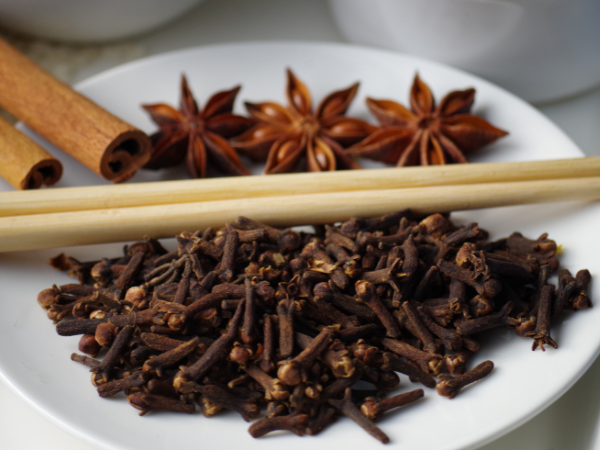
Cloves are the dried flower buds of the clove tree (Syzygium aromaticum), an evergreen tree native to the Maluku Islands of Indonesia.
The buds are harvested before they bloom and then dried until they develop their familiar dark brown color and strong aroma.
2. Cloves Are Rich in Antioxidants
Cloves contain several plant compounds with antioxidant activity, including eugenol, one of their primary natural components.
Antioxidants help protect cells from oxidative stress, which is associated with aging and many chronic diseases.
However, eating cloves alone does not prevent or treat disease.
3. They Have a Strong, Distinctive Flavor
Cloves have a warm, slightly sweet, and spicy taste.
Because their flavor is very concentrated, only a small amount is usually needed in recipes.
Ground cloves and whole cloves are both widely available.
4. Cloves Are Used in Many Cuisines
Around the world, cloves are used in a variety of dishes.
Examples include:
-
Curries
-
Rice dishes
-
Soups
-
Stews
-
Baked goods
-
Fruit desserts
-
Mulled beverages
-
Spice blends
Their aromatic flavor pairs well with cinnamon, nutmeg, cardamom, and ginger.
5. Cloves Contain Eugenol
Eugenol is the compound responsible for much of the characteristic aroma of cloves.
Researchers continue to study eugenol because of its antioxidant, antimicrobial, and anti-inflammatory properties in laboratory settings.
However, laboratory findings do not necessarily translate into proven health benefits in people.
6. They May Support Oral Health
Cloves have long been used in traditional dental care.
Some dental products contain eugenol because of its role in professional dental procedures.
However, clove oil should not be used as a substitute for professional dental treatment, especially for severe tooth pain or infection.
Good oral hygiene and regular dental checkups remain essential.
7. Cloves Add Flavor Without Extra Salt
Using herbs and spices such as cloves can make meals more flavorful without relying on excessive salt.
Reducing sodium intake may support heart health in many people.
8. Cloves Provide Small Amounts of Nutrients
Although they are typically used in small quantities, cloves contain:
-
Manganese
-
Fiber
-
Vitamin K
-
Small amounts of calcium and magnesium
Because serving sizes are small, their nutritional contribution is modest.

9. Cloves May Be Used in Herbal Teas
Some people enjoy adding whole cloves to herbal teas for their aroma and warming flavor.
Cloves pair well with:
-
Cinnamon
-
Ginger
-
Lemon
-
Orange peel
Herbal teas containing cloves can be a comforting beverage, especially during colder months.
10. Cloves Are Popular in Traditional Wellness Practices
Traditional medical systems in different cultures have used cloves for centuries.
Common traditional uses include supporting:
-
Digestion
-
Oral comfort
-
General wellness
While these practices have historical significance, modern scientific evidence supporting many traditional claims remains limited.
11. Whole Cloves Stay Fresh Longer
Whole cloves generally retain their flavor longer than ground cloves.
For best quality:
-
Store them in an airtight container.
-
Keep them away from heat and moisture.
-
Protect them from direct sunlight.
Proper storage helps preserve their aroma.
12. Cloves Can Enhance Sweet and Savory Recipes
Cloves are incredibly versatile.
They can be added to:
-
Oatmeal
-
Apple dishes
-
Pumpkin recipes
-
Rice
-
Lentils
-
Roasted vegetables
-
Meat marinades
-
Homemade spice blends
A little goes a long way.
13. Clove Oil Is Highly Concentrated
Clove essential oil is much stronger than whole or ground cloves.
It should not be swallowed unless specifically directed by a qualified healthcare professional.
Undiluted clove oil may irritate the skin or mouth and can be toxic if consumed in large amounts, especially for children.
14. Moderation Is Important
Although cloves are safe for most people when used in cooking, consuming very large amounts or taking concentrated supplements is not recommended without medical advice.
People taking blood-thinning medications should discuss herbal supplements with their healthcare provider because eugenol may affect blood clotting in high amounts.
15. Cloves Are Best Enjoyed as Part of a Balanced Diet
No single spice provides all the nutrients your body needs.
The greatest health benefits come from an overall eating pattern that includes:
-
Fruits
-
Vegetables
-
Whole grains
-
Legumes
-
Lean proteins
-
Healthy fats
-
Herbs and spices used in moderation
Cloves can contribute wonderful flavor and variety to this healthy pattern.
How to Use Cloves in Everyday Cooking
Here are a few simple ways to enjoy cloves:
-
Add one or two whole cloves to soups or stews.
-
Mix ground cloves into oatmeal.
-
Sprinkle a small amount into baked apples.
-
Add to pumpkin or banana bread.
-
Include in homemade chai tea.
-
Use in spice rubs for roasted vegetables or meat.
Because cloves have a powerful flavor, use them sparingly.
Common Myths About Cloves
Myth: Cloves cure infections.
Fact: Although cloves contain compounds with antimicrobial activity in laboratory studies, eating cloves has not been proven to cure infections in people.
Myth: More cloves mean greater health benefits.
Fact: Excessive consumption may cause unwanted side effects and is unlikely to provide additional proven benefits.
Myth: Clove oil is always safe because it is natural.
Fact: Natural products can still cause side effects. Clove oil is highly concentrated and should be used with caution.
Myth: Cloves can replace prescribed medications.
Fact: Cloves should never replace treatments recommended by a qualified healthcare professional.
Safety Considerations
Most people can safely enjoy cloves as a culinary spice.
However, consult your healthcare provider before using clove supplements or essential oils if you:
-
Are pregnant or breastfeeding
-
Take blood-thinning medications
-
Have liver disease
-
Have a bleeding disorder
-
Plan to undergo surgery
Children should never consume concentrated clove oil without medical supervision.
The Bottom Line
Cloves are a fragrant spice with a rich culinary history and a variety of naturally occurring plant compounds, including eugenol. They can enhance the flavor of foods and beverages while contributing small amounts of nutrients and antioxidants. Although traditional wellness practices have long valued cloves, current scientific evidence does not support claims that they can prevent or cure disease on their own.
Enjoying cloves as part of a balanced diet—alongside a wide variety of nutritious foods, regular physical activity, and other healthy lifestyle habits—is the best way to appreciate both their unique flavor and their potential nutritional value.