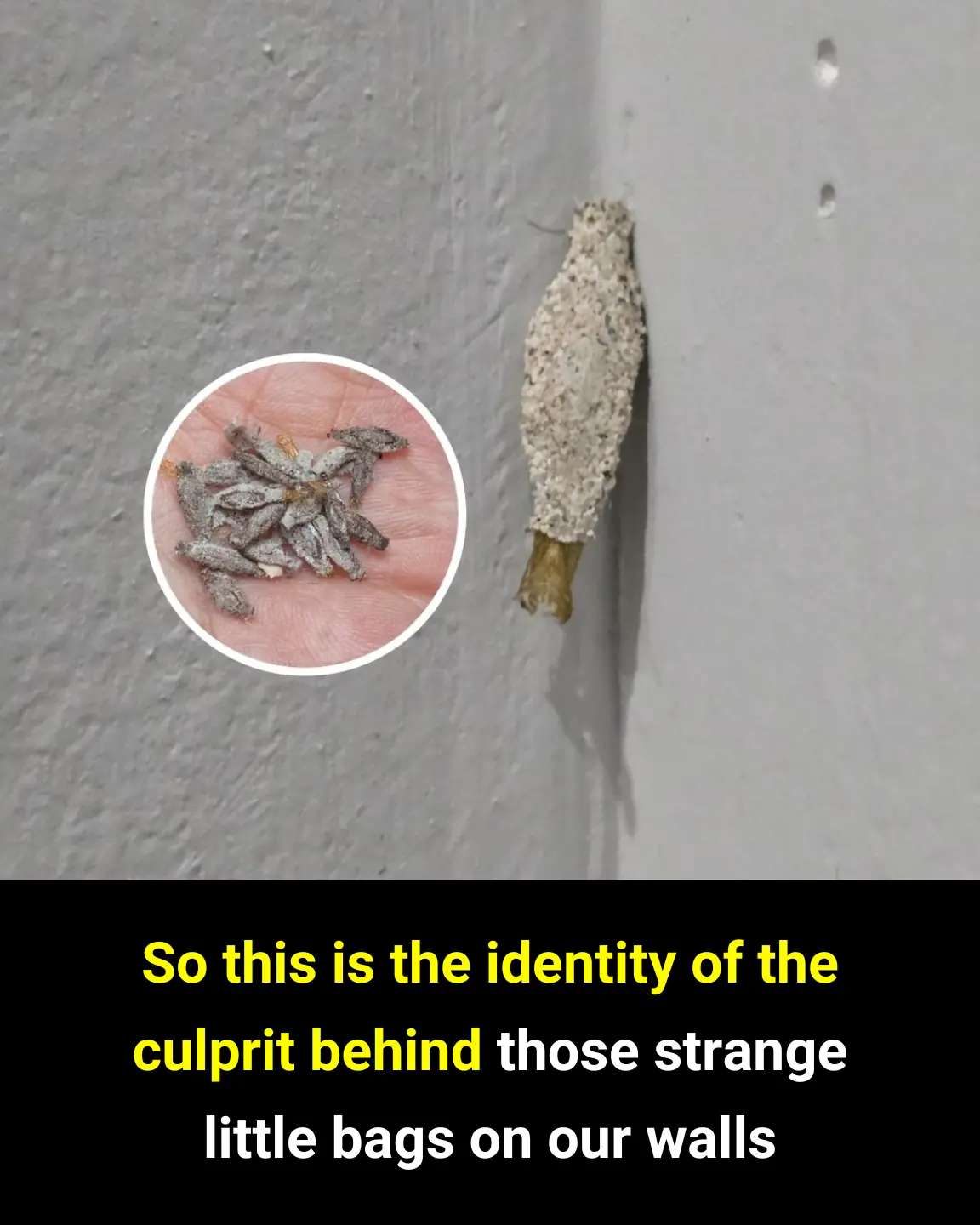
If you’ve ever noticed small, oval-shaped “bags” clinging to your walls, curtains, or even ceilings, you might have wondered what they are. At first glance, they look like tiny cocoons, dirt clumps, or even stray lint. But in reality, these mysterious cases belong to an insect known as the bagworm (also called housecase moth larvae).
What Exactly Are Bagworms?
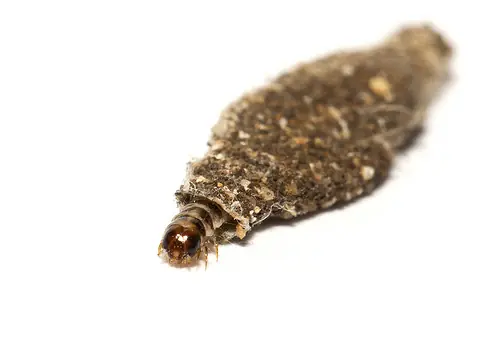
Bagworms are larvae of moths that build protective cases around themselves using silk combined with materials from their environment, such as dust, lint, hair, and debris. This case acts like armor, allowing them to move around while staying hidden inside. Because they camouflage so well, many homeowners mistake them for harmless dirt until they notice them moving.
These larvae are often found indoors, especially in warm and quiet places. They cling to walls, curtains, furniture, or ceilings, making them difficult to detect until an infestation becomes visible.
Why Do They Appear Inside Homes?
Bagworms typically thrive outdoors, feeding on trees and plants. However, certain species adapt to indoor environments. They feed on natural fibers such as wool, silk, and fur, as well as dust particles and hair. This explains why they are often found near wardrobes, closets, and upholstered furniture.
Their presence indoors can be linked to:
-
Poor ventilation and accumulated dust.
-
Clothes or items stored for long periods without cleaning.
-
Cracks and entry points that allow moths to enter and lay eggs.
Are They Har.mful?
While bagworms are not directly harmful to humans, they can damage fabrics and natural materials in your home. Over time, a large infestation may ruin clothing, carpets, and upholstery. Their presence can also be distressing due to their unusual appearance and tendency to multiply quickly.
How to Get Rid of Bagworms Indoors
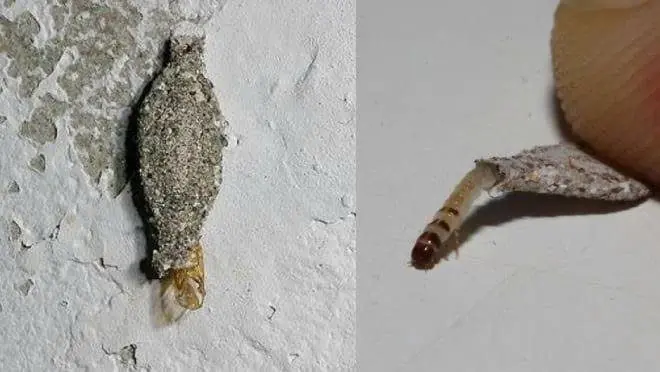
1. Physical Removal: Pick them off walls and surfaces manually and dispose of them.
2. Vacuuming: Regular vacuuming reduces dust, lint, and fibers that serve as food sources.
3. Washing Fabrics: Clean clothes, curtains, and upholstery regularly to prevent larvae from feeding.
4. Natural Repellents: Use essential oils like lavender, cedarwood, or peppermint, which deter moths and their larvae.
5. Pest Control: In severe infestations, calling professionals ensures thorough elimination.
Prevention Tips
-
Seal cracks and entry points in walls and windows.
-
Store clothes in airtight containers.
-
Use moth repellents in wardrobes.
-
Maintain regular cleaning to minimize food sources for larvae.
Conclusion
Those “strange little bags” on your walls aren’t just random di.rt - they are actually protective cases made by bagworm larvae. While they’re not dangerous to your health, they can cause damage to fabrics and create discomfort in your home. By recognizing their identity and addressing the problem early, you can prevent them from spreading and keep your living space clean and comfortable.
Next time you spot one of these tiny hanging cases, you’ll know it’s more than just debris - it’s a little insect in disguise.