Coconut water has earned a reputation as a refreshing, natural beverage that is rich in electrolytes and low in calories. Many people enjoy it after exercise, during hot weather, or simply as a healthier alternative to sugary soft drinks. It naturally contains potassium, magnesium, calcium, and other nutrients that help support normal body functions.
While coconut water can be a healthy choice for many individuals, it is not the ideal beverage for everyone. Because it contains relatively high amounts of potassium and natural sugars, certain people may need to limit their intake or speak with a healthcare professional before drinking it regularly.
Understanding both the benefits and the potential considerations can help you make informed choices about whether coconut water is right for you.

What Makes Coconut Water Nutritious?
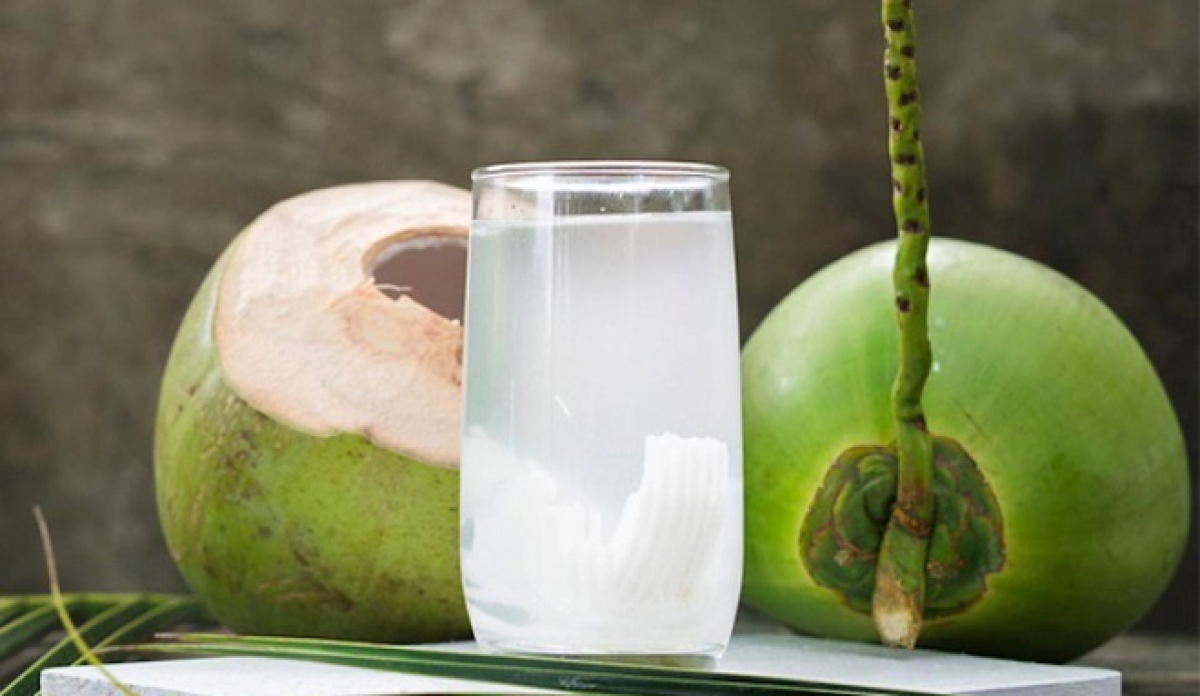
Coconut water is the clear liquid found inside young green coconuts.
Unlike coconut milk, which is made from the white flesh of the coconut, coconut water is naturally low in fat and contains:
-
Potassium
-
Magnesium
-
Calcium
-
Sodium (small amounts)
-
Vitamin C (small amounts)
-
Natural carbohydrates
-
Water
Because of its electrolyte content, coconut water is often enjoyed as a refreshing beverage after light to moderate physical activity.
Potential Health Benefits of Coconut Water
When consumed as part of a balanced diet, coconut water may offer several benefits.
These include:
-
Supporting hydration
-
Providing electrolytes
-
Replacing sugary beverages
-
Contributing to daily potassium intake
-
Refreshing the body during hot weather
However, coconut water should not be viewed as a cure or treatment for any medical condition.
1. People with Kidney Disease
One of the most important nutrients in coconut water is potassium.
Healthy kidneys help regulate potassium levels in the blood.
However, people with chronic kidney disease may have difficulty removing excess potassium from the body.
High potassium levels (hyperkalemia) can become dangerous and may affect heart rhythm.
For this reason, individuals with kidney disease should discuss coconut water intake with their healthcare provider or dietitian before drinking it regularly.
2. People Taking Certain Blood Pressure Medications
Some medications used to treat high blood pressure or heart conditions may increase potassium levels.
Examples include certain:
-
ACE inhibitors
-
Angiotensin receptor blockers (ARBs)
-
Potassium-sparing diuretics
Because coconut water is naturally rich in potassium, combining large amounts with these medications may not be appropriate for everyone.
Never stop or adjust your medication without consulting your healthcare provider.
3. People with High Potassium Levels
Some medical conditions increase the risk of hyperkalemia, or elevated blood potassium.
Symptoms of severe hyperkalemia may include:
-
Muscle weakness
-
Fatigue
-
Irregular heartbeat
Many people with mildly elevated potassium have no symptoms at all.
If your healthcare provider has advised you to follow a low-potassium diet, coconut water may need to be limited.
4. People with Diabetes or Those Monitoring Blood Sugar
Although coconut water contains natural sugars and is generally lower in sugar than many soft drinks, it still contributes carbohydrates.
For people with diabetes or those monitoring blood glucose levels:
-
Read nutrition labels carefully.
-
Choose unsweetened varieties whenever possible.
-
Monitor portion sizes.
Including coconut water occasionally as part of an overall balanced eating plan may be appropriate for some people, but individual needs vary.
5. People with Severe Heart Conditions
Certain heart conditions require careful management of fluid and electrolyte intake.
Because coconut water contains potassium and other electrolytes, individuals with advanced heart disease or heart failure should follow the advice of their healthcare team regarding appropriate beverages.
6. People Preparing for Surgery
Some healthcare providers recommend discussing dietary supplements and certain foods before surgery.
Although there is limited evidence specifically regarding coconut water, people scheduled for surgery should inform their healthcare team about significant dietary habits, especially if they have kidney, heart, or electrolyte-related conditions.
Always follow your surgical team's instructions.
Is Coconut Water a Good Sports Drink?
For many people performing light or moderate exercise, coconut water can help replace fluids lost through sweating.
However, during prolonged or very intense exercise, commercial oral rehydration or sports drinks formulated for endurance activities may provide more appropriate amounts of sodium and carbohydrates.
The best choice depends on:
-
Exercise duration
-
Exercise intensity
-
Individual health needs
-
Weather conditions
Choosing the Healthiest Coconut Water
Not all coconut water products are the same.
When shopping:
Look for products that are:
-
100% coconut water
-
Unsweetened
-
Free from added sugars
-
Low in added flavorings
Reading the nutrition label can help you compare products.
How Much Is Reasonable?
For most healthy adults, enjoying coconut water occasionally or in moderate amounts can fit into a balanced diet.
There is no single recommended amount that is appropriate for everyone.
Your ideal intake depends on factors such as:
-
Age
-
Activity level
-
Kidney function
-
Overall diet
-
Medical conditions
Water should remain your primary source of daily hydration.
Common Myths About Coconut Water
Myth: Coconut water is healthier than plain water for everyone.
Fact: Plain water remains the best everyday beverage for most people. Coconut water can be a nutritious alternative on occasion but is not necessary for routine hydration.
Myth: Coconut water cures high blood pressure.
Fact: While potassium is an important nutrient, there is no evidence that coconut water alone treats hypertension or replaces prescribed medications.
Myth: The more coconut water you drink, the healthier you become.
Fact: Even healthy beverages should be consumed in moderation. Excessive intake may not be appropriate for everyone, especially those with kidney disease or conditions affecting potassium balance.
Myth: All coconut water products are the same.
Fact: Some packaged products contain added sugar, flavorings, or other ingredients. Always check the label.
Tips for Enjoying Coconut Water Safely
If you enjoy coconut water:
-
Choose unsweetened products whenever possible.
-
Drink it in moderation.
-
Consider it one part of a balanced diet.
-
Continue drinking plenty of plain water.
-
Follow your healthcare provider's advice if you have kidney disease, diabetes, or heart disease.
Balanced nutrition is always more important than any single food or beverage.
The Bottom Line
Coconut water is a refreshing beverage that naturally provides electrolytes such as potassium and magnesium while being relatively low in calories. For many healthy people, it can be a nutritious addition to a balanced diet and a pleasant alternative to sugary drinks.
However, because of its potassium content and natural carbohydrates, coconut water may not be suitable in large amounts for everyone. People with kidney disease, high potassium levels, certain heart conditions, diabetes, or those taking medications that affect potassium balance should speak with their healthcare provider before drinking it regularly.
Rather than viewing coconut water as a miracle health drink, think of it as one healthy beverage option that can be enjoyed in moderation as part of an overall nutritious lifestyle.