If You Notice These 6 Warning Signs When Using the Bathroom, Don't Ignore Them
Most people don't think much about what happens during a trip to the bathroom. However, doctors say that changes in your urine, bowel movements, or other bathroom-related symptoms can sometimes provide early clues about your overall health.
While these signs don't necessarily mean you have a serious illness, persistent or unusual changes deserve attention. Here are six warning signs you shouldn't ignore.
1. Blood in Your Urine
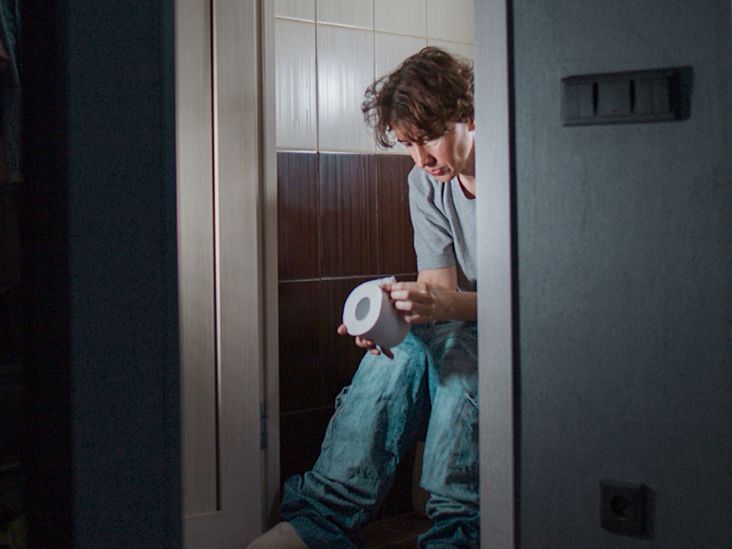
Seeing pink, red, or brown-colored urine can be alarming—and for good reason.
Blood in the urine (hematuria) may be caused by urinary tract infections, kidney stones, enlarged prostate, or other medical conditions. In some cases, it can also be associated with more serious diseases affecting the kidneys or bladder.
Even if it happens only once and disappears, it's important to consult a healthcare professional for evaluation rather than assuming it's harmless.
2. Blood in Your Stool
Blood on the toilet paper, in the toilet bowl, or mixed with stool should never be ignored.
Bright red blood may come from hemorrhoids or small tears around the anus, while darker or black stools can indicate bleeding higher in the digestive tract. Persistent bleeding may also be linked to conditions such as inflammatory bowel disease, ulcers, or colorectal disease.
If bleeding continues or is accompanied by abdominal pain, fatigue, or weight loss, seek medical advice promptly.
3. Persistent Changes in Bowel Habits

Everyone experiences occasional constipation or diarrhea. However, changes that last for several weeks deserve attention.
Warning signs include:
- Ongoing constipation
- Frequent diarrhea
- Alternating between constipation and diarrhea
- Pencil-thin stools
- Feeling like you cannot completely empty your bowels
Long-lasting changes may have many possible causes, ranging from dietary issues to digestive disorders that require medical evaluation.
4. Difficulty Urinating
If you notice a weak urine stream, trouble starting urination, frequent nighttime urination, or the feeling that your bladder never completely empties, don't ignore it.
These symptoms are common with enlarged prostate in older men but may also result from infections, bladder problems, or other urinary tract conditions.
Prompt evaluation can help identify the underlying cause and guide appropriate treatment.
5. Unexplained Weight Loss
Although you may first notice this when stepping on the bathroom scale, losing weight without changing your diet or exercise routine isn't something to dismiss.
Unexpected weight loss can occur with digestive disorders, hormonal conditions, infections, or other illnesses. If you've lost a significant amount of weight without trying, it's worth discussing with your healthcare provider.
6. Persistent Swelling or Unusual Changes in Your Body
If you regularly notice swelling in your face, hands, legs, or feet while getting ready in the bathroom each morning, it may indicate fluid retention.
Persistent swelling can sometimes be related to kidney, heart, liver, or circulatory conditions. While swelling isn't always serious, ongoing or worsening symptoms should be evaluated by a medical professional.
When Should You See a Doctor?
Make an appointment if you experience:
- Blood in your urine or stool
- Symptoms lasting more than two weeks
- Persistent changes in bowel or bladder habits
- Unexplained weight loss
- Ongoing swelling
- Any symptom that continues to worsen over time
Remember, these warning signs do not automatically mean you have cancer or another serious disease. Many have common, treatable causes. However, early evaluation can help identify problems sooner and provide peace of mind.
The Bottom Line
Your body often gives subtle clues before a health problem becomes more serious. Paying attention to persistent changes—especially those you notice during your daily bathroom routine—can help you seek medical care earlier if needed.
Listening to your body doesn't mean assuming the worst. It simply means recognizing when something unusual deserves a closer look.