6 Hidden Things Your Phone’s Volume Buttons Can Do Besides Adjusting Sound
Most smartphone users overlook these surprisingly useful button shortcuts.
⏱️ 1 min read 25/08/2026 22:35
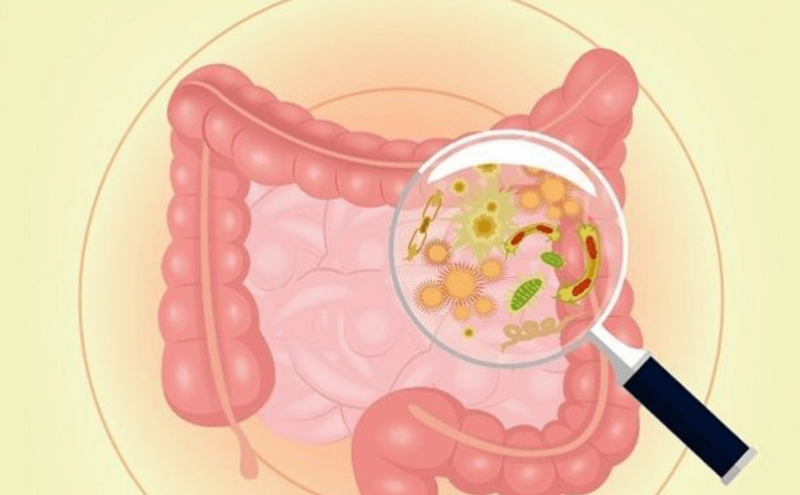
Your digestive system does much more than process food. It plays a vital role in nutrient absorption, immune function, and even overall well-being. When your gut isn't functioning properly, your body often sends warning signs that shouldn't be ignored.
While occasional digestive discomfort is common, persistent or worsening symptoms may indicate an underlying condition that requires medical attention.
Here are 10 signs that your gut may need extra care.

Feeling bloated after a large meal is normal, but persistent bloating may signal a digestive problem.
Possible causes include:
Food intolerances
Irritable bowel syndrome (IBS)
Constipation
Imbalances in gut bacteria
If bloating occurs regularly or becomes painful, consult a healthcare professional.
Changes in bowel habits that last for several weeks should not be ignored.
Watch for:
Fewer than three bowel movements per week
Frequent loose stools
Alternating constipation and diarrhea
These symptoms may indicate digestive disorders that require evaluation.

Recurring stomach pain, cramping, or discomfort is not something to overlook.
Persistent abdominal pain may be associated with:
IBS
Inflammatory bowel disease (IBD)
Gallbladder problems
Stomach ulcers
Other gastrointestinal conditions

Passing gas is completely normal, but excessive gas accompanied by bloating, pain, or changes in bowel habits may suggest poor digestion or food intolerance.
Keeping a food diary may help identify trigger foods.

Frequent heartburn is more than just an inconvenience.
Symptoms may include:
Burning in the chest
Sour taste in the mouth
Difficulty swallowing
Chronic cough
Recurring acid reflux should be evaluated to prevent complications.

Losing weight without trying may indicate that your body is not absorbing nutrients properly.
Possible digestive causes include:
Celiac disease
Inflammatory bowel disease
Chronic infections
Other gastrointestinal disorders
Any unexplained weight loss deserves prompt medical attention.
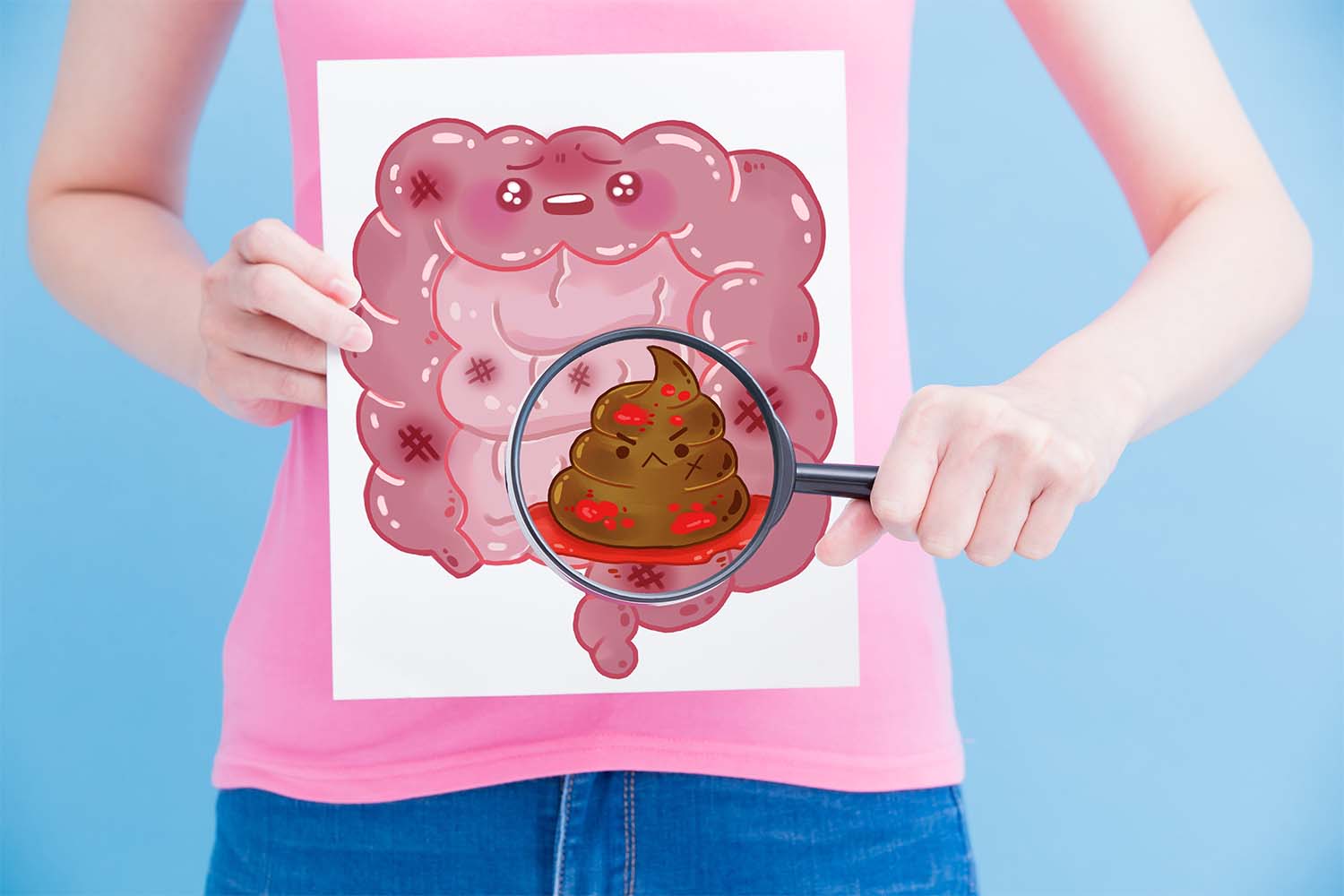
Blood in your stool should never be ignored.
It may appear as:
Bright red blood
Dark, tarry stools
Maroon-colored stools
Possible causes range from hemorrhoids to more serious conditions such as ulcers or colorectal cancer. Seek medical evaluation promptly.

A healthy digestive system helps absorb nutrients needed for energy.
Poor gut health may contribute to deficiencies in:
Iron
Vitamin B12
Folate
These deficiencies can lead to persistent fatigue and weakness.
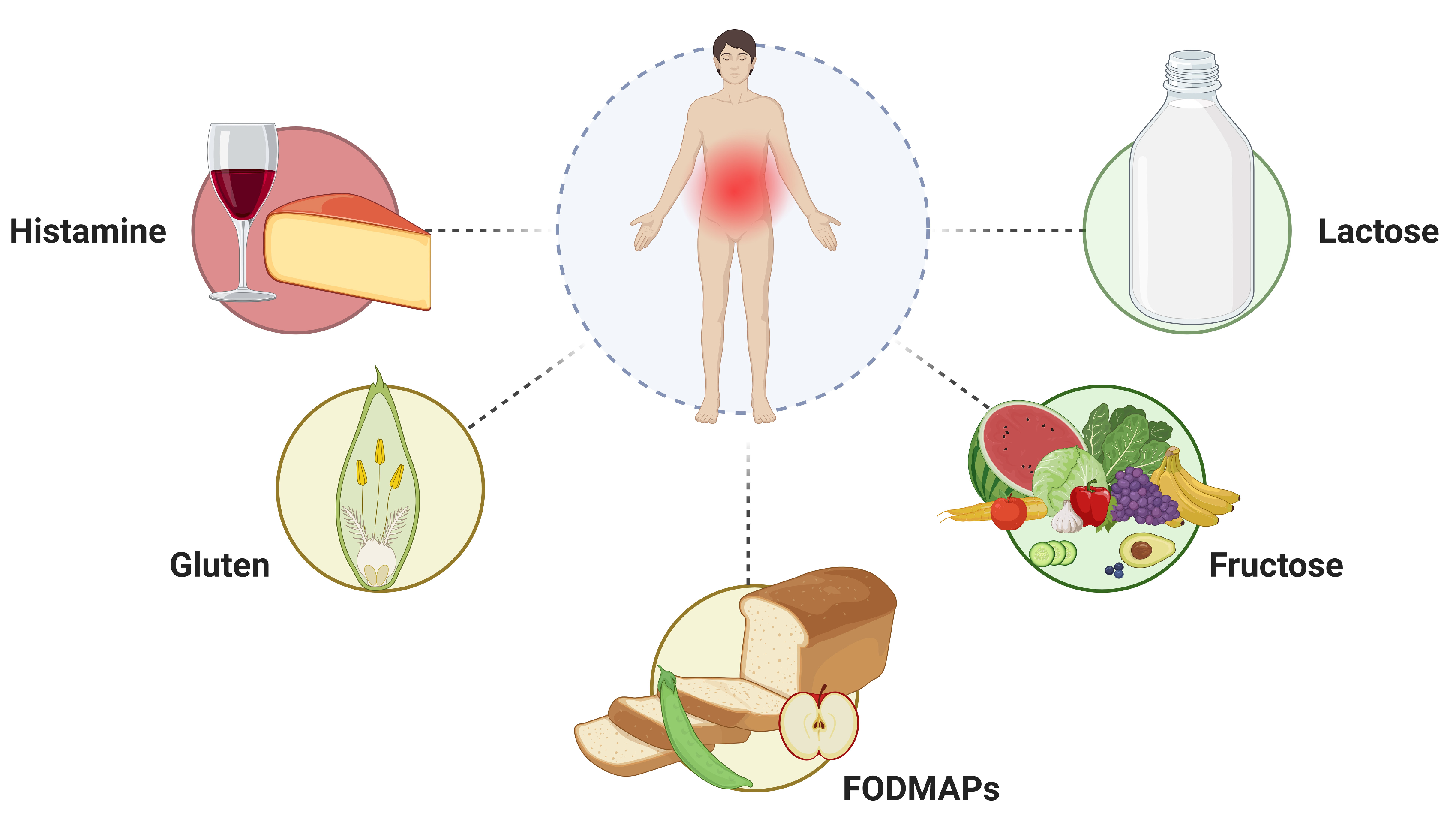
If certain foods repeatedly cause symptoms such as:
Bloating
Gas
Diarrhea
Stomach pain
you may have a food intolerance.
Common triggers include:
Lactose
Gluten (for people with celiac disease)
Certain fermentable carbohydrates (FODMAPs)
A healthcare professional can help determine the cause.
Occasional nausea is common, but ongoing or recurrent nausea may signal a digestive problem.
Persistent symptoms should always be evaluated, especially if accompanied by dehydration, severe pain, or weight loss.
Healthy daily habits can help keep your digestive system functioning well:
Eat plenty of fruits and vegetables.
Include fiber-rich whole grains and legumes.
Stay well hydrated.
Eat fermented foods like yogurt or kefir if tolerated.
Exercise regularly.
Manage stress.
Get enough sleep.
Limit highly processed foods and excessive alcohol.
Seek medical attention if you experience:
Blood in your stool.
Severe or persistent abdominal pain.
Unexplained weight loss.
Ongoing diarrhea or constipation lasting several weeks.
Difficulty swallowing.
Persistent vomiting.
Fever along with digestive symptoms.
Early diagnosis can improve treatment outcomes for many digestive conditions.
Your digestive system plays a central role in your overall health, and persistent symptoms such as bloating, abdominal pain, changes in bowel habits, blood in the stool, or unexplained weight loss should never be ignored.
Listening to your body's warning signs, maintaining healthy lifestyle habits, and seeking medical advice when symptoms persist can help protect your gut health and improve your quality of life.
Most smartphone users overlook these surprisingly useful button shortcuts.
A simple intersection puzzle is challenging logic and road-rule knowledge.
Experts say daily food choices may play a key role in brain aging.
New research raises concerns about a common compound found in breakfast staples.
A simple photo sparked confusion online as thousands mistook a fence for a lake.
A small purple butterfly carries a message of love, loss, and compassion.
Those strange avocado strings may reveal more than you think.
Spotted These Bugs Around Your Home? Here’s What You Should Know
Spotted This Insect in Your House? Here’s What It Could Mean
Seeing Silverfish at Home? Here’s Why You Should Pay Attention
I Soaked My Berries in Salt Water and Found These Strange White Larvae - What Happened?
Found an Old Cast-Iron Tool With a Strap? Here’s What It Was Used For
What Does a Three-Point Tattoo Mean? The Story Behind the Symbol
At First, It Looked Like Wet Trash Then I Saw What Was Moving Inside
Why You Should Think Twice Before Tying a Ribbon to Your Suitcase?
Had a Dream About a Loved One Who Passed Away? Here’s What It Could Mean

Scientists have finally determined when Elon Musk’s warning that “eventually, all life on Earth will be destroyed by the sun” could come to pass.


Face, wolf, or moon? Your answer may say more than you think.
🍳 What Happens When You Eat Eggs Every Morning? Doctors Explain…
❤️ Feeling Your Heartbeat While Lying Down? Here’s What It Could Mean…
A simple sleeping position may offer surprising benefits for your body.
Recognizing unusual symptoms early may help prompt timely medical care.
Most smartphone users overlook these surprisingly useful button shortcuts.
If You See This Type of Chicken, Doctors Advise You to Throw It Out Immediately
A simple intersection puzzle is challenging logic and road-rule knowledge.
Experts say daily food choices may play a key role in brain aging.
Could Lemon Water Help Blo:od Pressure? He Tried It for 2 Years and the Outcome Was Unexpected
New research raises concerns about a common compound found in breakfast staples.
🚨 9 Signs Your Blood Sugar May Be Trying to Tell You Something…
4 Early Warning Signs That Could Show Up Minutes Before a Stroke — Don’t Ignore Them
As one of the most nutrient-dense foods on the planet, salmon has long been celebrated by health experts and culinary enthusiasts alike. Beyond its rich flavor and versatility in the kitchen, this popular fatty fish offers an impressive array of health be
A simple photo sparked confusion online as thousands mistook a fence for a lake.
After 40, Your Nails Can Reveal Hidden Changes in Your Body—Don’t Ignore This
The Body Whispers First: Warning Signs of Breast Can.cer That May Appear a Year Before Diagnosis
A small purple butterfly carries a message of love, loss, and compassion.
Many people dismiss nighttime leg cramps as nothing more than a sign of overexertion or dehydration. While occasional muscle cramps are common and usually harmless, frequent or severe episodes can sometimes point to underlying health issues that deserve a
Your Thyroid Is Begging You to Stop Eating These 6 Foods Immediately
Can one simple food really lower blood sugar? Here's the real story.