
Don't Throw Away That Hard-Boiled Egg Just Yet—Here's Why It Has a Green Ring
That Green Ring on Your Egg Could Be Completely Normal—Here's Why
Facts 15/07/2026 14:59
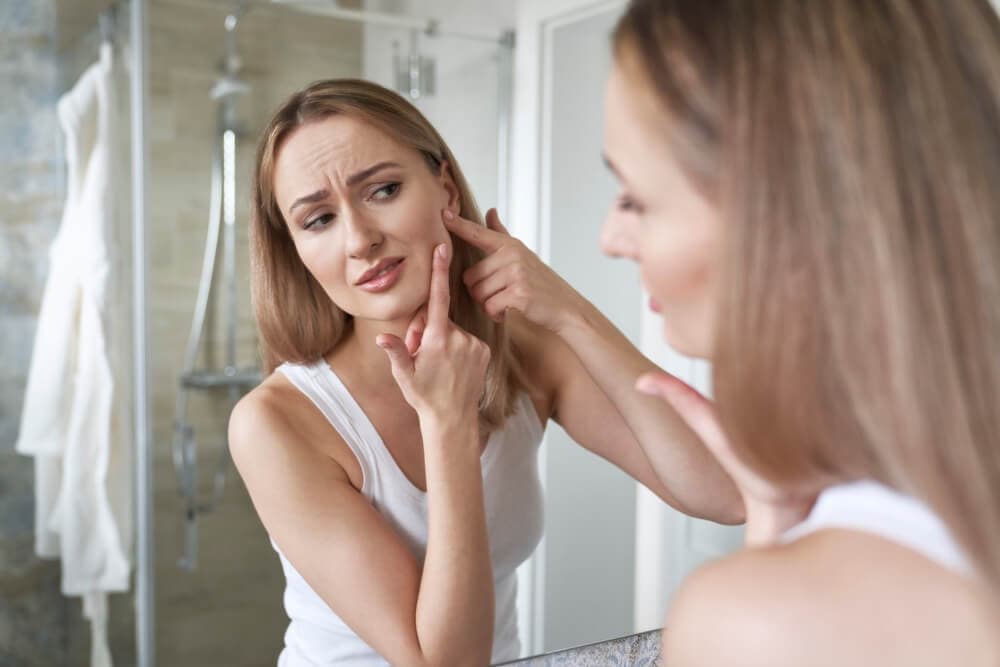
Acne is one of the most common skin conditions, affecting teenagers and adults alike. While pimples may seem to appear overnight, they usually develop because of a combination of factors, including excess oil production, clogged pores, bacteria, hormones, and inflammation.
Understanding what triggers acne can help you take better care of your skin and reduce future breakouts.
Here are 10 common reasons why acne develops.
Your skin naturally produces sebum, an oily substance that helps keep it moisturized.
However, when the sebaceous glands produce too much oil, it can mix with dead skin cells and clog pores, creating an environment where acne can develop.
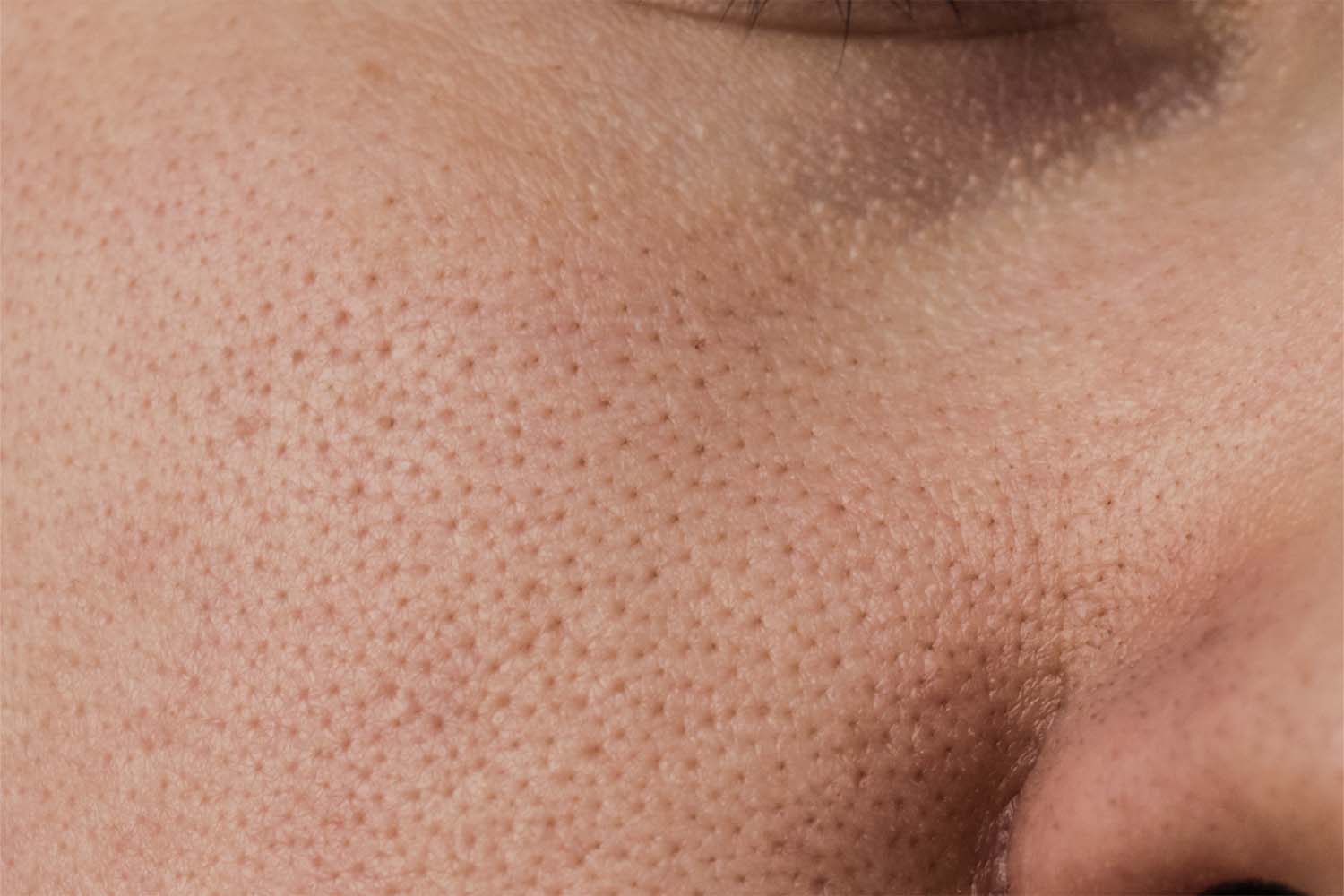
Dead skin cells normally shed from the skin's surface. When they become trapped inside pores along with excess oil, they can form:
Whiteheads
Blackheads
Inflamed pimples
Keeping your skin clean and using non-comedogenic skincare products may help reduce clogged pores.
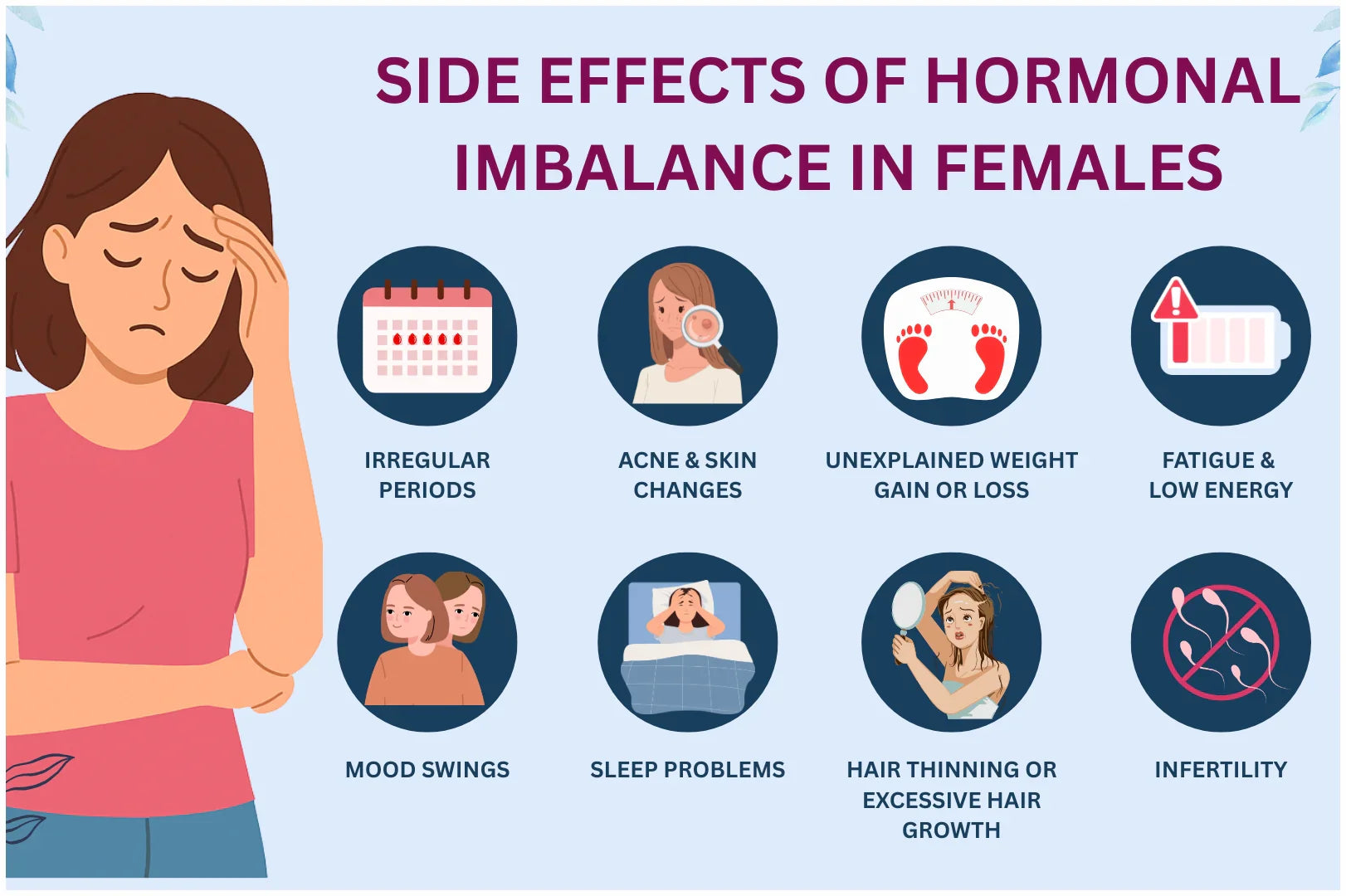
Hormonal fluctuations are one of the leading causes of acne.
Common triggers include:
Puberty
Menstrual cycles
Pregnancy
Menopause
Polycystic ovary syndrome (PCOS)
These hormonal changes can increase oil production and make breakouts more likely.

The skin naturally contains bacteria, including Cutibacterium acnes (formerly Propionibacterium acnes).
When pores become clogged, these bacteria can multiply, triggering inflammation that leads to red, swollen pimples.
Stress does not directly cause acne, but it can make existing acne worse.
High stress levels may influence hormones and inflammation, increasing the likelihood of breakouts in some people.
Managing stress through exercise, sleep, and relaxation techniques may help improve overall skin health.
Research suggests that some people may notice more acne after consuming diets high in:
Refined carbohydrates
Sugary foods and drinks
Highly processed foods
Some studies also suggest that dairy products may worsen acne in certain individuals, although the evidence is mixed and responses vary from person to person.
Heavy or oily cosmetics and skincare products can block pores.
Choose products labeled:
Non-comedogenic
Oil-free
Fragrance-free (if you have sensitive skin)
Removing makeup before bed is also essential.
Frequently touching your face or squeezing pimples can:
Spread bacteria.
Increase inflammation.
Delay healing.
Raise the risk of permanent scarring.
Hands carry bacteria and oils that can further irritate the skin.
Some medications may contribute to acne, including:
Corticosteroids
Lithium
Testosterone or anabolic steroids
Certain anti-seizure medications
Never stop a prescribed medication without consulting your healthcare provider.
Your genes play an important role in determining:
Oil production
Skin type
Acne severity
If your parents had significant acne, you may be more likely to experience it as well.
Healthy skincare habits can reduce the risk of breakouts:
Wash your face gently twice a day.
Avoid harsh scrubbing.
Use non-comedogenic skincare and makeup.
Keep your hair clean if it tends to be oily.
Eat a balanced diet rich in fruits and vegetables.
Stay hydrated.
Get enough sleep.
Manage stress.
Consistency is more effective than using multiple harsh products.
Consult a healthcare professional if:
Acne is severe or painful.
Over-the-counter treatments don't help after several weeks.
You develop deep cysts or nodules.
Acne leaves scars or dark spots.
Breakouts significantly affect your confidence or quality of life.
Prescription treatments may be needed to control more persistent acne.
Acne develops due to a combination of excess oil, clogged pores, bacteria, hormones, inflammation, and genetics. Lifestyle factors such as stress, diet, and skincare habits can also influence breakouts in some individuals.
Understanding your personal triggers and following a consistent skincare routine can help keep your skin healthier. If acne becomes severe, persistent, or causes scarring, seeking advice from a dermatologist is the best way to find an effective treatment plan.
That Green Ring on Your Egg Could Be Completely Normal—Here's Why

These Beautiful Waves Have a Dangerous Secret Most Beachgoers Don't Know




This Common Dog Behavior Could Be Trying to Tell You Something About Your Health…

The Secret Life of Slugs: Tiny Creatures With a Huge Impact




😮 Not Everyone Wears Rings for Fashion—Here's What a Right-Hand Ring May Represent



Most People Think It's Decorative—It's Actually Very Useful

The Real Reason Dogs Lick You Will Surprise You

Why Does Your Dog Always Smell Your Private Area? There's a Scientific Explanation

One simple habit could help reduce your monthly electricity bill.

Why Beets Are Considered a Nutritious Addition to a Healthy Diet?

A Simple Breakfast Choice That May Support Your Health in 5 Ways
That Green Ring on Your Egg Could Be Completely Normal—Here's Why


15 Things You Should Know About Cloves and Their Potential Benefits

Too Many Peanuts? Your Body Could Be Sending You These Signals 😨

This Tropical Fruit Packs More Health Benefits Than Most People Realize
What to Do Immediately After a Snake Bite—Every Minute Counts

Doctors Stunned After Removing a 420-Gram Bladder Stone
Don't Brush Off Leg Cramps at Night—They May Be Worth Looking Into
These 5 Signs on Your Nose May Reveal Hidden Health Issues

The First 5 Minutes Matter: What to Do If Chest Pain Starts
These Beautiful Waves Have a Dangerous Secret Most Beachgoers Don't Know

Your Body Often Sends Signals—Here Are 8 Possible Signs of Can.cer

A Simple Smell Could Reveal a Serious Li.ver Condition

Magnesium may support bones, nerves, sleep, and blood sugar when used correctly.
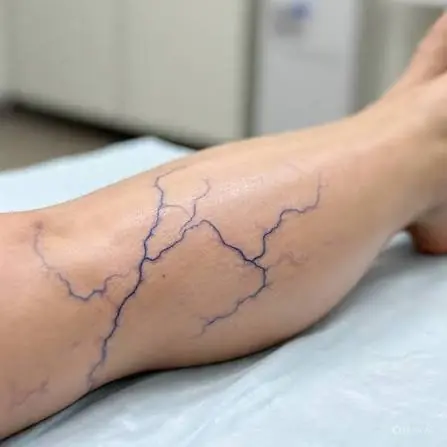
Your Visible Veins May Have Several Possible Causes... Learn More 👇

Your Body May Reveal These 6 Warning Signs in the Bathroom... Learn More 👇