Waking Up with Leg Cramps? Effective Ways to Relieve Nighttime Muscle Cramps and Help Prevent Them

Few things are more painful than waking up in the middle of the night with a sudden leg cramp. Nighttime muscle cramps, often affecting the calves, feet, or thighs, are common and usually harmless, but they can disrupt sleep and leave muscles sore for hours.
Although the exact cause isn't always clear, factors such as muscle fatigue, dehydration, prolonged sitting, pregnancy, certain medications, or underlying medical conditions may contribute.
Here are eight practical ways to relieve nighttime leg cramps and reduce the chances of them happening again.
1. Gently Stretch the Affected Muscle

Stretching is often the fastest way to stop a cramp.
For a calf cramp:
-
Straighten your leg.
-
Pull your toes gently toward your shin.
-
Hold the stretch for 20–30 seconds.
Avoid bouncing, as this may worsen the muscle spasm.
2. Massage the Muscle
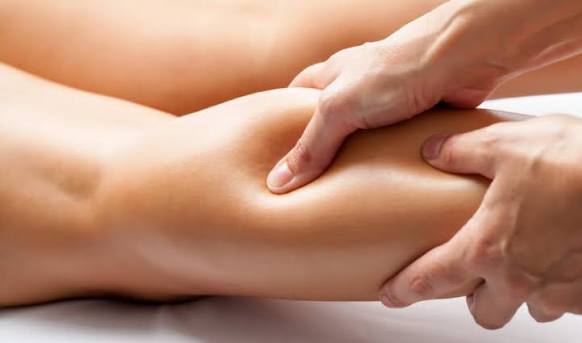
A gentle massage can help the muscle relax.
Use your hands to:
-
Rub the cramped area.
-
Apply gentle pressure.
-
Massage until the muscle begins to loosen.
Some people find a massage roller helpful for lingering soreness.
3. Apply Heat
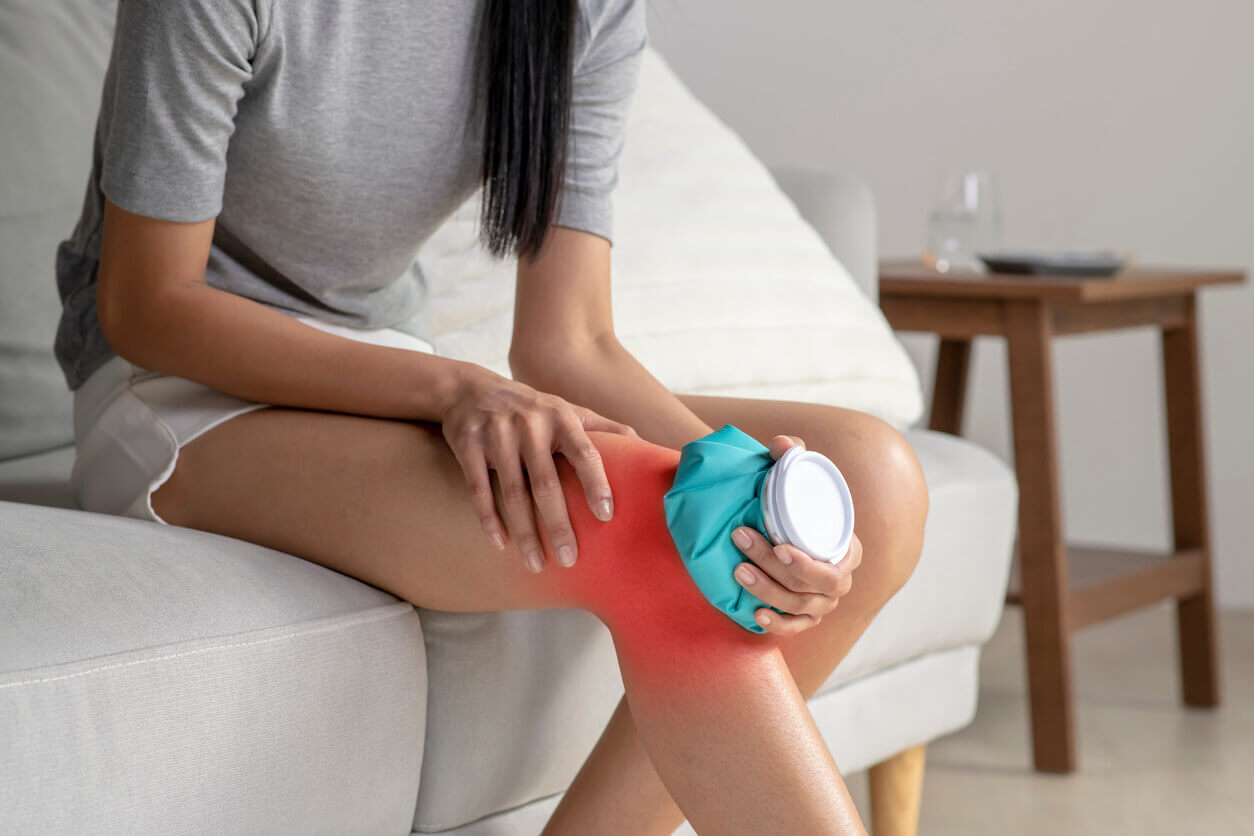
Heat helps increase blood flow and relax tight muscles.
Try:
-
A warm towel.
-
A heating pad on a low setting.
-
A warm bath before bed.
If the muscle remains sore after the cramp has passed, applying a cold pack for 10–15 minutes may help reduce discomfort.
4. Stay Hydrated

Dehydration may increase the likelihood of muscle cramps in some people.
To stay hydrated:
-
Drink water regularly throughout the day.
-
Increase fluid intake during hot weather or after exercise.
-
Replace fluids lost through heavy sweating.
5. Get Enough Key Minerals

Healthy muscle function depends on several nutrients, including:
-
Potassium
-
Magnesium
-
Calcium
Good food sources include:
-
Bananas
-
Leafy green vegetables
-
Yogurt
-
Beans
-
Nuts
-
Seeds
Unless recommended by your healthcare provider, avoid taking supplements solely to treat cramps, as research on their effectiveness is mixed.
6. Stretch Before Bed

A few minutes of gentle stretching before sleep may help reduce nighttime leg cramps, especially if they occur frequently.
Focus on:
-
Calves
-
Hamstrings
-
Thighs
-
Feet
Holding each stretch for 20–30 seconds may help relax the muscles.
7. Stay Physically Active
Regular movement helps keep muscles flexible.
Activities such as:
-
Walking
-
Cycling
-
Swimming
-
Light strength training
may reduce the frequency of cramps in some people.
Avoid sitting or standing in the same position for long periods whenever possible.
8. Review Your Medications and Health Conditions
Some medications and medical conditions may contribute to muscle cramps.
Talk to your healthcare provider if:
-
Your cramps began after starting a new medication.
-
You have diabetes, kidney disease, thyroid disorders, or circulation problems.
-
The cramps occur frequently or become severe.
Do not stop taking prescribed medications without medical advice.
When Should You See a Doctor?
Most nighttime leg cramps are harmless, but seek medical attention if:
-
Cramps occur several times a week.
-
They are severe or last longer than a few minutes.
-
You notice persistent muscle weakness.
-
Your leg becomes swollen, red, or unusually warm.
-
The pain continues long after the cramp has ended.
-
Cramps interfere with your sleep on a regular basis.
A healthcare provider can determine whether an underlying condition needs treatment.
Common Myths About Leg Cramps
Myth 1: Only Older Adults Get Leg Cramps
While leg cramps become more common with age, they can affect people of any age, including athletes and pregnant women.
Myth 2: Bananas Instantly Cure Leg Cramps
Bananas are a good source of potassium, but most cramps are not caused solely by low potassium. A balanced diet and proper hydration are more important.
Myth 3: You Should Ignore Frequent Cramps
Occasional cramps are common, but frequent or severe cramps may signal an underlying health issue and should be evaluated by a healthcare professional.
The Bottom Line
Nighttime leg cramps are common and often improve quickly with gentle stretching, massage, hydration, and heat therapy. Maintaining a healthy lifestyle, staying active, and eating a balanced diet rich in essential nutrients may help reduce how often they occur.
If your leg cramps become frequent, severe, or are accompanied by swelling, weakness, or changes in sensation, consult a healthcare professional to rule out an underlying medical condition.