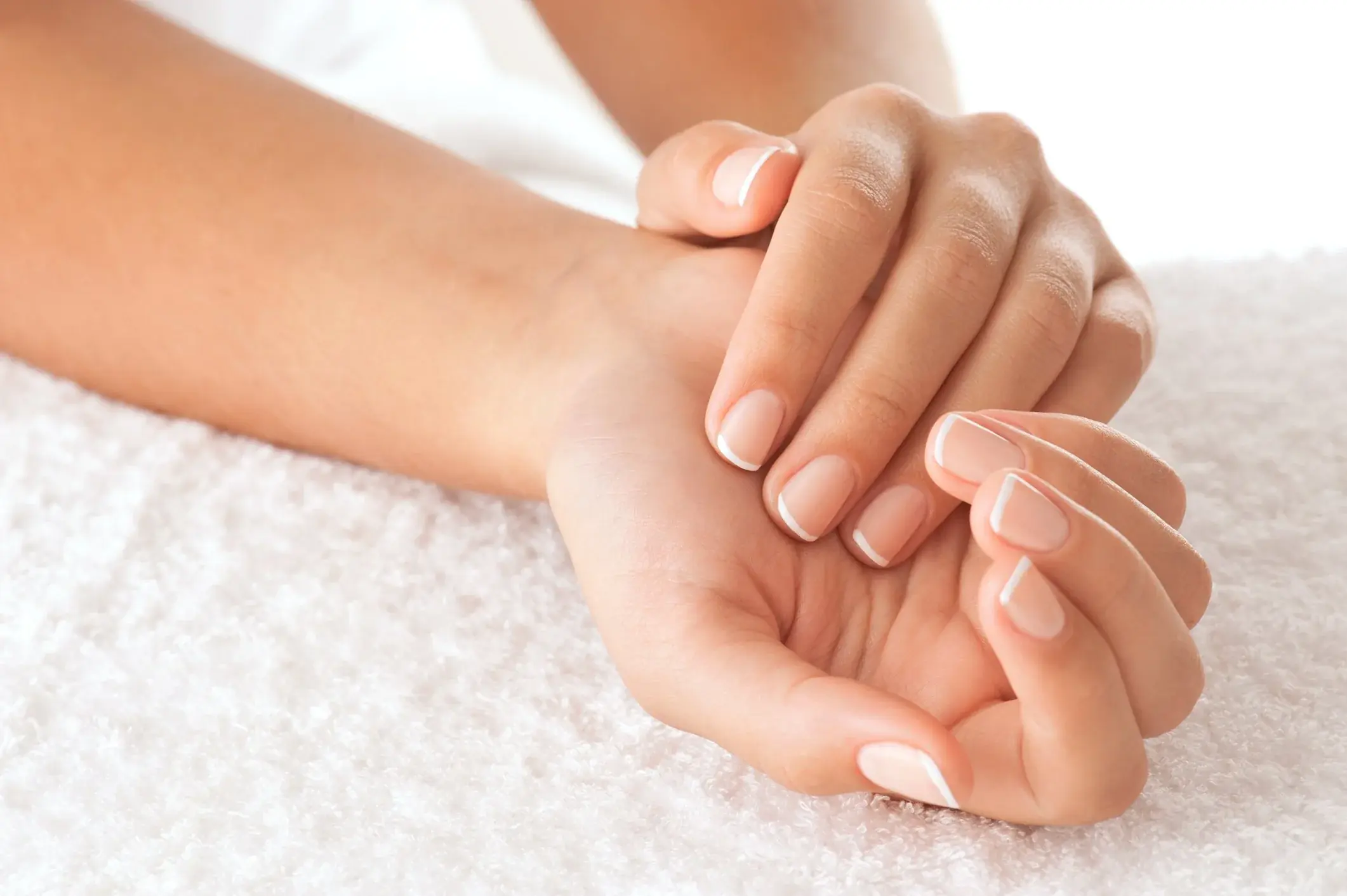
Want Stronger, Healthier Nails? Simple Tips to Naturally Care for Your Fingernails
Tips 14/07/2026 15:30
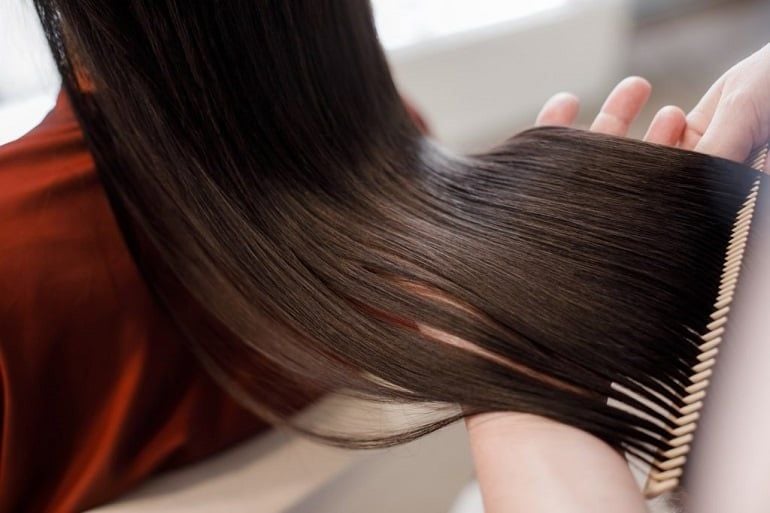
Healthy, shiny hair starts from within. While genetics play a role in hair texture and growth, your daily habits, diet, and hair care routine can make a significant difference in keeping your hair strong and reducing breakage.
Whether you're dealing with dry strands, split ends, or thinning hair, these simple habits can help support healthier hair over time.
Hair is made primarily of keratin, a protein that requires adequate nutrition to grow and remain strong.
Include protein-rich foods such as:
Eggs
Fish
Chicken
Greek yogurt
Beans
Lentils
Tofu
Nuts
A lack of protein may contribute to increased hair shedding and weaker strands.

Several nutrients play an important role in healthy hair growth, including:
Biotin
Vitamin D
Iron
Zinc
Vitamin C
Vitamin E
Omega-3 fatty acids
A balanced diet usually provides these nutrients, but people with deficiencies may benefit from medical advice and appropriate supplementation.

Keeping your scalp clean helps maintain healthy hair.
Tips include:
Choose a shampoo suitable for your hair type.
Massage the scalp gently rather than scratching.
Rinse thoroughly to remove product buildup.
Avoid washing too frequently if your hair tends to be dry.
Healthy hair begins with a healthy scalp.
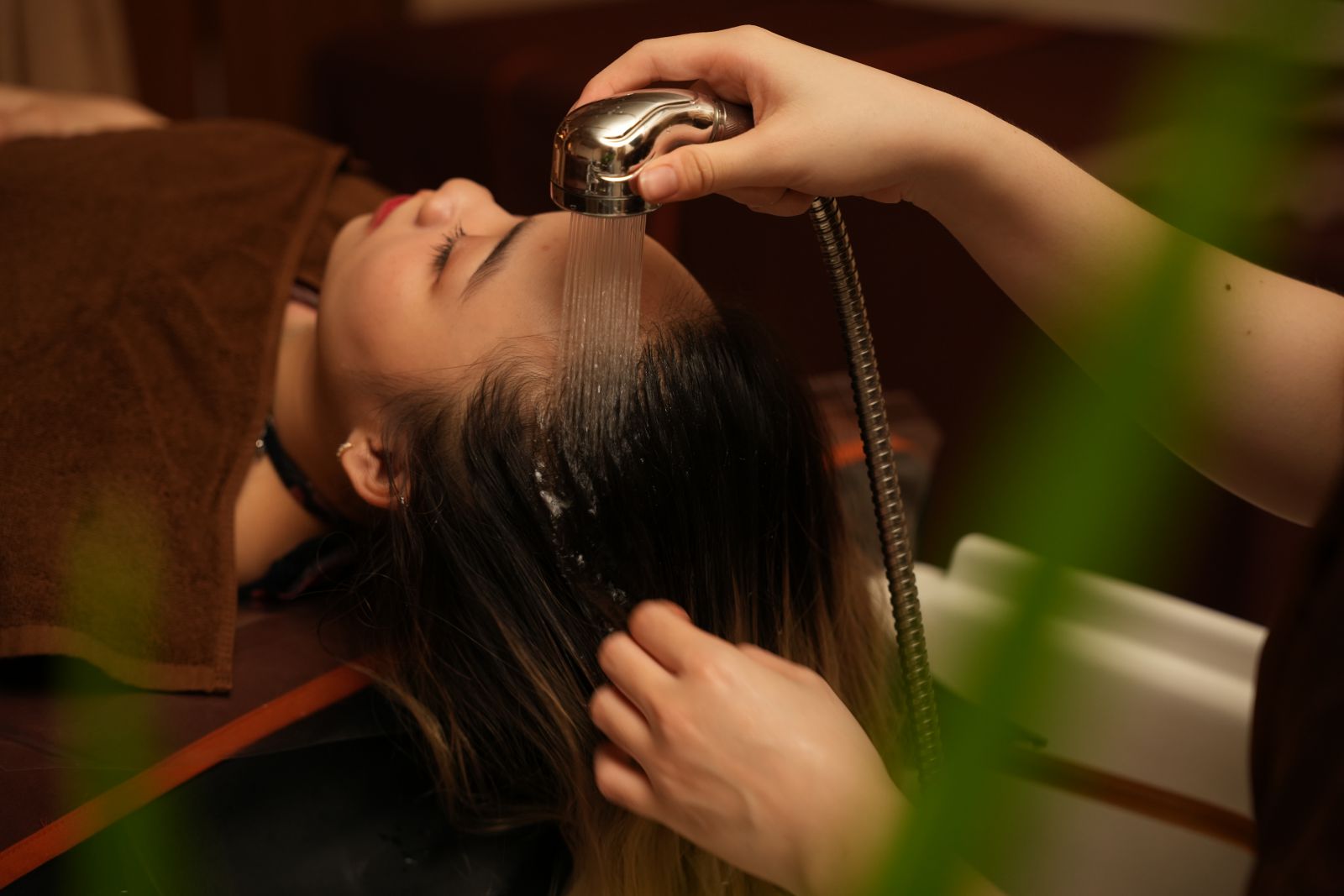
Conditioner helps restore moisture and protect the hair shaft.
It can help:
Reduce breakage.
Improve softness.
Minimize tangles.
Protect against damage.
Apply conditioner mainly to the mid-lengths and ends rather than directly on the scalp.
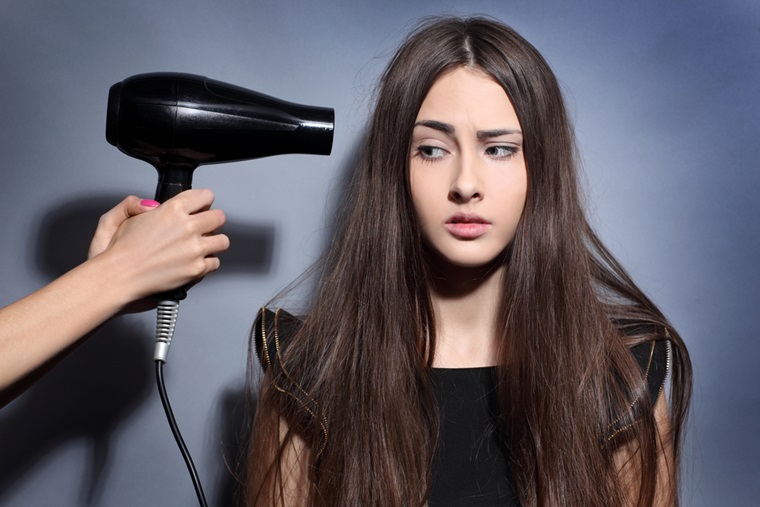
Frequent use of high heat can weaken the hair cuticle.
Whenever possible:
Let your hair air dry.
Use the lowest effective heat setting.
Apply a heat protectant before blow-drying or styling.
Limit the use of flat irons and curling irons.
Reducing heat exposure helps prevent dryness and split ends.
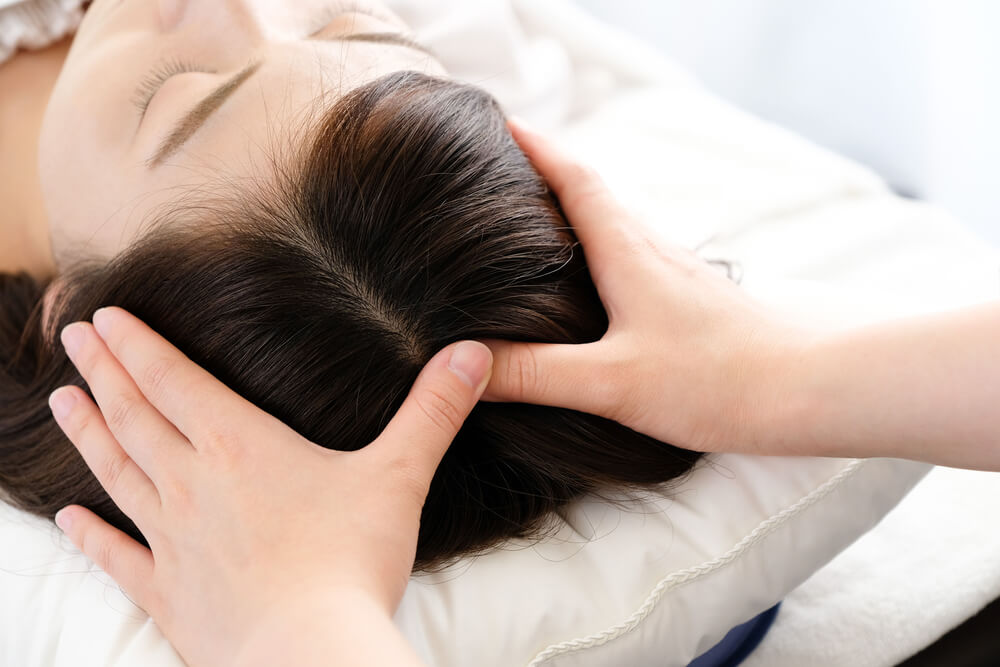
A gentle scalp massage may improve blood circulation to the hair follicles and promote relaxation.
Try:
Massaging your scalp for 3–5 minutes daily.
Using clean fingertips with light pressure.
Combining the massage with a lightweight hair oil if desired.
While massage won't dramatically speed up hair growth, it may support overall scalp health.
Daily habits can make a big difference.
Protect your hair by:
Avoiding tight hairstyles that pull on the roots.
Using a wide-tooth comb on wet hair.
Sleeping on a silk or satin pillowcase.
Wearing a hat in strong sunlight.
Avoiding harsh chemical treatments whenever possible.
Small changes can significantly reduce breakage over time.
Healthy hair depends on overall health.
To support stronger hair:
Drink enough water each day.
Exercise regularly.
Get 7–9 hours of sleep.
Practice stress-management techniques such as walking, meditation, or yoga.
Chronic stress may contribute to increased hair shedding in some individuals.
Hair grows from the scalp—not the ends. Regular trims don't increase growth speed, but they help prevent split ends, making hair appear healthier.
Excessive brushing can actually increase breakage. Brush gently only as needed to remove tangles.
Price doesn't always reflect effectiveness. Consistent care, gentle handling, and good nutrition matter much more than luxury products.
Consult a healthcare professional if you notice:
Sudden or excessive hair loss.
Bald patches.
Scalp redness, pain, or severe itching.
Hair thinning that continues for several months.
Hair loss accompanied by fatigue or other symptoms.
These may indicate an underlying medical condition that requires evaluation.
Strong, healthy hair is the result of good nutrition, proper scalp care, gentle styling, and healthy lifestyle habits. Eating a balanced diet, minimizing heat damage, using conditioner regularly, and protecting your hair from unnecessary stress can help keep it looking its best.
While no single product can transform your hair overnight, consistent daily care can lead to stronger, shinier, and healthier hair over time.
😲 A Water Bottle Under the Bed? Here's Why So Many Travelers Recommend It

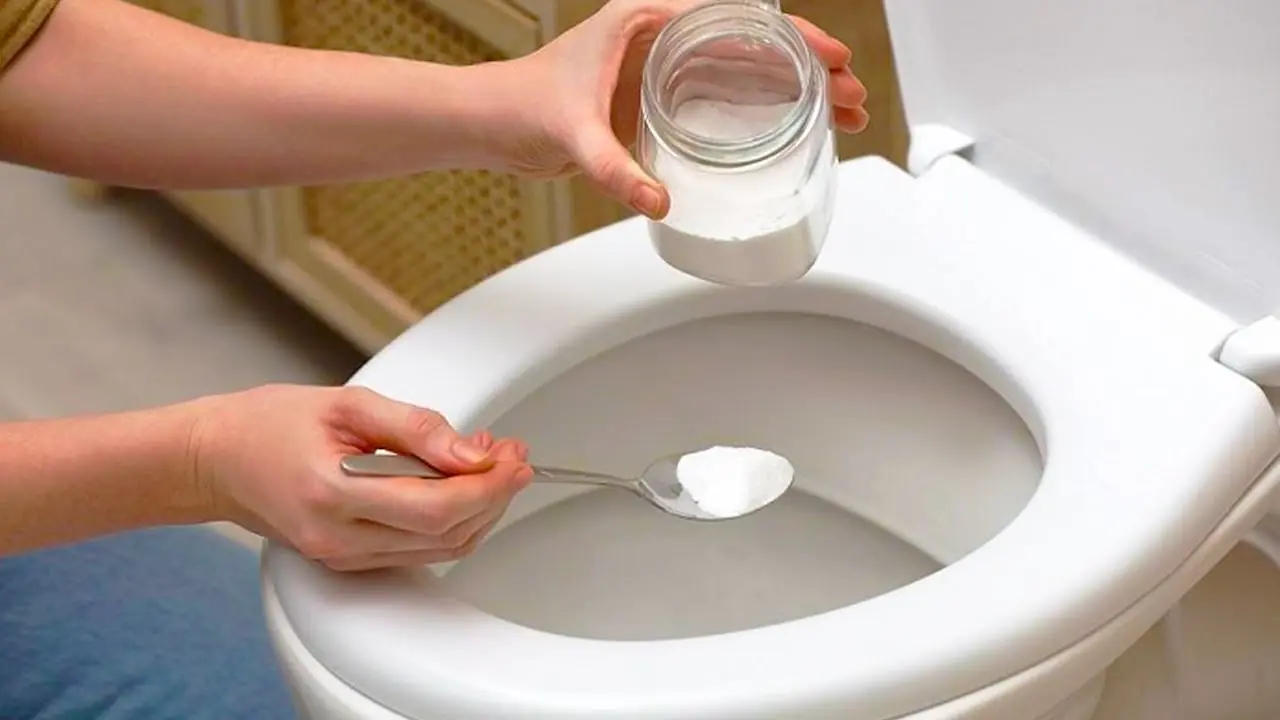
🚽 This Common Kitchen Ingredient Could Help Freshen Your Toilet Overnight ✨


Your first choice may reveal surprising clues about your personality today.
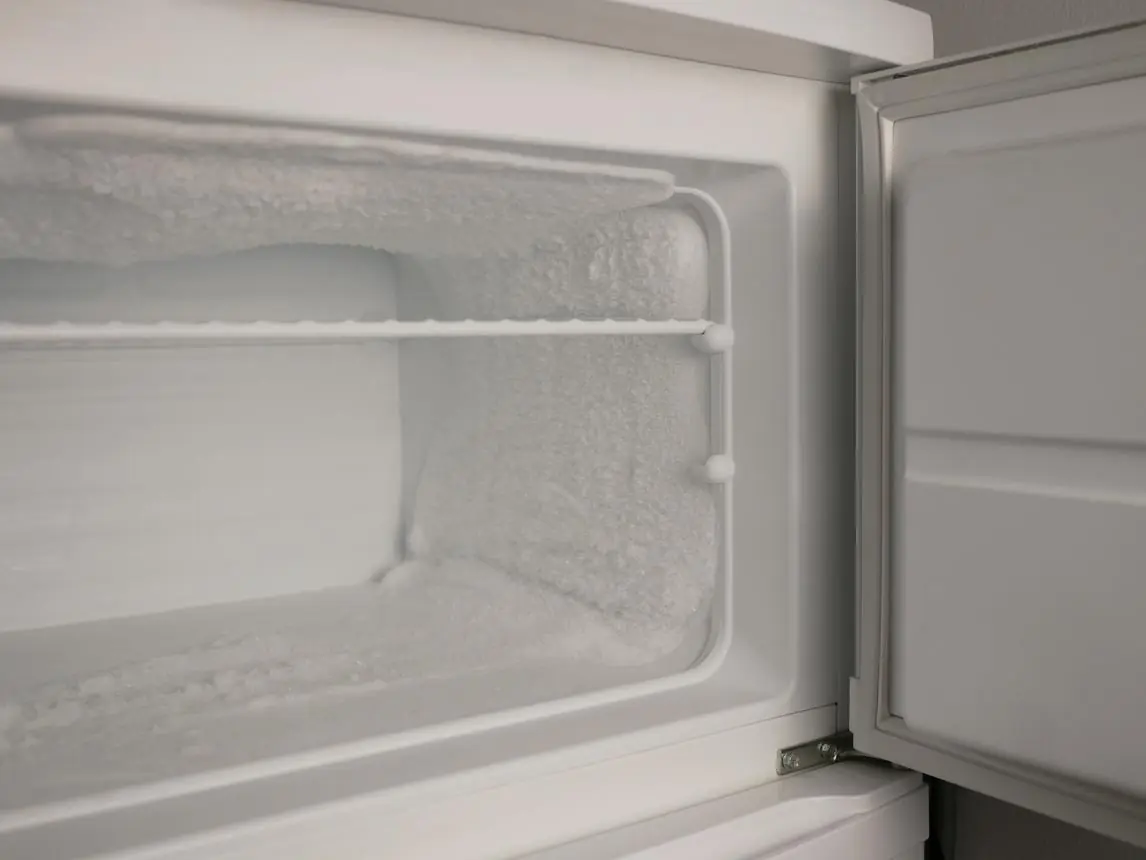
Remove freezer ice safely with simple methods that save time and energy.
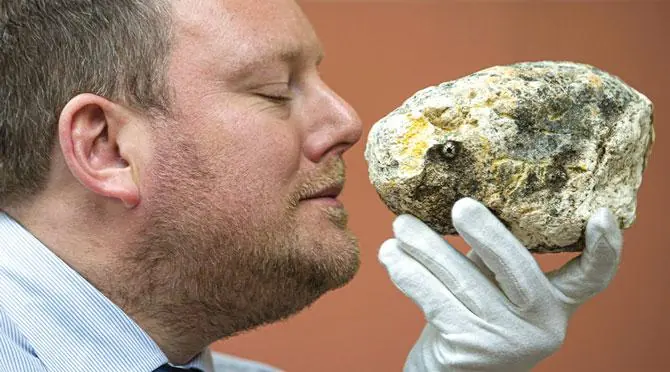
A rare ocean treasure can be worth a fortune—but it's not what you think.
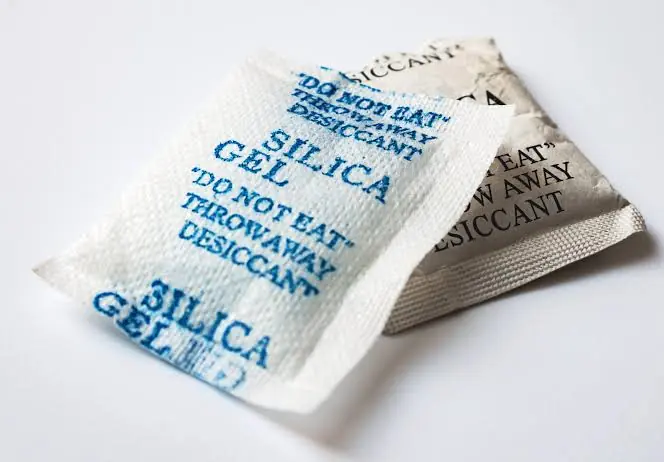
💸 One Tiny Packet Could Help You Prevent Costly Damage Around the House 👇
Don't Be Fooled! Here's How to Tell Whether Your Honey Is Pure or Adulterated
Most People Think It's Spoiled—The Truth May Surprise You

💧 Your Kidneys Work Hard Every Day—Here's How They May Signal Trouble


🥜 Thinking About Skipping Macadamia Nuts? Here's What You Might Be Missing




👨⚕️ Before You Treat Hip Pain, Make Sure You Know What's Really Causing It
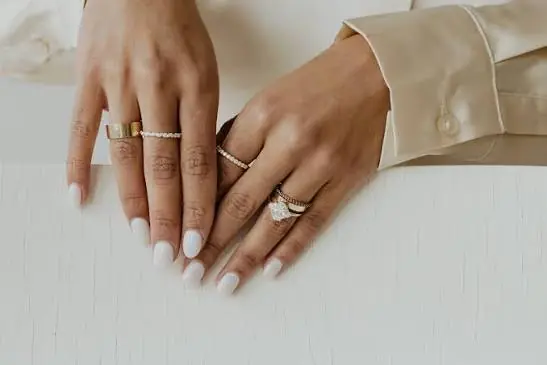
😮 Not Everyone Wears Rings for Fashion—Here's What a Right-Hand Ring May Represent
😨 These 5 Symptoms Don't Always Mean Cancer—But They Shouldn't Be Ignored
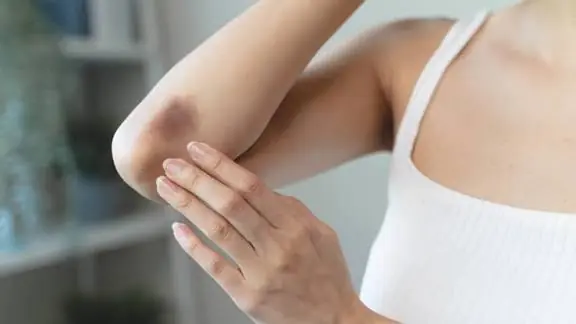
👀 If You Keep Finding Bruises Without Remembering an Injury, Read This