Don't Toss Your Used Coffee Grounds! Brilliant Ways to Reuse Them Around Your Home and Garden

If you're like millions of people, your day probably starts with a cup of coffee. But after brewing your favorite drink, the used coffee grounds usually end up in the trash.
Before you throw them away, think again. Used coffee grounds have a variety of practical uses around the home and garden. Rich in organic matter and naturally abrasive, they can help reduce waste while giving everyday items a second life.
Here are eight clever ways to reuse coffee grounds.
1. Enrich Your Compost

Coffee grounds are considered a valuable "green" material for composting because they contain nitrogen.
Adding used coffee grounds to your compost pile can:
-
Support beneficial microorganisms.
-
Improve compost quality.
-
Help create nutrient-rich soil.
For best results, mix coffee grounds with dry "brown" materials such as dried leaves, cardboard, or straw.
2. Help Improve Garden Soil

Coffee grounds add organic matter that can improve soil structure and water retention.
They may help:
-
Increase soil fertility over time.
-
Support healthy microbial activity.
-
Improve drainage in some soil types.
Use coffee grounds in moderation and mix them into the soil or compost rather than applying thick layers directly on the surface.
3. Reduce Household Odors

Coffee grounds naturally absorb odors.
Place a small bowl of dry coffee grounds in areas such as:
-
The refrigerator.
-
Shoe cabinets.
-
Closets.
-
Trash bins.
They can help neutralize unpleasant smells without using artificial fragrances.
4. Make a Natural Cleaning Scrub

The coarse texture of coffee grounds makes them a gentle abrasive.
Use them to scrub:
-
Pots and pans.
-
Grill grates.
-
Kitchen sinks.
-
Outdoor furniture.
Avoid using coffee grounds on delicate or porous surfaces that may stain or scratch.
5. Fertilize Acid-Loving Plants

Some gardeners use composted coffee grounds around acid-loving plants such as:
-
Blueberries.
-
Azaleas.
-
Rhododendrons.
-
Hydrangeas.
Fresh coffee grounds can be acidic, but used coffee grounds are much less acidic. Composting them first is generally the safest option.
6. Keep Certain Garden Pests Away

Some gardeners scatter coffee grounds around plants in hopes of discouraging pests such as:
-
Slugs.
-
Snails.
Research on this practice is mixed, so coffee grounds should be considered one part of an overall pest-management strategy rather than a guaranteed solution.
7. Create a Natural Body Scrub
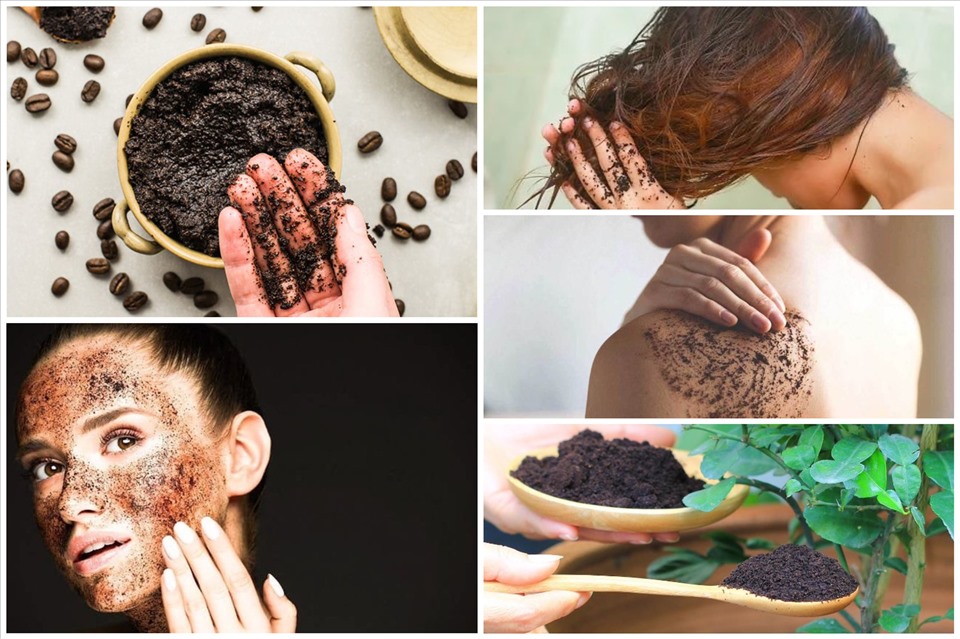
Used coffee grounds can be mixed with ingredients like:
-
Coconut oil.
-
Olive oil.
-
Honey.
The coarse texture provides gentle exfoliation, helping remove dead skin cells and leaving skin feeling smoother.
Avoid using on broken or irritated skin.
8. Freshen Your Hands After Cooking
After chopping garlic, onions, or fish, unwanted odors can linger on your hands.
Rub a small amount of damp coffee grounds between your hands before washing with soap.
The grounds help exfoliate the skin while reducing stubborn food odors.
Tips for Safe Reuse
To prevent mold growth:
-
Allow coffee grounds to dry completely before storing them.
-
Keep them in an airtight container.
-
Use clean, used coffee grounds only.
-
Discard any grounds that develop mold or an unpleasant smell.
The Bottom Line
Used coffee grounds are far more valuable than most people realize. From enriching compost and improving garden soil to deodorizing your home, exfoliating skin, and cleaning household items, they offer countless practical uses while helping reduce kitchen waste.
The next time you brew a cup of coffee, think twice before throwing the grounds away—you might be discarding one of the most useful leftovers in your kitchen.