Beets are one of the most colorful vegetables on your plate and they offer more than just vibrant color. Rich in vitamins, minerals, fiber, and naturally occurring plant compounds, beets have gained popularity among athletes, health-conscious individuals, and researchers alike. Some studies suggest that beets may support heart health, exercise performance, and overall nutrition, making them a valuable addition to a balanced diet.
However, despite the many claims found online, beets are not a miracle food. While they contain beneficial nutrients, they cannot prevent or cure disease on their own. Understanding what science actually says can help you enjoy beets as part of a healthy eating pattern without unrealistic expectations.
Let's take a closer look at the potential health benefits of beets, who may need to be cautious, and the best ways to include them in your meals.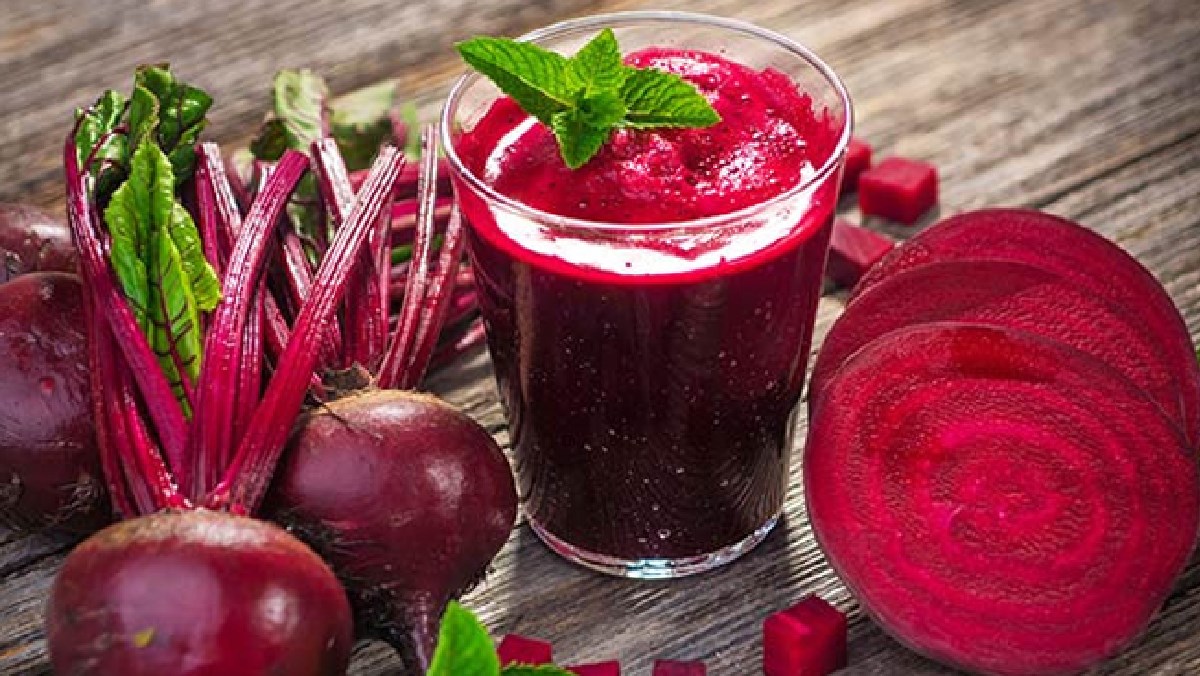
What Are Beets?
Beets, also known as beetroot, are root vegetables grown in many parts of the world.
Both the root and the leafy greens are edible.
Beets provide a variety of nutrients, including:
-
Dietary fiber
-
Folate (Vitamin B9)
-
Potassium
-
Manganese
-
Vitamin C
-
Iron (in small amounts)
-
Magnesium
-
Natural antioxidants
One unique feature of beets is that they contain dietary nitrates, naturally occurring compounds that the body can convert into nitric oxide.
Why Are Beets Considered Healthy?
Beets contain several compounds that have been studied for their potential health effects, including:
-
Dietary nitrates
-
Betalains (natural pigments)
-
Polyphenols
-
Fiber
-
Vitamins and minerals
These nutrients work together to support overall health rather than acting as a cure for specific conditions.
1. May Support Heart Health
One of the most researched benefits of beets involves cardiovascular health.
Dietary nitrates found in beets can be converted into nitric oxide, a molecule that helps blood vessels relax and widen.
Healthy nitric oxide production may help support:
-
Healthy blood flow
-
Normal blood vessel function
-
Healthy circulation
Some studies suggest that beet juice may contribute to small, temporary reductions in blood pressure in certain individuals.
However, beets should not replace prescribed blood pressure medications.
2. May Help Support Exercise Performance
Beets are popular among endurance athletes.
Nitric oxide may improve the efficiency of oxygen delivery to working muscles.
Research suggests beet juice may help:
-
Improve exercise endurance
-
Delay fatigue during certain activities
-
Support physical performance in some people
Benefits vary depending on:
-
Fitness level
-
Exercise type
-
Individual response
Not everyone experiences the same effects.
3. Good Source of Dietary Fiber
Fiber plays an important role in digestive health.
A diet containing adequate fiber helps support:
-
Regular bowel movements
-
Healthy gut bacteria
-
Feelings of fullness
-
Blood sugar management
Including vegetables like beets can help many people increase their daily fiber intake.
4. Rich in Folate
Beets are an excellent source of folate (Vitamin B9).
Folate is important for:
-
DNA production
-
Cell growth
-
Red blood cell formation
Adequate folate intake is particularly important during pregnancy because it supports normal fetal development.
5. Contains Natural Antioxidants
The deep red and purple color of beets comes from compounds called betalains.
Laboratory studies suggest betalains have antioxidant and anti-inflammatory properties.
Antioxidants help protect cells from damage caused by oxidative stress.
Researchers continue to study how these compounds may contribute to long-term health.
6. May Support Healthy Blood Vessel Function
Healthy blood vessels expand and contract to regulate blood flow.
Nitric oxide produced from dietary nitrates helps support this process.
Good vascular function contributes to:
-
Healthy circulation
-
Cardiovascular health
-
Physical performance
These effects are one reason beets have become popular among athletes.
7. May Support Brain Health
Some early research suggests that improved blood flow associated with dietary nitrates may support healthy brain function, particularly in older adults.
However, more high-quality research is needed before firm conclusions can be drawn.
Beets should be viewed as one part of an overall brain-healthy lifestyle.
8. Naturally Low in Calories
Beets provide many nutrients while remaining relatively low in calories.
They can fit well into a balanced eating plan for people working toward healthy weight management.
Healthy weight management depends on the overall diet rather than any single food.
Fresh Beets vs. Beet Juice
Both forms have advantages.
Whole Beets
Provide:
-
Fiber
-
Vitamins
-
Minerals
-
Greater fullness after meals
Beet Juice
Provides concentrated dietary nitrates but contains much less fiber.
Commercial beet juices may also contain added sugars, so reading nutrition labels is important.
Can Everyone Eat Beets?
Most healthy people can safely enjoy beets as part of a balanced diet.
However, some individuals may need to be cautious.
People With Kidney Stone Risk
Beets are relatively high in oxalates.
People with a history of calcium oxalate kidney stones may benefit from discussing appropriate portion sizes with their healthcare provider or a registered dietitian.
People Taking Blood Pressure Medication
Because beet-derived nitrates may modestly lower blood pressure in some individuals, people taking medications for hypertension should monitor their blood pressure and consult their healthcare provider before consuming large amounts of beet juice regularly.
People With Diabetes
Beets contain natural sugars but can still fit into a balanced eating plan.
Pay attention to portion size, especially when drinking beet juice, which contains less fiber than whole beets.
Why Does Urine Turn Pink After Eating Beets?
Some people notice red or pink urine or stools after eating beets.
This harmless phenomenon is called beeturia.
It occurs because natural beet pigments pass through the digestive system.
However, if red urine or stools occur without eating beets or other deeply colored foods, seek medical evaluation promptly because blood in the urine or stool requires assessment.
Easy Ways to Add Beets to Your Diet
Beets are incredibly versatile.
Try them:
-
Roasted as a side dish
-
Grated into salads
-
Blended into smoothies
-
Added to soups
-
Mixed into grain bowls
-
Pickled
-
Combined with goat cheese and leafy greens
-
Roasted with carrots and sweet potatoes
The leafy beet greens can also be sautéed or added to soups.
Common Myths About Beets
Myth 1: Beets Cure High Blood Pressure
False.
While some studies suggest beets may contribute to small reductions in blood pressure, they are not a substitute for prescribed treatment.
Myth 2: More Beet Juice Is Always Better
False.
Excessive consumption may cause digestive discomfort in some people and may not provide additional benefits.
Moderation is important.
Myth 3: Red Urine After Eating Beets Means Internal Bleeding
Usually false.
Beeturia is generally harmless.
However, unexplained red urine unrelated to beet consumption should always be evaluated by a healthcare professional.
Tips for Enjoying Beets Safely
To get the most from beets:
-
Eat them as part of a varied diet.
-
Choose whole beets more often than sweetened beet beverages.
-
Wash fresh beets thoroughly before cooking.
-
Store them in a cool, dry place.
-
Pair them with other colorful vegetables for a wide range of nutrients.
A diverse diet offers greater health benefits than focusing on any one food.
Final Thoughts
Beets are a nutritious root vegetable that can make a valuable addition to a balanced diet. Rich in fiber, folate, antioxidants, potassium, and naturally occurring nitrates, they may support heart health, healthy blood vessel function, exercise performance, and overall nutrition. While the scientific evidence surrounding beets is promising, they are not a cure-all, and their benefits are best understood as part of a healthy lifestyle that includes regular physical activity, adequate sleep, and a varied, nutrient-rich diet.
For most people, enjoying beets several times a week can be a delicious way to increase vegetable intake. If you have kidney stone disease, low blood pressure, or take medications that affect blood pressure, speak with your healthcare provider about the amount that's appropriate for you.
Rather than looking for a single "superfood," think of beets as one colorful piece of a healthy eating pattern that supports long-term well-being.