
You'll Never Look at the Red and Yellow Dots on Tires the Same Way Again
Have You Ever Wondered What the Red and Yellow Dots on New Tires Mean?
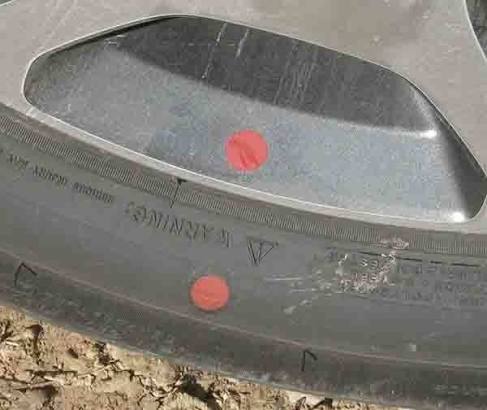
If you've ever bought a new set of tires, you may have noticed small red and yellow dots painted on the sidewall. Many drivers assume they're factory markings, shipping labels, or even cosmetic paint that will eventually wear off.
In reality, these tiny dots serve an important purpose during tire installation. They help technicians mount and balance the tire more accurately, which can contribute to a smoother ride and reduce the amount of balancing weight needed.
Why Do New Tires Have Colored Dots?

No tire is manufactured with perfectly even weight distribution or perfectly uniform shape. Even with modern production methods, there are tiny variations that are impossible to eliminate completely.
To make installation easier, tire manufacturers mark these slight variations using colored dots, allowing technicians to position the tire on the wheel in the most efficient way.
What Does the Yellow Dot Mean?
The yellow dot marks the lightest point of the tire.
During installation, technicians often align this yellow dot with the valve stem, which is typically one of the heaviest points on the wheel. Matching the tire's lightest point with the wheel's heavier point helps reduce imbalance before the wheel is even placed on a balancing machine.
Benefits of the Yellow Dot
- Requires fewer balancing weights.
- Helps improve wheel balance.
- May contribute to a smoother ride.
- Makes the balancing process more efficient.
What Does the Red Dot Mean?

The red dot identifies the tire's high point (or point of greatest radial variation/stiffness).
If the wheel has a matching low-point mark from the manufacturer, technicians can align the red dot with that location. This process, often called match mounting, helps improve the overall uniformity of the tire-and-wheel assembly and can reduce vibration while driving.
What If a Tire Has Both Red and Yellow Dots?
Some new tires have both markings.
In many cases, if the wheel has a designated low-point mark, technicians prioritize the red dot for optimal uniformity. If the wheel has no such mark, the yellow dot is commonly aligned with the valve stem to minimize the amount of balancing weight required. The exact procedure may vary depending on the tire and wheel manufacturer's recommendations.
Should Drivers Be Concerned About These Dots?
Not at all.
The colored dots:
- Are not defects.
- Do not indicate tire damage.
- Are not quality grades.
- Do not mean the tire is unsafe.
They are simply factory reference marks used during installation and balancing. Once the tire is mounted and driven, the paint usually fades or becomes difficult to notice.
Do You Need to Align the Dots Yourself?
For most drivers, the answer is no.
Professional tire shops use specialized balancing equipment that measures the complete tire-and-wheel assembly. The colored dots are helpful reference points, but they are only one part of the installation process.
If you're replacing your own tires or mounting them manually, following the manufacturer's recommendations can help achieve the best possible balance.
Final Thoughts
Those tiny red and yellow dots on new tires may seem insignificant, but they play an important role behind the scenes.
By helping technicians compensate for slight variations in tire weight and shape, these simple markings make it easier to achieve a well-balanced wheel, reduce unnecessary balancing weights, and promote a smoother driving experience.
So the next time you notice colorful dots on a brand-new tire, you'll know they're not random paint marks—they're part of the precision engineering that helps keep your ride comfortable and efficient.
News in the same category


If You've Noticed This Lump, Your Daily Habits May Be Worth a Closer Look
Millions Do This Every Day—Few Know It May Be Linked to This Lump 😳👇

Vinegar: Amazing Uses and Benefits You Should Know

What Do the Red and Yellow Dots on New Car Tires Mean? The Hidden Purpose Most Drivers Never Notice
Most Drivers Ignore These Tire Marks—But Mechanics Never Do

The Right Way to Cook Pork: Avoid These Common Mistakes That Can Reduce Nutrition
The #1 Pork Cooking Mistake That May Reduce Its Nutrition

Don't Throw Away That Hard-Boiled Egg Just Yet—Here's Why It Has a Green Ring
That Green Ring on Your Egg Could Be Completely Normal—Here's Why

Why Am I Breaking Out? 10 Common Causes of Acne You Should Know

If You Ever See Square Waves at the Beach, Stay Out of the Water... Here's Why
These Beautiful Waves Have a Dangerous Secret Most Beachgoers Don't Know

Is Your Gut Trying to Tell You Something? 10 Warning Signs You Shouldn't Ignore

Okra: Science-Backed Health Benefits of This Nutrient-Packed Green Vegetable

Avocados: Science-Backed Health Benefits of Nature's Creamy Superfood

If Your Dog Suddenly Starts Sniffing Your Genital Area, Here's What It Could Mean
This Common Dog Behavior Could Be Trying to Tell You Something About Your Health…

Did you know that when a SLUG visits your house it means that you have...See more
The Secret Life of Slugs: Tiny Creatures With a Huge Impact

10 Warning Signs of Liver Disease You Should Never Ignore

Lotus Plumule for Better Sleep: Can This Traditional Herbal Remedy Really Help Insomnia?

Waking Up with Leg Cramps? Effective Ways to Relieve Nighttime Muscle Cramps and Help Prevent Them

Why Some Business Leaders and Professionals Choose Their Right Hand for a Ring
😮 Not Everyone Wears Rings for Fashion—Here's What a Right-Hand Ring May Represent

Green Tea Leaves: Science-Backed Health Benefits of This Ancient Superfood

Keep Mosquitoes Away Naturally: Easy Home Remedies Using Everyday Ingredients
News Post

Dry, Cracked Skin: Common Causes and Simple Ways to Heal It Naturally

Could Your Nighttime Leg Pain Be a Sign of Poor Circulation? Here's What You Should Know
Waking Up With Leg or Foot Pain? It May Be Time to Check Your Circulation

Life After Gallbladder Surgery: What Changes Can You Expect?

Visible Veins: Possible Causes and When They Could Signal a Health Problem

Drooling at Night? Don't Ignore These 6 Possible Reasons
Why You May Be Drooling in Your Sleep: 6 Possible Causes

These 5 Backyard Plants May Be Associated with More Snake Activity
Could These 5 Backyard Plants Make Your Yard More Inviting to Snakes?

Could Sleeping on Your Left Side Be Better for Your Health?
Should You Sleep on Your Left Side? Here's What to Know

Why You Should Avoid Sleeping on Your Right Side: How Your Sleeping Position May Affect Your Health
Could Your Sleeping Position Be Affecting Your Health Every Night?

Unlock 6 Hidden Features Using Your Phone's Volume Buttons
Your Phone Has Hidden Shortcuts—And They're Right on the Volume Buttons

Teeth Grinding (Bruxism): Warning Signs, Common Causes, and How to Stop It

Your Body May Be Sending These Cancer Warning Signs
These Changes in Your Body Could Be Worth Discussing with Your Doctor

13 Ways Eggs and Sweet Potatoes Can Support a Healthy Morning
🥚🍠 13 Reasons to Add Eggs and Sweet Potatoes to Your Morning Routine

Snoring: Possible Causes, Effective Remedies, and When to See a Doctor

Chicken Gizzards: A Nutrient-Rich Food That's Often Overlooked
Chicken Gizzards: One of the Most Underrated Foods for Nutrition

Millions Are Trying This Plastic Bottle Laundry Trick — Here's Why
Don't Toss That Plastic Bottle Just Yet—It May Be Useful

Feeling Your Heart Pounding While Resting? Here's When to Pay Attention
Your Heartbeat May Feel More Noticeable at Night - Here's What Experts Say

A 56-Year-Old Woman Di.es from Can.cer Despite Eating Steamed Food Every Day: Doctor Warns, “Even Healthy Foods Can Become Harmful”
Do You Eat Food While It's Still Piping Hot? Read This First

Ginger Isn't Right for Everyone—5 Situations to Be Aware Of
When Ginger May Do More Harm Than Good: 5 Health Concerns

Early Detection Matters: 6 Colon Health Warning Signs to Watch For
Understanding Colon Health: 6 Symptoms That May Need Evaluation