Save Energy and Money: Unplug These 5 Appliances After You Use Thems After You Use Them These 5 Appliances When You’re Done Using Them
⏱️ 1 min read 26/08/2026 09:37
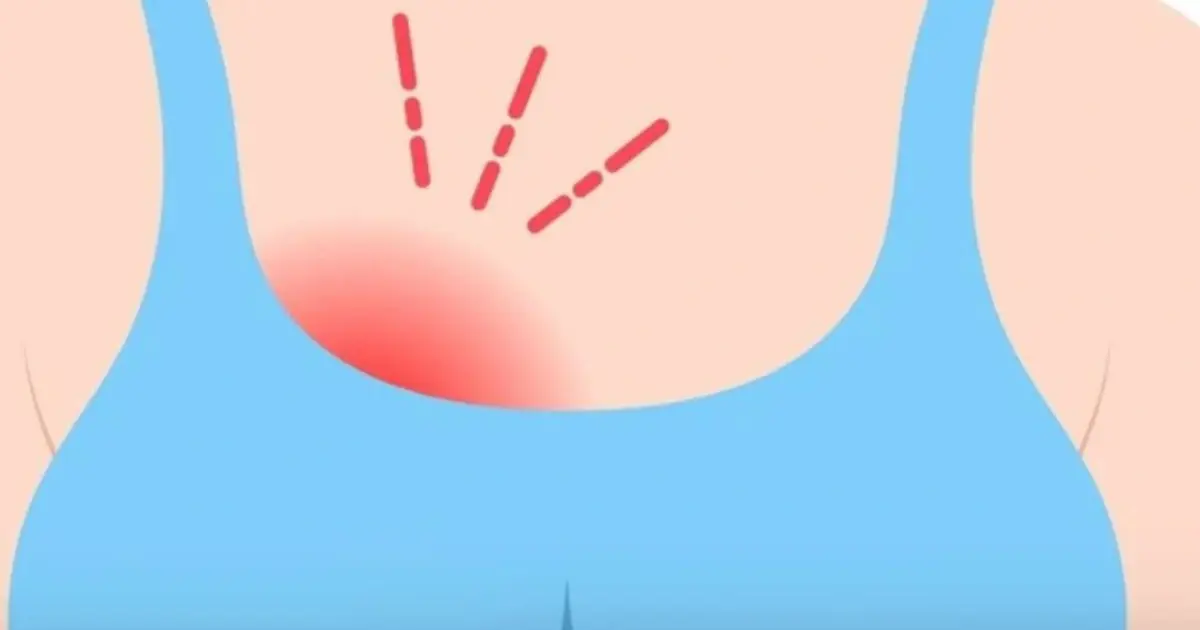
Acid reflux, also known as gastroesophageal reflux (GER), occurs when stomach acid flows back into the esophagus, causing symptoms such as heartburn, chest discomfort, a sour taste in the mouth, or regurgitation. While medications can help, making smart dietary choices is one of the most effective ways to manage symptoms.
Not everyone is triggered by the same foods, but the following are among the most common culprits.
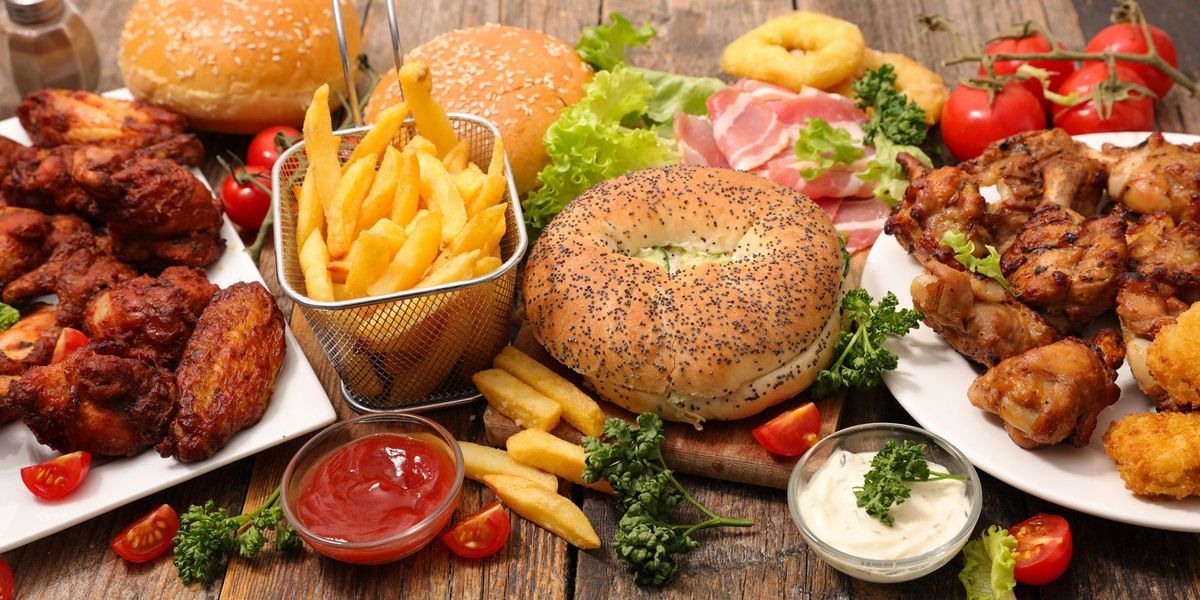
High-fat foods slow stomach emptying and can relax the lower esophageal sphincter (LES), making it easier for stomach acid to flow upward.
Foods to limit include:
French fries
Fried chicken
Potato chips
Fast food
Fatty cuts of meat
Choose grilled, baked, or steamed foods instead.
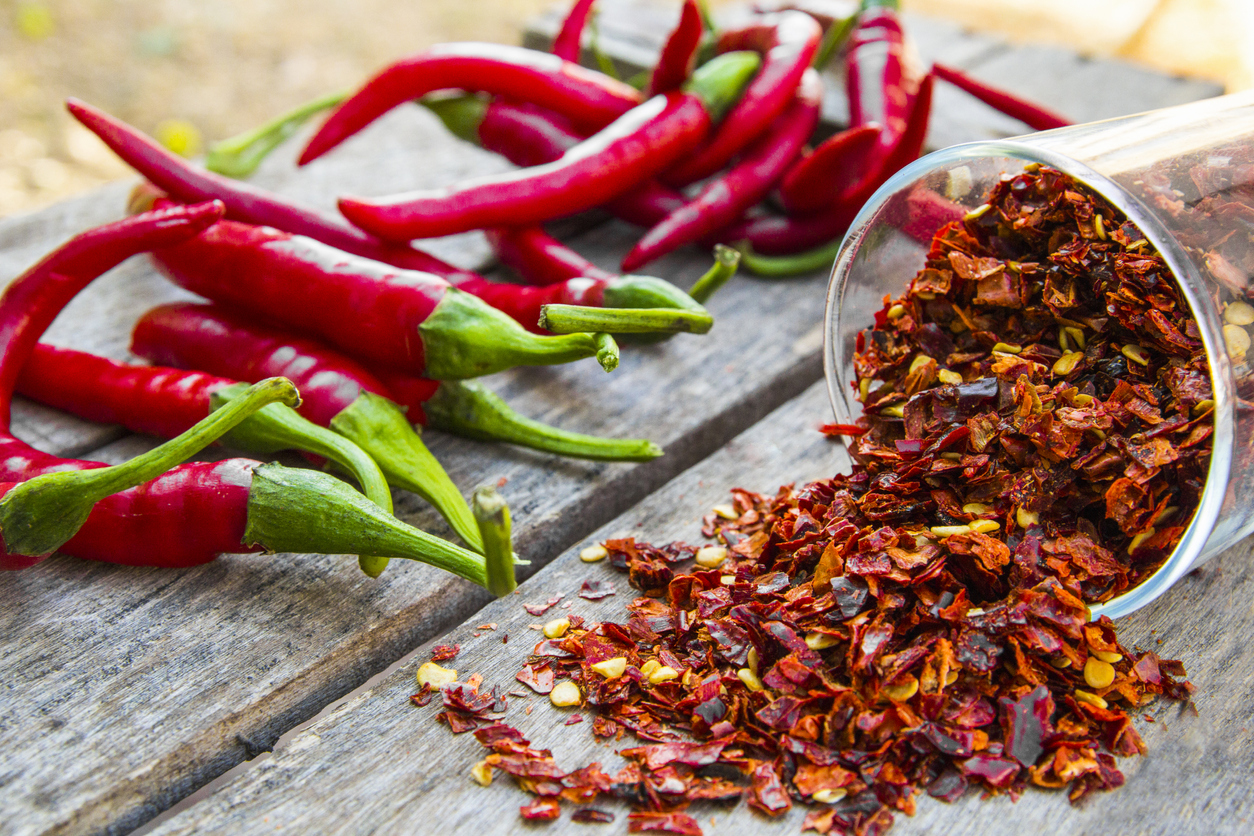
Hot peppers, chili powder, and spicy sauces may worsen heartburn in some people.
If spicy meals consistently trigger your symptoms, try reducing the amount of spice in your diet and monitor how you feel.
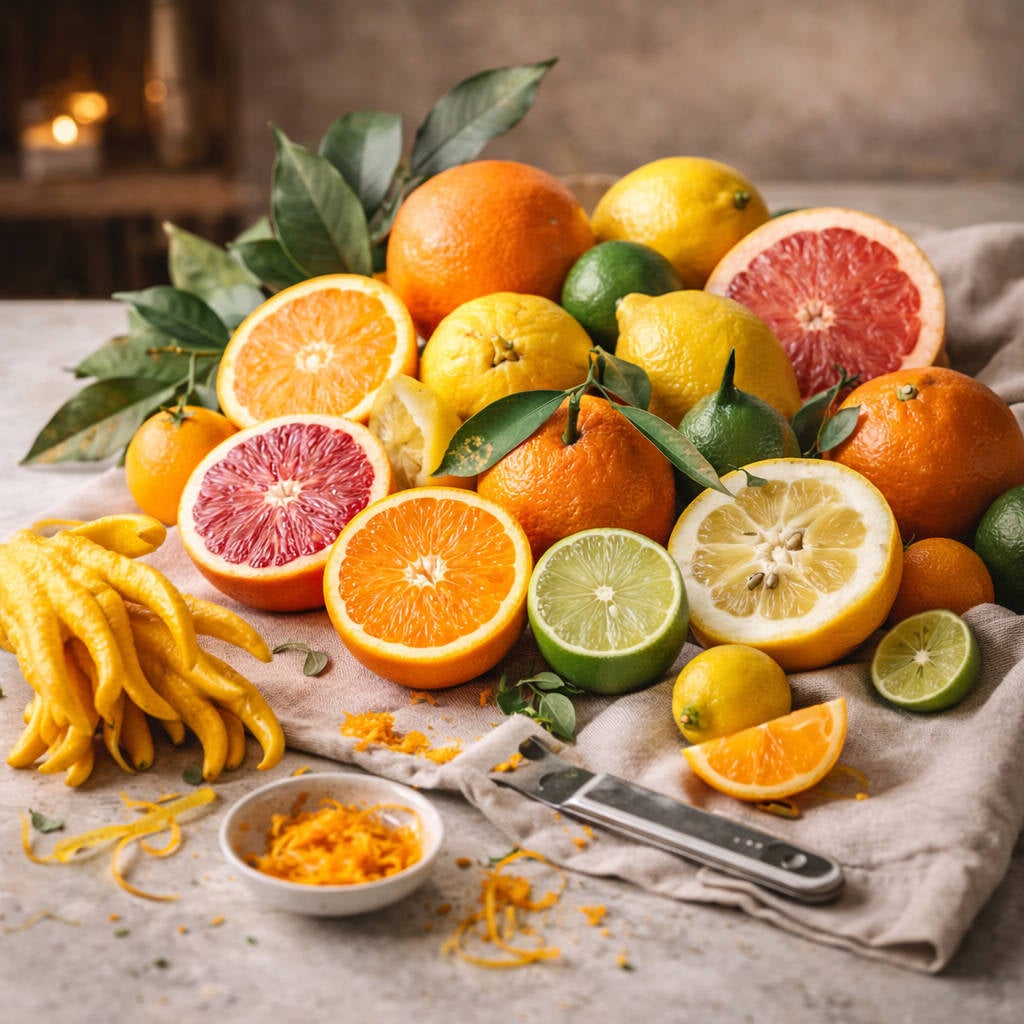
Although citrus fruits are rich in vitamin C, their natural acidity may trigger reflux symptoms in some individuals.
Common examples include:
Oranges
Lemons
Limes
Grapefruits
If they cause discomfort, consider choosing lower-acid fruits like bananas or melons.
Tomatoes are naturally acidic and may worsen acid reflux.
Foods to limit include:
Tomato sauce
Ketchup
Pizza sauce
Tomato soup
Salsa
Chocolate contains compounds that may relax the lower esophageal sphincter, increasing the likelihood of acid reflux.
Some people find that reducing chocolate intake helps improve symptoms.
Coffee, certain teas, and energy drinks may trigger reflux in sensitive individuals.
If you notice symptoms after drinking caffeinated beverages, consider:
Reducing your intake.
Switching to decaffeinated coffee.
Choosing herbal teas that don't contain caffeine.
Soft drinks and sparkling beverages can increase pressure in the stomach, making reflux more likely.
Examples include:
Soda
Sparkling water
Carbonated energy drinks
Still water is often a better choice if carbonation worsens your symptoms.
Alcohol may relax the lower esophageal sphincter and irritate the lining of the esophagus.
Limiting alcohol, especially in the evening, may reduce nighttime reflux.
Although peppermint can soothe digestive discomfort for some people, it may relax the lower esophageal sphincter and worsen acid reflux in others.
If peppermint tea or peppermint-flavored products trigger symptoms, it's best to avoid them.
It's not just what you eat—but also how much and when.
Large meals can increase pressure inside the stomach, making reflux more likely.
To reduce symptoms:
Eat smaller, more frequent meals.
Avoid eating within 2–3 hours before bedtime.
Avoid lying down immediately after eating.
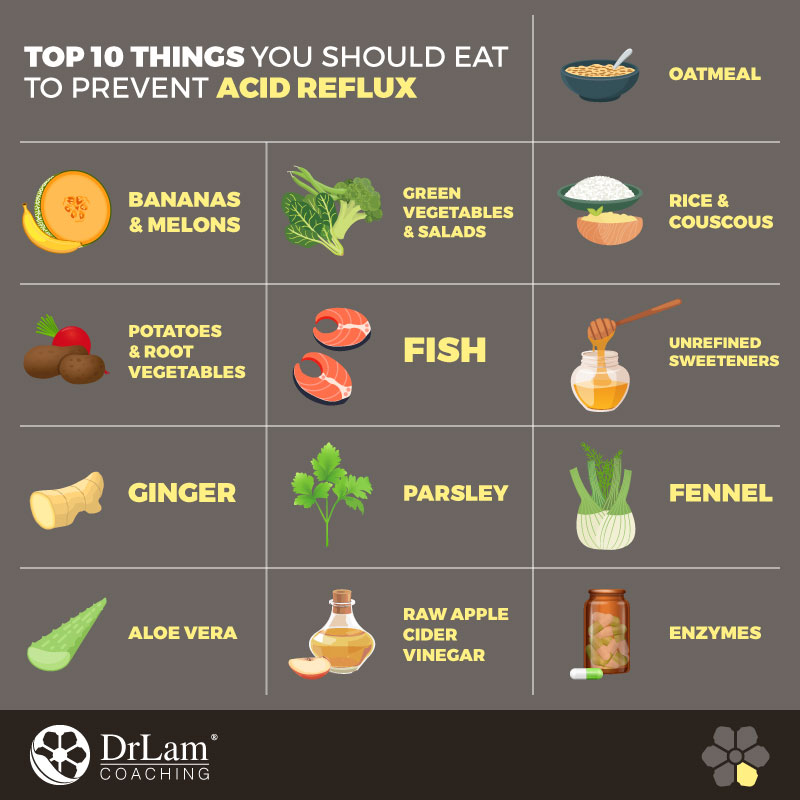
Many people with acid reflux tolerate these foods well:
Oatmeal
Bananas
Melons
Brown rice
Whole grains
Leafy green vegetables
Lean chicken or turkey
Fish
Egg whites
Low-fat yogurt
Keep in mind that food triggers vary from person to person.
In addition to adjusting your diet:
Maintain a healthy weight.
Eat slowly and chew food thoroughly.
Wear loose-fitting clothing around your waist.
Elevate the head of your bed if nighttime reflux is a problem.
Avoid smoking.
Stay physically active.
These habits can often reduce reflux episodes.
Consult a healthcare professional if you experience:
Heartburn more than twice a week.
Difficulty swallowing.
Persistent chest pain.
Unexplained weight loss.
Vomiting blood or passing black stools.
Symptoms that do not improve with lifestyle changes or medication.
These may indicate a more serious condition that requires evaluation.
Managing acid reflux often starts with identifying and avoiding your personal trigger foods. Fried foods, spicy dishes, citrus fruits, tomatoes, chocolate, caffeine, carbonated drinks, alcohol, peppermint, and large late-night meals are among the most common triggers.
By combining a reflux-friendly diet with healthy lifestyle habits, many people can significantly reduce symptoms and improve their quality of life. If symptoms persist or become severe, seek medical advice for a proper diagnosis and treatment plan.
Most smartphone users overlook these surprisingly useful button shortcuts.
A simple intersection puzzle is challenging logic and road-rule knowledge.
Experts say daily food choices may play a key role in brain aging.
New research raises concerns about a common compound found in breakfast staples.
A simple photo sparked confusion online as thousands mistook a fence for a lake.
A small purple butterfly carries a message of love, loss, and compassion.
Those strange avocado strings may reveal more than you think.
Spotted These Bugs Around Your Home? Here’s What You Should Know
Spotted This Insect in Your House? Here’s What It Could Mean
Seeing Silverfish at Home? Here’s Why You Should Pay Attention
I Soaked My Berries in Salt Water and Found These Strange White Larvae - What Happened?
Found an Old Cast-Iron Tool With a Strap? Here’s What It Was Used For
What Does a Three-Point Tattoo Mean? The Story Behind the Symbol
At First, It Looked Like Wet Trash Then I Saw What Was Moving Inside
Why You Should Think Twice Before Tying a Ribbon to Your Suitcase?
Had a Dream About a Loved One Who Passed Away? Here’s What It Could Mean

Scientists have finally determined when Elon Musk’s warning that “eventually, all life on Earth will be destroyed by the sun” could come to pass.

Ways to Soothe a Cough and Support Clearer Breathing
🍳 What Happens When You Eat Eggs Every Morning? Doctors Explain…
❤️ Feeling Your Heartbeat While Lying Down? Here’s What It Could Mean…
A simple sleeping position may offer surprising benefits for your body.
Recognizing unusual symptoms early may help prompt timely medical care.
Most smartphone users overlook these surprisingly useful button shortcuts.
If You See This Type of Chicken, Doctors Advise You to Throw It Out Immediately
A simple intersection puzzle is challenging logic and road-rule knowledge.
Experts say daily food choices may play a key role in brain aging.
Could Lemon Water Help Blo:od Pressure? He Tried It for 2 Years and the Outcome Was Unexpected
New research raises concerns about a common compound found in breakfast staples.
🚨 9 Signs Your Blood Sugar May Be Trying to Tell You Something…
4 Early Warning Signs That Could Show Up Minutes Before a Stroke — Don’t Ignore Them
As one of the most nutrient-dense foods on the planet, salmon has long been celebrated by health experts and culinary enthusiasts alike. Beyond its rich flavor and versatility in the kitchen, this popular fatty fish offers an impressive array of health be
A simple photo sparked confusion online as thousands mistook a fence for a lake.
After 40, Your Nails Can Reveal Hidden Changes in Your Body—Don’t Ignore This
The Body Whispers First: Warning Signs of Breast Can.cer That May Appear a Year Before Diagnosis