Digestive discomfort is something almost everyone experiences from time to time. A heavy meal, stress, food intolerance, or a mild stomach virus can all cause temporary symptoms such as bloating or indigestion. In most cases, these problems improve on their own and are not a cause for concern.
However, persistent digestive symptoms - especially those that occur repeatedly after meals should not be ignored. While they are often caused by common conditions such as gastritis, acid reflux, peptic ulcers, or functional dyspepsia, they can occasionally signal more serious diseases, including stomach cancer. Because early stomach cancer often causes few or vague symptoms, recognizing persistent changes and seeking timely medical evaluation may lead to earlier diagnosis and more treatment options.
It's important to remember that these symptoms do not mean you have stomach cancer, but they do deserve attention if they persist or worsen.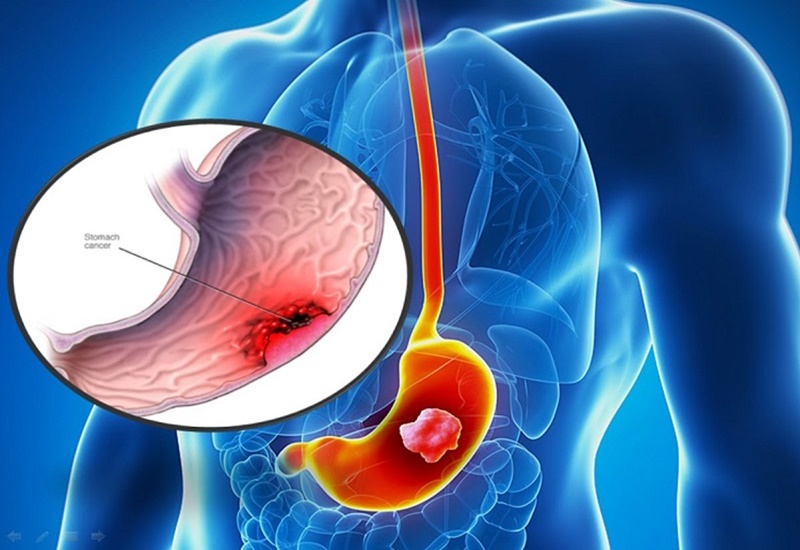
Why Early Detection Matters
Many stomach conditions respond well to treatment when identified early.
For example:
-
Gastritis can often improve with medication and lifestyle changes.
-
Peptic ulcers may heal with appropriate treatment.
-
Helicobacter pylori (H. pylori) infection can often be treated with antibiotics.
-
Early-stage stomach cancer generally has better treatment outcomes than advanced disease.
Rather than assuming symptoms are "just indigestion," paying attention to persistent digestive changes is important.
1. Feeling Full After Eating Only a Small Amount
One symptom that deserves attention is early satiety, which means feeling unusually full after eating only a small quantity of food.
You may notice:
-
Difficulty finishing normal-sized meals.
-
Feeling uncomfortably full after only a few bites.
-
Reduced appetite.
This symptom has many possible causes, including:
-
Gastritis
-
Peptic ulcers
-
Functional dyspepsia
-
Delayed stomach emptying (gastroparesis)
Less commonly, it may be associated with stomach cancer or other digestive disorders.
If early satiety continues for several weeks, consult your healthcare provider.
2. Persistent Indigestion or Upper Abdominal Discomfort
Occasional indigestion is common.
However, indigestion that:
-
Occurs frequently
-
Persists despite lifestyle changes
-
Continues for several weeks
may require medical evaluation.
Symptoms may include:
-
Burning discomfort
-
Upper abdominal pain
-
Pressure after meals
-
Frequent belching
-
Nausea
Common causes include:
-
Acid reflux (GERD)
-
Gastritis
-
Peptic ulcers
-
Functional dyspepsia
Persistent symptoms should not be ignored, especially in older adults or people with additional risk factors.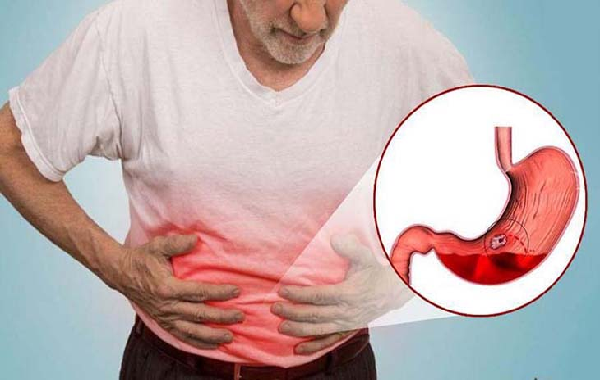
3. Ongoing Bloating After Meals
Many people experience temporary bloating after eating certain foods.
However, bloating that becomes:
-
Frequent
-
Persistent
-
Progressively worse
may deserve further evaluation.
Possible causes include:
-
Food intolerances
-
Irritable bowel syndrome (IBS)
-
Constipation
-
Delayed stomach emptying
-
Gastritis
Although bloating alone is rarely caused by stomach cancer, persistent symptoms should be discussed with a healthcare professional.
4. Nausea or Vomiting That Continues
Occasional nausea after eating may occur because of:
-
Viral illness
-
Food poisoning
-
Motion sickness
However, persistent nausea or repeated vomiting should always be evaluated.
Possible causes include:
-
Gastritis
-
Peptic ulcers
-
Gallbladder disease
-
Stomach outlet obstruction
-
Medication side effects
Repeated vomiting can also lead to dehydration and nutritional deficiencies.
5. Unexplained Weight Loss or Loss of Appetite
One of the most important symptoms that deserves prompt medical attention is unintentional weight loss.
If you lose weight without trying, particularly together with digestive symptoms, it is important to seek medical evaluation.
Possible causes include:
-
Chronic digestive disorders
-
Thyroid disease
-
Diabetes
-
Depression
-
Inflammatory bowel disease
-
Various cancers, including stomach cancer
Loss of appetite that persists for several weeks also warrants medical assessment.
Other Warning Signs That Should Not Be Ignored
Although the five symptoms above may occur with many common stomach conditions, certain alarm symptoms require more urgent evaluation.
These include:
-
Vomiting blood
-
Black, tarry stools
-
Difficulty swallowing
-
Persistent anemia
-
Severe abdominal pain
-
A lump in the abdomen
-
Persistent fatigue
-
Progressive difficulty eating
These symptoms should be assessed promptly by a healthcare professional.
What Increases the Risk of Stomach Cancer?
Several factors may increase the risk of stomach cancer.
These include:
-
Long-term Helicobacter pylori infection
-
Smoking
-
Family history of stomach cancer
-
Older age
-
Chronic gastritis
-
Diets high in heavily salted or smoked foods
-
Certain inherited genetic conditions
Having one or more risk factors does not mean you will develop stomach cancer, but regular medical care becomes especially important.
What Is an Endoscopy?
An upper gastrointestinal endoscopy is a procedure that allows a doctor to examine the lining of the esophagus, stomach, and the first part of the small intestine using a thin flexible camera.
It may be recommended for people with:
-
Persistent digestive symptoms
-
Alarm symptoms
-
Unexplained anemia
-
Difficulty swallowing
-
Unexplained weight loss
-
Suspected stomach ulcers
During the procedure, tissue samples (biopsies) can be collected if necessary.
Is Endoscopy Painful?
Most people tolerate endoscopy well.
Depending on the healthcare setting and country, patients may receive:
-
Local throat anesthesia
-
Sedation
-
Monitoring throughout the procedure
The examination usually takes only a short time.
Your healthcare provider can explain what to expect.
Healthy Habits That Support Stomach Health
Simple lifestyle habits may reduce the risk of many digestive problems.
Eat a Balanced Diet
Include:
-
Fruits
-
Vegetables
-
Whole grains
-
Lean protein
-
Fiber-rich foods
Limit excessive intake of:
-
Highly processed foods
-
Salted foods
-
Smoked foods
Avoid Tobacco
Smoking increases the risk of several digestive diseases, including stomach cancer and peptic ulcers.
Limit Alcohol
Heavy alcohol consumption may irritate the stomach lining and contribute to digestive problems.
Maintain a Healthy Weight
Healthy weight management benefits both digestive and overall health.
Seek Treatment for Persistent Symptoms
Do not rely on over-the-counter medications indefinitely if symptoms continue.
Persistent digestive complaints deserve professional evaluation.
Common Myths About Stomach Symptoms
Myth 1: Indigestion Always Means Cancer
False.
Most indigestion is caused by common conditions such as acid reflux, gastritis, or functional dyspepsia.
Myth 2: If Symptoms Come and Go, They're Harmless
False.
Some important digestive conditions cause intermittent symptoms.
Persistent or recurring problems should still be evaluated.
Myth 3: Endoscopy Is Only Needed When Symptoms Become Severe
False.
Doctors sometimes recommend endoscopy earlier when a person has alarm symptoms or important risk factors.
Early evaluation may help identify problems before complications develop.
When Should You See a Doctor?
Arrange a medical appointment if you have:
-
Indigestion lasting several weeks.
-
Frequent upper abdominal pain.
-
Persistent bloating after meals.
-
Early satiety.
-
Ongoing nausea.
-
Loss of appetite.
-
Unexplained weight loss.
Your healthcare provider can determine whether additional testing is appropriate.
When Is It an Emergency?
Seek immediate medical care if you experience:
-
Vomiting blood.
-
Black or tarry stools.
-
Severe abdominal pain.
-
Difficulty swallowing that rapidly worsens.
-
Persistent vomiting causing dehydration.
-
Fainting or signs of significant blood loss.
These symptoms require urgent evaluation.
Final Thoughts
Most stomach symptoms after meals are caused by common, treatable conditions such as gastritis, acid reflux, peptic ulcers, food intolerances, or functional digestive disorders—not stomach cancer. Nevertheless, persistent symptoms should never be ignored, particularly when they continue for several weeks, worsen over time, or are accompanied by warning signs such as unexplained weight loss, vomiting blood, black stools, or difficulty swallowing.
Listening to your body and seeking medical advice early can lead to faster diagnosis and more effective treatment. If your healthcare provider recommends an endoscopy, remember that it is an important tool for identifying a wide range of stomach conditions—not just cancer. Early evaluation offers the best opportunity to treat problems before they become more serious and helps provide reassurance when symptoms are caused by less serious conditions.