What You Choose May Reveal Hidden Aspects of Your Personality
⏱️ 1 min read 26/08/2026 14:15
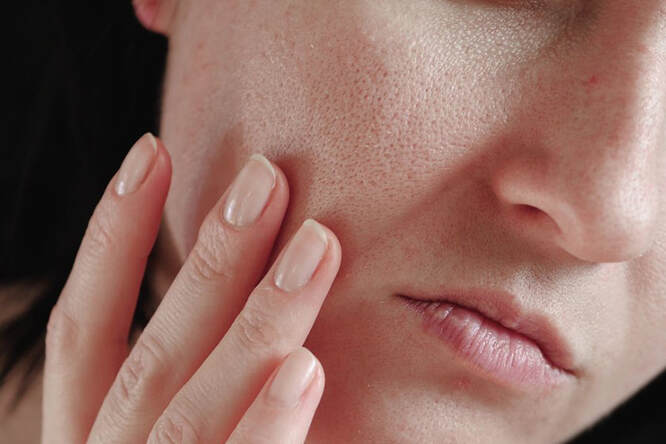
Dry, cracked skin is a common problem that can affect your hands, heels, lips, elbows, or other areas of the body. While mild dryness is usually harmless, deep cracks can be painful and increase the risk of infection if left untreated.
Understanding what causes cracked skin is the first step toward restoring healthy, smooth skin.
Here are 10 common causes of dry, cracked skin and practical ways to help it heal.

One of the most common causes of cracked skin is low humidity during the colder months.
Cold air outdoors and heated indoor air can strip moisture from the skin, leading to:
Dryness
Flaking
Itching
Painful cracks
Using a humidifier indoors may help maintain skin moisture.

Washing your hands often is important for hygiene, but repeated exposure to soap and water can remove the skin's natural protective oils.
To help protect your skin:
Use lukewarm water instead of hot water.
Choose a gentle, fragrance-free cleanser.
Apply moisturizer immediately after washing.

Household cleaners and detergents may irritate the skin and damage its protective barrier.
Wear rubber gloves when:
Washing dishes
Cleaning bathrooms
Using bleach or other strong chemicals
This simple habit can help prevent dry, cracked hands.
One of the easiest ways to prevent cracked skin is by using a moisturizer regularly.
Look for products containing ingredients such as:
Glycerin
Ceramides
Shea butter
Petrolatum
Hyaluronic acid
Apply moisturizer several times a day, especially after bathing or handwashing.
Long, hot showers may feel relaxing, but they can remove the skin's natural oils.
For healthier skin:
Keep showers under 10–15 minutes.
Use warm—not hot—water.
Moisturize immediately after drying off.
Your skin needs adequate hydration to maintain its barrier function.
Drink enough water throughout the day and eat water-rich foods like:
Cucumbers
Oranges
Watermelon
Tomatoes
While hydration alone won't cure dry skin, it supports overall skin health.
Persistent cracked skin may be caused by medical conditions such as:
Eczema (atopic dermatitis)
Psoriasis
Contact dermatitis
These conditions often require specific treatment prescribed by a healthcare professional.
In some cases, deficiencies in nutrients such as:
Vitamin A
Vitamin C
Zinc
Essential fatty acids
may contribute to dry skin.
A balanced diet rich in fruits, vegetables, healthy fats, and lean proteins supports healthy skin.
As we age, the skin naturally produces less oil and loses moisture more easily.
Older adults are more likely to develop:
Thin skin
Rough patches
Cracked hands and heels
Daily moisturizing becomes increasingly important with age.
Cracked heels often develop from repeated pressure and friction.
Wearing supportive shoes and moisturizing your feet daily can help prevent painful heel cracks.
For thick calluses, gentle exfoliation with a pumice stone may also help.
To support healing:
Apply moisturizer several times daily.
Use ointments or thick creams before bed.
Wear cotton gloves or socks overnight after moisturizing.
Avoid picking at dry skin.
Protect your skin from harsh weather and chemicals.
Consistency is the key to improving skin hydration.
Seek medical advice if:
Cracks become deep or bleed frequently.
The affected area becomes red, swollen, warm, or painful.
You notice pus or signs of infection.
Dry skin doesn't improve after several weeks of home care.
You have diabetes and develop cracked feet.
People with diabetes should pay special attention to foot care, as even small cracks can lead to serious complications.
Dry, cracked skin is often caused by cold weather, frequent handwashing, harsh soaps, dehydration, or aging. Fortunately, regular moisturizing, gentle skincare, and protecting your skin from irritants can help restore its natural barrier and prevent future cracks.
If cracked skin becomes severe, painful, or shows signs of infection, don't ignore it. A healthcare professional can identify the underlying cause and recommend the most appropriate treatment.
5 common electric kettle mistakes that many households make every day.
3 Easy Ways to Clean Yellowed Pillows and Restore Their Fresh Look
Buying Meat at the Supermarket? Check These 8 Signs of Freshness
Rare square waves may look beautiful, but they can signal danger.
You'll never look at an eyeglass case the same way again.
Why Road Safety Officials Are Focusing on Drivers Over 70
A Closer Look at the Claims Causing Concern Among Shoppers
Why You Should Never Leave Your Phone Charger Plugged In
The Tattoo Trend That Has Everyone Asking Questions
Smart Travel Tips for a Safe and Stress-Free Journey in 2026
Before You Grab a Knife to Remove Ice, Read This First
Green Onions vs. Scallions vs. Spring Onions vs. Chives: How Are They Different?
The Same Smile, 22 Years Apart
The Bus Was Finally Found — But...
One Marriage, Two Decades of Silence, and a Secret Finally Revealed
Tattoos have been used for centuries to express personal identity, commemorate milestones, or signal affiliations. Among the myriad of designs, minimalist tattoos often carry deep, hidden symbolism. One such symbol that has sparked widespread curiosity, u

Know what to do immediately after a snake bite to stay safe and avoid serious complications.

Eggshells Aren’t Just Waste: Discover Their Unexpected Uses

A heartbreaking farewell became an unforgettable moment of love and hope.
Ways to Soothe a Cough and Support Clearer Breathing
🍳 What Happens When You Eat Eggs Every Morning? Doctors Explain…
❤️ Feeling Your Heartbeat While Lying Down? Here’s What It Could Mean…
A simple sleeping position may offer surprising benefits for your body.
Recognizing unusual symptoms early may help prompt timely medical care.
Most smartphone users overlook these surprisingly useful button shortcuts.
If You See This Type of Chicken, Doctors Advise You to Throw It Out Immediately
A simple intersection puzzle is challenging logic and road-rule knowledge.
Experts say daily food choices may play a key role in brain aging.
Could Lemon Water Help Blo:od Pressure? He Tried It for 2 Years and the Outcome Was Unexpected
New research raises concerns about a common compound found in breakfast staples.
🚨 9 Signs Your Blood Sugar May Be Trying to Tell You Something…
4 Early Warning Signs That Could Show Up Minutes Before a Stroke — Don’t Ignore Them
As one of the most nutrient-dense foods on the planet, salmon has long been celebrated by health experts and culinary enthusiasts alike. Beyond its rich flavor and versatility in the kitchen, this popular fatty fish offers an impressive array of health be
A simple photo sparked confusion online as thousands mistook a fence for a lake.
After 40, Your Nails Can Reveal Hidden Changes in Your Body—Don’t Ignore This