A beautiful garden can provide shade, privacy, and a welcoming space for birds, butterflies, and other wildlife. However, certain landscaping choices may also create conditions that appeal to snakes. It's important to understand that plants themselves do not attract snakes. Instead, snakes are drawn to environments that provide shelter, moisture, and easy access to prey such as rodents, frogs, lizards, and insects.
If parts of your yard offer cool hiding places and abundant food sources, snakes may occasionally visit regardless of the specific plants growing there. By understanding how different plants and landscaping features influence your garden environment, you can reduce the chances of unwanted snake encounters while still enjoying a healthy outdoor space.
Here are five types of backyard plants that may be associated with increased snake activity—not because snakes are attracted to the plants themselves, but because of the habitat they create.
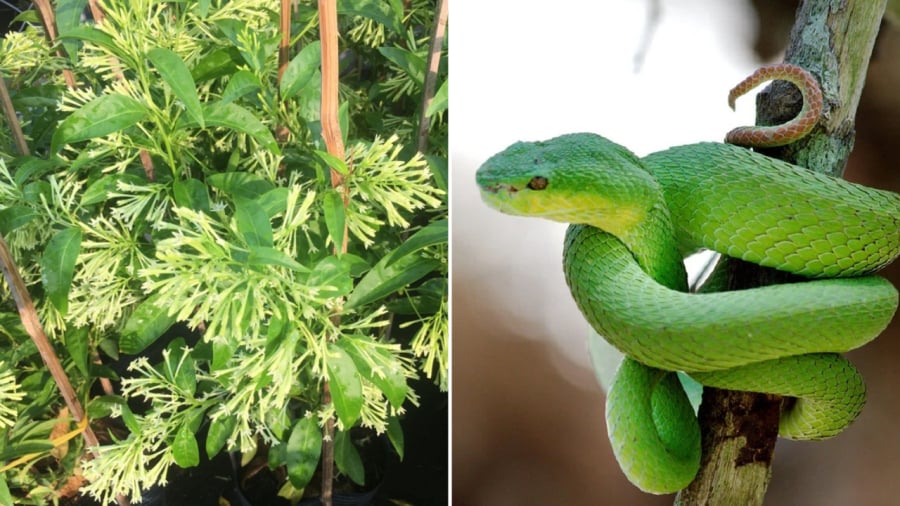
1. Dense Ground Covers
Ground-cover plants are popular because they suppress weeds and reduce soil erosion.
Examples include:
-
English ivy
-
Creeping juniper
-
Pachysandra
-
Vinca (periwinkle)
-
Creeping thyme
When these plants become very thick and overgrown, they can create:
-
Cool, shaded areas
-
Moist hiding places
-
Protection from predators
These conditions may appeal to snakes seeking shelter, particularly during hot weather.
How to Reduce Risk
-
Trim ground covers regularly.
-
Avoid allowing dense mats to spread unchecked.
-
Remove piles of leaves trapped beneath the plants.
2. Tall Ornamental Grasses
Decorative grasses add texture and movement to a landscape.
Common varieties include:
-
Fountain grass
-
Pampas grass
-
Maiden grass
-
Switchgrass
While attractive, mature ornamental grasses can develop dense clumps that provide excellent hiding places for wildlife.
These grasses may also attract small mammals and insects that snakes feed on.
How to Reduce Risk
-
Divide and thin mature clumps.
-
Remove dead growth each season.
-
Keep pathways around ornamental grasses clear.
3. Thick Shrubs and Bushes
Shrubs provide valuable habitat for birds and beneficial insects, but heavily overgrown shrubs can also create protected areas near the ground.
Examples include:
-
Boxwood
-
Holly
-
Juniper
-
Azalea
-
Evergreen hedges
If branches extend all the way to the soil, they may provide concealed spaces where snakes can rest unnoticed.
How to Reduce Risk
-
Prune lower branches when appropriate.
-
Remove fallen branches and debris.
-
Maintain open airflow beneath shrubs.
4. Fruit Trees and Berry Bushes
Fruit-bearing plants themselves do not attract snakes.
However, fallen fruit can attract:
-
Rodents
-
Birds
-
Insects
These animals may become prey for snakes.
Examples include:
-
Apple trees
-
Peach trees
-
Fig trees
-
Berry bushes
-
Citrus trees
How to Reduce Risk
-
Pick ripe fruit promptly.
-
Remove fallen fruit from the ground.
-
Keep compost piles well managed.
Reducing food sources for rodents may help discourage snakes from visiting.
5. Moisture-Loving Plants Near Water Features
Plants growing around ponds, fountains, or consistently damp areas may support frogs, insects, and other small animals.
Examples include:
-
Hostas
-
Ferns
-
Water lilies
-
Cattails
-
Iris
These areas may become attractive hunting grounds for some snake species.
How to Reduce Risk
-
Keep pond edges tidy.
-
Avoid excessive vegetation around water features.
-
Manage standing water where practical.
Why Snakes Visit Gardens
Snakes are usually looking for three basic things:
Shelter
They seek places that are:
-
Cool
-
Shaded
-
Protected from predators
Examples include:
-
Dense vegetation
-
Rock piles
-
Wood piles
-
Thick mulch
-
Garden debris
Food
Snakes feed on a variety of animals depending on the species.
Common prey includes:
-
Rodents
-
Frogs
-
Lizards
-
Birds
-
Eggs
-
Large insects
If prey is abundant, snakes may be more likely to visit.
Water
Like all animals, snakes need water.
Birdbaths, ponds, dripping hoses, or other water sources may occasionally attract wildlife during dry weather.
Additional Landscaping Features That May Encourage Snake Activity
Plants are only one part of the picture.
Other features that may provide shelter include:
-
Stacks of firewood
-
Rock walls
-
Compost piles
-
Unused building materials
-
Tall weeds
-
Overgrown grass
Keeping these areas tidy can reduce potential hiding places.
Tips to Make Your Yard Less Attractive to Snakes
Simple maintenance can make a significant difference.
Mow the Lawn Regularly
Short grass makes it more difficult for snakes to remain hidden.
Remove Yard Debris
Clear away:
-
Leaf piles
-
Fallen branches
-
Unused pots
-
Construction materials
These items can provide shelter for snakes and their prey.
Control Rodents
Since rodents are an important food source for many snakes:
-
Store pet food securely.
-
Keep trash containers tightly closed.
-
Seal entry points into sheds and garages.
-
Clean up fallen birdseed.
Reducing rodents may also reduce snake activity.
Trim Vegetation
Keep shrubs, hedges, and ground covers well maintained.
Good airflow and visibility make gardens less attractive as hiding places.
Seal Gaps Around Buildings
Inspect your home for:
-
Foundation cracks
-
Gaps beneath doors
-
Open vents
-
Holes around utility pipes
Sealing these openings can help prevent wildlife from entering.
Are All Snakes Dangerous?
No.
Most snake species found in many parts of the world are nonvenomous and play an important role in controlling rodent populations.
In fact, snakes help maintain ecological balance by reducing the number of pests that may damage crops or spread disease.
If you encounter a snake, avoid handling it.
Instead:
-
Keep a safe distance.
-
Supervise children and pets.
-
Contact local wildlife authorities if necessary.
Common Myths About Garden Plants and Snakes
Myth: Certain plants directly attract snakes.
Fact: Snakes are attracted to suitable habitat, not to the plants themselves.
Myth: Planting one "snake-repelling" plant keeps snakes away.
Fact: There is little scientific evidence that any particular plant reliably repels snakes.
Myth: Every snake in the garden is dangerous.
Fact: Most snakes are harmless to humans, although they should always be treated with caution and left undisturbed.
Myth: Removing all plants is the best solution.
Fact: Healthy landscaping can coexist with wildlife when gardens are properly maintained.
The Bottom Line
Snakes are not attracted to specific plants themselves but to the shelter, moisture, and food sources that certain landscaping features can provide. Dense ground covers, ornamental grasses, thick shrubs, fruit trees with fallen fruit, and moisture-loving plants near water features may all create conditions that increase snake activity if not properly maintained.
Regular gardening practices—such as trimming vegetation, mowing the lawn, removing debris, cleaning up fallen fruit, and controlling rodent populations—can help make your yard less appealing to snakes while preserving a beautiful and healthy outdoor environment. With thoughtful landscaping and routine maintenance, you can enjoy your garden and reduce the likelihood of unexpected wildlife encounters.