Why You Should Avoid Sleeping on Your Right Side: How Your Sleeping Position May Affect Your Health
Could Your Sleeping Position Be Affecting Your Health Every Night?
Health 16/07/2026 12:44
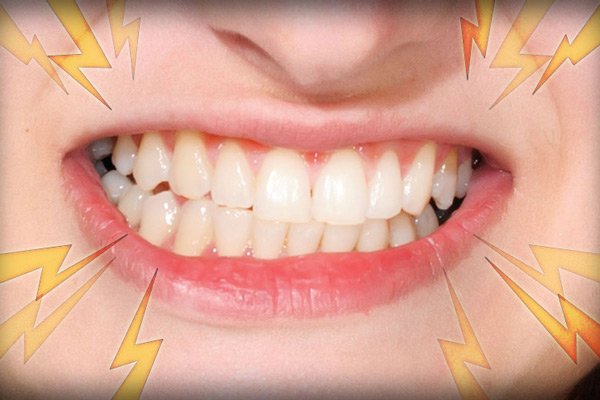
Do you wake up with a sore jaw or frequent headaches? Has your dentist noticed worn or chipped teeth? You may be grinding or clenching your teeth—a condition known as bruxism.
Bruxism can occur during the day or while you're asleep. Many people don't realize they grind their teeth until symptoms develop or a partner hears the grinding at night. Left untreated, it can damage teeth, strain the jaw muscles, and affect your quality of life.
Here are 10 signs, causes, and practical ways to manage teeth grinding.
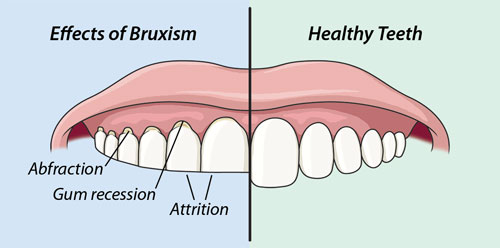
One of the earliest signs of bruxism is excessive wear on the teeth.
Over time, grinding can cause:
Flattened chewing surfaces
Chipped teeth
Cracked enamel
Increased tooth sensitivity
Regular dental checkups can help detect these changes early.
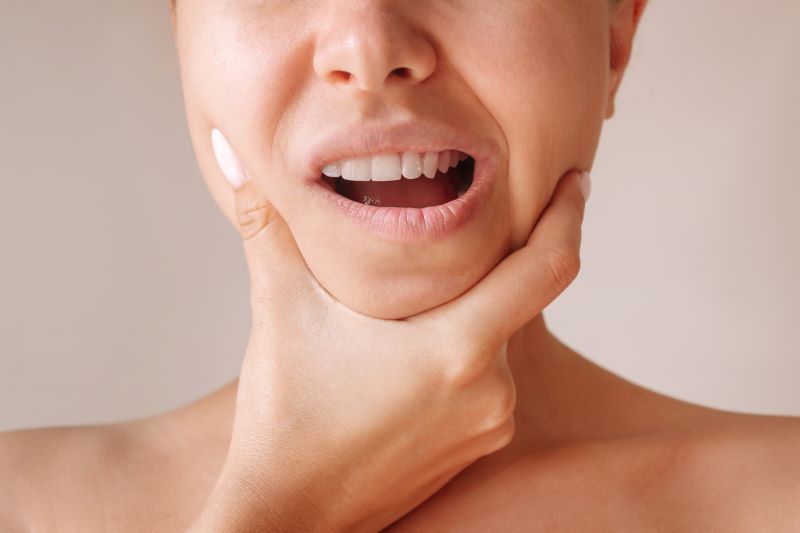
Grinding places repeated stress on the jaw muscles.
You may notice:
Jaw soreness upon waking
Tight jaw muscles
Difficulty opening your mouth fully
Pain while chewing
Persistent jaw pain should be evaluated by a dentist or healthcare professional.
Many people with sleep bruxism wake up with dull headaches, especially around the temples.
These headaches are often caused by overworked jaw muscles during the night.
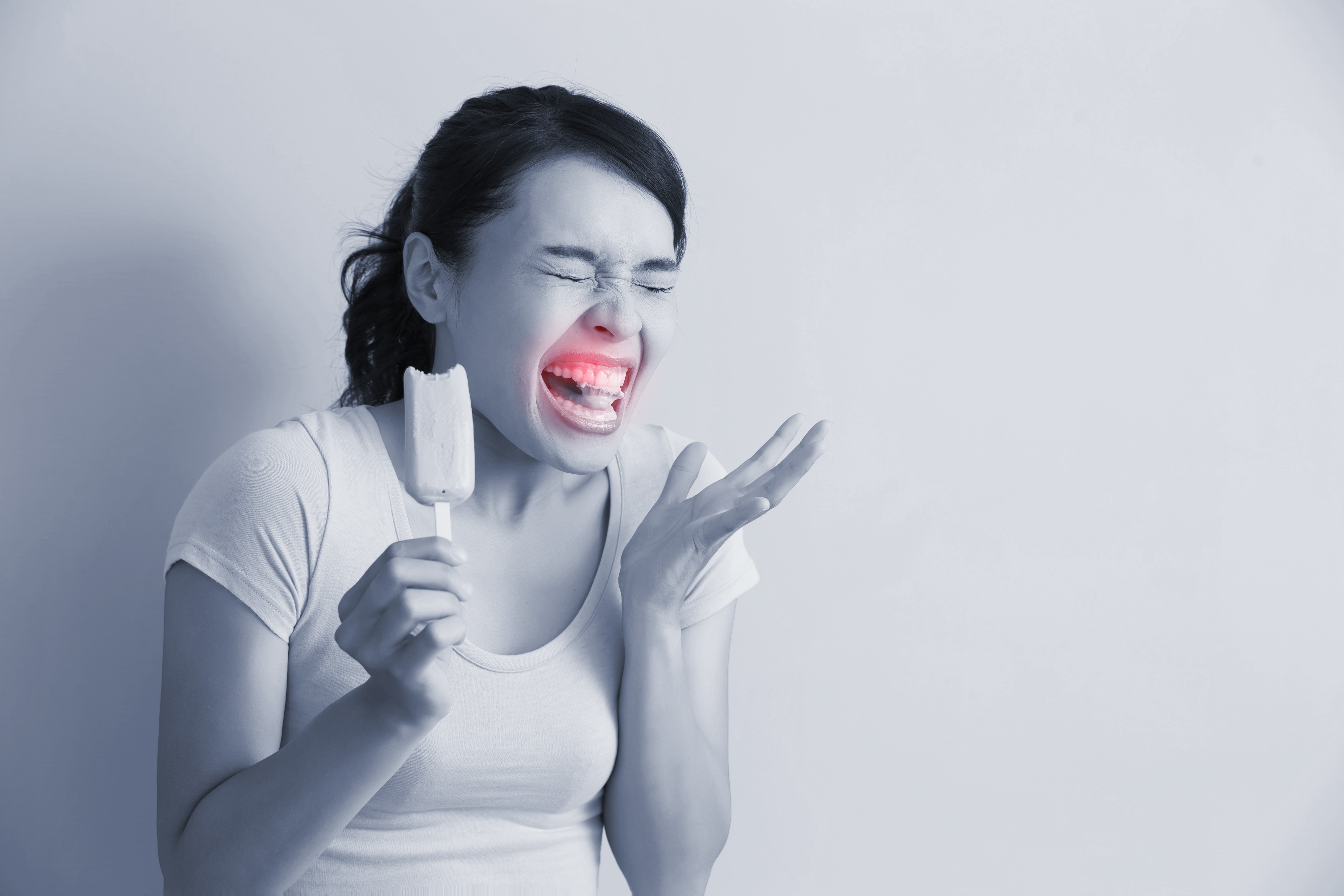
As enamel wears down, the inner layers of the tooth become more exposed.
This can make your teeth more sensitive to:
Hot drinks
Cold foods
Sweet foods
Air exposure
The jaw joint (temporomandibular joint, or TMJ) is located close to the ears.
Bruxism may cause pain that feels like an earache, even when the ears themselves are healthy.
Frequent grinding can place extra stress on the TMJ.
Some people experience:
Clicking sounds
Popping sensations
Jaw stiffness
Locking of the jaw
These symptoms may indicate a temporomandibular joint disorder (TMD).
Sleep bruxism may interrupt restful sleep, even if you don't remember waking up.
Some people experience:
Restless sleep
Frequent awakenings
Daytime fatigue
Feeling unrefreshed in the morning
Stress is one of the most common triggers for teeth grinding.
Emotional factors such as:
Anxiety
Tension
Anger
High work pressure
may increase the likelihood of clenching or grinding, especially during sleep.
Some habits may worsen bruxism, including:
Excessive caffeine intake
Alcohol consumption
Smoking
Recreational drug use
Reducing these triggers may help decrease grinding episodes.
Bruxism may also be associated with:
Obstructive sleep apnea
Neurological disorders
Acid reflux
Certain antidepressants and other medications
If your symptoms begin after starting a new medication, discuss this with your healthcare provider rather than stopping the medication on your own.
Simple strategies that may help include:
Practice stress-management techniques such as meditation or deep breathing.
Avoid chewing gum excessively.
Limit caffeine and alcohol, especially in the evening.
Maintain good sleep habits.
Perform gentle jaw relaxation exercises if recommended by your healthcare provider.
Visit your dentist regularly.
For nighttime bruxism, your dentist may recommend a custom-made night guard to protect your teeth from damage.
Seek professional evaluation if you experience:
Persistent jaw pain.
Frequent morning headaches.
Chipped or cracked teeth.
Loose teeth.
Difficulty opening or closing your jaw.
Loud teeth grinding noticed by your sleeping partner.
Symptoms of sleep apnea, such as loud snoring or pauses in breathing during sleep.
Early treatment can help prevent long-term damage to your teeth and jaw.
Teeth grinding is a common condition that often occurs during sleep and may go unnoticed until symptoms appear. Worn teeth, jaw pain, headaches, tooth sensitivity, and poor sleep are all possible signs of bruxism.
Managing stress, improving sleep habits, reducing lifestyle triggers, and seeking timely dental care can help protect your teeth and improve your overall well-being. If symptoms persist or become severe, consult a dentist or healthcare professional for a proper evaluation and personalized treatment plan.
Could Your Sleeping Position Be Affecting Your Health Every Night?

Your Phone Has Hidden Shortcuts—And They're Right on the Volume Buttons
These Changes in Your Body Could Be Worth Discussing with Your Doctor

🥚🍠 13 Reasons to Add Eggs and Sweet Potatoes to Your Morning Routine

Chicken Gizzards: One of the Most Underrated Foods for Nutrition

Your Heartbeat May Feel More Noticeable at Night - Here's What Experts Say

Do You Eat Food While It's Still Piping Hot? Read This First

When Ginger May Do More Harm Than Good: 5 Health Concerns
Understanding Colon Health: 6 Symptoms That May Need Evaluation
You Might Think Daytime Naps Are Harmless—Here's What Experts Say

Itchy Skin with Small Bumps? Here's What It Could Mean
If You Have an Underactive Thyroid, Read This Before Your Next Meal 🍽️
Your Nighttime Leg Cramps Could Be a Sign of Something Worth Checking
10 Early Clues Your Brain May Be Showing Signs of Dementia
Your Feet May Be Sending an Early Warning About Your Heart 👇
What Brittle Nails Could Be Telling You About Your Overall Health
Bladder Cancer Can Be Silent at First—Watch for These 5 Symptoms
Could Your Sleeping Position Be Affecting Your Health Every Night?
Your Phone Has Hidden Shortcuts—And They're Right on the Volume Buttons
These Changes in Your Body Could Be Worth Discussing with Your Doctor
🥚🍠 13 Reasons to Add Eggs and Sweet Potatoes to Your Morning Routine
Chicken Gizzards: One of the Most Underrated Foods for Nutrition
Don't Toss That Plastic Bottle Just Yet—It May Be Useful
Your Heartbeat May Feel More Noticeable at Night - Here's What Experts Say
Do You Eat Food While It's Still Piping Hot? Read This First
When Ginger May Do More Harm Than Good: 5 Health Concerns
Understanding Colon Health: 6 Symptoms That May Need Evaluation
You Might Think Daytime Naps Are Harmless—Here's What Experts Say
Itchy Skin with Small Bumps? Here's What It Could Mean
If You Have an Underactive Thyroid, Read This Before Your Next Meal 🍽️

Your Nighttime Leg Cramps Could Be a Sign of Something Worth Checking
Millions Do This Every Day—Few Know It May Be Linked to This Lump 😳👇
10 Early Clues Your Brain May Be Showing Signs of Dementia