If Your Skin Itches and These Bumps Appear, It Could Be Hives: Common Triggers You Should Know
Have you ever noticed itchy, raised bumps appearing suddenly on your skin, only to disappear hours later and return somewhere else? These welts, commonly known as hives (urticaria), are a very common skin reaction. While they are often linked to allergies, many cases are triggered by factors that may surprise you.
Most hives are not dangerous and usually resolve on their own. However, recurring or severe episodes may require medical evaluation, especially if they are accompanied by swelling of the lips, tongue, or difficulty breathing.
What Are Hives?
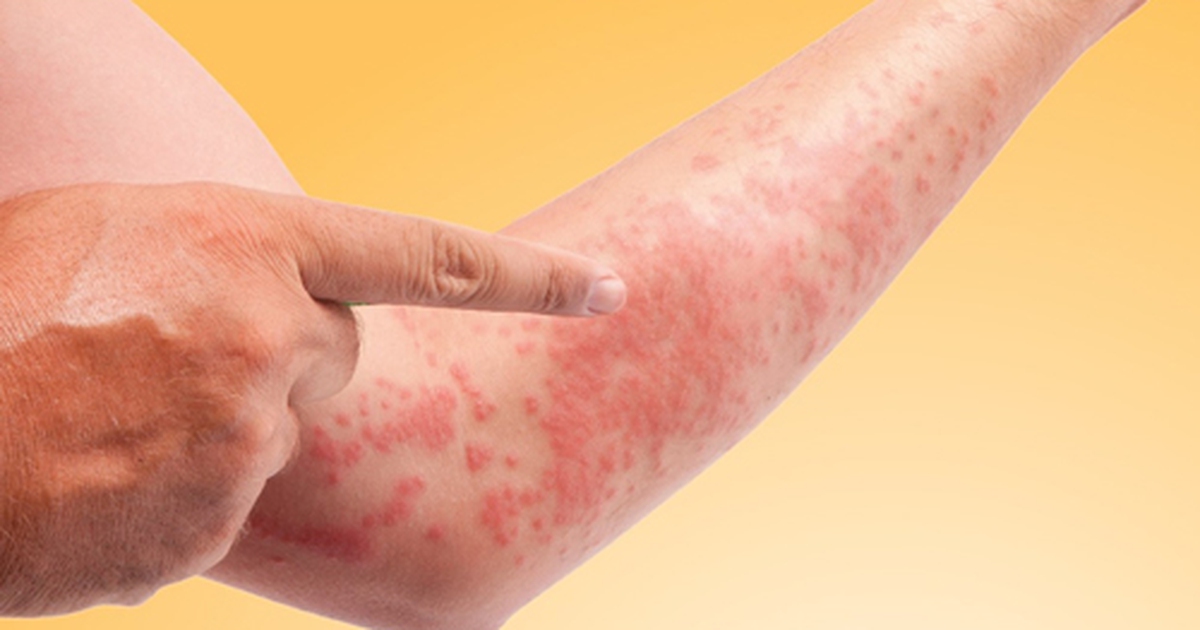
Hives are raised, itchy welts that can vary in size and shape. They may appear anywhere on the body, often changing location within hours. They develop when the body releases histamine, causing small blood vessels in the skin to leak fluid, leading to swelling and itching.
1. Food Allergies
Some people develop hives after eating certain foods. Common triggers include:
- Shellfish
- Fish
- Peanuts and tree nuts
- Eggs
- Milk
- Soy
- Wheat
Symptoms often appear within minutes to a few hours after eating the trigger food.
2. Medications
Several medications can cause hives in susceptible individuals, including:
- Antibiotics
- Aspirin
- Ibuprofen and other NSAIDs
- Some blood pressure medications
Never stop taking a prescribed medication without consulting your healthcare provider.
3. Stress and Anxiety
Emotional stress doesn't directly cause hives in everyone, but it can trigger or worsen outbreaks in some people. Stress may stimulate the release of chemicals involved in skin inflammation.
4. Heat, Sweat, and Exercise
Some people develop hives after:
- Exercising
- Taking a hot shower
- Spending time in hot weather
- Sweating heavily
These episodes are often related to increased body temperature.
5. Cold Temperatures
For others, the opposite is true. Exposure to cold air, cold water, or cold objects may trigger hives shortly after contact.
6. Pressure on the Skin
Everyday activities can sometimes trigger hives through pressure or friction, such as:
- Tight clothing
- Backpack straps
- Waistbands
- Scratching the skin
- Sitting for long periods
These are known as physical or inducible hives.
7. Infections
Not all hives are caused by allergies.
Viral illnesses, strep throat, urinary tract infections, and other infections may also trigger hives as part of the body's immune response.
8. Sunlight
Although uncommon, some people develop hives after just a few minutes of sun exposure. This condition is known as solar urticaria.
9. Insect Bites and Stings
Mosquitoes, bees, wasps, and other insects can trigger localized or widespread hives in sensitive individuals.
When Should You See a Doctor?
Seek medical advice if:
- Your hives keep returning for more than six weeks.
- The itching is severe or interferes with daily life.
- Over-the-counter antihistamines don't help.
- You can't identify a possible trigger.
- The rash is accompanied by fever or other concerning symptoms.
Seek emergency medical care immediately if you develop:
- Swelling of the lips, tongue, or throat.
- Difficulty breathing or wheezing.
- Trouble swallowing.
- Dizziness or fainting.
These symptoms could indicate a severe allergic reaction (anaphylaxis), which requires urgent treatment.
Tips to Help Prevent Future Outbreaks
If you experience recurrent hives, these strategies may help:
- Keep a diary of foods, medications, and activities before each outbreak.
- Wear loose-fitting, breathable clothing.
- Avoid overheating whenever possible.
- Manage stress through relaxation techniques.
- Follow your healthcare provider's recommendations regarding antihistamines or other treatments.
Final Thoughts
Hives can have many different triggers, and in some cases, the exact cause is never identified. While most episodes are temporary and harmless, recurring or severe hives deserve medical attention. Paying attention to when the bumps appear—and what may have triggered them—can help you and your healthcare provider identify patterns and choose the most appropriate treatment.
Disclaimer: This article is intended for informational purposes only and should not replace professional medical advice, diagnosis, or treatment.