19 Foods to Limit If You Have Hypothyroidism or Thyroid Problems
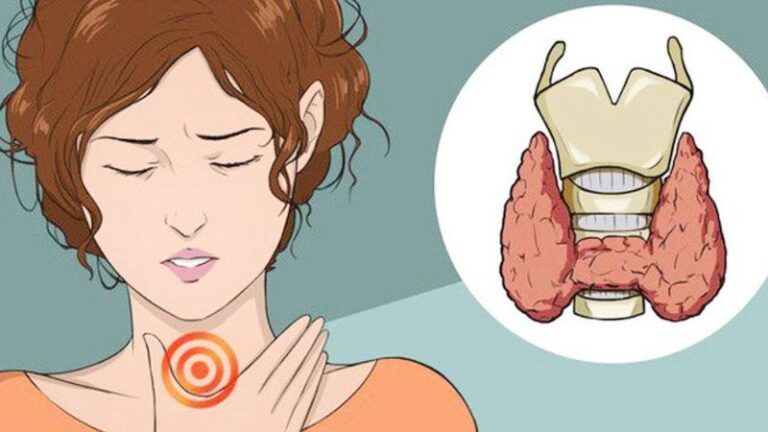
Hypothyroidism, also known as an underactive thyroid, occurs when the thyroid gland doesn't produce enough thyroid hormones. Because these hormones help regulate metabolism, energy levels, body temperature, and many other essential functions, low hormone levels can lead to symptoms such as fatigue, weight gain, dry skin, constipation, and sensitivity to cold.
While there is no single diet that can cure hypothyroidism, certain foods and supplements may interfere with thyroid function or reduce the absorption of thyroid medication. The goal isn't to eliminate every food on this list, but to understand which ones may need to be limited or consumed at the right time.
1. Soy products
Soybeans, tofu, soy milk, edamame, and soy protein can interfere with the absorption of levothyroxine, the most commonly prescribed thyroid medication. If you eat soy regularly, try to keep it several hours apart from your medication.
2. Raw cruciferous vegetables
Broccoli, cabbage, cauliflower, kale, Brussels sprouts, bok choy, and turnips contain compounds called goitrogens. In very large amounts—especially when eaten raw—they may reduce the thyroid's ability to use iodine. Cooking significantly reduces this effect.
3. Seaweed and kelp
Although iodine is necessary for thyroid hormone production, too much iodine may actually worsen certain thyroid disorders. Seaweed, kelp snacks, and kelp supplements should be consumed cautiously unless recommended by your healthcare provider.
4. Iodine supplements
Many people assume more iodine is always better, but excessive supplementation can be harmful, especially for people with autoimmune thyroid disease. Never take iodine supplements without medical advice.
5. Highly processed foods
Packaged snacks, fast food, frozen meals, and processed meats are often high in unhealthy fats, added sugars, and sodium while providing little nutritional value.
6. Sugary drinks
Soft drinks, sweetened teas, energy drinks, and sugary coffees can contribute to weight gain, which is already common in people with hypothyroidism.
7. Refined sugar
Excess sugar promotes inflammation and makes maintaining a healthy weight more difficult.
8. Fried foods
French fries, fried chicken, and other deep-fried foods are high in unhealthy fats that may negatively affect overall heart and metabolic health.
9. Trans fats
Foods containing partially hydrogenated oils should be avoided whenever possible because they increase inflammation and cardiovascular risk.
10. Excess alcohol
Heavy alcohol intake may interfere with thyroid function and overall health.
11. Ultra-processed snacks

Chips, cookies, crackers, and candy provide calories without many essential nutrients.
12. White bread and refined grains
Refined carbohydrates can cause blood sugar spikes and may contribute to weight gain.
13. Large amounts of fiber at medication time
Fiber is healthy, but eating a very high-fiber meal immediately after taking thyroid medication can reduce its absorption. Try taking your medication on an empty stomach and waiting before eating.
14. Coffee right after thyroid medication
Coffee may reduce how well levothyroxine is absorbed. Many experts recommend waiting at least 30–60 minutes after taking your medication before drinking coffee.
15. Calcium-rich supplements or foods with medication
Calcium supplements, fortified juices, and dairy products can interfere with thyroid medication if taken too close together. Leave several hours between them whenever possible.
16. Iron supplements
Like calcium, iron supplements can reduce medication absorption and should be taken at a different time of day.
17. Cassava (Yuca)
Cassava contains naturally occurring compounds that may interfere with thyroid function if it is consumed frequently and not prepared properly, particularly in areas with low iodine intake.
18. Foods high in added salt but low in nutrients
Many processed foods contain excessive sodium without using iodized salt, making them a poor dietary choice for overall health.
19. Excessive portions of any high-calorie food
Because hypothyroidism often slows metabolism, regularly consuming more calories than your body needs can contribute to unwanted weight gain.
Foods That Support Thyroid Health
Instead of focusing only on foods to limit, try including more nutrient-rich options such as:
- Fish and seafood
- Eggs
- Lean poultry
- Fresh fruits
- Cooked vegetables
- Whole grains
- Beans and legumes
- Brazil nuts (in moderation)
- Pumpkin seeds
- Yogurt and other dairy products (if tolerated)
These foods provide nutrients such as selenium, zinc, protein, vitamin D, and iodine, all of which play important roles in thyroid health.
Healthy Habits Matter Too
Diet is only one part of managing hypothyroidism. To support your thyroid health:
- Take thyroid medication exactly as prescribed.
- Take it on an empty stomach with water.
- Wait before drinking coffee or eating breakfast if instructed by your healthcare provider.
- Stay physically active.
- Get regular blood tests to monitor thyroid hormone levels.
- Follow up with your healthcare provider to adjust treatment when needed.
Final Thoughts
Having hypothyroidism doesn't mean you have to eliminate dozens of foods forever. In most cases, the key is balance, proper timing of medication, and a nutritious eating pattern rather than strict food restrictions. If you're unsure whether a particular food affects your thyroid condition or medication, consult your doctor or a registered dietitian for personalized advice.
Disclaimer: This article is for educational purposes only and is not a substitute for professional medical advice, diagnosis, or treatment.