Your digestive system works hard every day, and many temporary digestive symptoms are harmless. Occasional constipation, mild stomach discomfort, or changes in bowel habits often result from diet, stress, or short-term illnesses. However, when certain symptoms persist or appear without an obvious explanation, they deserve medical attention.
Colon cancer is one of the most common cancers worldwide, but it is also one of the most preventable and treatable when detected early. In many cases, it develops slowly from small growths called polyps, which can often be found and removed before they become cancerous.
It's important to remember that the symptoms discussed below do not necessarily mean someone has colon cancer. Many other conditions—including hemorrhoids, irritable bowel syndrome (IBS), inflammatory bowel disease (IBD), infections, and dietary changes—can cause similar symptoms. Still, persistent or unexplained changes should never be ignored.
Here are six important colon health warning signs that may warrant medical evaluation.
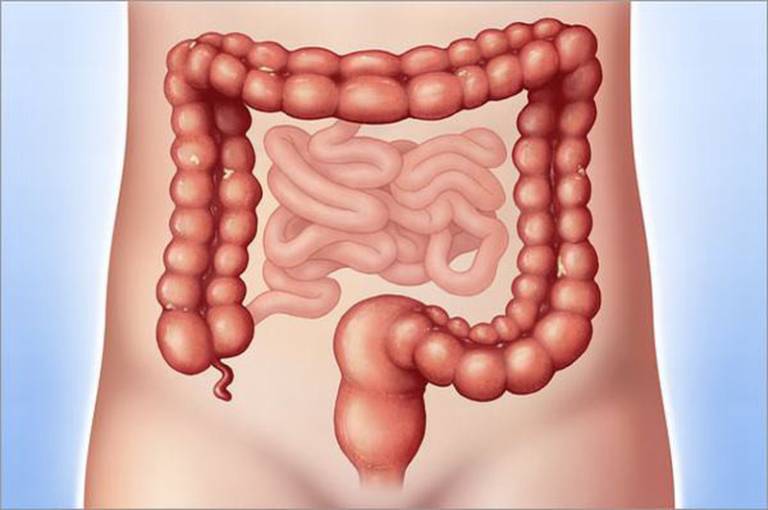
1. Persistent Changes in Bowel Habits
One of the most common early warning signs of colon problems is a lasting change in bowel habits.
This may include:
-
Diarrhea lasting several weeks
-
Ongoing constipation
-
Alternating between diarrhea and constipation
-
Needing to have bowel movements more often than usual
-
Feeling that the bowel does not empty completely
Temporary digestive changes are common, but symptoms that continue for several weeks should be discussed with a healthcare professional.
2. Blood in the Stool
Seeing blood in your stool can be alarming and should always be evaluated.
Blood may appear as:
-
Bright red blood on the toilet paper
-
Blood mixed with the stool
-
Dark or black stools that may indicate bleeding higher in the digestive tract
Blood in the stool can result from several conditions, including:
-
Hemorrhoids
-
Anal fissures
-
Inflammatory bowel disease
-
Diverticular disease
-
Colon polyps
-
Colon cancer
Only a medical evaluation can determine the cause.
3. Persistent Abdominal Pain or Cramping
Ongoing abdominal discomfort that doesn't improve deserves attention.
Symptoms may include:
-
Cramping
-
Bloating
-
Gas
-
Persistent abdominal pain
-
A feeling of fullness
While these symptoms are often caused by less serious digestive conditions, they should not be ignored if they persist or worsen.
4. Unexplained Weight Loss
Losing weight without intentionally changing your diet or exercise routine may indicate an underlying medical condition.
Possible causes include:
-
Digestive disorders
-
Thyroid disease
-
Diabetes
-
Chronic infections
-
Certain cancers
Unintentional weight loss should always be discussed with a healthcare professional.
5. Fatigue or Weakness
Persistent fatigue can have many causes.
In some cases, slow, unnoticed bleeding from the digestive tract may lead to iron-deficiency anemia, which can cause:
-
Fatigue
-
Weakness
-
Dizziness
-
Shortness of breath
-
Pale skin
A simple blood test can often identify anemia, but additional testing may be needed to determine the cause.
6. Narrow or Pencil-Thin Stools
Some people notice that their stools become consistently narrower than usual.
Occasional changes in stool shape are common.
However, stools that remain unusually thin for several weeks - especially when accompanied by other symptoms such as bleeding, abdominal pain, or weight loss should be evaluated.
Why Early Detection Is So Important
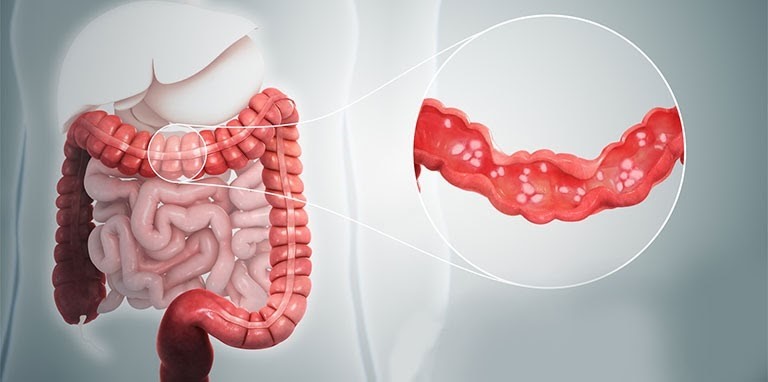
Colon cancer often develops slowly over many years.
During its early stages, it may cause no symptoms at all.
This is why routine screening plays such an important role.
Screening can detect:
-
Precancerous polyps
-
Early-stage cancers
-
Other colon abnormalities
Removing polyps before they become cancerous is one of the most effective ways to prevent colon cancer.
Who Should Consider Screening?
Screening recommendations vary depending on:
-
Age
-
Family history
-
Personal medical history
-
Risk factors
People with a strong family history of colon cancer or inherited genetic conditions may need to begin screening earlier than the general population.
Discuss the most appropriate screening schedule with your healthcare provider.
Common Screening Methods
Several screening options are available.
These may include:
-
Colonoscopy
-
Stool-based tests
-
Flexible sigmoidoscopy
-
CT colonography (virtual colonoscopy)
Each method has advantages and limitations.
Your healthcare provider can help determine which option is best for you.
Healthy Habits That Support Colon Health
Although no lifestyle guarantees prevention, healthy daily habits can help reduce the risk of many digestive diseases.
Eat More Fiber
Fiber-rich foods include:
-
Fruits
-
Vegetables
-
Beans
-
Lentils
-
Whole grains
-
Oats
Fiber supports regular bowel movements and helps nourish beneficial gut bacteria.
Limit Processed and Red Meat
Some research has linked frequent consumption of processed meat with an increased risk of colorectal cancer.
Examples include:
-
Bacon
-
Sausages
-
Hot dogs
-
Processed deli meats
Choosing more plant-based proteins, fish, and poultry may support overall health.
Stay Physically Active
Regular exercise supports:
-
Healthy digestion
-
Weight management
-
Heart health
-
Overall well-being
Adults are generally encouraged to aim for at least 150 minutes of moderate-intensity physical activity each week.
Avoid Tobacco and Limit Alcohol
Smoking and excessive alcohol consumption have been linked to an increased risk of several cancers, including colorectal cancer.
Quitting smoking and limiting alcohol can improve overall health.
Maintain a Healthy Weight
Maintaining a healthy body weight through balanced nutrition and regular physical activity may help lower the risk of several chronic diseases.
Common Myths About Colon Cancer
Myth: Only older adults develop colon cancer.
Fact: While risk increases with age, younger adults can also develop colon cancer.
Myth: No symptoms mean no problem.
Fact: Early colon cancer often causes no symptoms, which is why screening is so important.
Myth: Blood in the stool is always caused by hemorrhoids.
Fact: Hemorrhoids are common, but blood in the stool should never be assumed to be harmless without proper evaluation.
Myth: Colonoscopy is only necessary if symptoms develop.
Fact: Screening is designed to detect disease before symptoms appear.
When Should You Seek Medical Advice?
You should contact a healthcare professional if you experience:
-
Persistent changes in bowel habits
-
Blood in the stool
-
Ongoing abdominal pain
-
Unexplained weight loss
-
Persistent fatigue
-
Narrow stools lasting several weeks
Prompt evaluation allows healthcare professionals to determine the cause and recommend appropriate testing.
The Bottom Line
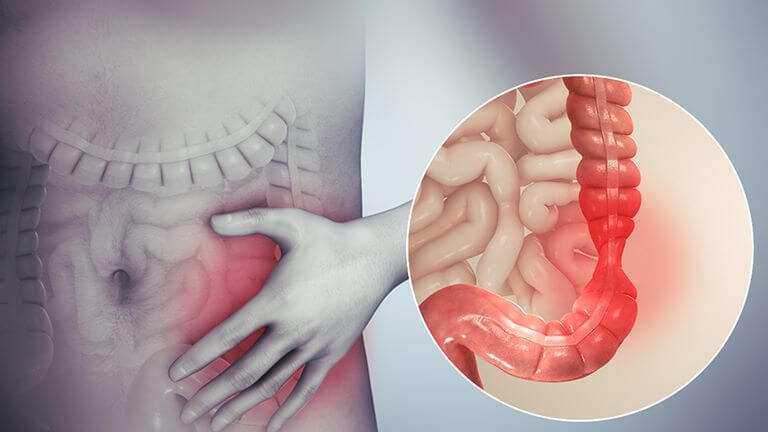
Many digestive symptoms have harmless explanations, but persistent or unexplained changes should never be ignored. Ongoing changes in bowel habits, blood in the stool, abdominal pain, unexplained weight loss, persistent fatigue, and consistently narrow stools may all warrant medical evaluation.
These symptoms do not necessarily mean someone has colon cancer, but they are important warning signs that deserve attention. Combined with regular screening, a fiber-rich diet, regular exercise, avoiding tobacco, limiting alcohol, and maintaining a healthy weight, early evaluation can play a key role in protecting your colon health and improving long-term outcomes.